
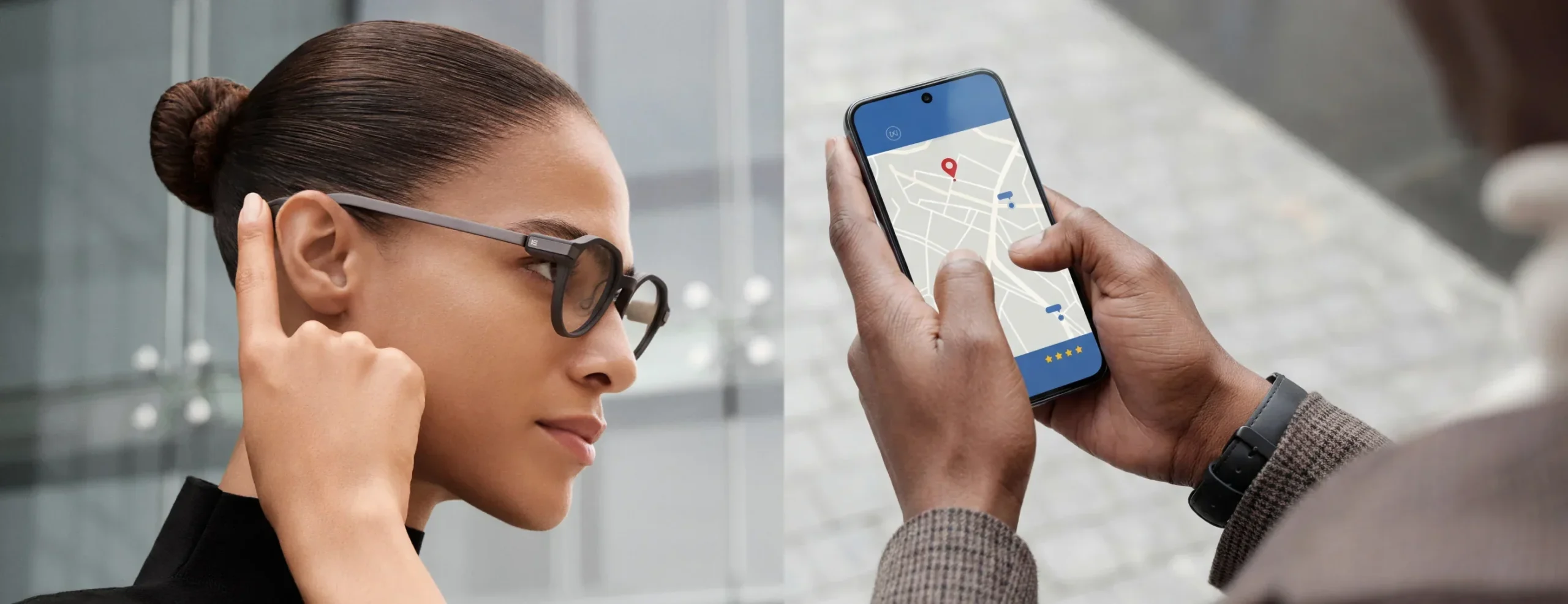
19 Jun Smartphones vs. Smart Glasses: Are AR Wearables the Next Big Tech Upgrade?
For more than a decade, smartphones have been the center of modern life. They replaced cameras, maps, music players, planners, notebooks, and in many ways became the device people reach for hundreds of times a day without even thinking about it. Every year brought slightly better cameras, brighter displays, faster chips, and slimmer designs—but recently, a different kind of conversation has entered the technology world. Instead of asking what the next smartphone will look like, people are beginning to ask whether the smartphone itself will remain the main device at all.
That question has created growing excitement around smart glasses and augmented reality (AR) wearables. These products are designed to blend digital experiences into everyday life rather than keeping users focused on a screen held in their hands. Suddenly, notifications, directions, media, and interactive features could become visible while walking, working, shopping, or exploring. While smartphones still dominate daily technology habits, smart glasses are beginning to present a different vision of convenience and interaction. The big question now is whether AR wearables are becoming the next major consumer tech upgrade—or whether smartphones still have plenty of life left in them.
Why Smartphones Still Remain the Technology Champion
Smartphones have earned their position through years of improvement and versatility. They combine communication, entertainment, productivity, photography, shopping, navigation, and content creation into one familiar device that fits in a pocket. Most people already depend on smartphones for almost everything throughout the day, making replacement difficult. The ecosystem surrounding phones—including applications, accessories, cloud services, and daily habits—creates a level of convenience that newer technologies still work to match. Smartphones continue evolving and remain incredibly effective because they balance performance, portability, and accessibility in a way that users already understand.
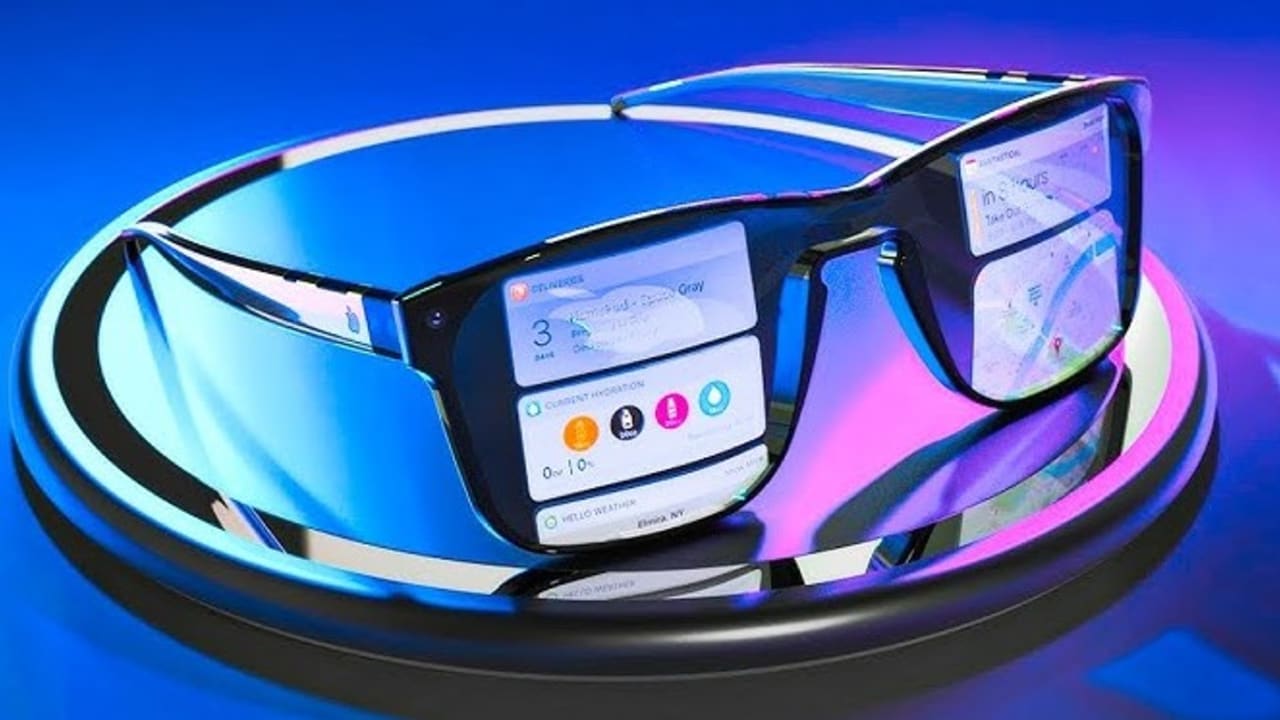
Smart Glasses Are Introducing a Different Kind of Experience
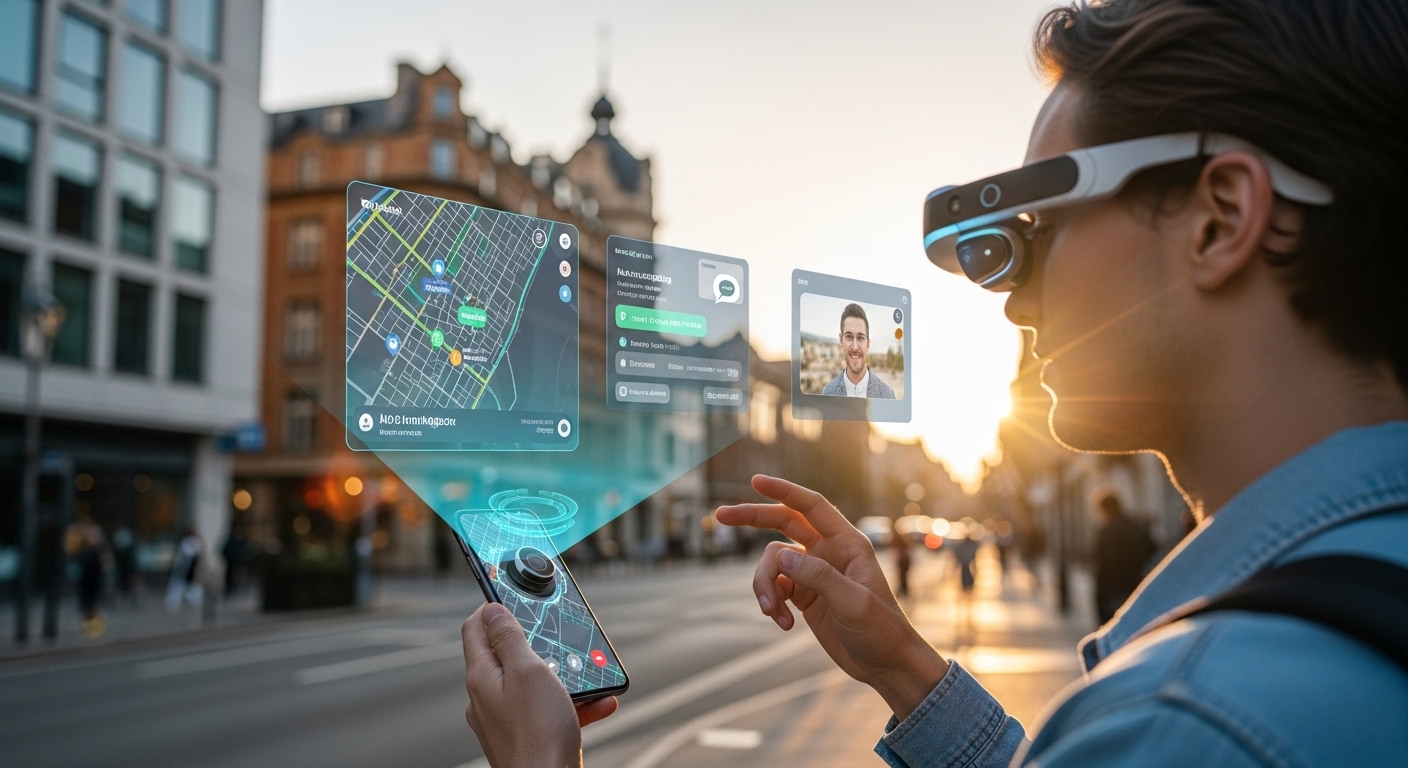
Unlike smartphones that require attention through direct interaction, smart glasses aim to make technology feel more natural and integrated into daily activities. Instead of constantly unlocking a device and shifting attention toward a screen, AR wearables explore ways to bring information closer to the user’s field of view. This creates opportunities for experiences that feel faster and potentially more immersive. Smart glasses are increasingly discussed as products designed not to replace reality but to add useful digital layers without interrupting everyday routines.
The Appeal of Hands-Free Technology
One of the strongest arguments in favor of AR wearables is convenience. People increasingly look for technology that fits seamlessly into daily life instead of demanding constant interaction. Smart glasses represent a shift toward hands-free experiences where information becomes more accessible while users remain engaged with their surroundings. Whether navigating cities, attending meetings, accessing updates, or interacting with digital tools, wearable technology promises a style of interaction that feels less dependent on traditional screens and more connected to movement and environment.
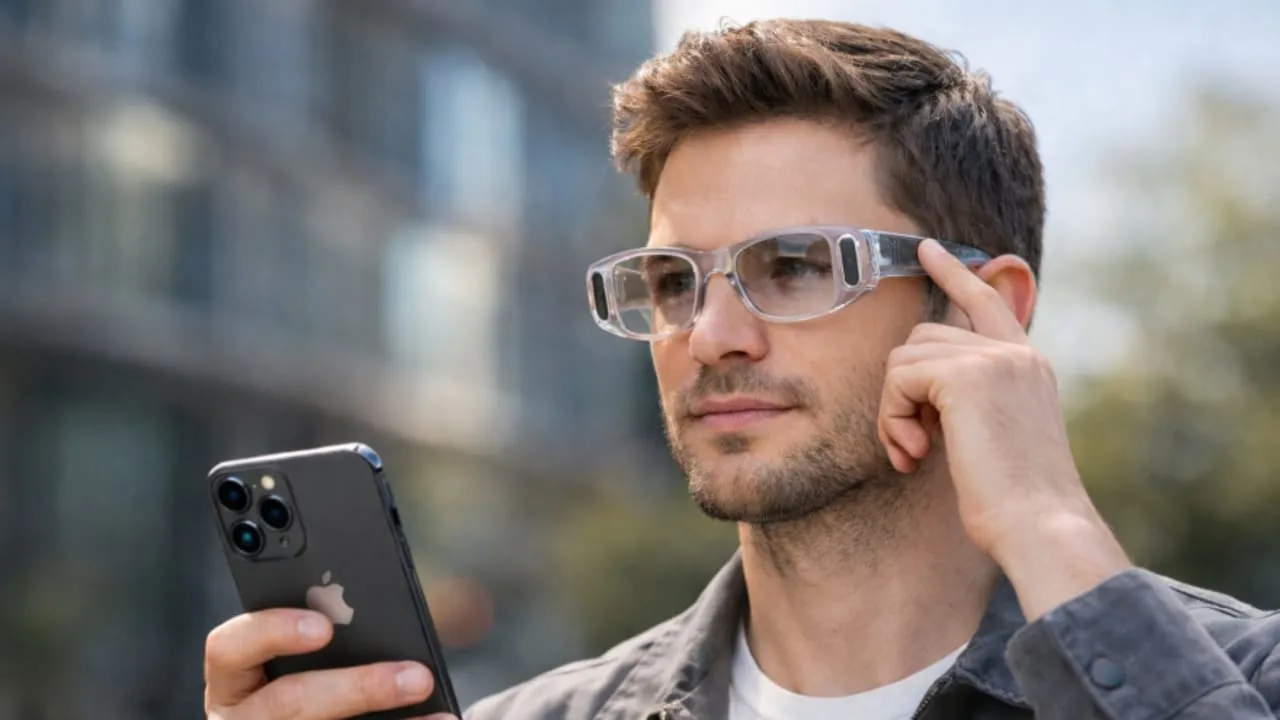
Will Smart Glasses Replace Smartphones or Work Alongside Them?
Technology history shows that new categories rarely eliminate old ones overnight. Laptops did not erase desktops, streaming did not completely remove traditional media, and smartwatches did not replace smartphones. Smart glasses may follow a similar path. Instead of becoming replacements immediately, they could evolve into companion devices that extend what smartphones already do. This approach may allow users to adopt wearable experiences gradually while continuing to rely on smartphones for tasks that still work best through larger screens and familiar interfaces.
Things Buyers Should Consider Before Choosing Smart Glasses
- Comfort for long-term everyday use
- Display clarity and visual experience
- Compatibility with existing devices
- Battery performance throughout the day
- Privacy and social acceptance
- Available applications and software support
- Portability and travel convenience
- Productivity and entertainment potential
- Durability and long-term usability
- Overall value compared with smartphones
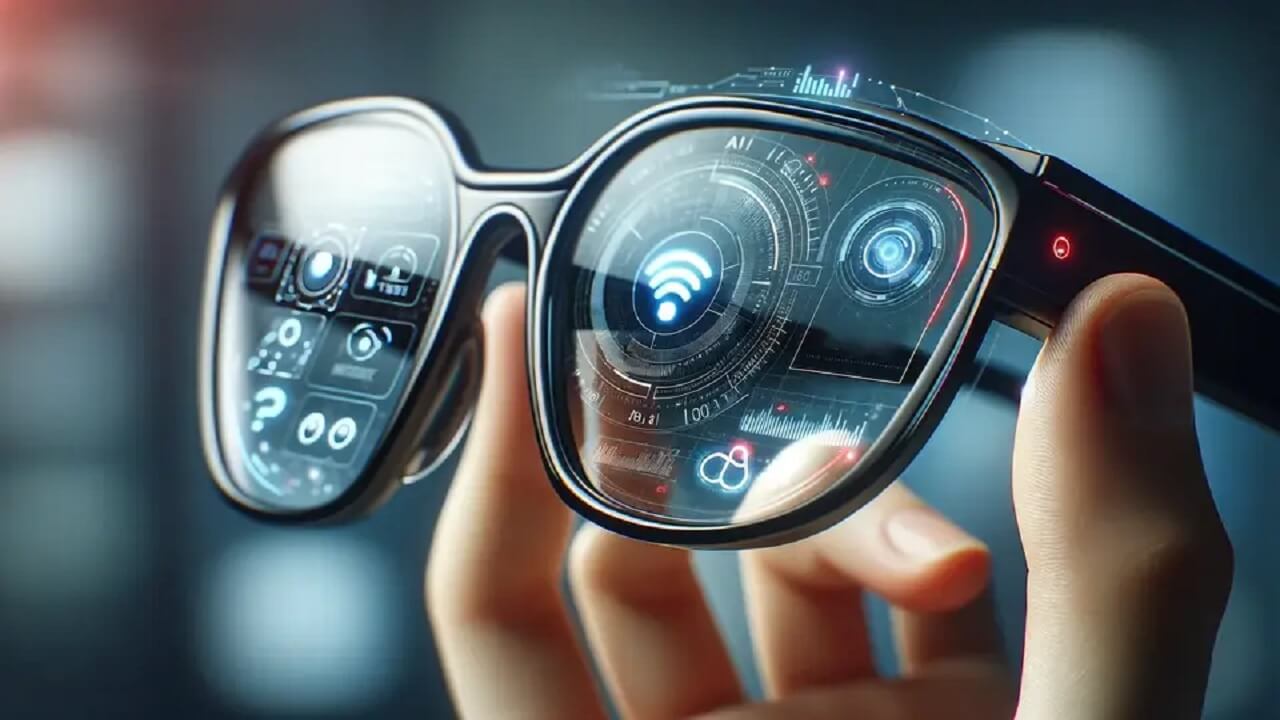
The Real Challenge Is Changing User Habits
The biggest obstacle for smart glasses may not be technology—it may be behavior. People already know how to use smartphones and have built routines around them for years. Introducing a new interaction model requires more than advanced hardware; it requires products that feel intuitive and genuinely useful. AR wearables need to prove they improve everyday experiences rather than simply creating a futuristic alternative. Success will depend on making technology feel invisible rather than more complicated.
AR Wearables Are Turning Science Fiction into Consumer Technology
For years, augmented reality felt like something reserved for futuristic movies and experimental concepts. Today, wearable products are beginning to make those ideas feel more realistic and accessible. Smart glasses reflect a broader movement toward technology that blends more naturally into life instead of demanding attention through screens. Whether used for work, entertainment, navigation, or daily convenience, the category continues attracting attention because it introduces new possibilities for interacting with digital experiences.
The Next Upgrade Might Not Fit in Your Pocket
The future of consumer technology may not be defined by larger screens or thinner devices but by products that become less noticeable while doing more in the background. Smartphones still remain powerful and deeply connected to everyday life, but smart glasses are opening a conversation about what comes next. The competition is becoming less about replacing one device with another and more about creating experiences that feel easier, faster, and more natural.
For shoppers watching the next wave of technology, the most interesting question may no longer be which phone to buy—but whether the next everyday device will be something they wear instead of something they carry.

Sorry, the comment form is closed at this time.