

14 Jul Reimagining Our Future: How Ecotalk Shapes the Green Economy
The industrial economy built over the past two centuries operates according to a linear model—extract resources, manufacture products, consume them, and dispose of waste. This extractive approach has generated unprecedented material prosperity for billions while simultaneously degrading ecosystems, depleting finite resources, and destabilizing the climate. The next chapter of human economic development requires reimagining fundamentals—how we produce, consume, and relate to environmental systems. The green economy represents this reimagining, transitioning from linear extraction toward circular systems that preserve resources, eliminate waste, and align human prosperity with ecological health. Ecotalk embodies this transition, advocating for sustainable business practices, circular economy principles, and lifestyle transformation necessary to build thriving societies within planetary boundaries.
From Linear to Circular: Reimagining Economic Systems
The circular economy replaces the linear take-make-waste model with systems designed to eliminate waste and keep materials and products in use for as long as possible. Rather than extracting virgin resources, manufacturing products with planned obsolescence, and disposing of used goods as waste, circular systems design products for durability, repairability, and eventual recovery into new products. Manufacturers retain ownership of products or materials, incentivizing durability and recovery. Waste from one process becomes feedstock for another. Nutrients cycle through biological or technical systems indefinitely rather than accumulating in landfills. This paradigm shift requires redesigning production systems, business models, and consumer behavior simultaneously.
Sustainable Business: Profitability Aligned with Environmental Responsibility

Conventional business wisdom treats environmental protection as a cost burden competing with profitability. Forward-thinking companies recognize instead that environmental sustainability and financial performance align. Efficiency improvements reducing resource consumption lower production costs. Waste recovery generates revenue streams. Supply chain resilience improves through diversification rather than dependence on vulnerable global systems. Consumer preference increasingly favors sustainable brands. Regulatory carbon pricing and environmental standards create financial incentives for emission reduction. Ecotalk helps businesses understand that sustainable operations aren’t sacrificial—they’re strategically superior to business-as-usual approaches, delivering stronger financial returns while reducing environmental impact.
Consumer Empowerment in the Green Economy
The green economy places consumers at the center of systemic change. When consumers prioritize sustainable products, vote with their purchases for companies with transparent environmental commitments, and demand accountability for environmental impacts, they reshape markets and corporate behavior. Consumer pressure has motivated companies to transition toward renewable energy, eliminate single-use plastics, improve labor practices, and redesign supply chains. As environmental awareness expands and sustainable products become more accessible and affordable, consumer demand drives business transformation. Ecotalk empowers consumers by providing information, alternatives, and community support for making sustainable choices within the broader context of systemic economic transformation.
Generational Environmental Legacy

Today’s decisions about economic systems and environmental stewardship shape possibilities available to future generations. Depleted ecosystems, degraded land, and destabilized climate limit options for descendants. Conversely, restored ecosystems, protected resources, and stable climate create abundant possibilities for future generations. This intergenerational perspective motivates environmental responsibility—we don’t own the planet; we temporarily inhabit it, with obligation to leave it in condition supporting human flourishing for countless generations. The green economy embodies this intergenerational ethic, prioritizing long-term ecosystem health over short-term extraction.
Clean Technology Innovation Driving Transformation
The green economy depends on technological innovation making sustainable systems competitive with fossil fuel-dependent infrastructure. Renewable energy cost reductions, battery storage breakthroughs, electric vehicle development, circular manufacturing technologies, and sustainable agriculture innovations continuously improve the competitiveness of green economy approaches. Investment in green technology accelerates innovation through economies of scale and learning curve improvements. As clean technologies improve and costs decline, the economic case for sustainability strengthens. Ecotalk tracks emerging sustainable technologies and connects consumers to innovations enabling more sustainable living within accessible economic reality.
Green Jobs and Economic Opportunity
The transition to sustainable economies creates abundant employment opportunities. Renewable energy installation and maintenance, energy efficiency retrofitting, sustainable agriculture, circular manufacturing, and environmental restoration all generate jobs across skill levels and regions. These green sector jobs often pay competitive or premium wages while providing meaningful work aligned with environmental values. Economic transition toward sustainability thus offers both environmental and economic opportunity—reducing emissions while creating employment and prosperity. Communities embracing green economy transitions position themselves for economic growth in the emerging sustainable world.
Policy Frameworks Supporting the Green Economy Transition
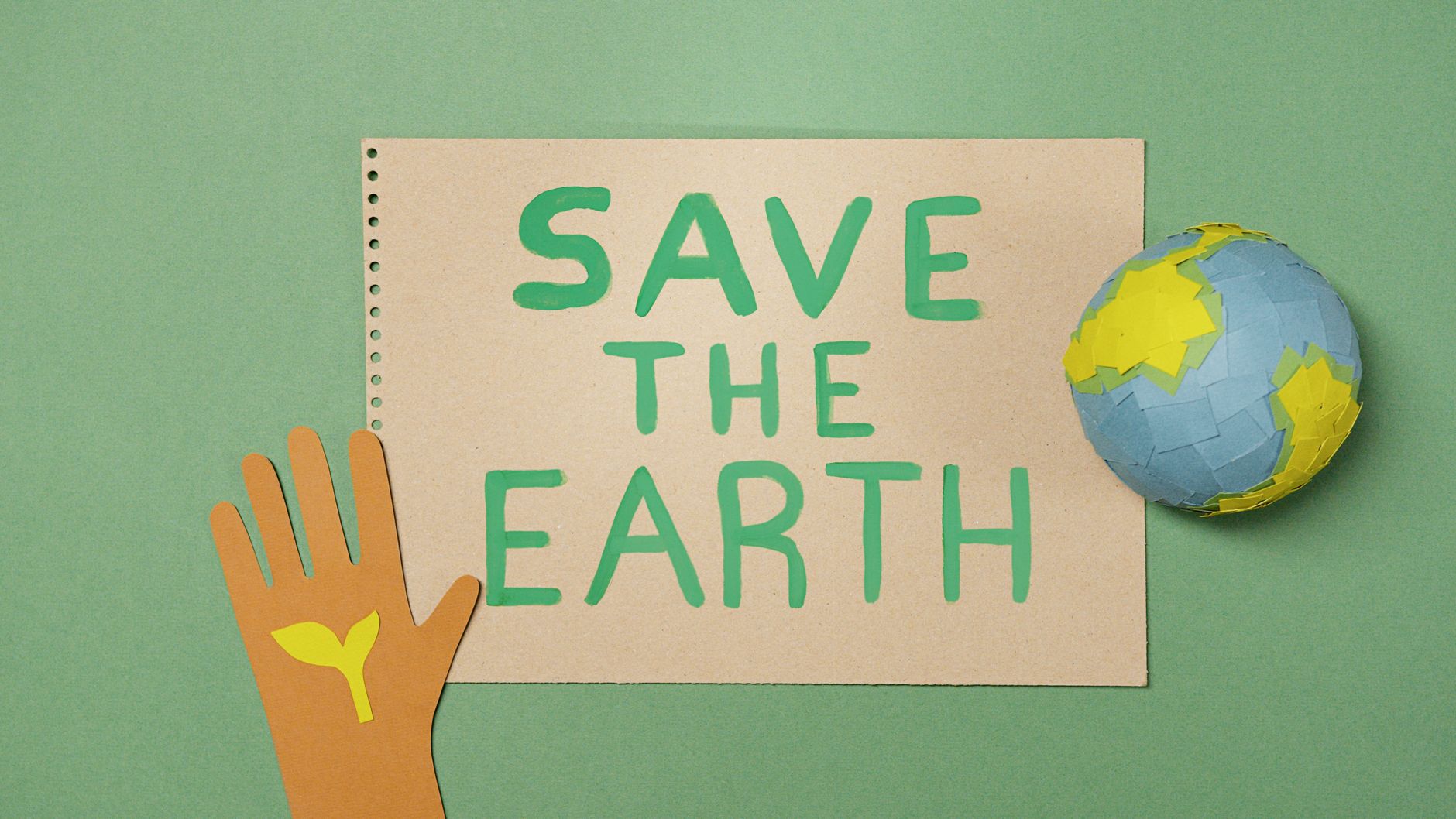
Individual and corporate action alone cannot achieve systemic economic transformation at the pace and scale required. Government policy creates the framework within which green economy transitions occur most efficiently. Carbon pricing, renewable energy standards, building efficiency requirements, circular economy incentives, and environmental protection regulations align economic incentives with environmental imperatives. Progressive jurisdictions implementing comprehensive climate and sustainability policies accelerate green economy development while attracting clean technology investment and talent. Ecotalk advocates for policy frameworks supporting green economy transition while supporting individuals and communities navigating the transition within current regulatory contexts.
Living Within Planetary Boundaries
Unlimited economic growth within finite planetary systems is physically impossible—eventually, resource depletion and pollution accumulation create limits. The green economy accepts this reality and reimagines prosperity not as endless material growth, but as quality of life, meaningful relationships, personal development, and stable environmental systems. This doesn’t mean economic contraction or poverty; it means decoupling prosperity from consumption, finding fulfillment in non-material domains, and organizing economies around principles of sufficiency rather than perpetual expansion.
Your Role in Building the Green Economy
The green economy transition unfolds through countless individual choices, business decisions, and policy choices. Whether through sustainable consumption, career choices in green sectors, support for environmental policies, or community involvement in sustainability initiatives, your participation shapes whether humanity builds a thriving green economy or continues extractive approaches until ecological limits enforce change. The choice—and the responsibility—rests with this generation.

Sorry, the comment form is closed at this time.