
16 Jul Choosing the Right Broadband Provider How to Get Fast and Reliable Internet at Home
Finding the right broadband provider for your home requires careful consideration of speed, reliability, customer service and pricing. With countless options available across different regions, understanding your actual internet needs and evaluating what each provider offers helps ensure you select a service that truly matches your household requirements. Whether you stream videos, work from home, game online or simply browse the web, broadband quality significantly impacts daily productivity and entertainment quality.
Understanding Broadband Speed Requirements
Broadband speeds are measured in megabits per second (Mbps) and different activities require different minimum speeds. Basic web browsing and email typically need only 5-10 Mbps, while HD streaming requires 15-25 Mbps. Working from home with video conferencing demands 25-50 Mbps and 4K streaming or gaming requires 50+ Mbps. Multiple simultaneous users dramatically increase required speeds, so households should calculate total concurrent usage rather than relying on single-user recommendations. Understanding your actual needs prevents overpaying for unnecessary speeds while avoiding frustratingly slow connections.
Evaluating Different Broadband Technologies

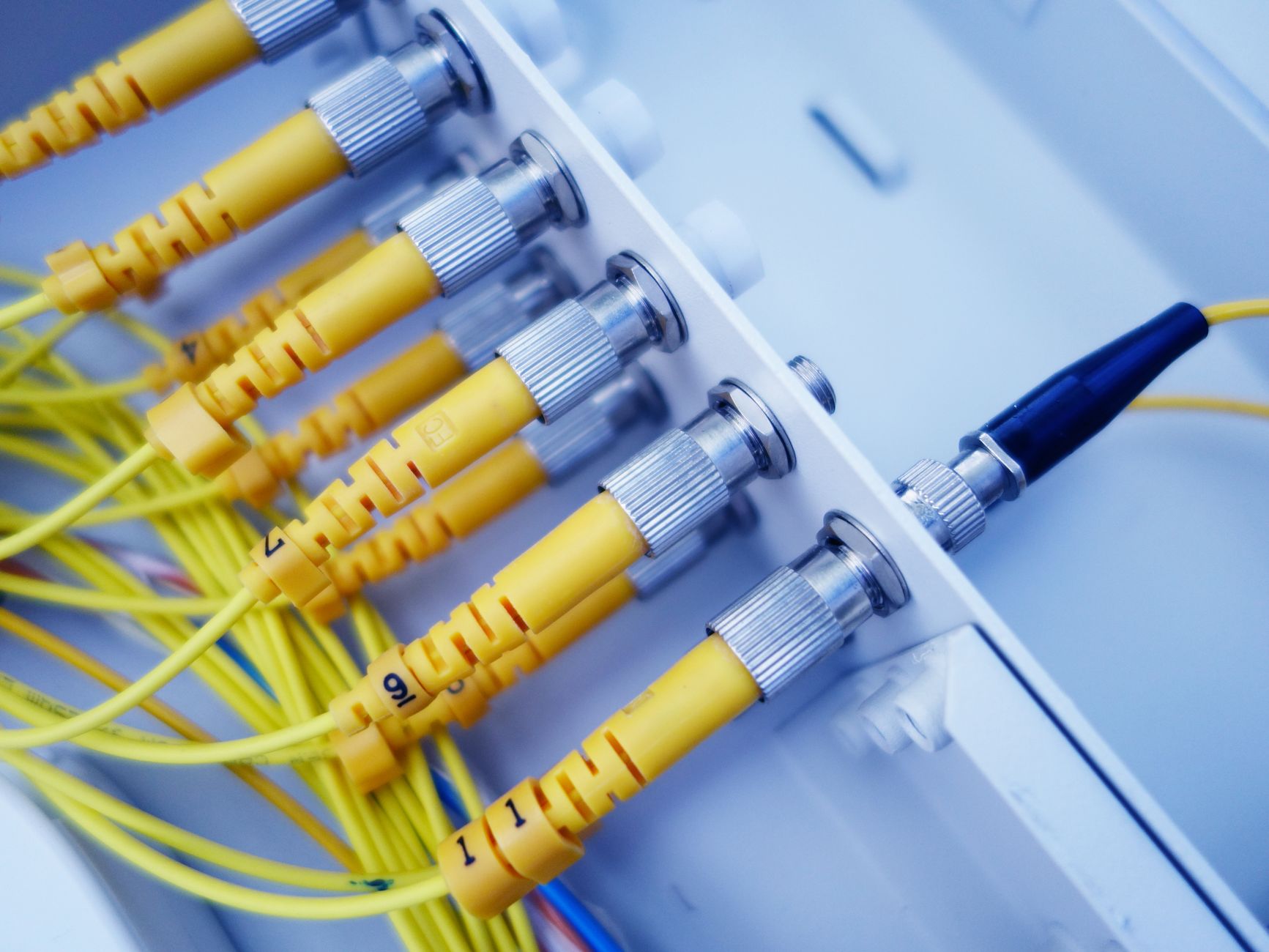
Fiber optic broadband offers the fastest speeds and most reliable connections, delivering consistent performance regardless of distance from infrastructure. Cable internet provides solid speeds suitable for most households at competitive pricing. DSL (Digital Subscriber Line) offers acceptable speeds in areas without fiber or cable availability. Satellite broadband serves remote areas but typically features higher latency and data limitations. Wireless home internet from cellular networks provides increasing competition in underserved areas. Each technology has distinct advantages and limitations depending on your location, actual usage patterns and budget constraints. Evaluate what technologies are actually available in your specific address before comparing providers.
Comparing Provider Reputability and Reliability
Provider reputation significantly influences actual service quality and customer satisfaction. Research customer reviews on independent websites, checking for patterns regarding downtime frequency, technical support responsiveness and service consistency. Some providers offer superior uptime guarantees backed by service credits, while others have notorious reliability issues. Inquire about actual network maintenance schedules and whether providers actively invest in infrastructure improvements. Speaking with neighbors about their experiences with local providers provides valuable real-world perspective that marketing materials cannot offer. Choosing providers with strong reliability records prevents expensive downtime frustration.
Understanding Data Caps and Fair Use Policies
Many broadband providers implement data caps limiting monthly usage, with overage charges applying beyond specified thresholds. Households with heavy streaming, gaming or work-related data usage need unlimited plans or exceptionally high data caps. Review terms carefully for ambiguous fair use policies that might throttle your speeds or apply hidden charges despite advertised unlimited data. Compare the total cost of service including typical overage expenses rather than focusing solely on headline monthly pricing. Some providers offer data-free usage for specific applications, effectively increasing usable data for targeted services.
Installation and Equipment Costs
Broadband service requires professional installation and equipment rental or purchase, with costs varying dramatically between providers. Some providers offer free installation and equipment, while others charge substantial setup fees. Monthly equipment rental costs accumulate significantly over service years, often making equipment purchases more economical long-term. Inquire whether purchased equipment remains compatible if you eventually switch providers, potentially justifying the initial investment. Understanding total cost of ownership including equipment expenses prevents misleading price comparisons between providers.
Contract Terms and Early Termination Penalties
Broadband contracts vary from month-to-month flexibility to multi-year commitments with early termination penalties. Longer contracts frequently offer lower monthly rates but create significant financial liability if you need to cancel early. Month-to-month plans provide flexibility but typically cost more per month. Review promotional pricing periods, understanding whether rates increase substantially after initial promotional periods expire. Calculate the true cost over your expected service duration rather than focusing on promotional rates that may not represent your actual long-term pricing.
Customer Service and Support Quality

Technical problems inevitably occur with any internet service, making responsive customer support critical. Research how each provider handles customer support, noting whether phone support is available 24/7 or limited to specific hours. Some providers offer live chat, email support or mobile apps for issue reporting and tracking. Quality support becomes invaluable when connections fail and slow or unhelpful responses create unnecessary frustration during outages. Prioritize providers known for reliable customer service rather than assuming all providers respond equally to technical issues.
Making Your Broadband Decision
Selecting the right broadband provider combines technical evaluation with practical financial consideration. Start by determining what speeds and data limits match your actual household usage patterns. Research available providers in your specific location, noting which technologies they offer and current promotional pricing. Read independent customer reviews focusing on reliability and support quality rather than marketing claims. Compare total costs including equipment fees and overage charges rather than just base monthly rates. Consider contract flexibility based on your likelihood of staying in your current home long-term. Contact providers directly with specific questions about their service commitment and guarantees. Key selection steps include
- Calculate your actual broadband speed and data requirements based on household usage patterns.
- Identify all available broadband providers serving your specific address.
- Review independent customer feedback emphasizing reliability and support experiences.
- Compare total service costs including installation, equipment and typical usage charges.
- Prioritize long-term satisfaction over short-term promotional pricing incentives.
Your broadband provider becomes a critical utility impacting work quality, entertainment enjoyment and household productivity. Taking time to evaluate providers thoroughly prevents regrettable long-term commitments to unreliable services. Choosing the right provider ensures fast, reliable internet supporting your family needs for years to come.

Sorry, the comment form is closed at this time.