
17 Jul Digital Document Management Solutions Streamlining Workflow and Organization Efficiency
Modern businesses generate overwhelming volumes of documents daily, contracts, invoices, proposals, compliance records and communications, creating chaos without effective management systems. Traditional file storage systems prove inadequate, consuming valuable physical space while making information retrieval time-consuming and error-prone. Digital document management solutions transform how organizations handle information, enabling rapid access, secure storage and streamlined workflows. PDF Agile represents modern approach to document processing, combining intelligent automation with intuitive interfaces enabling teams to manage information efficiently. Organizations implementing professional document management systems report dramatic productivity improvements, reduced storage costs and enhanced compliance. Discover how document management solutions from PDF Agile revolutionize information handling, transforming administrative burden into competitive advantage.
Understanding Document Management System Fundamentals
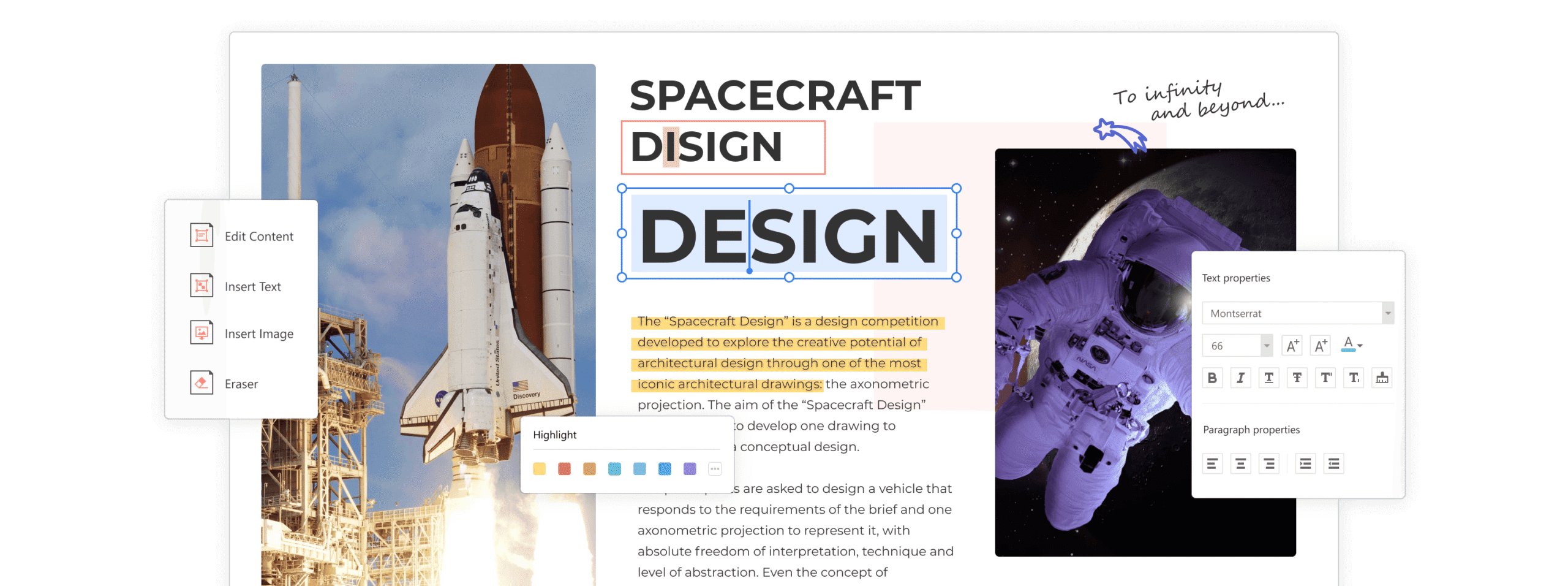
Document management systems digitize, organize and manage information throughout its lifecycle, from creation and approval through archival or destruction. These platforms centralize information storage replacing scattered files across email, local drives and physical cabinets. Centralization enables rapid retrieval, version control tracking document evolution and audit trails documenting who accessed information and when. Metadata tagging, assigning searchable attributes to documents, transforms information discovery from time-consuming file browsing to instant search. Workflow automation routes documents requiring approval to appropriate stakeholders, eliminating manual routing delays. Access controls restrict sensitive information to authorized personnel, maintaining security without excessive complexity. Modern document management platforms integrate with existing business applications, creating seamless information ecosystems.
PDF Processing and Automation Capabilities

PDFs represent universal document format, portable, secure and visually consistent across devices and operating systems. Professional PDF management tools extend basic PDF viewing to sophisticated processing capabilities. Batch conversion transforms multiple documents simultaneously, converting Word files to PDFs, images to searchable documents, maintaining formatting consistency. Extraction features pull specific information from documents, invoice numbers from hundreds of PDFs, enabling automated data entry into accounting systems. Annotation tools enable collaboration without altering original documents, adding comments, highlighting critical sections and tracking changes. Digital signatures provide authentication and tamper-evident sealing, replacing physical signatures for legal and compliance purposes. Compression reduces file sizes dramatically without visible quality loss, enabling rapid transmission and efficient storage. PDF Agile tools empower organizations maximizing PDF capabilities.
Workflow Automation Reducing Manual Processes
Organizations waste countless hours on repetitive document handling, printing, filing, routing for signatures, email forwarding and re-entering information into systems. Workflow automation eliminates these manual steps, routing documents automatically based on predefined rules. Invoice approval workflows route documents to appropriate approvers based on amount, department or vendor. Contract routing ensures documents pass legal review before final execution. Compliance document workflows guarantee proper retention and destruction schedules. Automated notifications alert stakeholders when their attention is required, preventing documents sitting overlooked in inboxes. Escalation rules elevate overdue items to management, ensuring timely completion. Automation reduces processing time from days to hours, freeing employees for high-value work.
Search and Retrieval Speed Unlocking Information Value
Traditional document storage makes information discovery painfully slow, searching through file cabinets, email archives or cloud folders hoping to find relevant documents. Modern search engines make retrieval instantaneous, locating documents matching specific criteria within seconds. Full-text search finds information within document content, not just filenames. Boolean operators enable complex queries, finding contracts mentioning specific vendors within certain date ranges. Metadata-based filtering, searching by document type, date range or other attributes, narrows results logically. Save frequently used searches, automating routine information gathering. Instant retrieval reduces time spent searching, enabling employees accessing information when needed without frustrating delays. Organizations frequently discover valuable information was always available, just inaccessible.
Security and Compliance Information Protection
Regulatory requirements demand secure document handling, healthcare HIPAA standards, financial SOX compliance, tax record retention laws, GDPR privacy protections. Document management systems enforce compliance automatically through controlled access, audit trails and automated retention policies. Encryption protects sensitive information during transmission and storage. Access controls restrict information viewing to authorized personnel, financial information limited to finance staff, medical records restricted to healthcare providers. Audit logs document every document access, who viewed it, when and what actions they took. Version control tracks document evolution, identifying who made specific changes. Automated retention policies delete documents meeting destruction criteria, preventing accidental retention of information destined for deletion. Compliance becomes built-in rather than constantly monitored. PDF Agile
Integration with Business Applications and Systems
Standalone document management creates information silos, documents isolated from operational systems where decisions occur. Modern platforms integrate seamlessly with existing business applications. CRM integration associates documents with customer records, proposals, contracts and communications organized by customer. Accounting system integration links invoices and purchase orders with financial records. Email integration captures messages and attachments automatically into document systems, preventing important information scattered across inbox folders. HR system integration manages employee documents, applications, evaluations, compliance documentation. These integrations eliminate redundant data entry, capturing information once and leveraging across systems. Integrated information ecosystems enable fact-based decision-making leveraging complete information. PDF Agile
Cost Savings and Efficiency Gains Quantifiable Benefits
Organizations implementing document management systems report substantial financial benefits. Reduced physical storage needs, eliminating file cabinets, records rooms and storage facility leases. Labor cost reductions from eliminating time searching for documents and manually routing information. Accelerated decision-making from rapid information access enabling faster approvals. Reduced compliance risks and regulatory penalties from automated compliance enforcement. Improved customer response time from instant document access enabling rapid decision-making. Productivity gains from employees spending time on strategic work rather than administrative tasks. Many organizations achieve ROI within months from efficiency gains alone. Hidden benefits include improved employee satisfaction from eliminating frustrating inefficient processes.
Selecting and Implementing Document Management Solutions
Successful document management implementation begins with honest assessment of current processes, identifying bottlenecks causing delays and costs. Involve stakeholders across departments understanding their document handling needs. Evaluate solutions based on specific requirements rather than generic feature lists. Start with pilot implementation in single department, refining processes before organization-wide deployment. Invest in user training, adoption determines success more than software sophistication. Define governance policies clarifying naming conventions, retention requirements and access controls. Plan phased migration from legacy systems, prioritizing highest-volume or highest-risk documents. Success requires sustained commitment from both information technology supporting systems and business users operating them daily.
Transform your document management with intelligent solutions from PDF Agile, where automation meets organization
- Centralize document storage eliminating scattered files across multiple locations and systems.
- Automate workflows routing documents efficiently through approval processes.
- Enable instant document retrieval through powerful search capabilities and metadata organization.
- Enforce compliance automatically through access controls, encryption and audit trails.
- Integrate with existing business systems creating seamless information ecosystems.

Sorry, the comment form is closed at this time.