
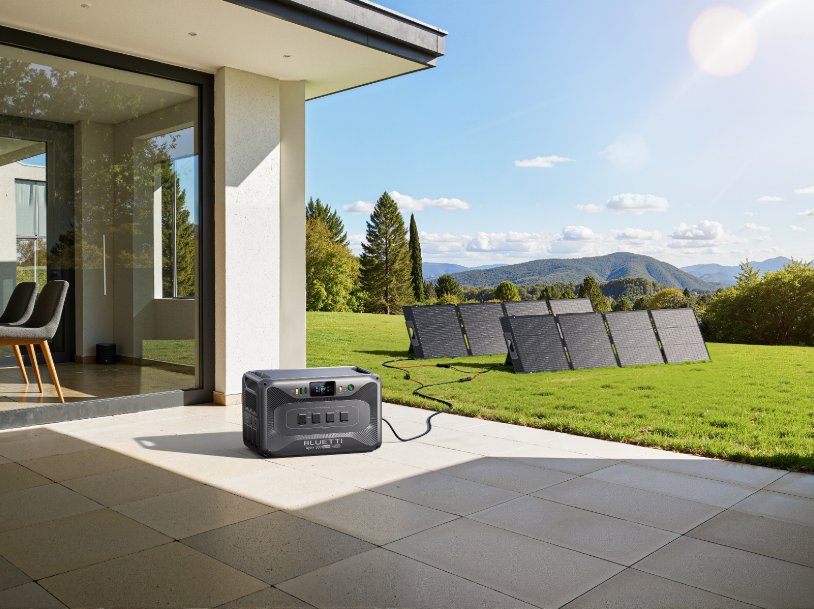
14 Sep How to Size a Portable Power Station for Home Backup and Mobile Use
Start With the Devices That Matter Most
A portable power station becomes useful when its capacity and output are matched to real equipment rather than chosen from a headline number. A household preparing for outages may care most about refrigeration, lighting, communications and a few small appliances. A camper may need phones, a portable fridge, cameras and cooking equipment. Someone working remotely may prioritise a laptop, monitor and network hardware. The first task is therefore to list the devices that genuinely need electricity and separate essential loads from optional ones.
Power requirements are expressed in watts while battery capacity is commonly described in watt-hours. Those figures answer different questions. Output tells the buyer whether a station can run a device at all. Capacity gives a rough sense of how long stored energy may last. Appliances with compressors, heating elements or motors can also draw more power when they start, so the user should check both normal consumption and surge requirements before relying on a station during an outage.
Shoppers comparing portable systems can review BLUETTIUS after calculating the combined demand of the equipment they plan to run. The brand currently offers compact units for lighter loads as well as larger LiFePO4 systems intended for home backup, RV use and extended off-grid power. That range makes capacity planning more important because a unit that is ideal for charging electronics may not be suitable for a refrigerator, microwave or multiple appliances operating together.
Runtime should always be treated as an estimate rather than a promise. Conversion losses, temperature, battery age and the behaviour of the connected device can all affect the result. A practical plan therefore leaves a margin instead of selecting a station whose theoretical capacity only just covers the expected need. That extra room can be valuable when an outage lasts longer than expected or when an additional essential device must be connected.
Match Charging Options to the Way the Station Will Be Used
Recharge method can be as important as stored capacity. AC charging is straightforward when grid power is available. Vehicle charging can support road trips and mobile work. Solar input becomes useful when the station is expected to operate away from fixed power for longer periods. The buyer should confirm connector compatibility, supported voltage and maximum input rather than assuming every solar panel or car accessory works with every model.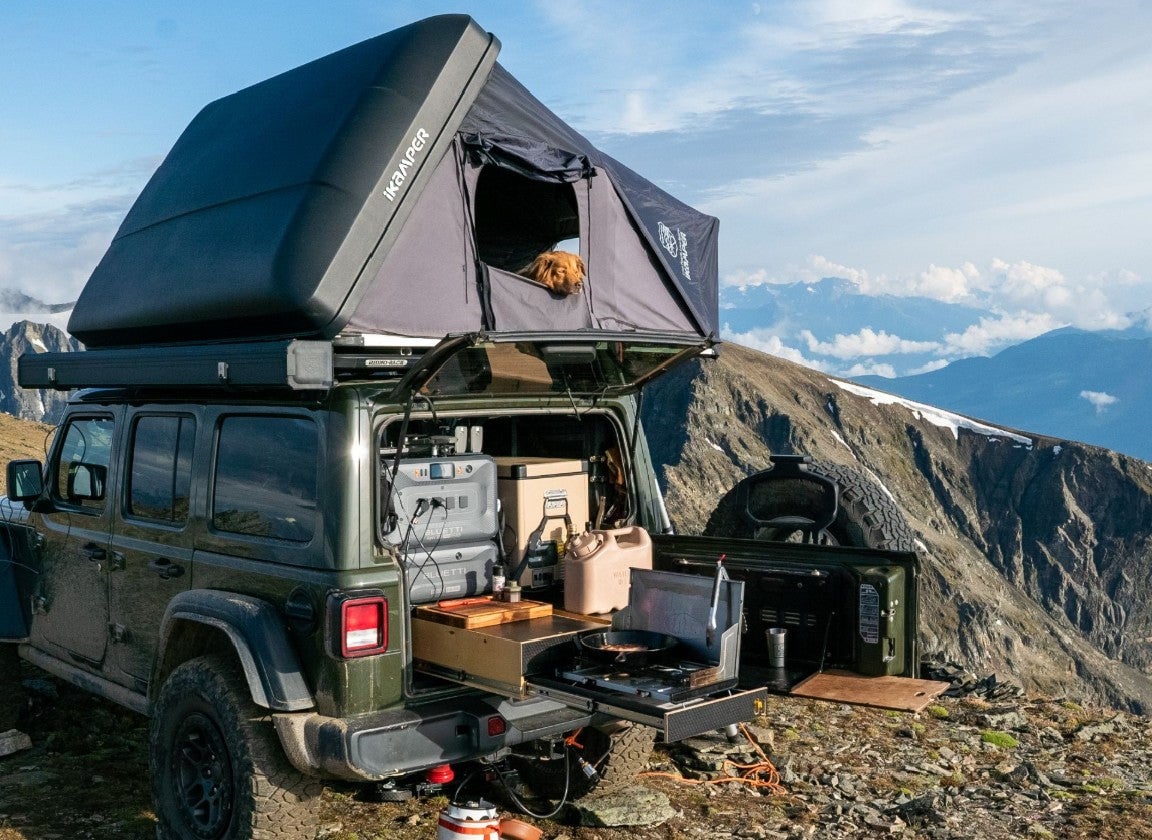
A household considering BLUETTI US can compare models according to the balance between portability and recharge flexibility. Smaller stations are easier to move between rooms, vehicles and campsites. Larger systems may offer more outlets, greater output and expansion options but require more planning for storage and transport. Weight should be considered before the unit arrives because a power station that is technically portable may still be awkward for one person to lift repeatedly.
Battery chemistry also matters. Many current models use LiFePO4 cells, which are widely chosen for cycle life and thermal stability. That does not remove the need for careful handling. The station should remain dry, well ventilated and protected from extreme heat. Charging cables should be inspected and damaged accessories should not be used. Manufacturer guidance should determine storage charge, operating temperature and maintenance.
Checks Before Building a Backup Setup
A short planning list keeps the purchase tied to real household or travel needs.
- The total running wattage should remain below the station’s rated output.
- High-surge appliances should be checked against the model’s peak capability.
- A shopper can compare BLUETTI US models by capacity, weight and supported charging methods.
- Solar panels and vehicle chargers should match the input limits of the selected station.
- Essential devices should be tested before an emergency rather than for the first time during one.
Use the System as Part of a Wider Preparedness Plan
A power station should be positioned where outlets are accessible without creating trip hazards. Extension cords need suitable ratings and should not be routed through wet areas or pinched beneath doors. Devices with high heat output require extra attention. Indoor battery stations avoid the exhaust problem of combustion generators, but they still need open airflow and sensible placement.
People using BLUETTI US for outage preparation can create a simple priority order. Refrigeration and medical or communication equipment may come first, followed by lighting and comfort devices. Running everything at once can drain the battery faster than expected. Staggering loads often extends useful runtime without changing the hardware.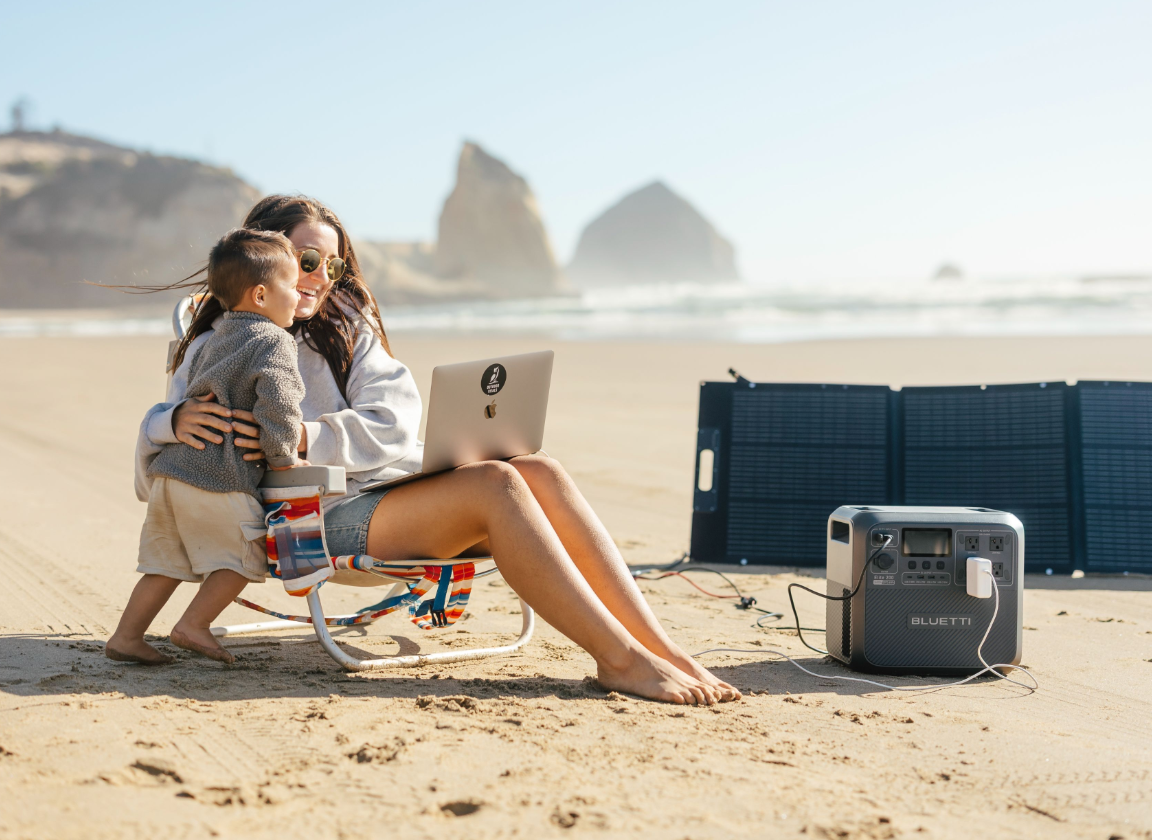
The station should be charged and checked periodically. Firmware, app settings and cables are easier to address during normal conditions than during a blackout. Solar panels should be stored where they remain clean and undamaged. If the system includes expansion batteries, every connection should follow the manufacturer’s instructions.
A well-sized station is not simply the biggest unit available. It is the model that can safely run the planned equipment, recharge through realistic sources and remain manageable in the home or vehicle. Buyers who have calculated their requirements can explore BLUETTI US with a clearer understanding of the capacity and output that fit their routine.

Sorry, the comment form is closed at this time.