
14 Sep Building a First Aid Kit Around Real Emergencies Rather Than Extra Gear
Start With the Situations the Kit Must Cover
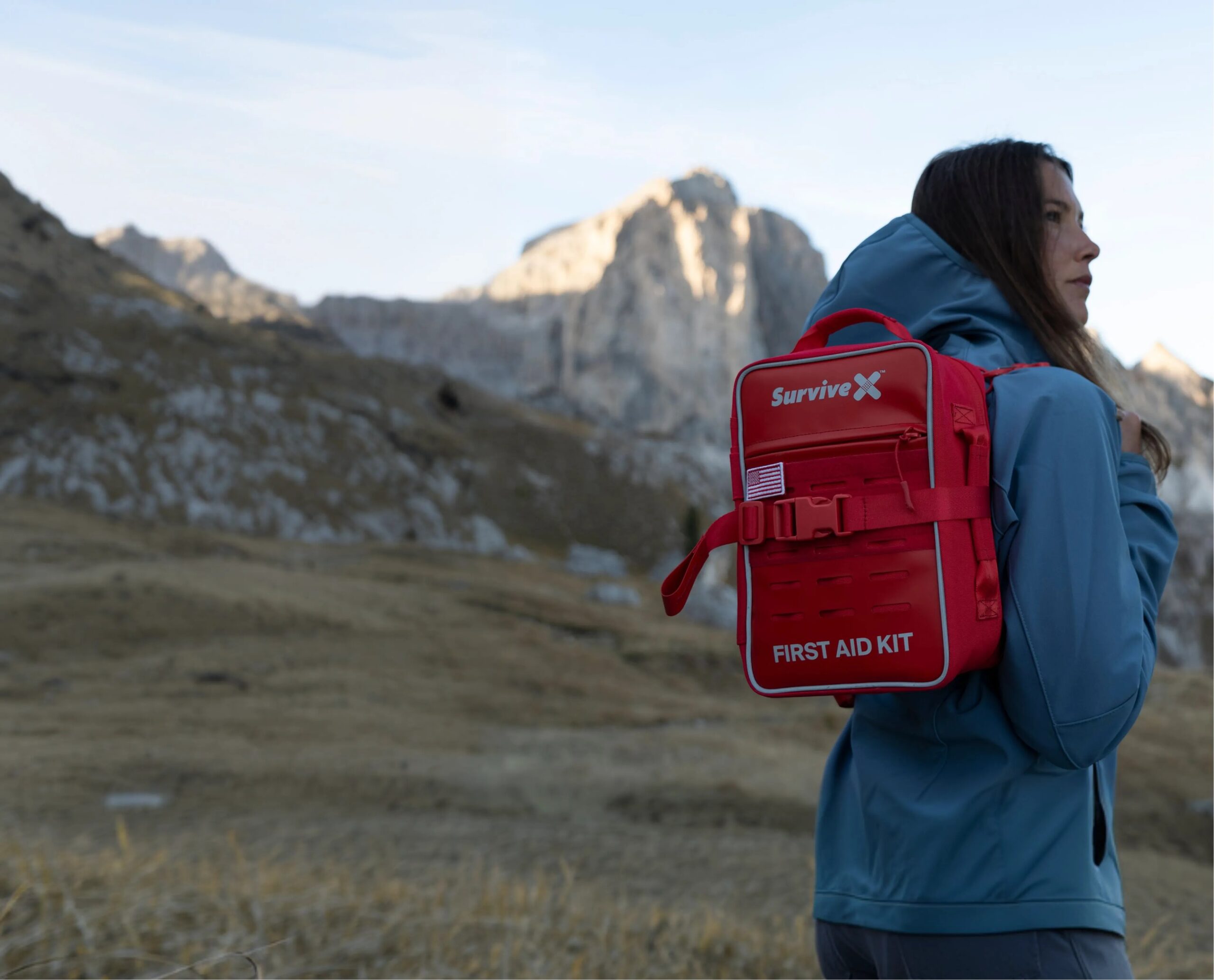
A first aid kit is most useful when its contents match the setting. A home kit may need supplies for cuts, burns, minor sprains and everyday illness. A vehicle kit should account for travel, weather exposure and the possibility of helping before emergency services arrive. Outdoor groups may need additional wound care, blister treatment and protection from environmental conditions.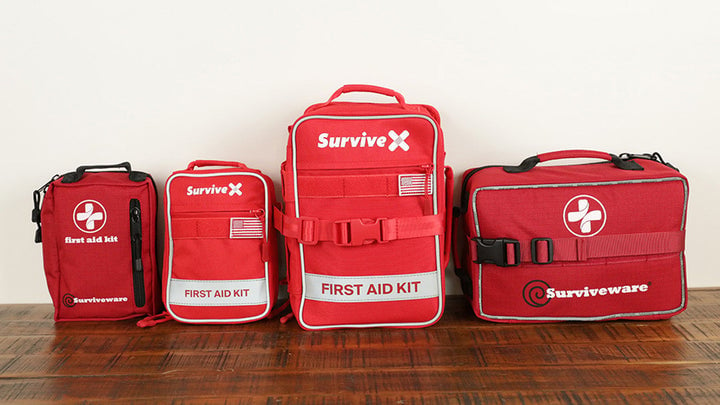
The purpose is not to prepare for every imaginable disaster. Overfilled kits become harder to search when something actually happens. Core supplies should be organised so gloves, dressings, gauze, tape and basic tools are easy to reach. More advanced equipment belongs only with people trained and legally permitted to use it.
Households and outdoor users can explore SurviveX US for organised first aid kits that use labelled compartments and include options ranging from general kits to larger professional-style sets. A preassembled kit can save time, but the buyer should still inspect the contents and understand what each item is for before relying on it.
First aid equipment does not replace emergency care. Severe bleeding, chest pain, difficulty breathing, major burns, serious head injury or loss of consciousness require appropriate emergency services. The kit supports immediate action while help is arranged. Training is often more valuable than adding another unfamiliar tool.
Organise Supplies So They Can Be Found Quickly
Clear compartments reduce the time spent searching. Wound-cleaning supplies should be separate from dressings. Gloves should be near the top because they may be needed before touching blood or body fluids. Scissors, tape and emergency blankets should have fixed locations so another person can find them when given instructions.
Someone reviewing Survive X US can compare kit size by group size and intended environment rather than simply choosing the largest case. A compact vehicle kit may need to fit in a door pocket or boot compartment. A family camping kit can be larger but still needs to remain portable. Weight matters when supplies must be carried on foot.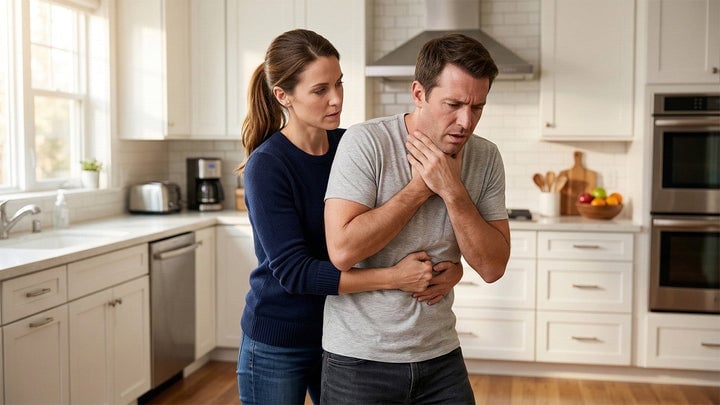
Medication requires additional care. Over-the-counter products should remain clearly labelled, within date and appropriate for the people who may use them. Prescription medicines should not be shared. Anyone with allergies or medical conditions may need a separate personal plan created with a healthcare professional.
A written inventory can make restocking easier. The owner can record quantities and expiry dates for frequently used items such as gloves, gauze and adhesive dressings. This is especially helpful for kits shared between several family members or vehicles. A simple list prevents the kit from appearing complete when several key items have already been used and makes it easier to restore readiness after a minor incident.
Checks That Keep a First Aid Kit Ready
A few routine checks make the kit more useful when an incident occurs.
- Gloves, dressings and sterile items should remain sealed and within their expiry dates.
- The owner should know how to use every item that may be needed quickly.
- A household can review Survive X US while matching kit size to home, vehicle or outdoor use.
- Emergency phone numbers and relevant medical information should be easy to access.
- Used or expired supplies should be replaced immediately rather than left for the next inspection.
Combine Equipment With Training and Regular Review
A kit becomes far more effective when at least one person knows basic first aid and CPR. Formal training teaches how to assess danger, contact emergency services and prioritise life-threatening problems. It also helps users understand when not to move an injured person or attempt a procedure beyond their training.
Owners of Survive X US kits can schedule a simple review every few months and after each significant use. Adhesives can degrade, packaging can tear and batteries in lights may discharge. Vehicle kits experience heat and cold that may shorten the life of certain products.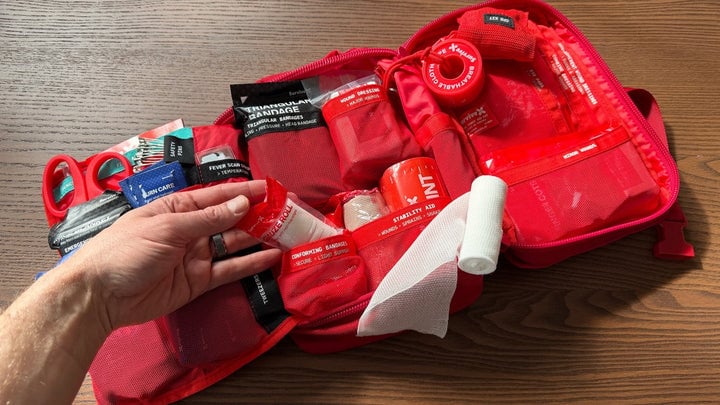
Location matters. A home kit should be accessible to responsible adults but protected from young children. Vehicle kits should be secured so the case does not become a projectile during hard braking. Outdoor users should protect supplies from water while keeping the most important items reachable without unpacking an entire bag.
The kit should also reflect the people most likely to need it. Families with young children may want age-appropriate thermometers, dressings and contact information while hikers may prioritise blister care and compact emergency shelter. People with significant allergies, diabetes or other medical needs should maintain their own clinician-approved supplies rather than assuming a general first aid kit covers those conditions. Personal medical information should be stored carefully so it is available to responders without being exposed unnecessarily during ordinary use.
Preparedness is strongest when equipment, knowledge and realistic planning work together. People who have identified their likely situations can explore Survive X US and choose a kit that is organised enough to support a calm response without filling it with tools they do not know how to use.

Sorry, the comment form is closed at this time.