
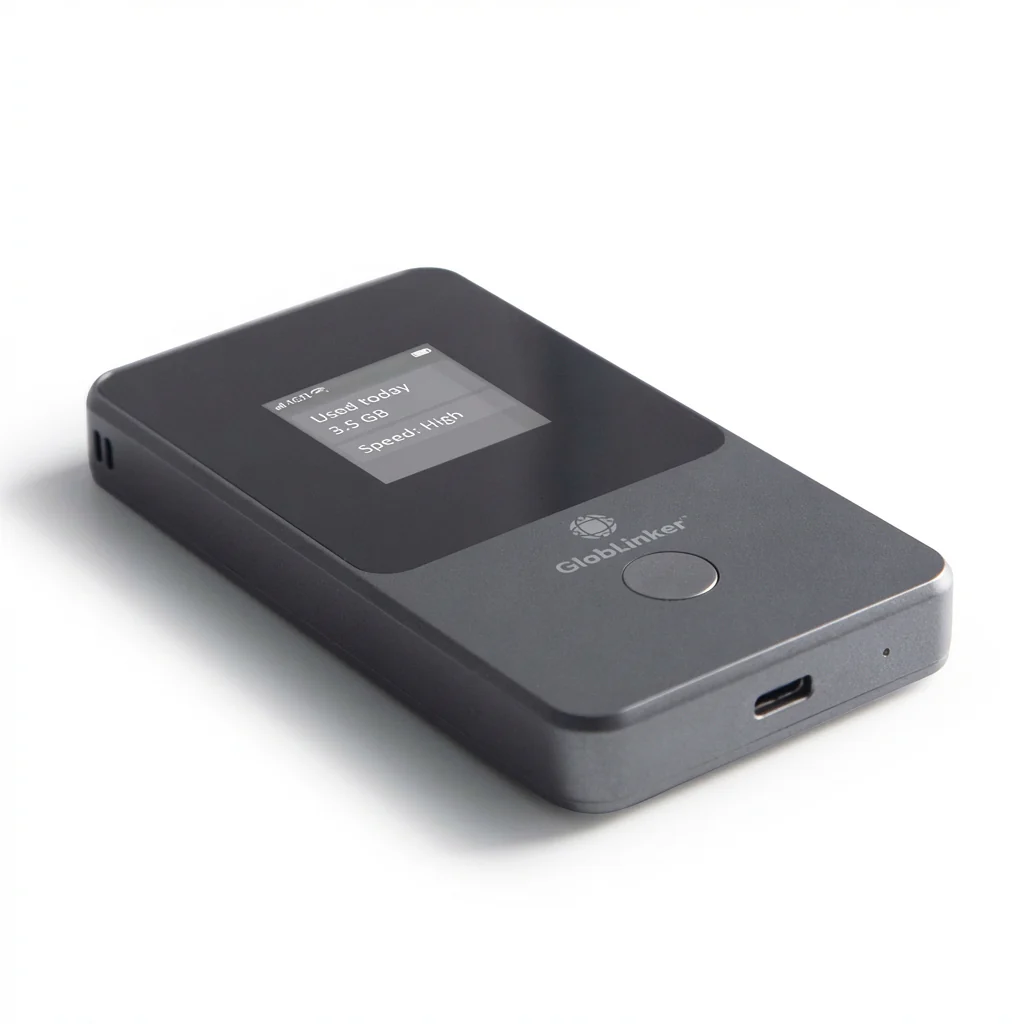
14 Sep Why GlobLinker Makes More Sense for People Who Travel Often
People who travel once or twice a year can usually tolerate a few internet headaches. You connect to the airport WiFi, use the hotel network, buy a local SIM if necessary, and deal with the occasional dead zone.
Travel frequently, though, and those little inconveniences start becoming surprisingly irritating.
Every new destination brings another WiFi password, another data plan to figure out, or another moment spent wondering whether turning on roaming is going to produce an unpleasant bill later. For business travelers, digital nomads, and anyone regularly moving between cities or countries, reliable internet becomes less of a travel perk and more of something you simply expect to have.
That is the situation where GlobLinker starts to make sense.
Frequent Travel Changes What You Need From Internet Access
There is nothing wrong with buying a local SIM for a two-week holiday. It can be inexpensive and perfectly practical.
The calculation changes when you are constantly travelling.
You may need internet at the airport before departure, immediately after landing, during a train journey, at the hotel, and later while sitting in a café. If work is involved, your laptop and tablet probably need a connection too.
A portable WiFi hotspot removes some of that dependence on whatever network happens to be available around you.
GlobLinker uses CloudSIM technology rather than requiring a physical SIM card. It automatically searches for available mobile networks and connects to a suitable signal. The device is designed to work across the US and more than 130 countries, which makes it particularly relevant for people whose travel calendar rarely involves just one place.
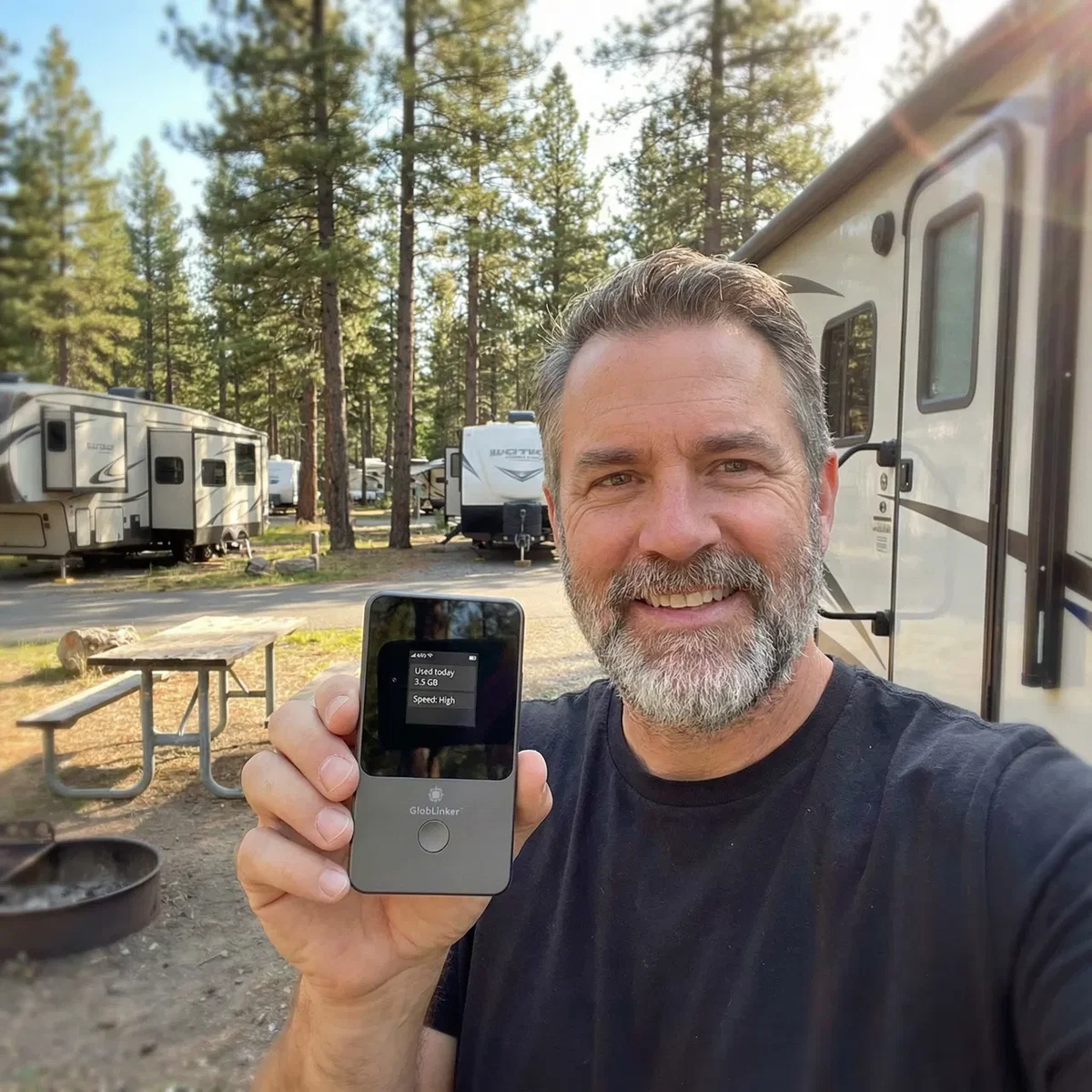
Think About a Typical Travel Day
Imagine you are flying from the US to Europe for work.
Before the flight, you need to answer emails and download a few documents. After landing, you need directions to your hotel. Later that afternoon, there is a video call you cannot miss. In the evening, you want to stream something or catch up with family.
None of these activities is unusual. The annoying part is relying on several different internet connections to do them.
Airport WiFi might be crowded. Your hotel connection might be excellent, or your room might happen to be at the far end of the corridor where the signal barely reaches. Mobile roaming works, but costs and allowances depend heavily on your existing plan.
With GlobLinker, you carry the same travel WiFi device from one part of the trip to the next. There is no need to swap physical SIM cards when crossing into another supported country.
That consistency is probably more valuable to a frequent traveler than any individual feature.
Your Phone Doesn’t Have to Do Everything
Phone hotspots are incredibly useful, especially in emergencies. They are less appealing when you depend on one for hours at a time.
Tethering a laptop while attending calls, uploading files, navigating and using your phone normally can eat into both your mobile data and battery.
A separate mobile hotspot divides those jobs more sensibly. Your phone remains your phone, while the portable router handles internet access for your other devices.
This becomes even more useful when travelling with someone else. The current GlobLinker product listing says one device can connect up to eight devices simultaneously and provide up to 15 hours of continuous use.
A couple travelling together could therefore connect their phones, laptops and tablets to the same personal WiFi connection rather than arranging separate solutions for each device.

No Monthly Subscription Is a Big Part of the Appeal
Frequent travelers already collect enough recurring expenses.
What makes GlobLinker’s approach interesting is that the device does not require a conventional monthly subscription or long-term contract. The company offers prepaid data that you can purchase when you need additional usage. Its current offer also includes starter data and a monthly free data allowance, with unused monthly data accumulating rather than expiring.
That arrangement suits irregular travel particularly well.
Maybe you spend three weeks travelling heavily for work, then remain home for the next two months. Paying for another monthly service during that quiet period would feel wasteful. Prepaid data gives you more control over when you actually spend money on connectivity.
The Real Benefit Is Having a Plan B
No portable WiFi device can promise perfect reception everywhere. Mobile connectivity still depends on network coverage in your location, so it is sensible to think of a hotspot as another connectivity option rather than some magical replacement for every internet connection.
And that is really why GlobLinker feels better suited to frequent travelers than occasional holidaymakers.
When you travel regularly, you stop wanting to solve the same small problems on every trip. You want things that can stay packed, work across different destinations and require as little fiddling as possible.
A passport lives in the travel bag. A power bank probably does too. For someone who needs reliable internet wherever the next flight takes them, portable WiFi can easily earn a place alongside both.

Sorry, the comment form is closed at this time.