
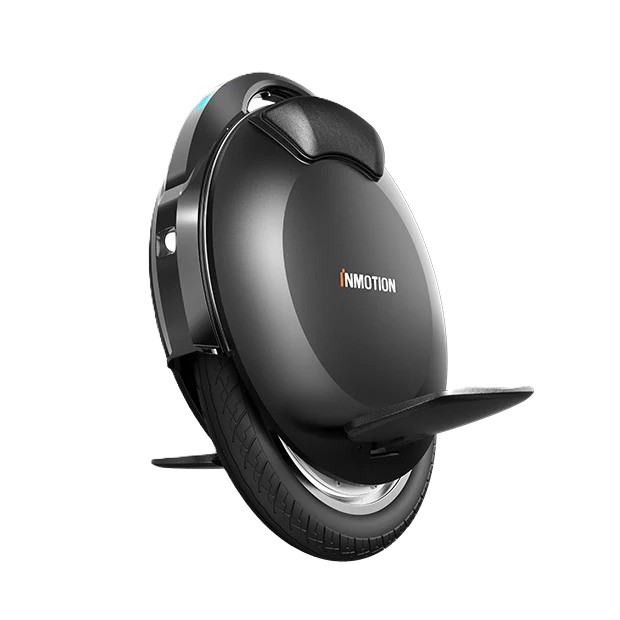
15 Sep How to Prepare for Electric Unicycle Ownership Beyond the First Ride
An electric unicycle can be compact and capable, but ownership involves more than learning to move forward. Protective equipment, legal use, charging, tire care and controlled practice all matter before the vehicle becomes part of regular travel. Inmotion offers electric unicycles across beginner, commuter and higher-performance categories, so a responsible choice starts with the rider’s skill, environment and ability to maintain the machine.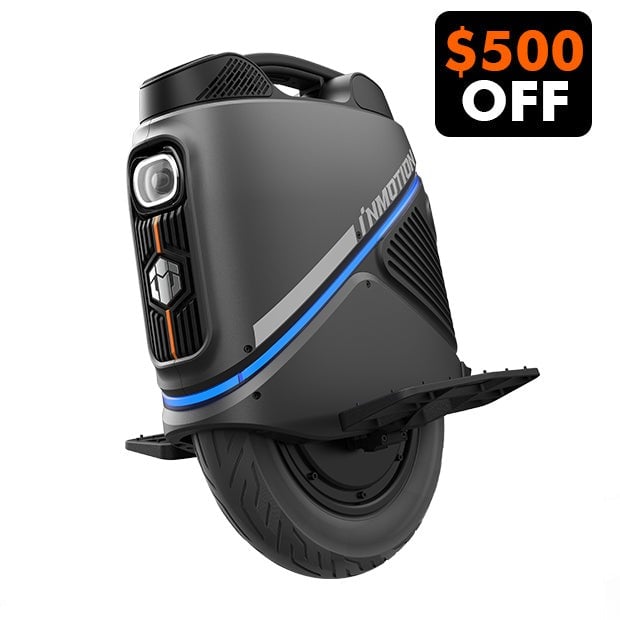
Learn in a Controlled Environment Before Planning Journeys
A new rider needs space where low-speed practice is permitted and where other people will not be placed at risk. Mounting, stepping off, turning and controlled braking should become familiar before distance or speed is added. A wall or rail may help at the earliest stage, but the rider should avoid practicing next to traffic, steep drops or crowded paths.
Different models can feel very different because wheel size, weight, pedal height and power delivery affect handling. The current range includes models positioned from easier-to-learn options through advanced machines. A rider comparing Inmotion should resist choosing only by top speed or motor capability. A heavier machine may be harder to carry upstairs or control at walking pace even when its specifications look impressive.
Protective equipment should be treated as standard riding gear. A suitable helmet, wrist protection, knee protection and other impact protection can reduce injury risk. Clothing should not hang where it can catch around the wheel or pedals.
Treat Battery and Tire Care as Part of Riding
Battery condition changes how dependable an electric unicycle feels. The correct charger should be used, and charging should take place on a stable dry surface away from combustible clutter. The rider should not use a damaged pack, swollen casing or cable that shows overheating. Modification to increase performance can compromise systems that were designed to work together.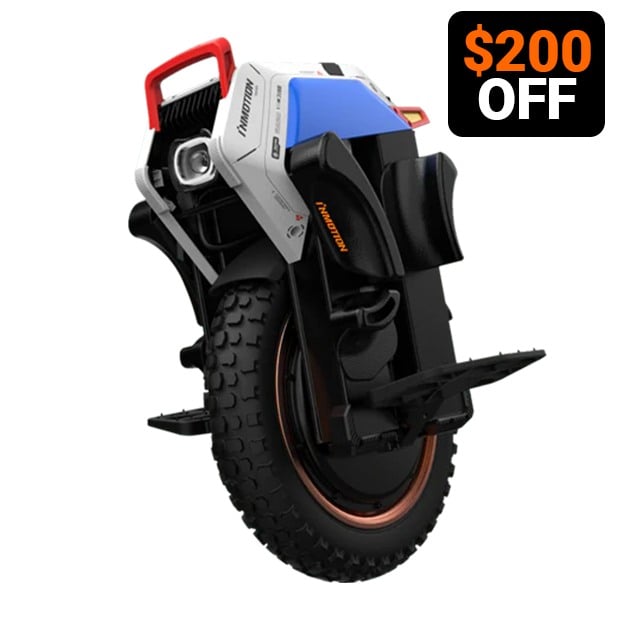
Tire pressure has a direct effect on control, comfort and rim protection. Pressure should follow model guidance and be adjusted with an accurate gauge rather than by squeezing the tire. Low pressure can increase the risk of rim damage, while unsuitable pressure can change grip and steering feel. Someone riding Inmotion equipment should also inspect pedals, fasteners and the tire surface before longer journeys.
Weather deserves respect. Wet leaves, painted road markings and loose gravel can reduce grip. Water resistance ratings do not mean that deep water or high-pressure washing is harmless. A rider should avoid conditions that exceed personal ability or the product guidance.
Checks Before Every Electric Unicycle Ride
- The rider should confirm that the intended route is legal for the vehicle in that location.
- A Inmotion unicycle should show no tire, pedal, casing or battery damage before use.
- Protective equipment should fit properly and remain fastened throughout the ride.
- Battery charge should leave a sensible margin rather than only covering the theoretical route distance.
- The rider should have a safe plan for stopping, carrying and storing the vehicle at the destination.
Build Skill Gradually and Keep an Exit Plan
Range and speed claims are not promises for every ride. Rider weight, hills, temperature, wind, acceleration and tire pressure can reduce achievable distance. A user should plan around a comfortable reserve and know how to reach a safe stopping point if conditions change. Public transport rules should also be checked before assuming the vehicle can be taken onto a train or bus.
Skill should progress in stages. Quiet practice, short familiar routes and moderate speeds allow the rider to learn how the machine behaves without stacking several new challenges at once. Fatigue matters because small balance corrections become less reliable when concentration drops. A rider who feels tense or tired should shorten the session rather than trying to meet a distance goal.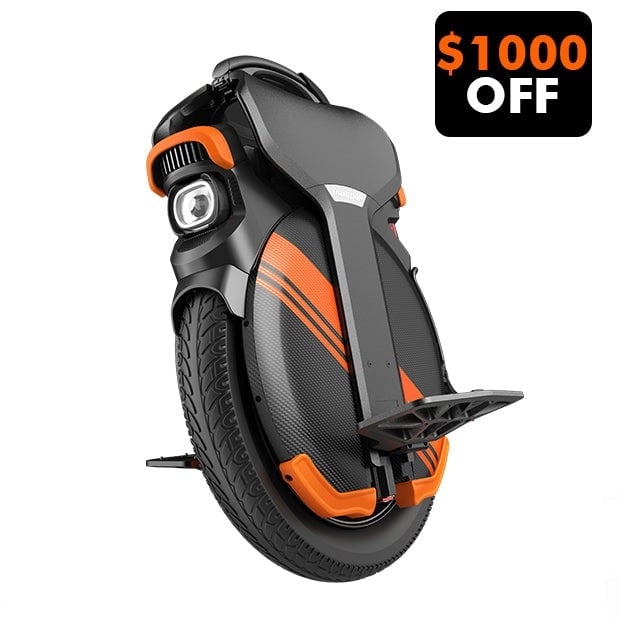
Electric unicycles reward preparation. The machine may be compact, but the responsibilities around maintenance and safe use remain significant. A rider who studies local rules, practices deliberately and maintains Inmotion equipment carefully is better positioned to make the vehicle useful without treating performance specifications as a substitute for judgement.
Transport and storage at the destination should be planned before the ride begins. A heavy unicycle can be awkward on stairs, and some buildings may restrict battery-powered mobility devices. Knowing where the machine can be stored securely prevents the final part of the journey from becoming the most difficult.
The rider should also plan how routine servicing will happen before relying on the unicycle for essential journeys. Tires eventually wear, pedals can loosen and electronic systems may need diagnosis that is beyond ordinary home maintenance. Access to suitable parts and knowledgeable support can therefore matter as much as the original specification. A user who depends on the vehicle for commuting should have another transport option available when inspection or repair is needed. Carrying tools without understanding the correct procedure can create new problems, so work beyond basic checks should follow official guidance or qualified service support. The owner can also record tire pressure, unusual noises and maintenance dates. Small notes make gradual changes easier to notice and give a technician clearer information if the machine later develops a problem that is difficult to reproduce.

Sorry, the comment form is closed at this time.