
15 Sep How to Adjust a Skincare Routine When Weather and Indoor Climate Change
Skin can feel very different when outdoor temperature, humidity and indoor heating change. A routine that feels comfortable in warm weather may become too light in a dry environment, while rich layers that worked in winter can feel heavy later. Nourish London offers cleansers, mists, serums, oils, moisturisers and exfoliating products, so seasonal adjustment can happen by changing one step at a time rather than rebuilding the entire routine.
Keep the Core Routine Stable Before Adding More Products
The person should first identify which step has stopped feeling comfortable. Tightness immediately after cleansing may point to the cleanser or water temperature. Dryness later in the day may suggest that hydration or moisturiser needs adjustment. Increased shine can come from heavier products, warmer weather or changes in activity rather than a sudden need for aggressive cleansing.
A stable core makes those changes easier to understand. Cleanser, moisturiser and daytime sun protection can remain consistent while one supportive step is adjusted. Someone exploring Nourish London can compare a hydrating essence, peptide serum or facial oil when the skin needs more comfort without replacing everything at once.
Skin conditions and persistent irritation need professional guidance. Redness, pain, unexplained rash or ongoing breakouts should not be managed by repeatedly adding active ingredients. A cosmetic routine can support comfort but cannot diagnose a medical cause.
Change Texture and Frequency Before Increasing Complexity
A richer moisturiser may be enough when heating or cold air increases dryness. Some people may prefer a light serum beneath their existing cream, while others may add a small amount of facial oil at night. The best option depends on how the skin feels after several days, not on a fixed seasonal rule.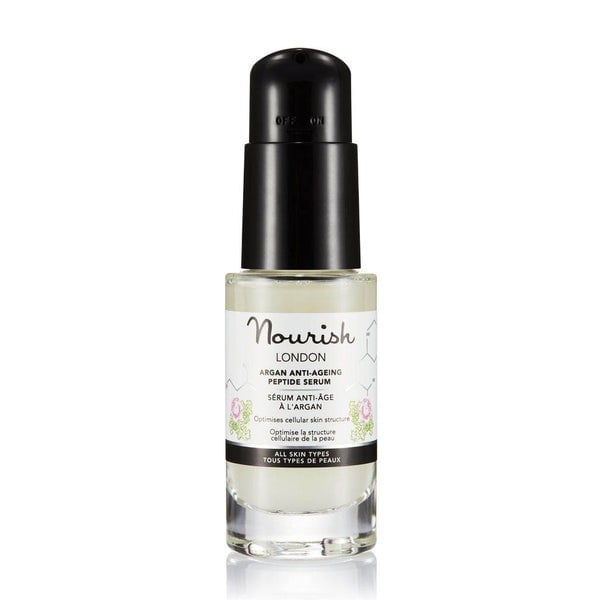
Exfoliation often needs the opposite approach. When the skin becomes dry or sensitive, increasing exfoliation can worsen discomfort. The range includes products such as the Kale Enzymatic Exfoliator alongside gentler cleansing and hydrating options. A person using Nourish London should reduce frequency when the skin feels reactive instead of assuming that rough texture always needs stronger treatment.
Indoor environments also matter. Office air conditioning, heating and frequent travel can create repeated shifts in humidity. A mist or essence may feel useful for some routines, but it should complement rather than replace a proper moisturising step.
Checks Before Making a Seasonal Skincare Change
- Only one or two steps should change at a time so the skin response remains easy to interpret.
- A person can review Nourish London by routine function rather than adding products simply because the season changed.
- Tightness, stinging and persistent redness should be treated as signs to simplify rather than intensify the routine.
- Daytime sun protection remains relevant even when temperatures are cooler.
- New products should be patch tested when ingredients or fragrance may be unfamiliar.
Review the Routine After Several Weeks Rather Than Several Hours
A single cold day or humid afternoon does not always justify a new routine. The person should look for patterns across several days and consider other changes such as medication, stress, travel or new laundry products. This prevents seasonal skincare from becoming constant experimentation.
Travel sizes can be useful when someone wants to test texture before buying a full product. They can also help maintain familiar steps during trips without carrying large containers. The person should still avoid introducing several unfamiliar formulas while away because irritation is harder to troubleshoot outside the normal routine.
Seasonal skincare should feel like adjustment, not replacement. The core principles remain the same throughout the year, including gentle cleansing, suitable hydration and protection. By using Nourish London to fine-tune texture and support rather than continually expanding the number of steps, a person can keep the routine responsive without making it complicated.
Hands, lips and exposed areas may also need different seasonal support from the face. The person should avoid assuming that every dry area needs the same formula. Products designed for one area should be used according to their intended purpose and tolerance.
Seasonal changes are also a useful time to review product amounts. A moisturiser that feels too heavy may work perfectly when used in a smaller quantity, while a serum that seems insufficient may perform better beneath a more protective cream. Application order and waiting time can affect how layers sit under makeup or sunscreen, so the person should test the full morning routine rather than judging one product alone. Cleansing habits may need adjustment after changes in sunscreen, makeup or outdoor activity as well. The aim is to keep skin comfortable without turning every environmental change into a reason for a new purchase. A written note of what changed and how the skin responded can be surprisingly useful, especially for someone who tends to introduce several products at once and later struggles to identify which change improved or worsened comfort.

Sorry, the comment form is closed at this time.