
15 Sep Home Dehumidification Solutions Complete Guide to Indoor Air Quality
Excessive moisture creates an inhospitable environment where mold thrives, allergens proliferate and structural integrity deteriorates. Alorair the dry air Home dehumidification solutions address moisture problems at their source, restoring comfortable humidity levels that support both health and home preservation. Understanding your dehumidification needs enables you to select equipment that effectively manages moisture while operating efficiently and quietly.
Understanding Indoor Humidity Problems
Relative humidity between 30 and 50 percent represents the optimal range for human comfort and structural health. Humidity below 30 percent causes respiratory irritation and dry skin, while levels exceeding 50 percent create environments where dust mites, mold spores and other allergens flourish. Excess moisture manifests in visible ways, condensation on windows, musty odors, damp patches on walls and sticky feeling air, yet damage often occurs invisibly within walls and beneath flooring.
Common moisture sources include cooking steam, shower humidity, laundry, plant transpiration, ground moisture seeping through foundations and inadequate ventilation. Basements present particularly acute challenges due to ground contact and poor air circulation. Modern homes sealed for energy efficiency often trap moisture inside, making active dehumidification essential rather than optional. Alorair the dry air Dehumidification systems work alongside natural ventilation to maintain healthy humidity levels throughout homes.
How Dehumidifiers Function
Refrigerant dehumidifiers employ the cooling principle that cold air holds less moisture than warm air. A refrigerated coil chills incoming air, causing water vapor to condense into liquid droplets collected in reservoirs or piped to drains. This warmed, dried air then exits the unit, reducing overall humidity. Desiccant dehumidifiers operate differently, they use absorbent materials that attract and trap moisture molecules, regenerating by gently heating the material to release collected water.
Refrigerant models work most efficiently in warm environments above 65 degrees Fahrenheit, making them ideal for living spaces, bedrooms and recreation areas. Desiccant units perform reliably in cooler conditions and handle lower humidity levels more effectively, making them suited for basements, crawl spaces and climate-controlled storage areas. Understanding your home’s specific conditions, temperature ranges, moisture sources and target humidity, guides selection of the most appropriate technology.
Selecting the Right Dehumidifier Size
Dehumidifier capacity is measured in pints per day, how many pints of water the unit removes from air daily. A 30-pint dehumidifier removes approximately 30 pounds of moisture from air in 24 hours under standard conditions. Selecting appropriate capacity requires calculating room volume and assessing severity of moisture problems. A 500-square-foot basement with moderate dampness might require a 50-pint unit, while a 1000-square-foot area with severe moisture problems demands an 70 to 90-pint capacity dehumidifier.
Undersized dehumidifiers run continuously without adequately reducing humidity, consuming substantial energy while providing minimal relief. Oversized units cycle on and off frequently, which is less efficient than running at optimal capacity. Manufacturers provide charts correlating room size and moisture severity to recommended capacity. Professional moisture assessments using hygrometers ensure precise sizing for optimal performance and energy efficiency. Alorair the dry air
Installation and Placement Strategies
Strategic placement maximizes dehumidifier effectiveness while minimizing energy consumption. Position units centrally within spaces to facilitate even moisture distribution, ensuring air can circulate freely around intake vents and exhaust outlets. Avoid placing dehumidifiers against walls or in corners where air circulation becomes restricted. Ensure adequate clearance, at least six inches, on all sides for proper airflow.
For whole-home dehumidification, integrate systems with existing HVAC infrastructure to treat air throughout the home rather than managing individual rooms. Basement dehumidifiers benefit from positioning near moisture sources like sump pump pits or foundation wall seepage points. Alorair the dry air Dehumidification solutions work most efficiently when exhaust hoses can drain directly outdoors, preventing humidity from simply relocating to adjacent spaces.
Maintenance and Operational Efficiency
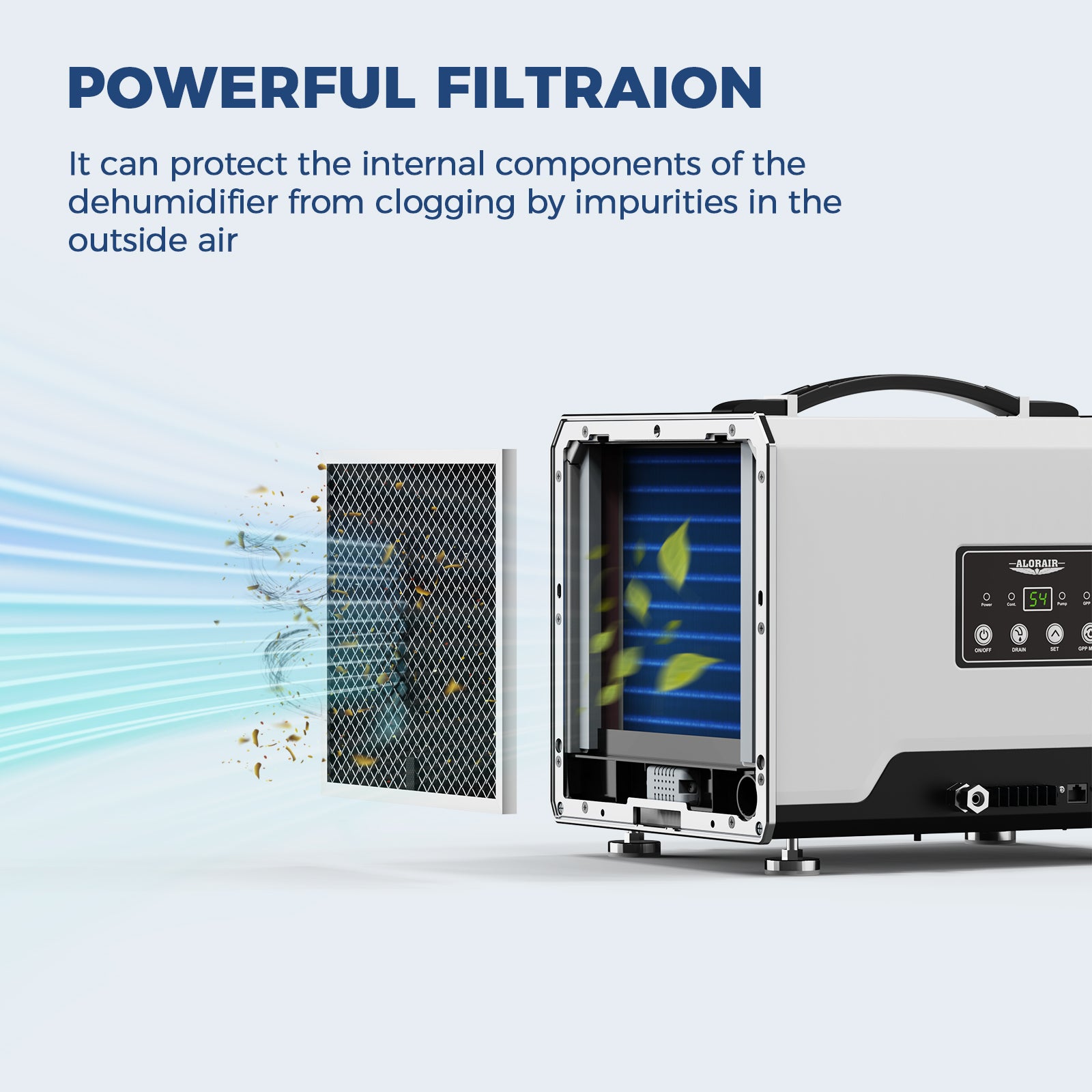
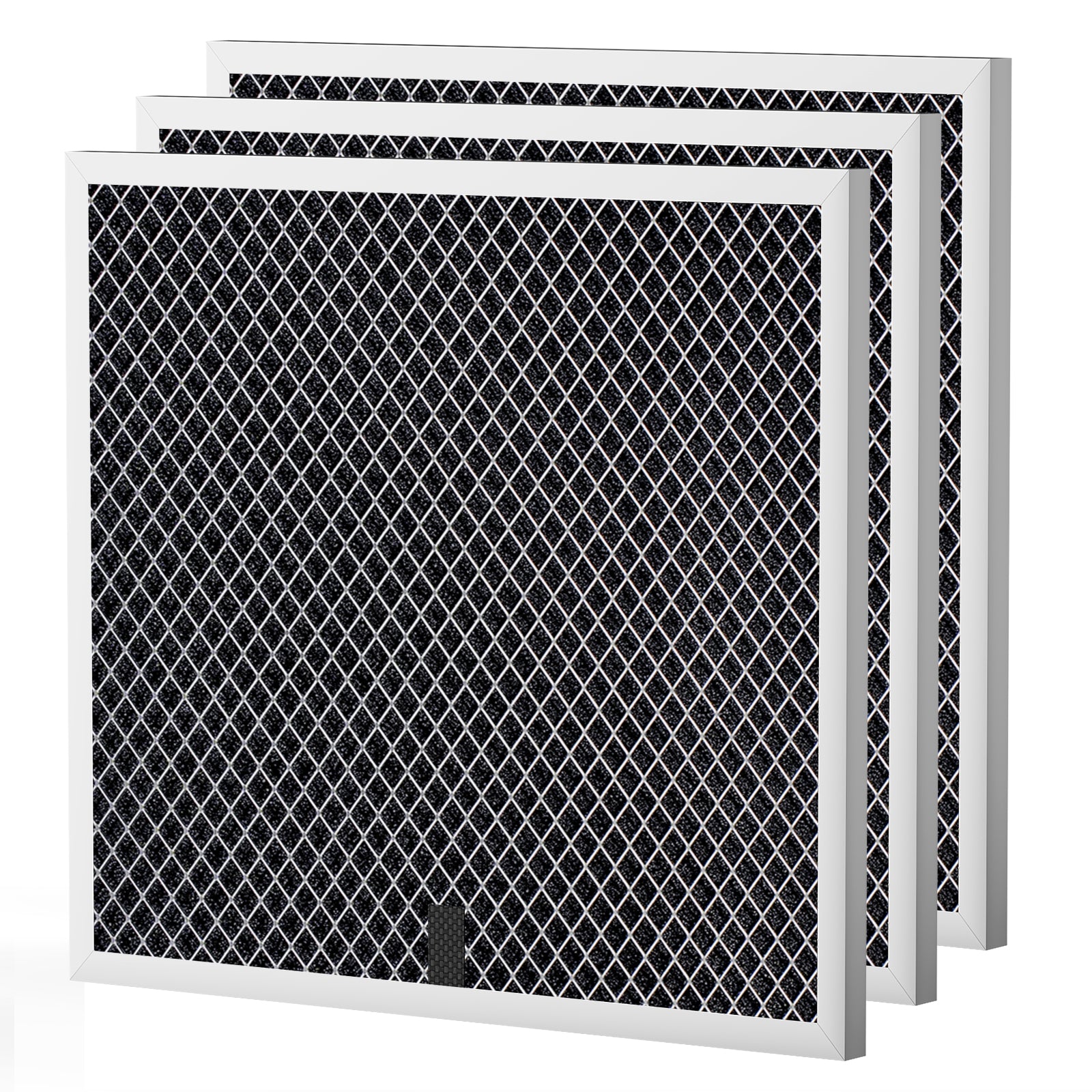
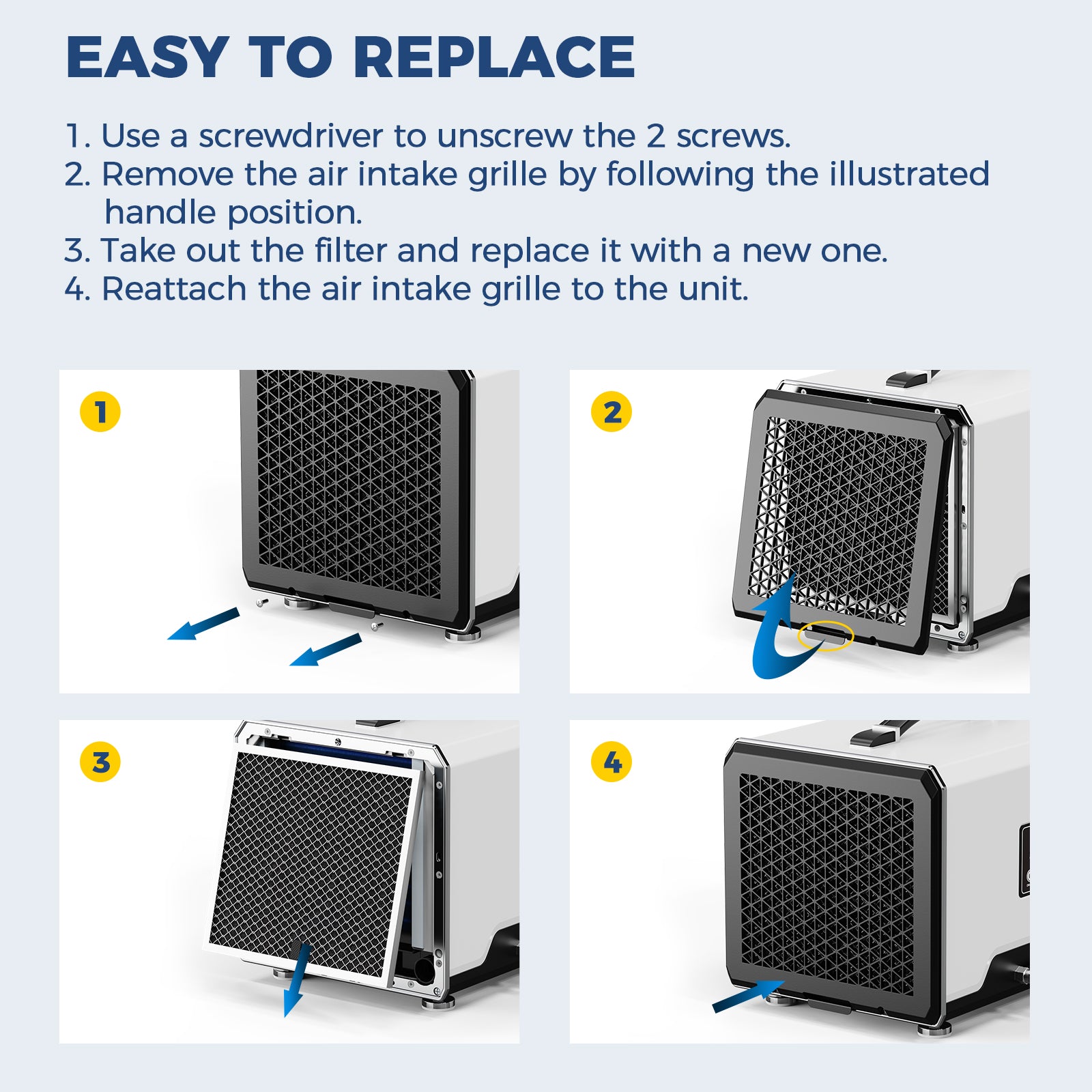
Regular maintenance extends equipment lifespan and ensures consistent performance. Empty collection buckets before they reach capacity to prevent overflow and water damage. If your unit features continuous drain capability, establish drainage to floor drains, sump pumps or outdoors to eliminate manual emptying. Replace or clean filters according to manufacturer specifications, clogged filters reduce airflow and dehumidification effectiveness.
Monitor humidity levels using an inexpensive hygrometer to verify your system maintains target humidity. Set dehumidifier to maintain approximately 45 percent relative humidity, slightly below the 50 percent maximum to provide a margin of safety. Run fans alongside dehumidifiers to improve air circulation and distribute dried air evenly. During winter months in cold climates, some homes require less aggressive dehumidification as cooler temperatures naturally suppress moisture.
Complementary Moisture Management Strategies
Effective moisture control combines active dehumidification with ventilation and moisture source management. Use exhaust fans in bathrooms and kitchens during and after moisture-generating activities, venting humidity directly outdoors rather than recirculating it through home interiors. Ensure range hoods exhaust outside rather than filtering air back into the kitchen. Alorair the dry air Home dehumidification works best when combined with proper grading that slopes soil away from foundations, maintaining gutters and downspouts that direct water well away from homes and sealing foundation cracks that permit ground moisture intrusion.
- Calculate appropriate dehumidifier capacity based on room volume and moisture severity using manufacturer sizing charts.
- Position dehumidifiers centrally with adequate clearance on all sides for optimal airflow and effectiveness.
- Empty collection buckets regularly or establish continuous drainage to prevent overflow and water damage.
- Monitor relative humidity using hygrometers, maintaining target levels between 30 and 50 percent.
- Combine mechanical dehumidification with proper ventilation and moisture source management for comprehensive control.
Addressing excessive moisture through appropriate dehumidification solutions protects both your home’s structural integrity and your family’s respiratory health. When moisture control becomes proactive rather than reactive, you preserve your investment while creating living spaces that feel comfortable and healthy year-round.

Sorry, the comment form is closed at this time.