

16 Sep How to Build a Consistent Home Red Light Therapy Routine Without Overcomplicating It
Choose One Treatment Area and Schedule First
Home red light therapy can become difficult to evaluate when a person changes device, distance, session length and body area at the same time. A more disciplined routine starts with one clear purpose and one consistent schedule. LumyHealth offers red light therapy panels, lamps, masks, caps and other targeted formats, so the first decision should be which area needs attention rather than which device looks most advanced.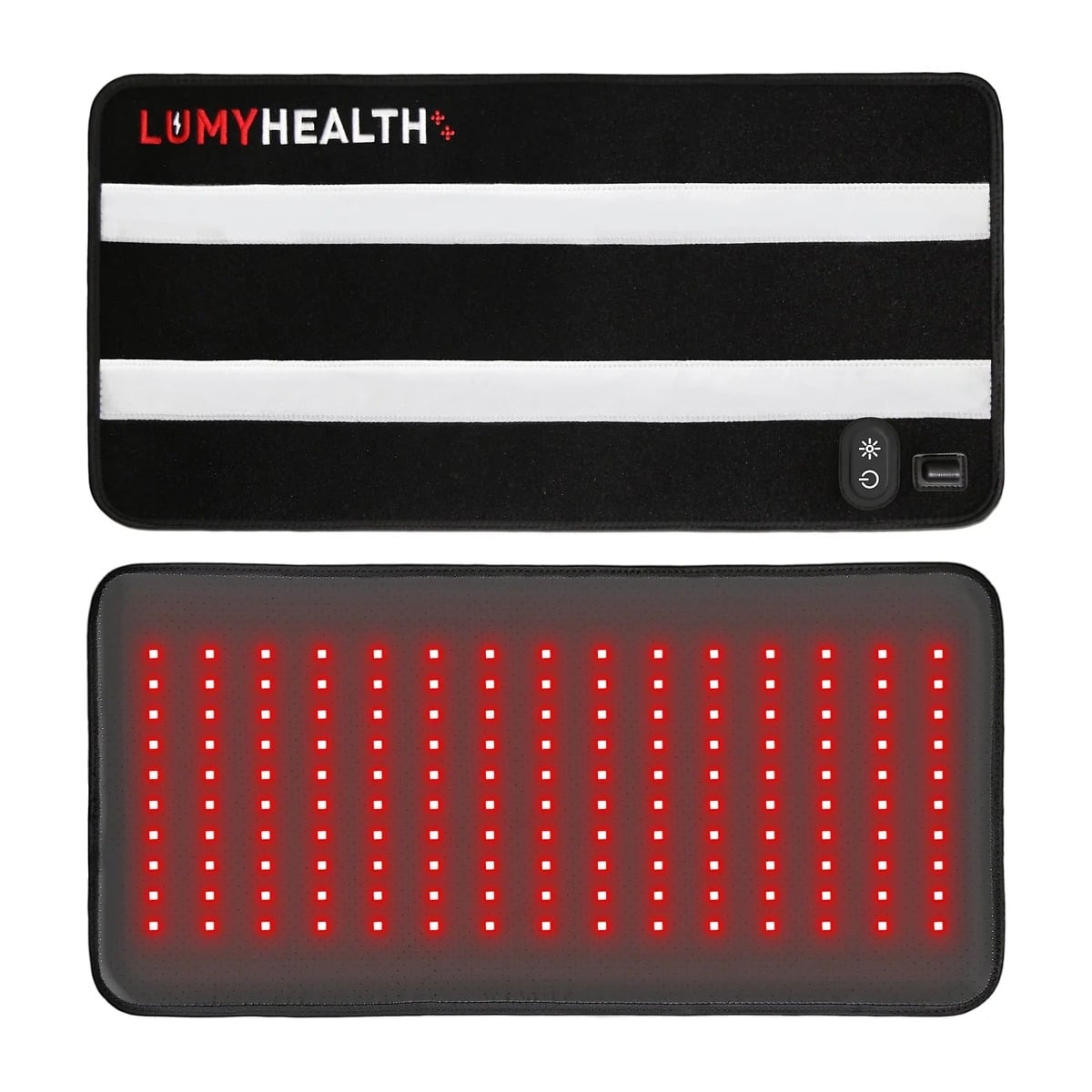
A face mask may be convenient for a skincare-focused routine, while a panel can cover a larger area. A cap or targeted device can suit a more specific application. The product instructions should guide distance and session duration, and the user should avoid assuming that longer exposure automatically produces better results.
Consistency makes observation easier. If sessions happen at roughly the same time on selected days, the user can tell whether the routine is comfortable and sustainable. Constantly changing settings makes it difficult to know what caused any improvement, irritation or inconvenience.
Separate Wellness Claims From Medical Decisions
The red light therapy range at Lumy Health is marketed for wellness and beauty uses across skin, hair, joints and recovery. A user should still distinguish general wellness routines from the management of a medical condition. Persistent pain, skin disease, eye concerns or other symptoms deserve appropriate healthcare advice rather than relying on a consumer device to provide diagnosis or treatment.
Medication and light sensitivity can also matter. People taking photosensitizing medicines or managing conditions affected by light exposure should ask a qualified professional whether the routine is appropriate. Eye protection or eye-closing guidance should follow the device instructions rather than assumptions based on another product.
Progress should be assessed conservatively. Skin appearance, comfort or routine adherence can be tracked, but dramatic claims should not be expected from a short period of use. Photographs taken under similar lighting can be more useful than daily mirror checks, while subjective recovery or comfort can be recorded with simple notes.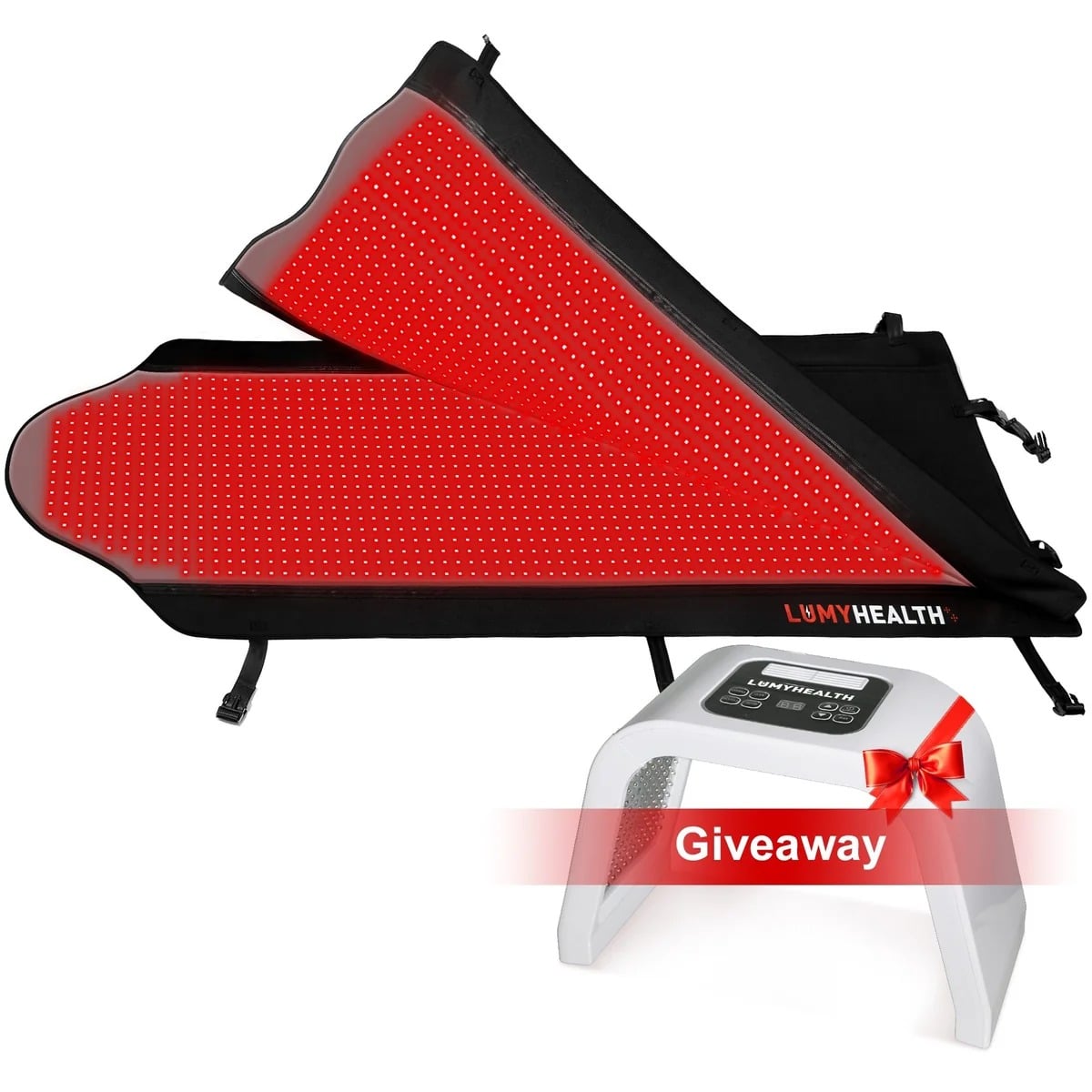
Routine design should include a simple baseline. Before regular use begins, the person can note the area being treated, the starting condition and any products applied to the skin. If skincare ingredients are changed at the same time as light therapy, later improvement or irritation becomes harder to interpret. The same principle applies to exercise recovery or sleep routines. Keeping the rest of the routine reasonably stable for a period makes observation more meaningful. Any notes should remain descriptive rather than diagnostic and should not replace professional evaluation when symptoms are persistent or significant.
Checks for a More Controlled Home Routine
- The user should follow the model-specific guidance for distance, session length and frequency.
- A Lumy Health device should be used on clean dry skin when the instructions call for direct exposure.
- Eye protection and medication cautions should be reviewed before regular use begins.
- Sessions should stop if unexpected pain, burning, significant irritation or other concerning symptoms develop.
- The routine should be reviewed with a healthcare professional when it intersects with an existing medical condition.
Make the Equipment Easy to Use and Store
A routine is more likely to last when setup is simple. Someone using Lumy Health can keep the device in a dry, accessible place with the power cable and protective accessories nearby. Large panels should have a stable position and adequate ventilation, while masks or smaller devices can be stored in a clean case or drawer that protects lenses and surfaces from scratches.
Cleaning should follow the manufacturer instructions because electronics and light-emitting surfaces do not tolerate every household cleaner. The device should be unplugged when appropriate, wiped with compatible materials and allowed to dry before storage. Cables should not be sharply folded or trapped under furniture.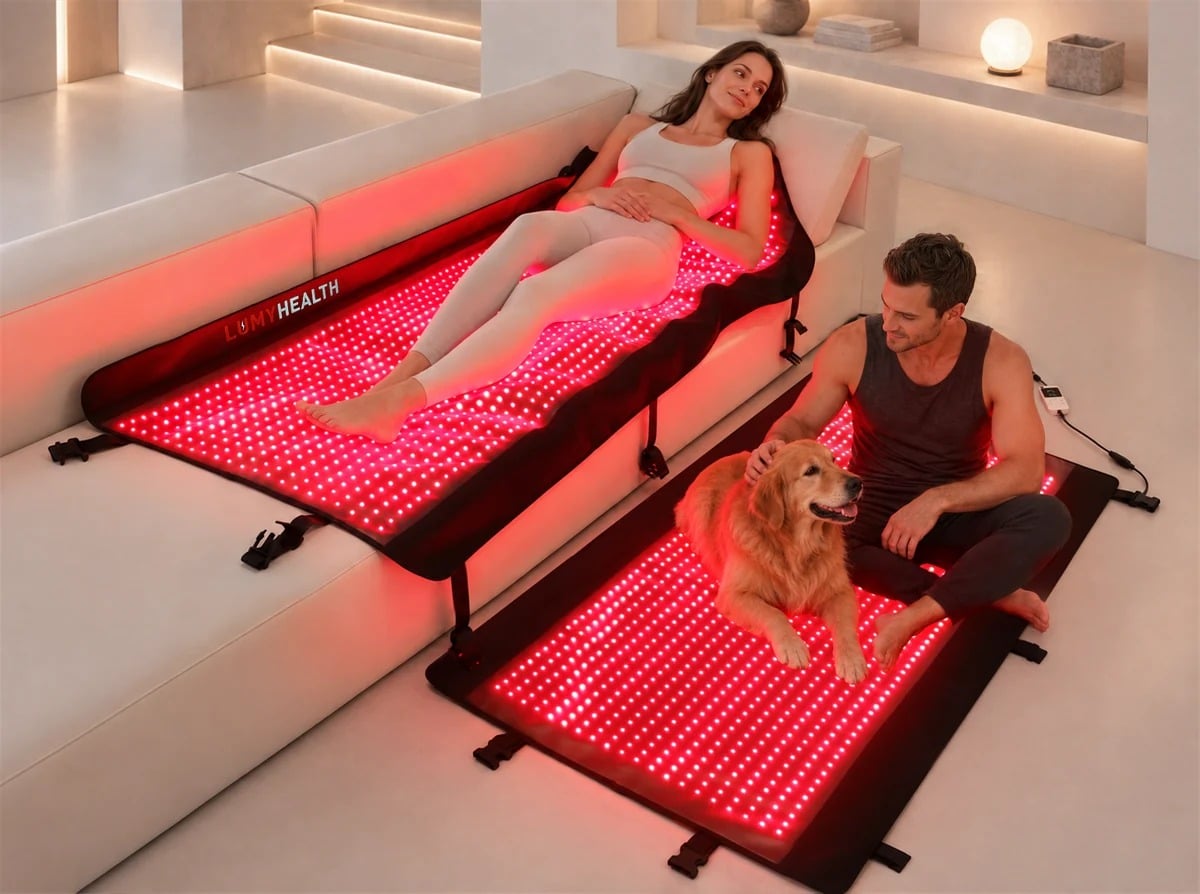
The strongest home routine is usually modest. Lumy Health offers many red light therapy formats, but a person does not need several devices to create a consistent habit. One well-chosen format, a realistic schedule and careful attention to instructions provide a clearer foundation than an expanding collection of devices used irregularly.
The person should also plan where the session fits into skincare or exercise habits. A routine that always conflicts with showering, makeup or bedtime will be difficult to maintain even if the device itself is easy to use. Choosing a predictable window can reduce skipped sessions. If the routine becomes inconvenient, reducing frequency within the product guidance may be more sustainable than abandoning it after an overly ambitious start.
The user should also avoid comparing one device directly with another when treatment parameters differ. Wavelength, power density, distance and session length can all change exposure, so product-specific instructions remain more useful than copying another person’s routine.
A simple written schedule can help the person keep those variables consistent from one session to the next.

Sorry, the comment form is closed at this time.