

16 Sep How to Read Cannabis Seed Terminology Without Confusing Genetics and Legal Rules
Understand What the Labels Are Describing
Cannabis seed listings often use terms that describe genetics, expected plant sex or flowering behavior. Those labels can sound like instructions even when they are simply product classifications. Blimburn Seeds organizes seeds by strain and type, but readers should separate genetic terminology from any assumption that possession, germination or cultivation is permitted where they live.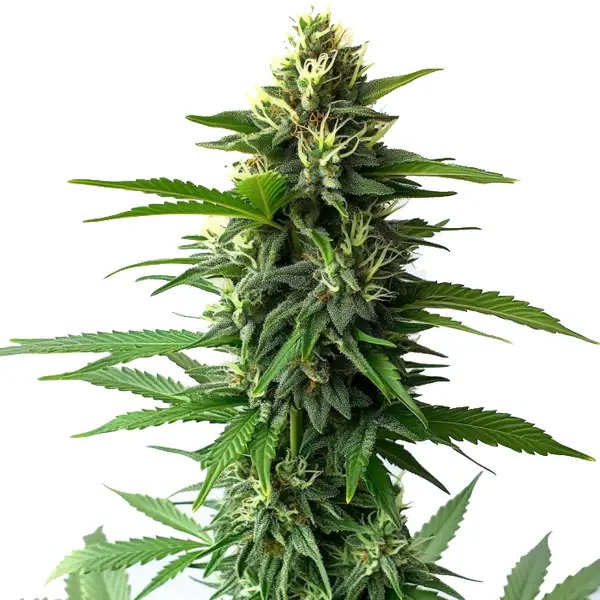
Feminized seed descriptions generally refer to breeding intended to produce female plants, while autoflowering descriptions refer to genetics associated with flowering behavior that differs from traditional photoperiod varieties. Regular seeds may produce male or female plants. These categories describe biological traits and do not create legal permission to grow cannabis.
Strain names can also include references to lineage, aroma, cannabinoid potential or breeder history. Those descriptions should be read as product information rather than guarantees about a final plant. Growing conditions, phenotype variation and local regulation can all affect what happens after a seed is produced.
Keep Legal Questions Separate From Product Information
A catalogue from Blimburn Seeds may be visible internationally, yet cannabis seed law differs substantially by country, state and local jurisdiction. In some places seeds can be sold as collectibles or genetic material while germination remains restricted. In others, home cultivation may be allowed only under specific medical or adult-use rules.
Readers should rely on current official legal sources for their own location. Online discussions, breeder descriptions and customer forums are not substitutes for legislation or regulator guidance. Travel adds another layer because moving seeds across borders can trigger customs, import and controlled-substance rules even when possession is treated differently at the destination.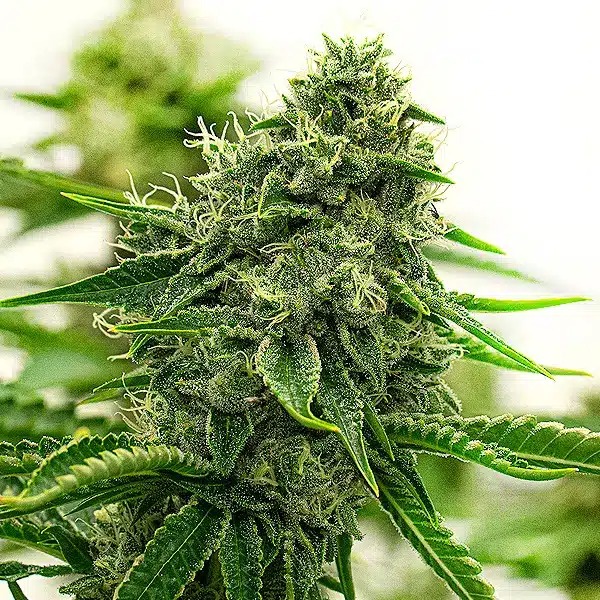
Age restrictions may apply as well. Adults should not assume that a retailer being accessible online means a product can legally be ordered, imported or used everywhere. The legal status of seeds, plants and harvested cannabis can be different under the same jurisdiction.
Seed terminology also overlaps with broader plant-breeding language. Hybrid names can indicate crosses between genetic lines, while descriptors such as indica, sativa or hybrid are often used commercially in ways that do not provide a complete scientific picture of expected effects or plant behavior. Modern cannabis genetics can be complex, and two products with similar names may not share identical breeding history. Readers should therefore look for breeder lineage information and avoid treating a familiar strain name as a universal standard. Catalogue descriptions are most useful when they are read as records of a particular breeder’s selection rather than as guarantees that every seed bearing a similar name will be identical.
Checks for Responsible Reading of Seed Listings
- The reader should identify whether a term describes genetics, expected plant sex, flowering behavior or marketing language.
- A Blimburn Seeds listing should not be treated as legal advice about possession, importation, germination or cultivation.
- Current rules should be checked through official government or regulator sources for the exact jurisdiction involved.
- Cross-border orders require separate attention to customs and import restrictions.
- Any decision involving cultivation should remain within local law and should not be based solely on generalized online guidance.
Use Breeder Information as Context Rather Than Certainty
Breeder catalogues can provide useful background on lineage and intended traits. Blimburn Seeds describes many varieties through genetic ancestry and expected characteristics, which can help readers understand how cannabis breeding categories are organized. Variation remains normal, however, and a seed is not a finished standardized product.
Terms related to cannabinoid levels, flowering time or yield are especially dependent on context. Those figures may come from breeder expectations or controlled examples and should not be interpreted as guaranteed outcomes. Environment, phenotype, testing method and cultivation practice can all change results where cultivation is lawful.
Cannabis seed terminology is easiest to understand when biology and law are kept separate. Blimburn Seeds can be read as a source of catalogue information about genetics, but legal permission must come from the relevant jurisdiction. That distinction helps readers learn the vocabulary without turning descriptive product information into assumptions about what activities are allowed.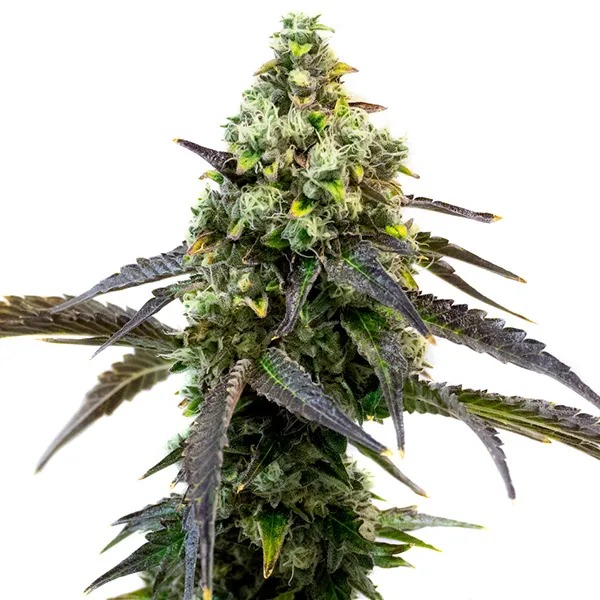
Historical strain names can create additional confusion because the same or similar names may be used by different breeders. A reader should not assume that two catalogues describe genetically identical material simply because the marketing name matches. Breeder provenance, documented parent lines and generation information are more informative when available. This is another reason to treat seed catalogues as breeder-specific records rather than as universal scientific databases.
Legal terminology can change as regulations develop, so older articles and forum posts should be treated cautiously. A rule that applied several years ago may no longer describe current possession, import or cultivation law in the same jurisdiction.
Checking the publication date and jurisdiction of any legal source helps reduce the risk of relying on outdated or geographically irrelevant information.

Sorry, the comment form is closed at this time.