

17 Sep Sleep Mist and Aromatherapy Scent Cues for Faster Sleep Onset
Falling asleep quickly becomes increasingly difficult with stress, racing thoughts and racing minds. Sleep mist offers an elegant solution through olfactory conditioning, harnessing the brain’s powerful connection to scent for accelerating sleep onset. When used consistently each night, mist creates a sensory cue that signals the nervous system to downshift into relaxation mode. This conditioning effect strengthens over time, allowing lavender and other sleep-promoting scents to become automatic triggers for drowsiness. This guide explores the science behind aromatherapy’s sleep benefits, how scent conditioning works and how to integrate mist into an effective wind-down ritual.
The Science of Scent and Sleep
Olfactory information travels directly to the amygdala and limbic system, brain regions controlling emotion and relaxation without processing through the cognitive cortex first. This direct pathway explains why scent produces faster emotional responses than visual or auditory cues. Lavender, the most studied sleep-promoting scent, reduces amygdala activation and lowers cortisol, the stress hormone. Studies show lavender inhalation decreases heart rate variability, lowers blood pressure and increases parasympathetic nervous system tone. Chamomile scent reduces anxiety and promotes calm without sedating effects. Bergamot balances stimulation and relaxation, uplifting mood while facilitating wind-down. The brain’s olfactory bulb directly connects to the hippocampus, embedding scent memories strongly, which explains why familiar sleep-promoting scents become powerful conditioning agents. Consistent scent use creates memory associations between the aroma and successful sleep, making future exposure increasingly effective.
Olfactory Conditioning and Sleep Habits
Olfactory conditioning leverages the brain’s ability to link sensory cues to behavioral outcomes. In Pavlovian fashion, pairing mist with consistent sleep timing trains the nervous system to recognize the scent as a sleep signal. Research shows that conditioned scent cues reduce sleep onset latency by 15-25 minutes on average. The conditioning effect strengthens with consistent use, typically taking 2-3 weeks to establish fully. During this period, scent exposure initiates autonomic nervous system shifts that prepare for sleep heart rate slows, blood pressure drops and parasympathetic activation increases. Over time, simply smelling the familiar scent triggers these physiological changes automatically, creating a shortcut to the relaxed state sleep requires. This conditioning becomes so strong that the scent alone, used at different times or locations, produces calming effects, offering portable sleep support.
Sleep Mist as Part of Wind-Down Ritual
Mist works most effectively within a structured wind-down ritual that signals approaching sleep to your nervous system. A consistent 30-60 minute pre-sleep routine primes the body for rest before bed. Applying mist 20-30 minutes before sleep provides sufficient time for olfactory processing to initiate nervous system downshift. The ritual itself becomes part of the conditioning; repeating the same sequence nightly strengthens the sleep-promoting association. Combining mist with other sensory cues amplifies the effect dimmed lighting triggers melatonin production, cool temperature supports sleep physiology and magnesium-based sleep butter provides physical relaxation. Together, these elements create a multisensory wind-down experience that conditions rapid sleep onset. People following consistent rituals sleep 20-30 minutes deeper and fall asleep 15-25 minutes faster than those without structured routines. Longevity Sleep
Lavender and Other Sleep-Promoting Scents
Lavender is the most extensively researched sleep-promoting scent, with studies showing consistent benefits for sleep quality and reduced anxiety. The scent activates the parasympathetic nervous system through multiple pathways, reducing cognitive arousal that blocks sleep. Chamomile complements lavender, adding anxiolytic properties that reduce pre-sleep worry. Roman chamomile specifically enhances sleep depth without daytime grogginess. Bergamot provides subtle uplifting effects that prevent excessive drowsiness during wind-down while promoting calm. Ylang-ylang reduces heart rate and blood pressure while creating a subtle, exotic aromatherapy experience. Sandalwood promotes grounding and presence, anchoring scattered thoughts to the present moment. Combining these scents in sleep mist creates a complex aromatherapy profile that addresses multiple sleep challenges simultaneously. Quality matters significantly; pure essential oil-based mist provides therapeutic potency, while synthetic versions may lack effectiveness.
Building a Multi-Sensory Sleep Routine
Mist reaches maximum effectiveness when combined with complementary sleep tools into a cohesive routine. Applying mist before using a silk sleep mask combines olfactory cues with visual darkness, creating a multisensory sleep environment. Using sleep tape maintains nasal breathing, ensuring optimal oxygen during sleep initiated by the scent-cued wind-down. Magnesium sleep butter addresses muscle tension and racing mind simultaneously with sleep mist’s olfactory effects. The complete routine addresses breathing efficiency, physical relaxation, nervous system regulation and sensory conditioning all together. This multifactorial approach produces faster sleep onset, deeper sleep phases and higher sleep satisfaction than any single intervention. Repeating the routine nightly for 3-4 weeks establishes automatic physiological responses that persist even when elements are occasionally omitted.
Using Mist Effectively
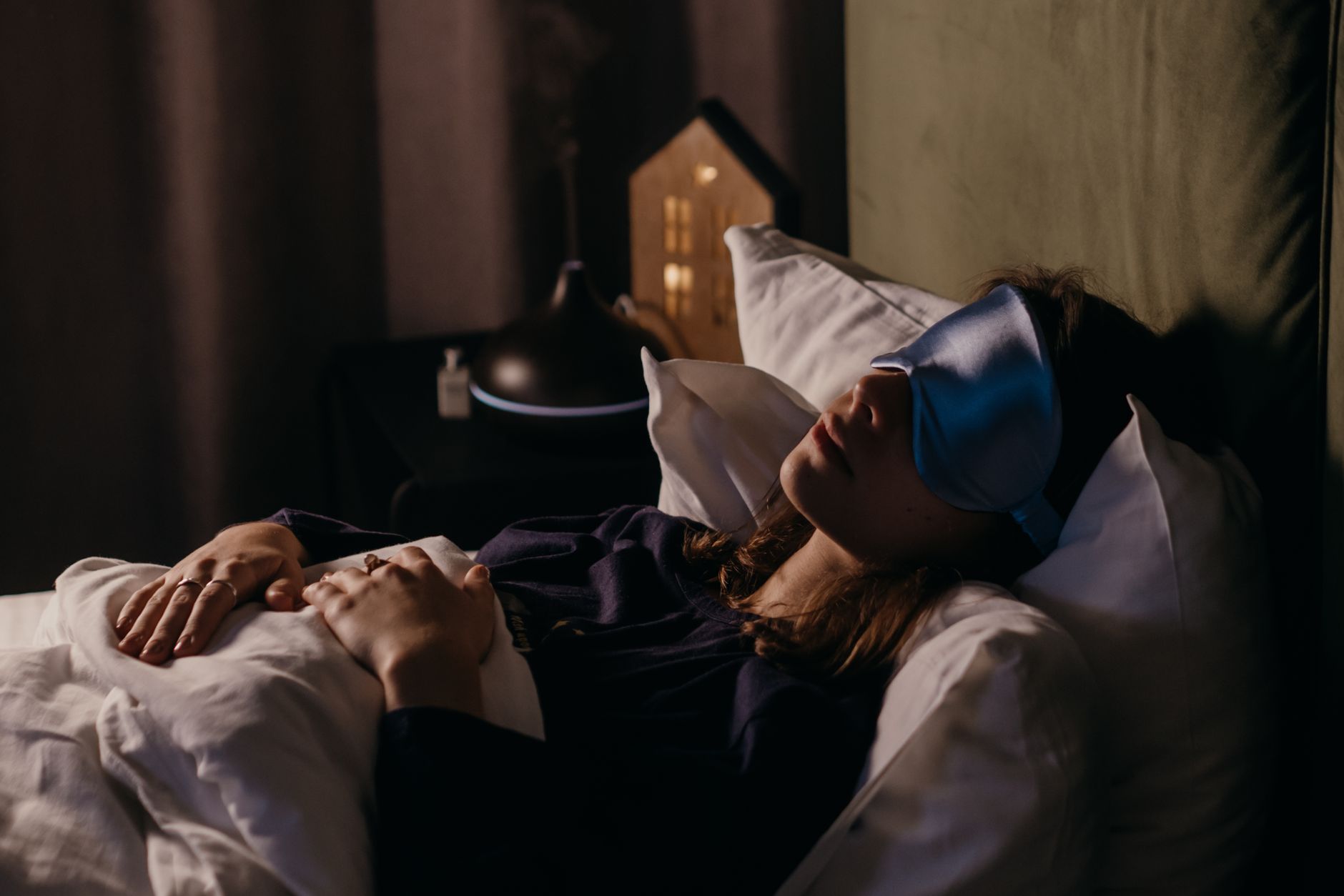
- Apply 20-30 minutes before target sleep time, this timing allows olfactory processing while avoiding excessive scent dissipation.
- Use 2-3 sprays on the pillow, sufficient for aroma perception without overwhelming the sleep space or causing irritation.
- Maintain consistency nightly, establishing olfactory conditioning requires regular use; skipping nights slows habit formation.
- Combine with dimmed lighting, reducing blue light exposure 1-2 hours before bed maximizes melatonin production alongside scent cues.
- Pair with cool temperature, sleep quality improves at 65-68 degrees F; combine temperature optimization with scent-triggered relaxation.
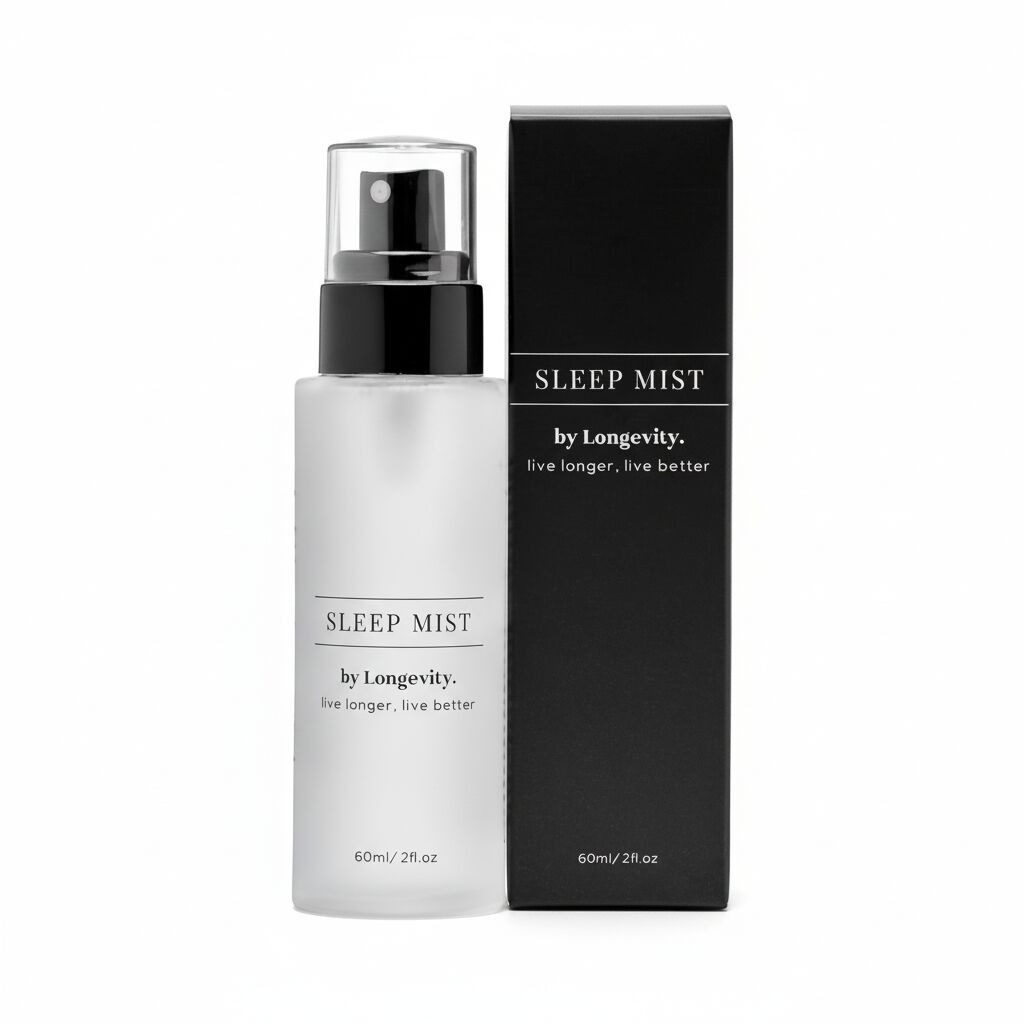
Longevity Sleep Discover premium mist formulated with pure essential oils supporting faster sleep onset and deeper rest. The carefully balanced scent profile combines multiple sleep-promoting aromatherapy benefits in a single product. Longevity Sleep Shop mist today and accelerate your wind-down ritual with proven olfactory conditioning benefits. Transform your sleep environment with Longevity Sleep aromatherapy-powered sleep support designed for consistent, rapid sleep onset. Fall asleep faster and sleep deeper, Longevity Sleep order your sleep mist now and experience better rest tonight.

Sorry, the comment form is closed at this time.