
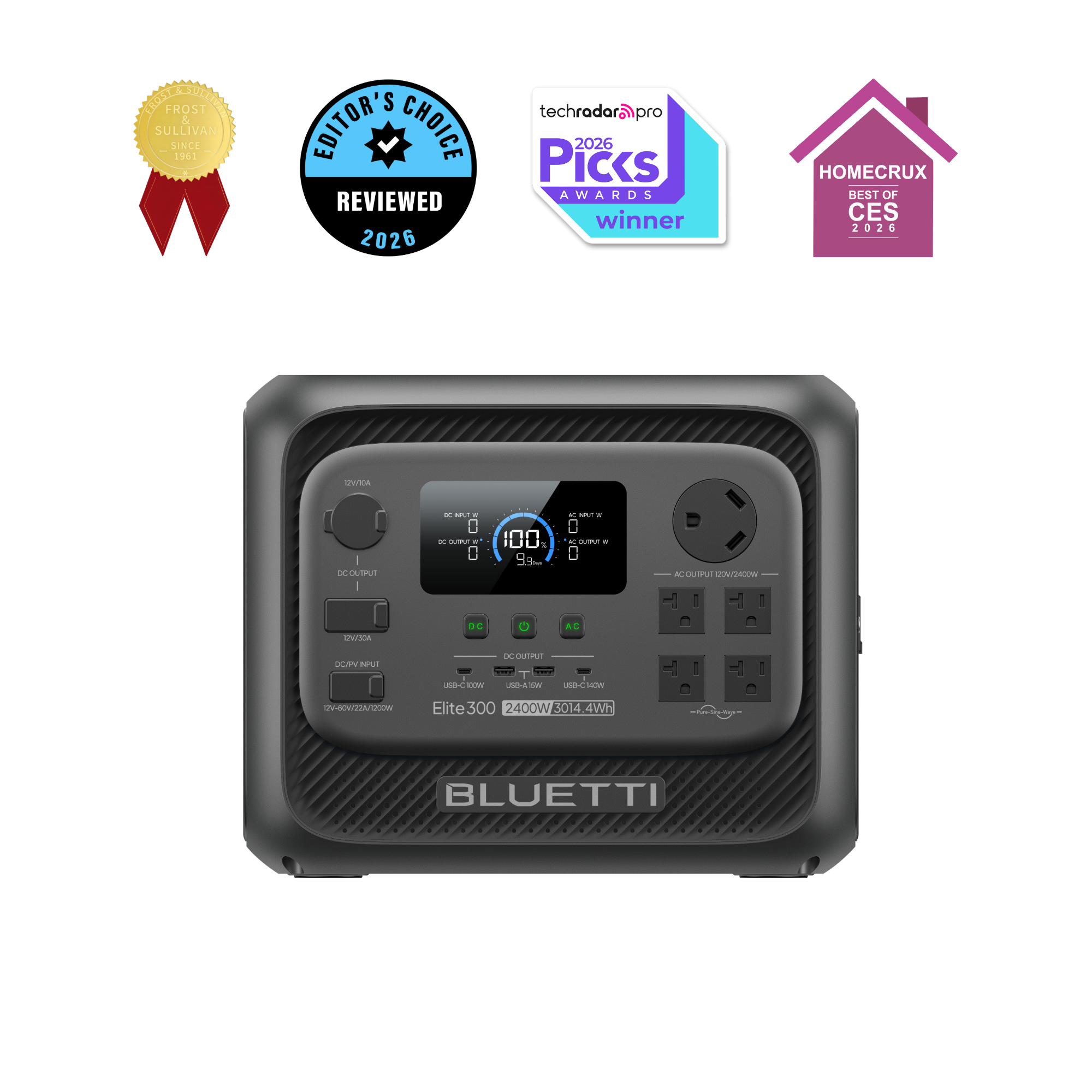
17 Sep Comparing Home Backup Power Portable Power Stations vs. Whole-Home Generators
Power outages strike unexpectedly, leaving homes without electricity for hours or days. When choosing backup power, homeowners face a fundamental decision invest in a portable power station or install a whole-home generator. Each approach offers distinct advantages and trade-offs that deserve careful consideration. Understanding the differences helps you select the system that best matches your situation, budget and long-term needs. The choice often determines whether you maintain quality of life during outages or experience significant disruption. BLUETTI US
Installation and Setup Requirements
Whole-home generators require professional installation with proper fuel storage, venting and electrical integration into your home’s panel. This process typically costs 3000-5000 USD before the generator itself and involves permitting, inspections and ongoing maintenance. Installation creates permanent changes to your property, including concrete pads and underground fuel lines. Portable power stations arrive ready to use, unbox, charge and operate immediately without any installation complexity. For renters, apartment dwellers or anyone with installation restrictions, portable systems represent the only viable option. This flexibility makes them particularly valuable for properties where permanent modifications are not feasible or permitted.
Operating Costs and Fuel Considerations
Whole-home generators consume natural gas or propane continuously during use, with monthly fuel costs depending on usage duration and generator size. A typical household backup scenario involves 500-1000 USD in annual fuel expenses, accumulating rapidly during extended outages. Portable power stations charge from wall outlets, solar panels or vehicle power supplies with no ongoing fuel purchases beyond initial electricity costs. Over a decade, the fuel cost difference becomes substantial, potentially 5000-10000 USD in favor of portable systems. Environmental impact also favors batteries; diesel and propane burning contribute emissions and air pollution, while battery systems enable zero-emission operation when charged from renewable sources.
Capacity and Run Time Comparisons
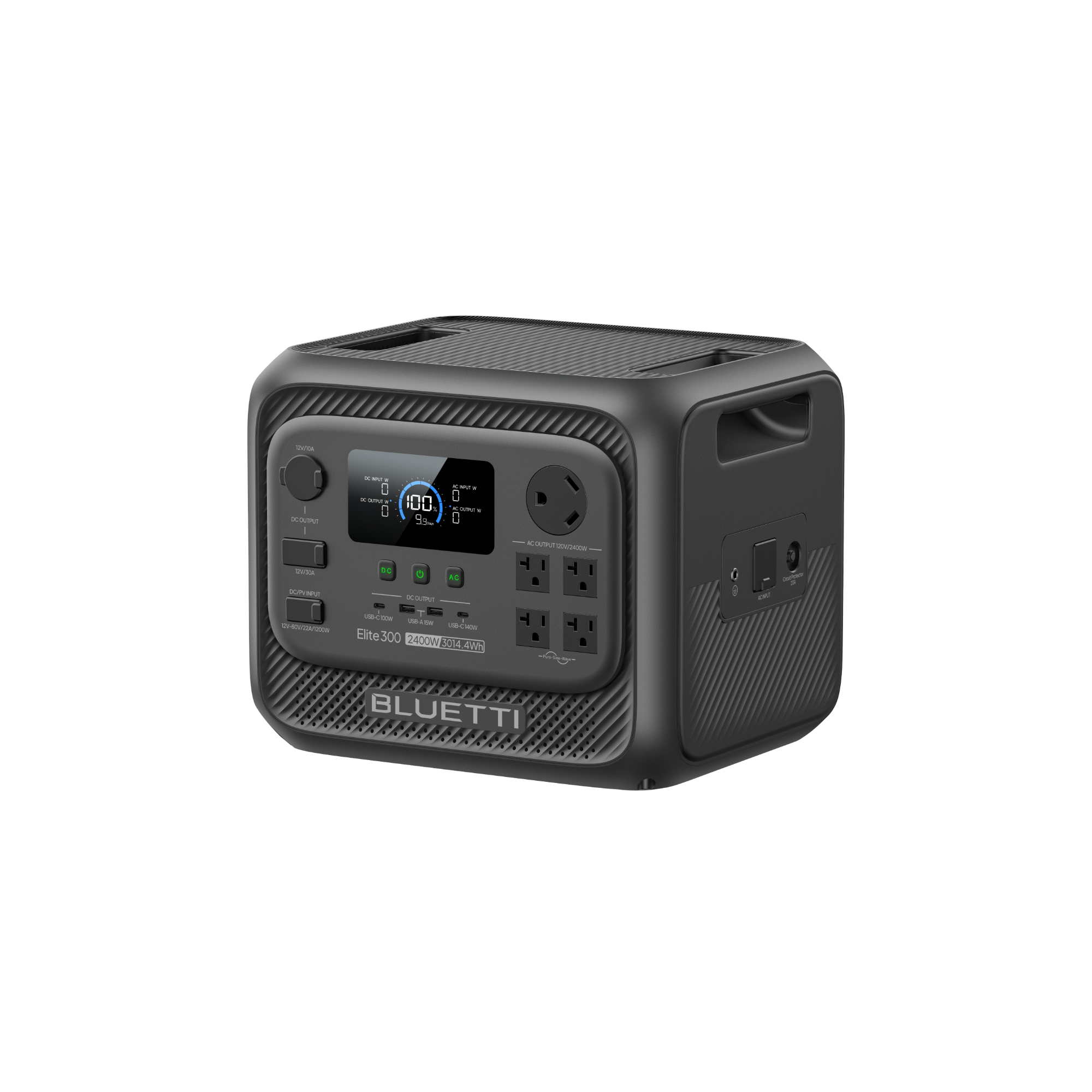
Whole-home generators in the 10-20 kW range handle typical residential loads including heating, cooling and major appliances continuously. This full-home operation comes with significant fuel consumption and noise levels exceeding 75 decibels. Portable power stations ranging from 3000-10000 Wh power essential devices, refrigerators, medical equipment, charging stations, lighting, for 6-24 hours depending on usage. The trade-off is selective power management rather than seamless whole-home operation. Most households find this acceptable for emergency scenarios; the power station keeps critical systems running while you manage non-essential loads. Strategic appliance scheduling ensures your portable system addresses priorities effectively.
Noise, Emissions and Neighborhood Impact
Generators produce 70-100 decibels of noise during operation, equivalent to heavy traffic or a vacuum cleaner running continuously. This noise bothers neighbors and makes conversations or sleep difficult on your property. Portable power stations operate silently, enabling normal life during power outages. This matters significantly in multi-family housing or dense neighborhoods where noise restrictions often apply. Environmental sensitivity also favors batteries; generators emit carbon dioxide and other pollutants that accumulate in residential areas, while battery systems produce no emissions whatsoever. Communities increasingly restrict or prohibit gas generator operation due to air quality concerns, making battery systems the forward-compatible choice. BLUETTI US
Scalability and Future-Proofing
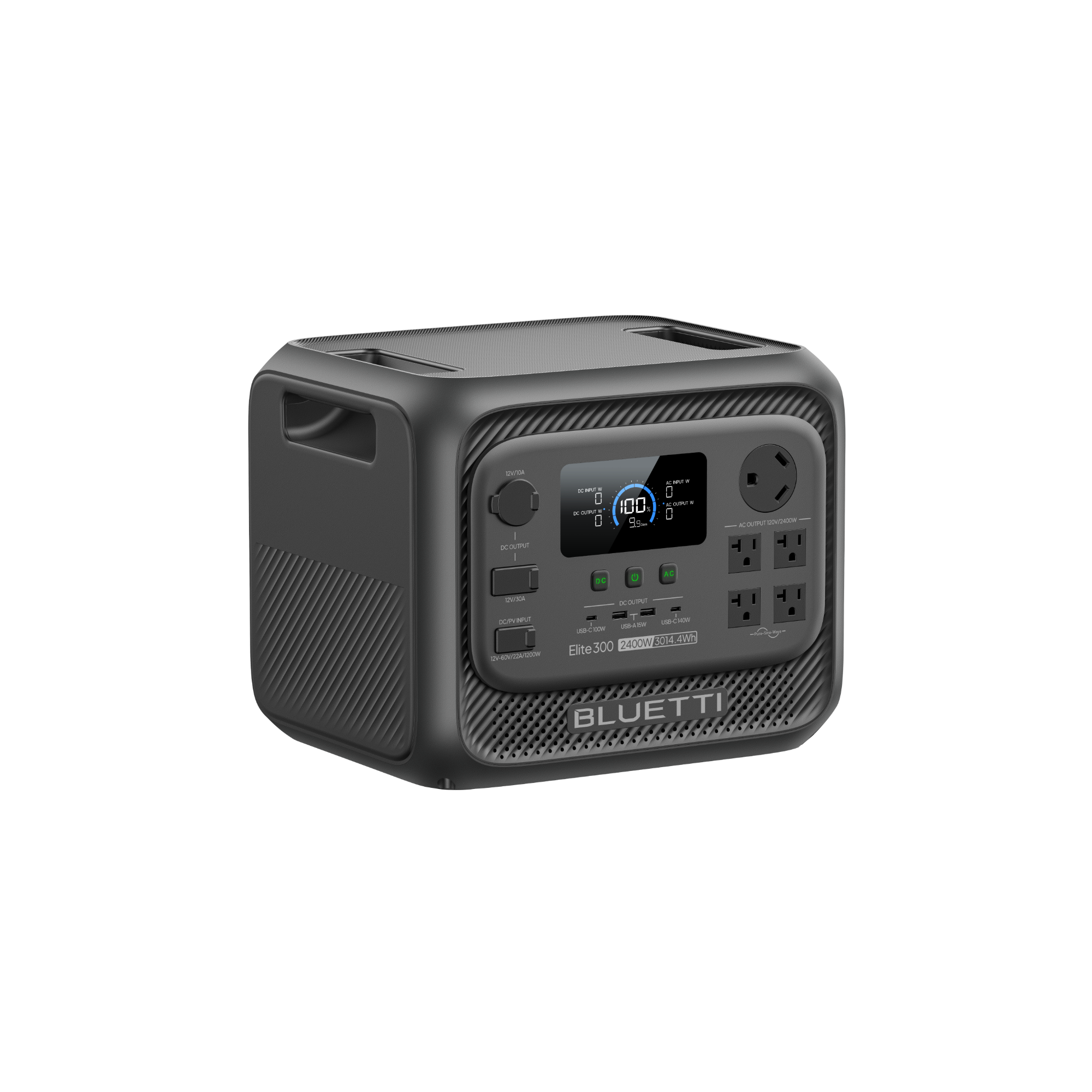
Portable power stations expand modularly, add battery modules to increase capacity as needs grow without replacing core equipment. This approach distributes costs over time and adapts to changing circumstances. Generators typically represent single, unchangeable investments that either suffice for your needs or require replacement if capacity proves inadequate. Technology advancement also favors batteries; improvements in battery chemistry, efficiency and cost occur rapidly, while generator technology remains relatively stagnant. Systems purchased today will be outdated in five years with portable batteries, versus generators remaining largely unchanged for decades. Your backup power solution can evolve with your needs and technological capability. BLUETTI US
Maintenance and Reliability
Generators require regular maintenance, oil changes every 100-200 hours, spark plug replacement, fuel system cleaning and annual load tests to confirm readiness. Neglected generators frequently fail when actually needed, representing wasted investment and failed backup power exactly when it matters most. Portable power stations require minimal maintenance occasional software updates, annual capacity verification and basic cleanliness. The solid-state nature of battery systems means fewer moving parts and higher reliability. When backup power ultimately matters most, simple systems that require no maintenance prove more dependable than complex mechanical systems that demand ongoing attention. BLUETTI US
Key Decision Factors for Your Situation
- Evaluate your property’s physical constraints, including space for installation and fuel storage accessibility.
- Calculate expected annual fuel costs for whole-home generators versus electricity costs for portable charging.
- Consider neighbors and community restrictions that increasingly limit generator operation.
- Assess whether you need full-home power or can manage with selective essential circuits.
- Project your power needs over the next 10-20 years and scalability requirements.
Making the Right Choice
Choose a portable power station if you value flexibility, quiet operation and minimal installation requirements. Choose a whole-home generator only if you have sufficient permanent installation space and require seamless full-home backup power. For most modern households, especially those in apartments, newer homes with restrictions or environmentally conscious properties, portable power stations solve the backup power problem more effectively and economically. BLUETTI US

Sorry, the comment form is closed at this time.