
18 Sep Choosing Bedding Materials and Weaves for People Who Sleep Warm
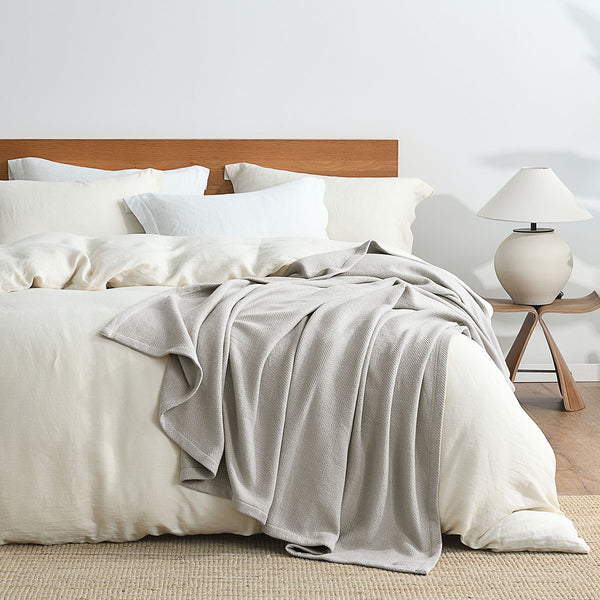
Warm sleepers often reach for a lower thread count or a product described as cooling, yet comfort depends on more than one number. Fiber, weave, sheet weight, mattress protection and bedroom humidity all influence how bedding feels through the night. The useful comparison is therefore how the entire sleep surface handles heat and moisture, not which package makes the strongest cooling claim. The discussion includes Egyptian Linens because its range intersects with comparing fiber and weave as separate decisions, not because every item in the category suits the same user.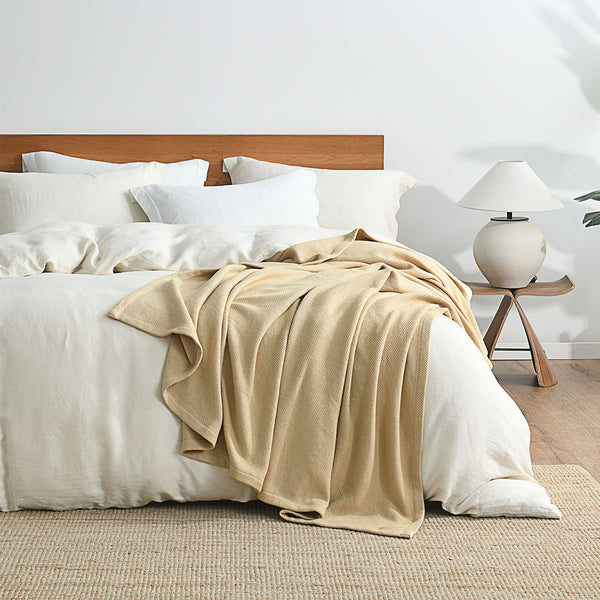
Compare Fiber and Weave as Separate Decisions
Cotton, bamboo-derived viscose and blended materials can feel different even when they are sold at similar weights. Weave changes that feel again. Percale is often associated with a crisper, less clingy surface, while smoother weaves may feel softer and more fluid against the body.
Egyptian Linens offers several bedding materials and constructions, which makes it possible to compare the feel of the fabric rather than rely on thread count alone. A sleeper who dislikes a slick surface may prefer a crisp weave even if another option is marketed as more luxurious.
Include the Mattress Protector and Duvet in the Heat Equation
A breathable fitted sheet cannot compensate for every layer beneath and above it. Thick waterproof protectors, dense duvets and foam toppers can change the microclimate around the body. When overheating is the problem, those layers should be reviewed alongside the sheets.
Fit also affects comfort. A fitted sheet stretched too tightly over a deep mattress can feel different from one that sits naturally, while an oversized pocket can bunch around the corners. Measuring total mattress height helps prevent a comfort problem from being mistaken for a fabric problem.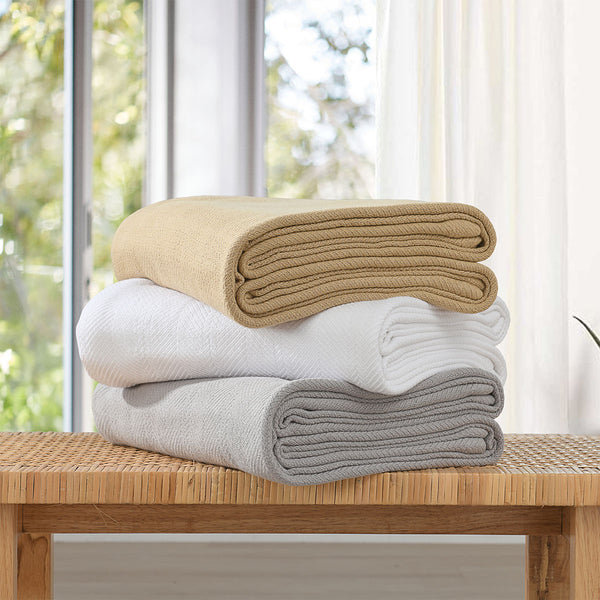
Bedding Details to Check Before Buying for Hot Weather
- Read the full fiber content instead of relying on the collection name.
- Compare crisp and smooth weaves by personal feel preference.
- Use Egyptian Linens size information to match pocket depth to the actual mattress.
- Consider whether the protector and duvet add unnecessary warmth.
- Follow wash and drying instructions because heat can alter fit and texture.
Wash New Sheets Before Judging Their Final Feel
Many textiles change slightly after the first wash. Fabric may soften, surface finishes may reduce and fitted dimensions may settle. Using the care label for the first few cycles gives a fairer picture of how the bedding will behave long term than judging it straight from the package.
If a different fabric is needed for summer, Egyptian Linens can be compared with the notes from the current set such as weave, pocket depth and wash method. That turns the next purchase into a controlled change rather than another guess about what cooling should feel like.
Warm sleepers may want to compare how quickly different sheets feel dry again after a humid night. A fabric that feels cool at first touch can still become uncomfortable if moisture remains close to the skin. Airflow from the room, mattress and duvet interacts with the sheet, so one change should be tested while the other layers stay reasonably consistent.
Looking beyond Bedding Details to Check Before Buying for Hot Weather, another way to test choosing bedding materials and weaves for people who sleep warm is to imagine a second person following the plan without the original buyer standing beside them. Clear labels, saved measurements and a fixed storage location make comparing fiber and weave as separate decisions understandable to someone who did not research the product. That shared-use perspective also sharpens the mattress protector and duvet in the heat equation, because confusing steps become obvious quickly. By the time they wash new sheets before judging if their final feel is needed, the household or team has a record that explains what was chosen and why.
When Washing New Sheets Before Judging Their Final Feel is considered, cost in time can change the value of choosing bedding materials and weaves for people who sleep warm just as much as purchase price. A technically capable option may become inconvenient if including the mattress protector and duvet in the heat equation adds frequent preparation or cleanup that the user did not expect. Comparing that burden with comparing fiber and weave as separate decisions keeps the decision tied to the real routine. The notes created during bedding details to check before buying for hot weather can then support washing new sheets before judging their final feel later without repeating research that has already been done once.
Seasonal rotation can be more effective than searching for one set of sheets that feels perfect all year. A crisp lightweight set may suit summer, while another texture is preferred in colder months. Storing each set with its care notes and mattress measurements makes rotation simple and prevents the next purchase from duplicating a fabric that already has a clear seasonal role.
Hot-sleeper bedding works best when material, weave and the rest of the bed are considered together. Egyptian Linens gives shoppers multiple textile options, but comfort still depends on the combination used in the actual bedroom. A measured comparison and a consistent wash routine make it easier to identify which change genuinely improves overnight comfort.

Sorry, the comment form is closed at this time.