
18 Sep Designing a Character Collectible Display That Still Has Breathing Room
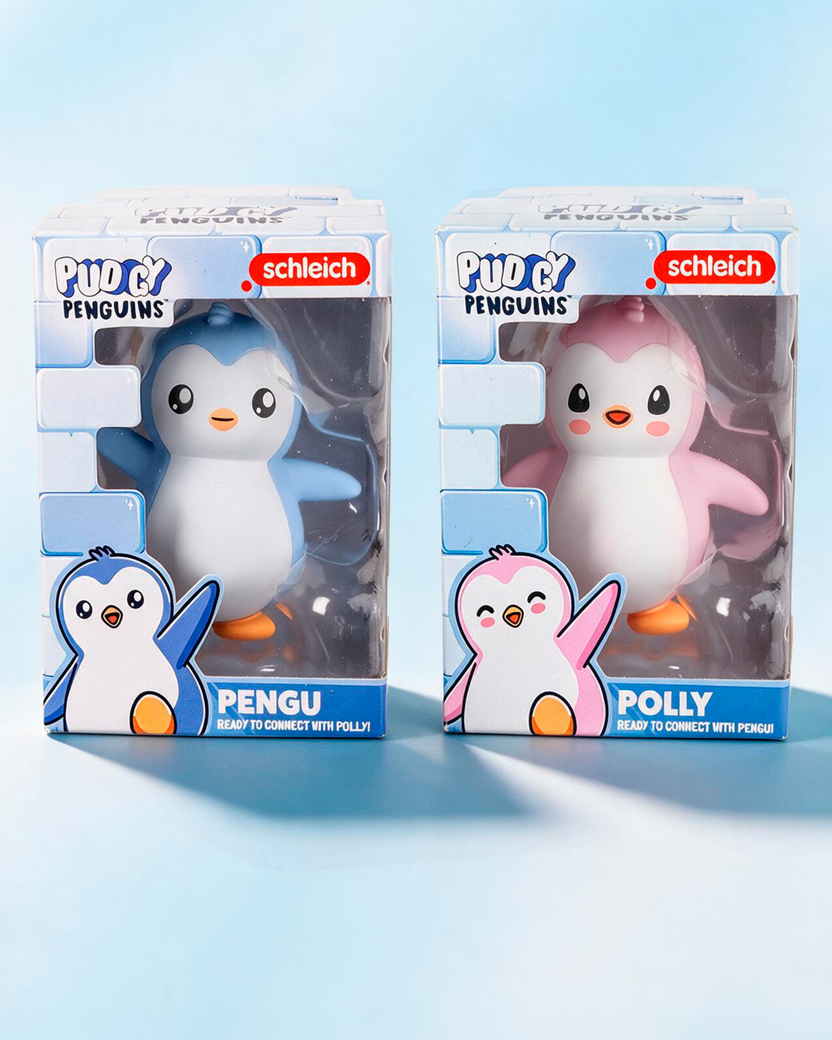
A character collection can lose its impact when every shelf is filled edge to edge. Plush figures, cards and small accessories have different visual weights, so arranging them as one undifferentiated group often makes favorite pieces harder to notice. Planning the display first creates a natural limit on what is shown and gives new items a clear place before they are purchased. This article treats PudgyPenguins as one possible source within designing a character collectible display that still has breathing room, while the practical constraints remain more important than the catalogue itself.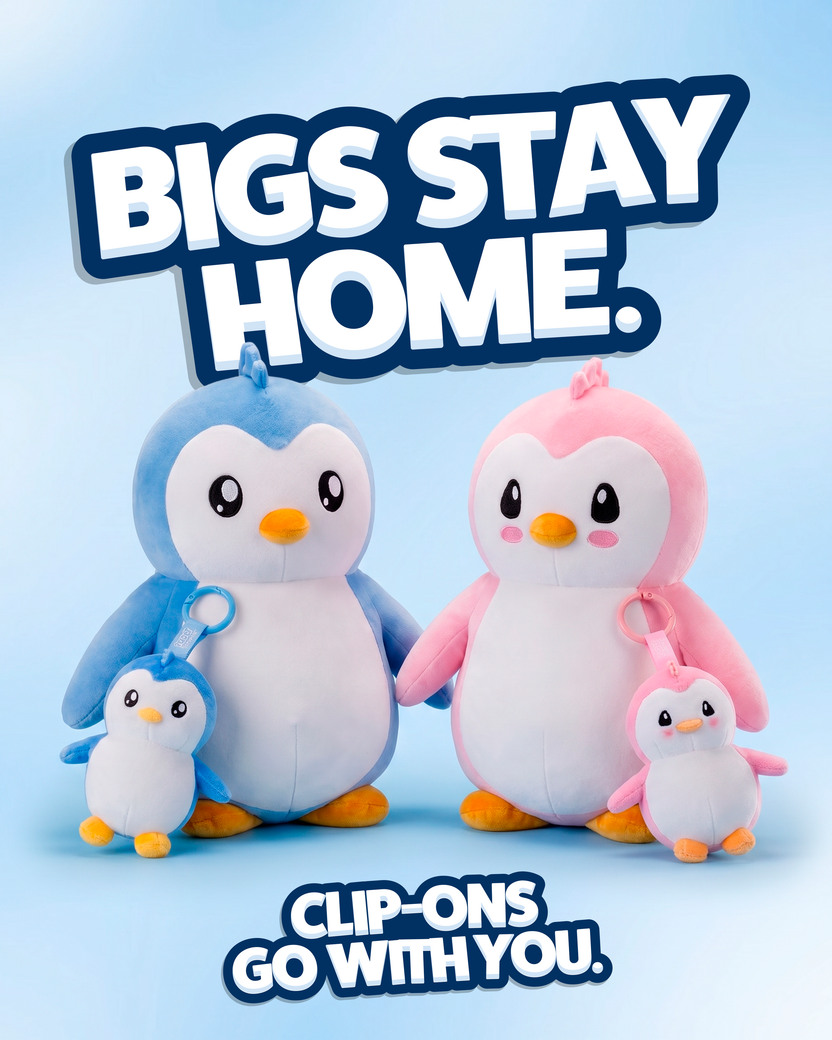
Give Large Plush and Small Figures Different Roles
Large soft pieces work well as visual anchors because they occupy volume without adding many tiny details. Smaller figures can create rhythm around them, while cards and flat art need a background position where they can be seen. Mixing heights keeps the shelf from reading as one horizontal row.
Pudgy Penguins merchandise spans several collectible formats, which makes role-based planning useful. Instead of buying one of everything, the collector can decide whether the shelf needs a centerpiece, a small accent, a portable charm or a flat display piece.
Use Empty Space as Part of the Collection
Negative space makes individual characters easier to identify and leaves room for future additions. It also simplifies dusting because objects do not have to be moved as one dense block. A display that can be maintained easily is more likely to keep looking intentional months later.
Direct sunlight, humidity and unstable edges should be considered before a shelf is filled. Paper goods and printed packaging can fade, while tall boxes can tip if the surface is narrow. The best location is one that protects the collection without hiding it.
Display Choices That Keep a Collection Flexible
- Measure shelf height and depth before ordering oversized pieces.
- Use one or two larger items as anchors rather than filling every gap.
- Choose Pudgy Penguins collectibles by display role instead of format alone.
- Keep paper items away from strong direct sunlight and moisture.
- Rotate favorites when the collection grows beyond the available space.
Decide Which Packaging Is Worth Keeping
Packaging can matter for storage, resale preference or the visual design of a collection, but keeping every box also consumes space quickly. The collector should decide which packages protect delicate items or add real display value and flatten or recycle the rest where appropriate.
For future additions, Pudgy Penguins can be reviewed against the available space instead of treated as an open-ended checklist. A small photo of the current shelf on a phone is a useful reference while shopping because it shows scale and color balance better than memory.
Display lighting can change how a collection reads. Strong overhead light may flatten small details, while side lighting can create shadows that hide pieces behind larger plush. A simple test with the room lights on and off can show whether risers or a different shelf position would improve visibility without adding more objects.
After Give Large Plush and Small Figures Different Roles, one later-stage test for designing a character collectible display that still has breathing room is to repeat the process on an ordinary day rather than under ideal conditions. After five large plush and small figures different roles have been established, the user can watch whether using empty space as part of the collection still works when time, storage or shared use becomes less convenient. Only details that could affect decide which packaging is worth keeping need to be recorded, such as a measurement, model reference, cleaning step or timing issue. That small record turns display choices that keep a collection flexible into a practical reference instead of a one-time checklist.
Because Use Empty Space as Part of the Collection shapes the routine, the reset between uses deserves its own place in designing a character collectible display that still has breathing room. Even when using empty space as part of the collection works well during the task, charging, drying, refueling, packing or cleaning can determine whether the routine remains easy to repeat. Looking at those steps alongside giving large plush and small figures different roles exposes friction that product specifications rarely show. If one reset step repeatedly causes delay, deciding which packaging is worth keeping can focus on that single weakness instead of forcing a complete replacement of the setup.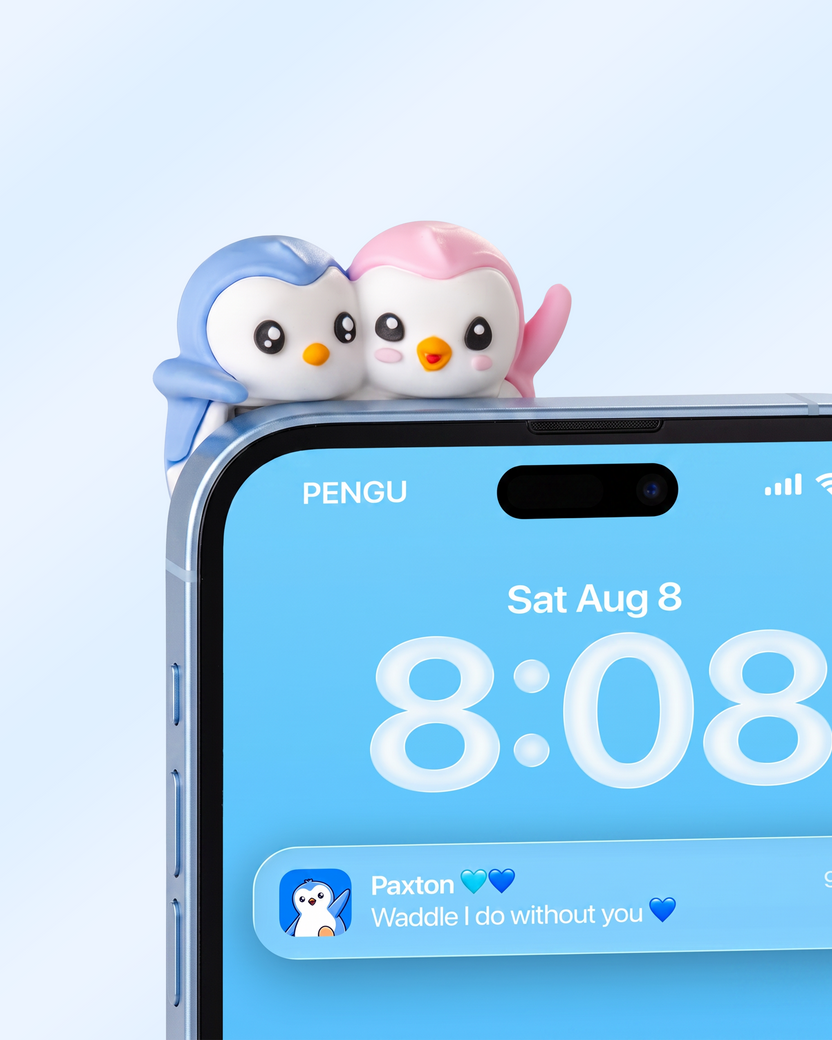
Looking beyond Display Choices That Keep a Collection Flexible, another way to test designing a character collectible display that still has breathing room is to imagine a second person following the plan without the original buyer standing beside them. Clear labels, saved measurements and a fixed storage location make large plush and small figures different roles understandable to someone who did not research the product. That shared-use perspective also sharpens the use of empty space as part of the collection, because confusing steps become obvious quickly. By the time deciding which packaging is worth keeping is needed, the household or team has a record that explains what was chosen and why.
Collectors can also separate sentimental pieces from completion goals. A favorite character received as a gift may deserve a central position even if it is not rare or part of a matching series. Designing around personal importance keeps the display meaningful and reduces pressure to fill every missing slot in a product line.
A satisfying display is curated rather than simply full. Large and small pieces should have distinct roles, empty space should remain visible, and storage decisions should support the way the room is used. Pudgy Penguins can offer new characters and formats, but the collection feels stronger when each addition earns a place in the arrangement.

Sorry, the comment form is closed at this time.