
29 Oct Smart Motorized Shades Installation Myths vs. Reality
Many homeowners assume smart motorized shades installation demands a professional crew, special tools, and hours of patience. In practice, a lot of that worry comes from outdated ideas about how window treatments used to go up. This article looks at where those beliefs come from and compares them against what actually happens when fitting a motorized shade at home.
The ‘Professional Installation Only’ Myth: Why DIY Installation Is Feasible
The idea that motorized shades require a licensed installer is one of the most persistent myths in the window treatment category. In reality, most modern systems are designed for a single person working with basic hardware. Installing smart motorized shades has moved away from complex wiring and toward parts that snap or screw into place without an electrician.
Because of that shift, a homeowner no longer needs to book a service appointment just to hang a shade. One person can measure, mount, and power on a shade in a single sitting. This makes the whole category feel far less intimidating than the reputation it still carries.
SmartWings Easy Installation Design: Mounting Brackets and Snap-In Valance System
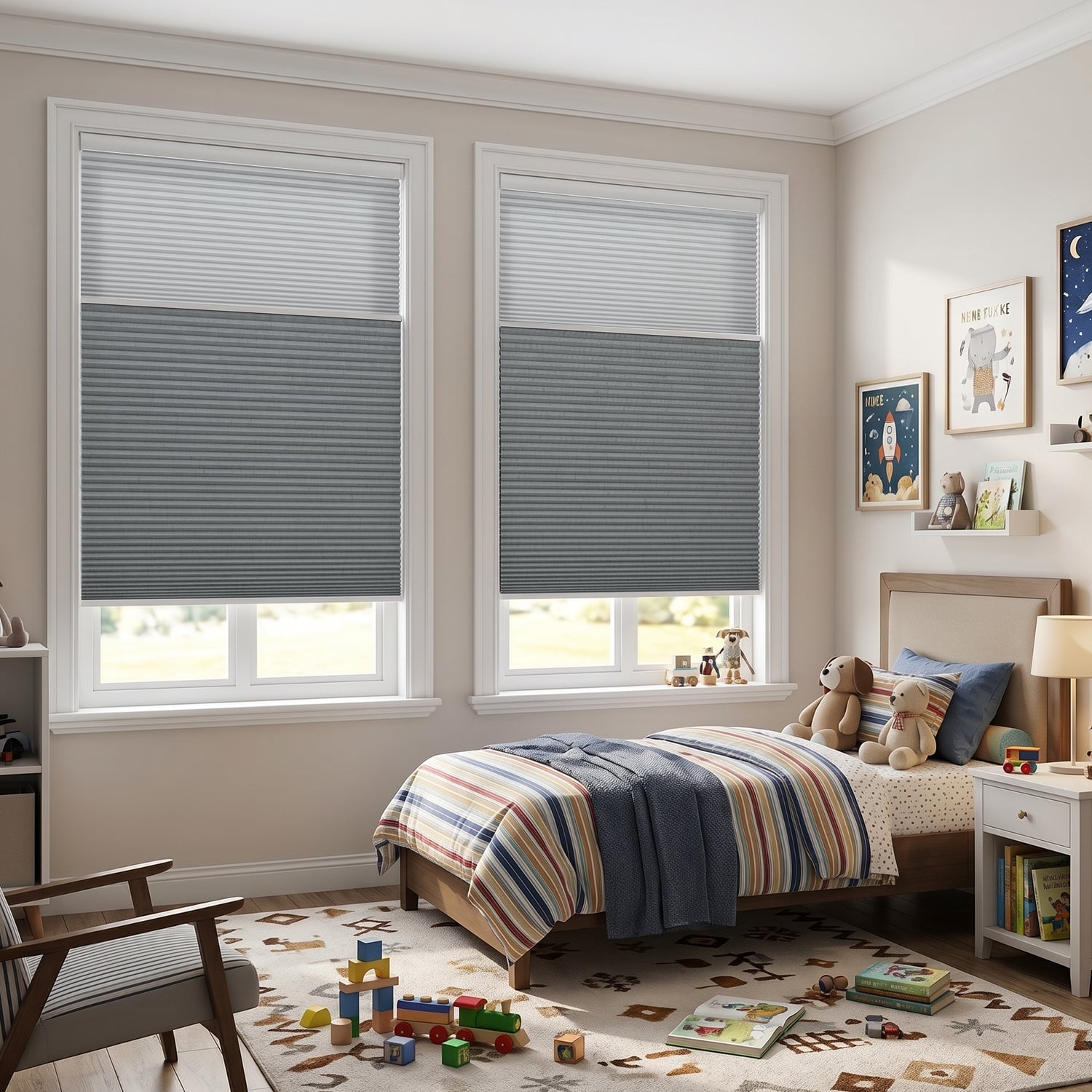
SmartWings builds its roller shades around a mounting bracket and snap-in valance system meant for one-person setup. A single installer can attach the brackets and snap the valance into position without extra tools or complicated steps. That design pushes back directly on the notion that smart motorized shades installation is inherently technical.
Once the brackets sit securely, the valance clicks into place and hides the hardware underneath. The finished look comes together in minutes rather than hours. This reflects a wider pattern in the category, where manufacturers favor tool-free assembly over mounting systems that only a professional can handle.
Understanding Blackout vs. Light-Filtering Fabrics: Common Selection Mistakes
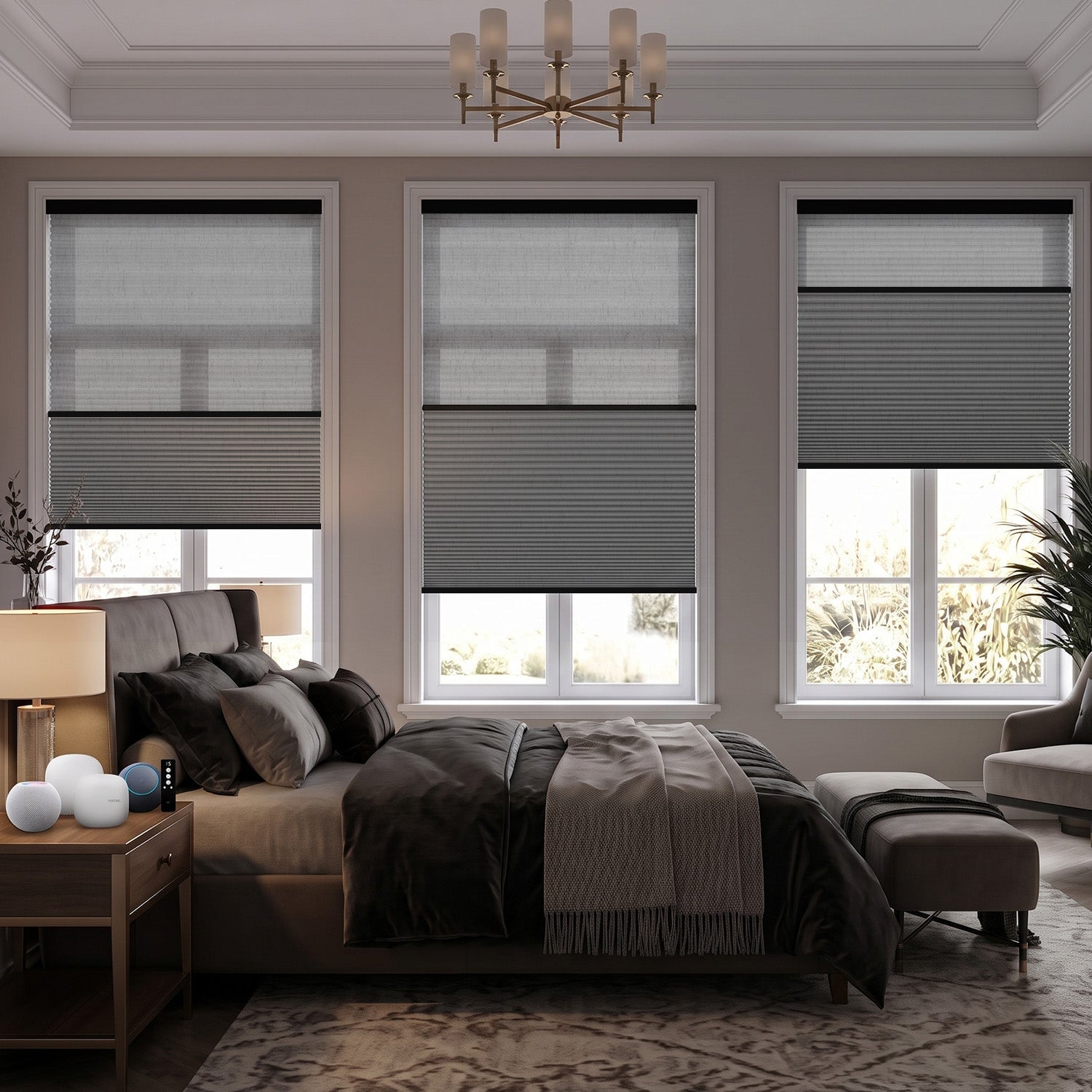
A separate myth ties fabric choice to installation difficulty. Some homeowners assume blackout fabric is harder to mount than light-filtering fabric, but the hardware and process stay the same across fabric types. The real distinction is about function, not setup complexity.
SmartWings offers blackout roller shades at varying blackout levels, including 100% blackout options in fabrics like Linen, Safari, and Vigor. The lineup also includes light-filtering roller shades, such as the 70% Blackout Safari and the 50% Blackout PVC Free Sunscreen. Picking between these comes down to how much light control or privacy a room needs, not how the shade attaches to the wall.
Roller Shades, Cellular Shades, and Drapery Options: Choosing by Function, Not Complexity
Another misconception treats product category as a stand-in for installation difficulty, as though drapery must be harder to fit than a roller shade. The range spans roller shades, motorized cellular shades such as the Day/Night Linen Cellular Shades Nowa Designer Texture Helios, and motorized drapery and curtain systems including a 98% Blackout Lachesis option. Each category serves a different purpose in a room rather than a different skill level to fit.
Cellular shades suit rooms where insulation and a layered light effect matter, while drapery gives a softer, floor-length look for larger windows. Roller shades remain the simplest form factor for everyday rooms like offices or living areas. Choosing among them should come down to how a room gets used, not a fear of complicated hardware.
Home Automation Compatibility: Debunking the ‘Proprietary System Lock-In’ Misconception
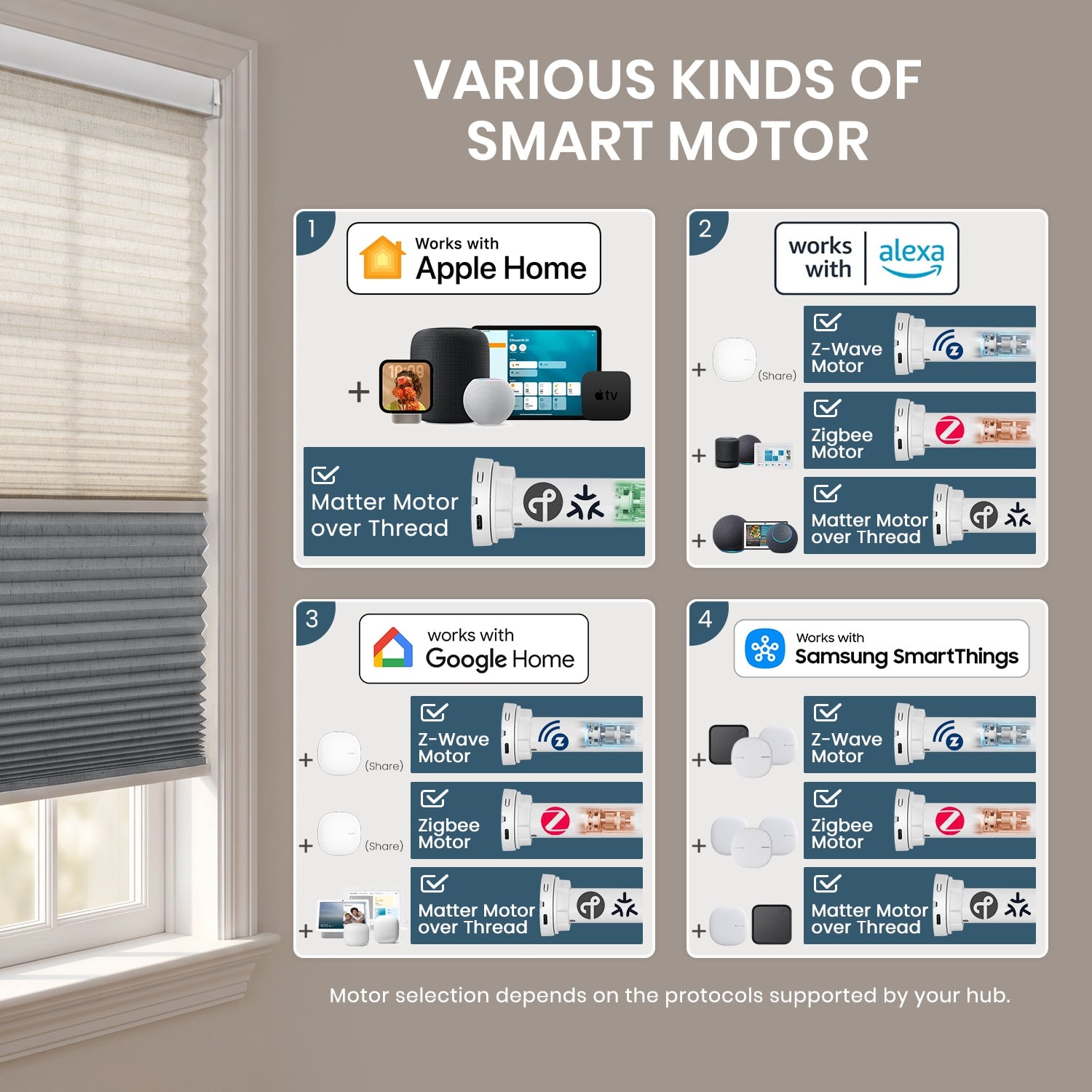
A common worry holds that motorized shades only work with one closed ecosystem, trapping a household in a single app or hub. SmartWings shades connect with Apple HomeKit, Amazon Alexa, Google Home, Home Assistant, SmartThings, Hubitat, Control4, Crestron Home, RTI, and ELAN. That list of supported platforms works against the idea that smart shades lock a household into one ecosystem.
Control happens through a remote, a mobile app, or voice commands, and schedules can follow sunrise and sunset or specific scenes. As a result, a household does not need to tear out an entire automation setup just to add window treatments. For many homeowners, this compatibility question outweighs any worry about the installation itself.
Fabric Samples and Measurement: Why Guessing on Details Leads to Installation Regrets
Even with an easy mounting system, guessing on fabric color or window measurements can lead to a mismatched or ill-fitting result. SmartWings lists fabric samples among its offerings, including Drapery & Curtain samples and 98% Blackout Fabric Lachesis samples in shades like Warm Ivory, Soft Sand, Mushroom, Blush Beige, Silver Mist, and Graphite. Sunscreen fabric samples are also part of the range, covering options like 5% Openness Dune, 0% Openness Metis, and 1% and 3% Openness Aventus.
Pairing an accurate measurement with a confirmed fabric choice lowers the chance of needing to reorder or remount a shade later. Precise window measurements remain one of the most overlooked steps in any smart motorized shades installation project. A shade cut to the wrong width will never sit flush against a frame, no matter how simple the bracket system is.
- Skipping a level check on brackets is a common mistake, and the bracket design still needs careful alignment before the valance snaps in.
- Ordering a shade without first checking a fabric sample can lead to a color mismatch once the shade hangs in the room.
- Assuming all motorized shades require hardwired electrical work overlooks that many models are designed for straightforward bracket mounting instead.
- Forgetting to check platform compatibility before purchase can cause integration headaches, even though a wide range of automation systems is already supported.
- Mounting a valance before the brackets are fully secured can leave shades misaligned, which defeats the purpose of the tool-free snap-in system.
Most of the hesitation around motorized shades comes from outdated assumptions rather than current product design. Mounting brackets, snap-in valances, and broad automation compatibility have reshaped what fitting a shade actually looks like.

Sorry, the comment form is closed at this time.