
30 Oct A Healthier Home Starts Below: Understanding Crawl Space Moisture and Air Quality
A comfortable home depends on more than attractive interiors, modern appliances, and efficient heating or cooling. The spaces beneath a house can also influence its overall condition, particularly when moisture, humidity, and poor ventilation become ongoing problems. Crawl spaces are often overlooked because they are hidden from everyday view, yet maintaining them can be an important part of protecting a property.
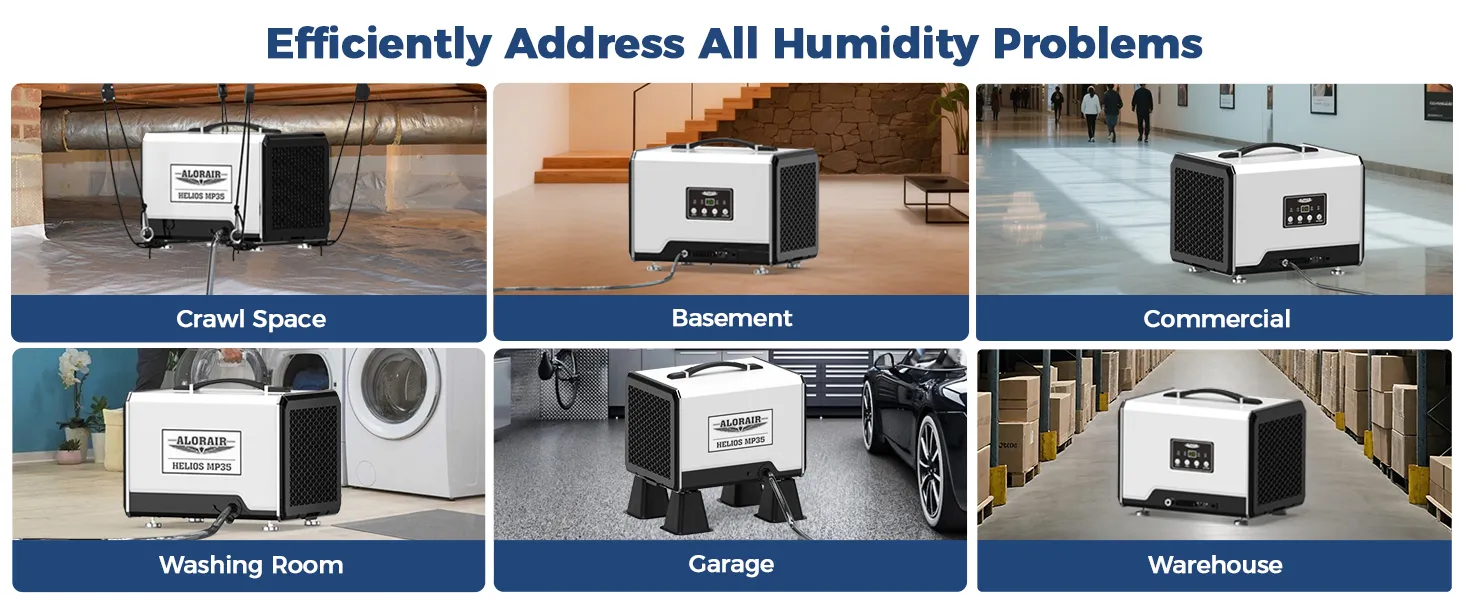
For homeowners looking to understand crawl space maintenance and moisture management, AlorAir Crawlspace offers a starting point for exploring equipment and solutions designed for challenging indoor environments.
Why Crawl Space Conditions Matter
Crawl spaces can be affected by groundwater, seasonal rainfall, humid outdoor air, plumbing leaks, and inadequate drainage. When moisture accumulates, the environment may become more difficult to manage. Damp conditions can contribute to musty odors, encourage mold growth on susceptible materials, and affect the durability of wood and other building components.
These problems do not always remain confined to the space beneath the house. Depending on the home’s construction and air movement, air from the crawl space can influence indoor conditions. That makes inspection and moisture control valuable parts of a broader home maintenance routine.
Homeowners should periodically check for standing water, condensation, damaged insulation, visible mold, and signs of plumbing leaks. Persistent moisture deserves attention rather than a temporary cosmetic fix.
Understanding Dehumidification
A crawl space dehumidifier is designed to remove excess moisture from the air. By helping maintain a more controlled humidity level, suitable equipment can support a drier environment and reduce the conditions that encourage certain moisture-related problems.
When exploring AlorAir Crawlspace, homeowners should consider the size of the area, typical humidity levels, drainage conditions, and how the equipment will be installed and maintained.
Capacity is especially important. A unit that is unsuitable for the space may struggle to maintain the desired conditions or operate inefficiently. Features such as automatic humidity controls, drainage options, accessible filters, and operating specifications can also influence long-term convenience.
Dehumidifiers Are Only One Part of the Solution
Moisture control works best when the underlying cause is addressed. If water enters through foundation openings, damaged plumbing, or poor exterior drainage, a dehumidifier alone may not resolve the problem.
Homeowners should inspect gutters and downspouts, direct rainwater away from the foundation, repair plumbing leaks, and investigate recurring standing water. Depending on the property, vapor barriers, insulation improvements, or professional crawl space encapsulation may also be appropriate.
The right combination depends on local climate, soil conditions, foundation design, and the source of the moisture. A qualified contractor can help identify problems that require structural or drainage work.
Choosing Equipment for Long-Term Use
Before purchasing crawl space equipment, compare specifications rather than focusing exclusively on price. Consider the manufacturer’s stated operating conditions, water removal capacity, energy consumption, warranty terms, installation requirements, and availability of replacement components.
It is also worth thinking about access. Crawl spaces can be difficult to enter, so equipment that is straightforward to inspect and maintain may offer practical advantages over time.
Browsing AlorAir Crawlspace can help homeowners explore available moisture-management equipment and identify options worth comparing against their property’s requirements.
Build a Consistent Maintenance Routine
Effective crawl space care does not end after equipment installation. Check humidity readings, inspect drainage, examine accessible plumbing, and look for new signs of water intrusion. Follow the manufacturer’s maintenance schedule and investigate unexpected changes in equipment performance.
For homes with persistent dampness, periodic professional inspections can provide additional reassurance and help identify issues before they become more expensive to address.
Final Thoughts
A well-maintained crawl space supports a more comprehensive approach to home protection. By identifying moisture sources, improving drainage, and choosing appropriately sized equipment, homeowners can manage hidden spaces more effectively.
With careful planning and regular maintenance, resources from AlorAir Crawlspace can be part of a broader strategy for maintaining a dry, comfortable, and well-cared-for property.

Sorry, the comment form is closed at this time.