
30 Oct Novaa Light Pad vs. Novaa Back Pad Comparing NovaaLab’s Flagship Wearable Red Light Therapy Devices
Wavelength numbers repeat across almost every line of red light therapy devices, yet the hardware built around them can look and function completely differently. NOVAALAB LLC sells two wearables that share the same core light output but suit different routines, the Novaa Light Pad and the Novaa Back Pad. Looking at how each one is built, worn, and used day to day helps clarify which fits a particular recovery pattern better.
Understanding Red Light Therapy at 660nm and 850nm Wavelengths
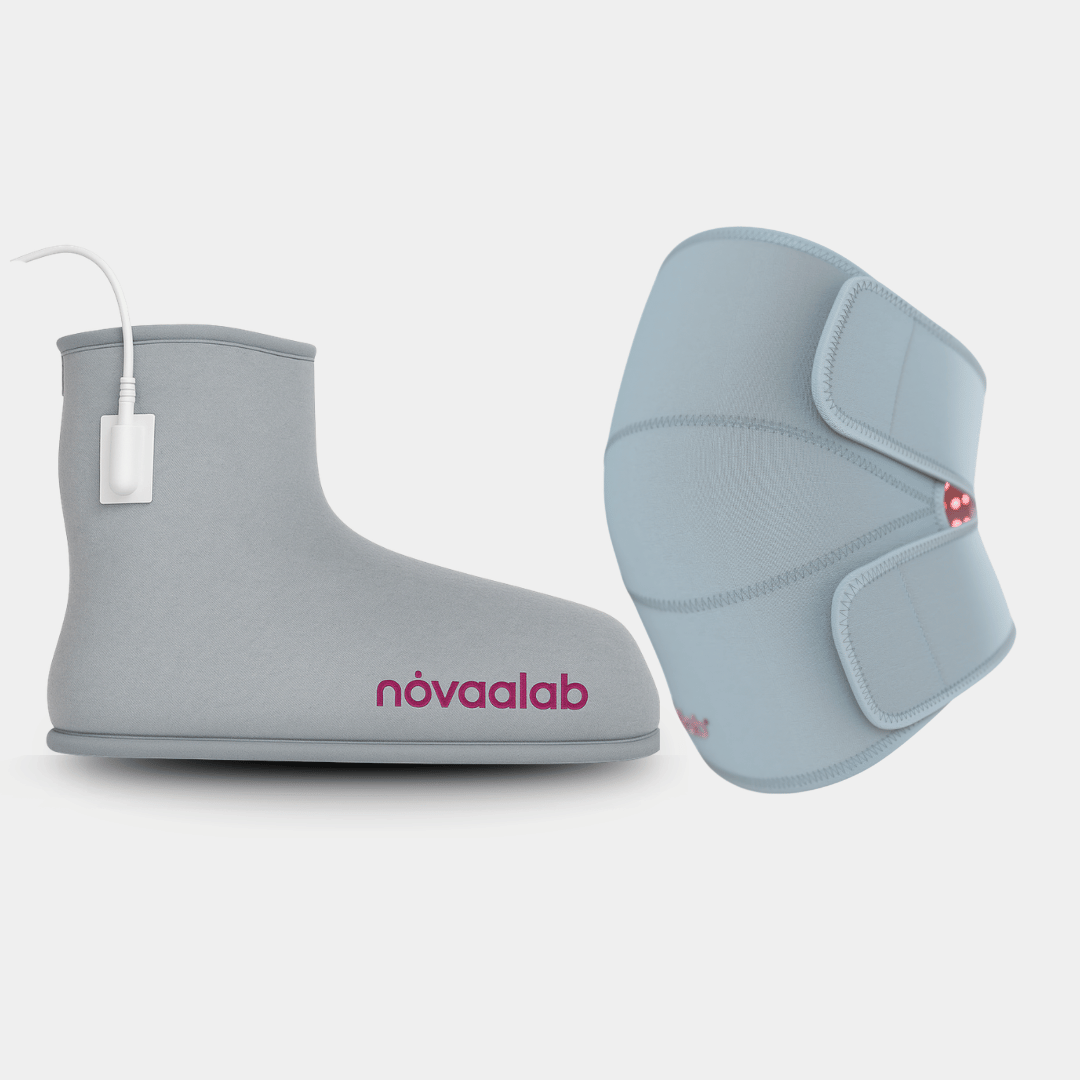
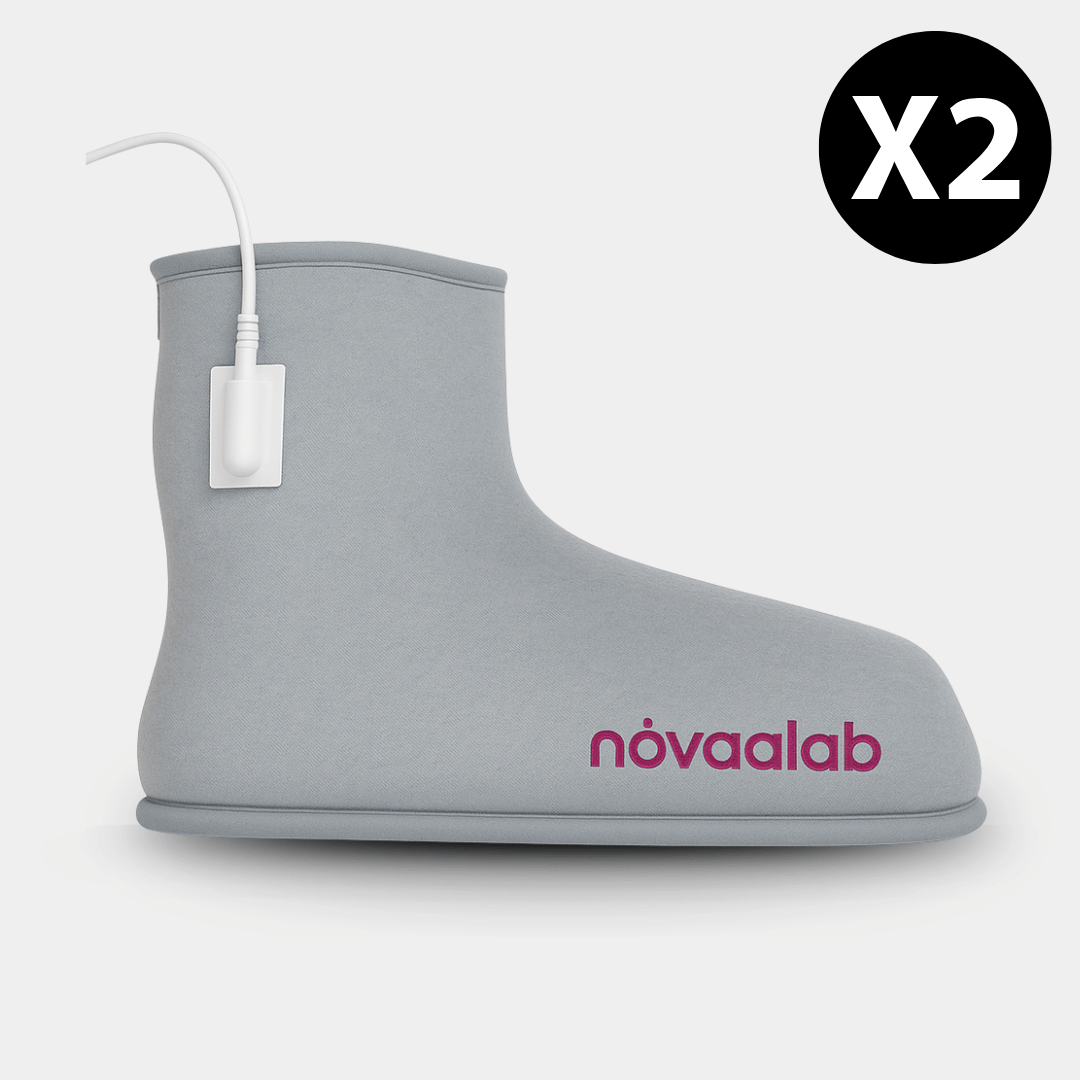
Both devices from NOVAALAB LLC rely on the same pairing of wavelengths found across the brand’s catalog. Red light at 660nm is described as working at the surface, supporting skin and tissue recovery. Near-infrared light at 850nm is paired alongside it in both the Light Pad and the Back Pad, as it is across other products in the lineup such as the Light Boot and Knee Ultra. Because the underlying wavelengths are identical, the real differences between these red light therapy devices come down to form, portability, and added features rather than the light itself.
Novaa Light Pad: Flexible, Portable Recovery for Multiple Body Areas
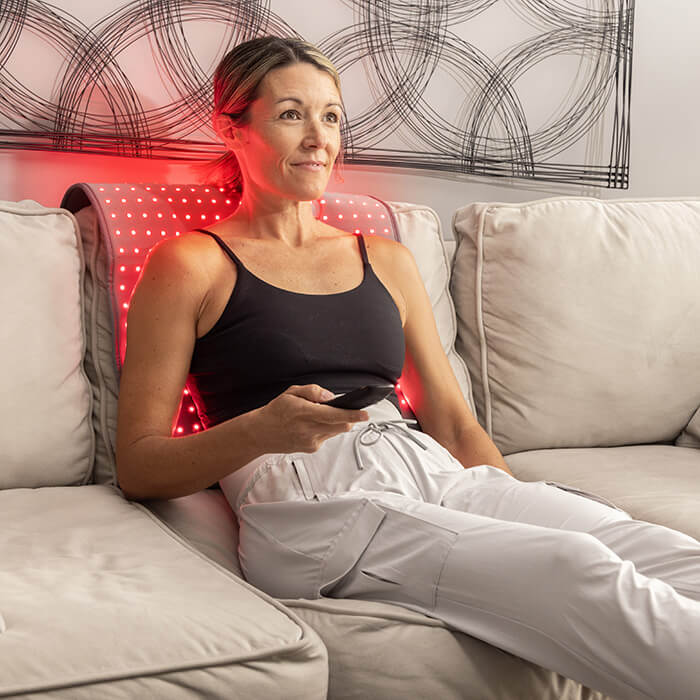
The Novaa Light Pad pairs the 660nm and 850nm wavelengths in a single flat, flexible panel built for at-home relief of back, knee, neck, and joint discomfort, and it comes with a remote control suited to switching the pad between the back, knees, or neck on different days. NOVAALAB LLC markets it toward athletes managing sore muscles, with copy noting it targets the back, shoulders, and arms specifically. Because the pad is not worn like a wrap, it tends to work best as a stationary tool used while lying down or resting against a surface.
Its flexible material lets it conform to a shoulder, a knee, or a lower back area depending on where someone places it. This flexibility is part of why the product is positioned as suited to multiple body areas rather than one fixed zone. As a result, the same unit can rotate through different parts of a routine across a given week.
Novaa Back Pad: Wearable, Cordless Relief with Vibration Integration
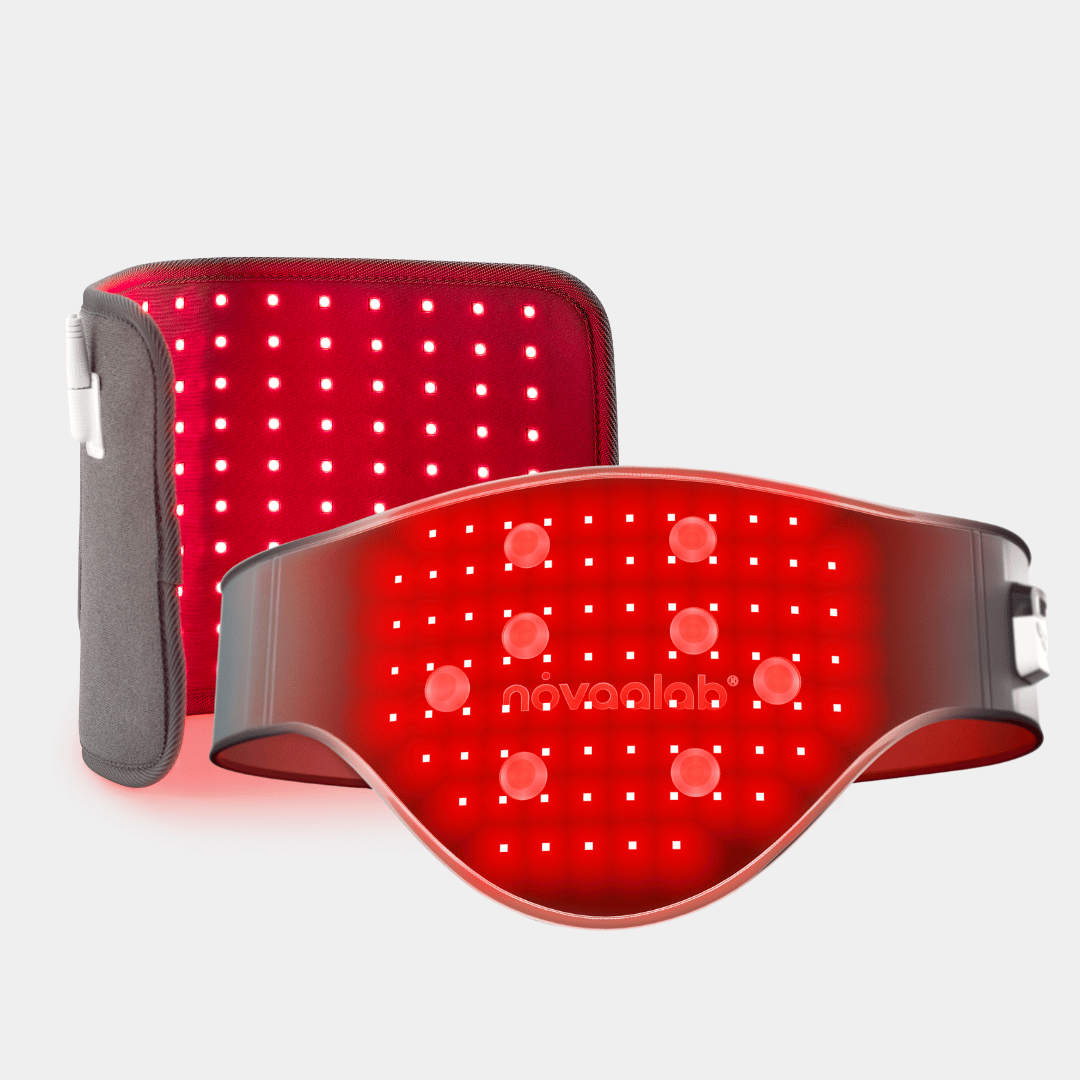
The Novaa Back Pad takes a different approach by being wearable and cordless from the start. It is built specifically for the lower back, spine, and waist, and NOVAALAB LLC describes it as addressing chronic lower back pain, sciatica discomfort, and stiffness. The pad contains 80 medical-grade LEDs, made up of 240 light chips, delivering the same 660nm and 850nm wavelengths used elsewhere in the catalog.
What sets the Back Pad apart is its added vibration function. It includes an 8-point vibration system built into the wrap, combined with light therapy and infrared heat in what the brand calls triple-action relief. Because it runs cordless, the device can be worn while moving around rather than only while seated near an outlet. A one-size wrap secures it in place.
Coverage Area and Treatment Depth: Stationary vs. On-the-Go Therapy
The Light Pad’s flat, flexible design makes it adaptable to several different areas of the body during separate sessions, but each session is generally spent in one spot while resting. The Back Pad, on the other hand, is built around a single targeted zone, the lumbar region and spine, but its cordless design means that zone stays covered while walking, gardening, or doing other light activity. This difference reflects a trade-off between broader body coverage and sustained, uninterrupted use of the same area while on the move.
Treatment depth for both devices relies on the same 660nm and 850nm combination, so neither wavelength profile is deeper or shallower than the other on paper. The distinction instead lies in how consistently the light, and in the Back Pad’s case the added vibration, stays in contact with the treated area throughout a session. Because of that, the coverage pattern, not the light itself, is what separates these two red light therapy devices, and the brand’s own site even offers a short quiz meant to help narrow the choice between its different wearables.
Session Time, Intensity Control, and Daily Use Patterns
Both devices are operated through a remote control, which lets intensity or pulse settings change without interrupting a session. On the Back Pad, that same remote additionally manages the 8-point vibration intensity and pulse mode, layering control over three features at once instead of just the light output. That extra layer of control reflects the added vibration hardware rather than a different approach to the light therapy itself.
Daily use patterns differ as a result of how each product is worn. The Light Pad suits a routine built around resting in one position, while the Back Pad suits a routine that continues through daily movement, since it does not need to stay plugged in or held in place by hand. Both remain part of a broader home therapy catalog alongside the Light Boot and Knee Ultra, which target the feet and knees respectively.
Choosing Between Wearable and Flexible Pad Designs
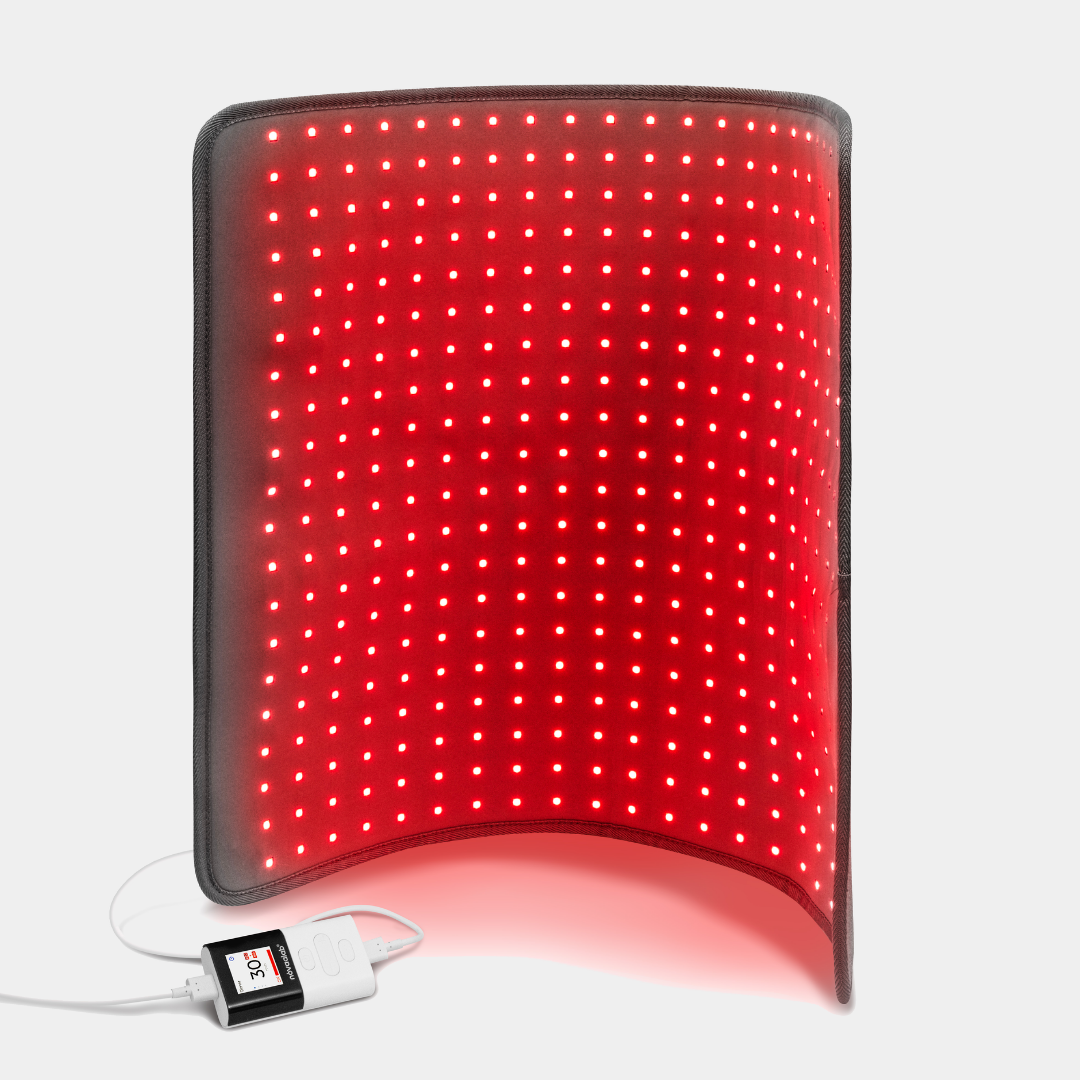
Deciding between the two comes down to whether a stationary, multi-area pad or a cordless, targeted wearable fits better into an existing routine. Someone treating the shoulders one day and knees the next may find the Light Pad’s flexible shape more adaptable. Someone focused specifically on lower back or lumbar discomfort during daily activity may find the Back Pad’s cordless, vibration-integrated wrap more practical for that particular area.
- The Back Pad contains 80 medical-grade LEDs made up of 240 light chips, while the Light Pad’s LED specification is not broken out separately from the Light Pad + Back Pad bundle listing.
- The Back Pad includes an 8-point vibration massage function layered on top of its red and near-infrared light output, a feature the Light Pad does not include.
- The Back Pad runs cordless, letting it be worn during movement, while the Light Pad is used as a flexible pad positioned against the body during a session.
- The Light Pad addresses back, knee, neck, and joint discomfort across multiple body areas, while the Back Pad is built specifically around lower back pain, sciatica, and lumbar stiffness.
NOVAALAB LLC also sells the Light Pad and Back Pad together as a bundle, pairing on-the-go lower back relief with broader at-home coverage for the back, knees, neck, and joints. That pairing reflects how the catalog treats the two wearables as pieces of the same routine rather than as competing choices for the same purpose.
Both devices draw on the same 660nm and 850nm foundation, yet they serve different moments in a day. Choosing between them often comes down to whether relief needs to travel along with someone or simply needs to meet them where they already rest.

Sorry, the comment form is closed at this time.