
30 Oct Understanding Crawl Space Moisture Control for a Healthier Home
A comfortable home depends on more than attractive interiors, quality furniture, and efficient heating or cooling. The areas that remain hidden from everyday view can also influence a property’s condition. One such area is the crawl space beneath a house. When moisture accumulates in this space, it can contribute to unpleasant odors, condensation, deteriorating materials, and ongoing maintenance challenges. Understanding how crawl space moisture develops and how to manage it can help homeowners protect their properties over the long term.
Why Crawl Space Moisture Deserves Attention
Crawl spaces are often exposed to moisture from the surrounding soil, plumbing leaks, humid outdoor air, and water that collects near a building’s foundation. Without appropriate moisture management, damp conditions may persist for extended periods.
Wooden structural components can be particularly vulnerable to prolonged exposure to moisture. Homeowners may also notice musty smells, condensation on pipes, or damp insulation. These warning signs should not be ignored, as they may indicate a problem that requires further investigation.
Taking a proactive approach allows homeowners to identify potential causes early and develop a practical plan before minor concerns become more expensive repairs.
Recognizing Common Sources of Moisture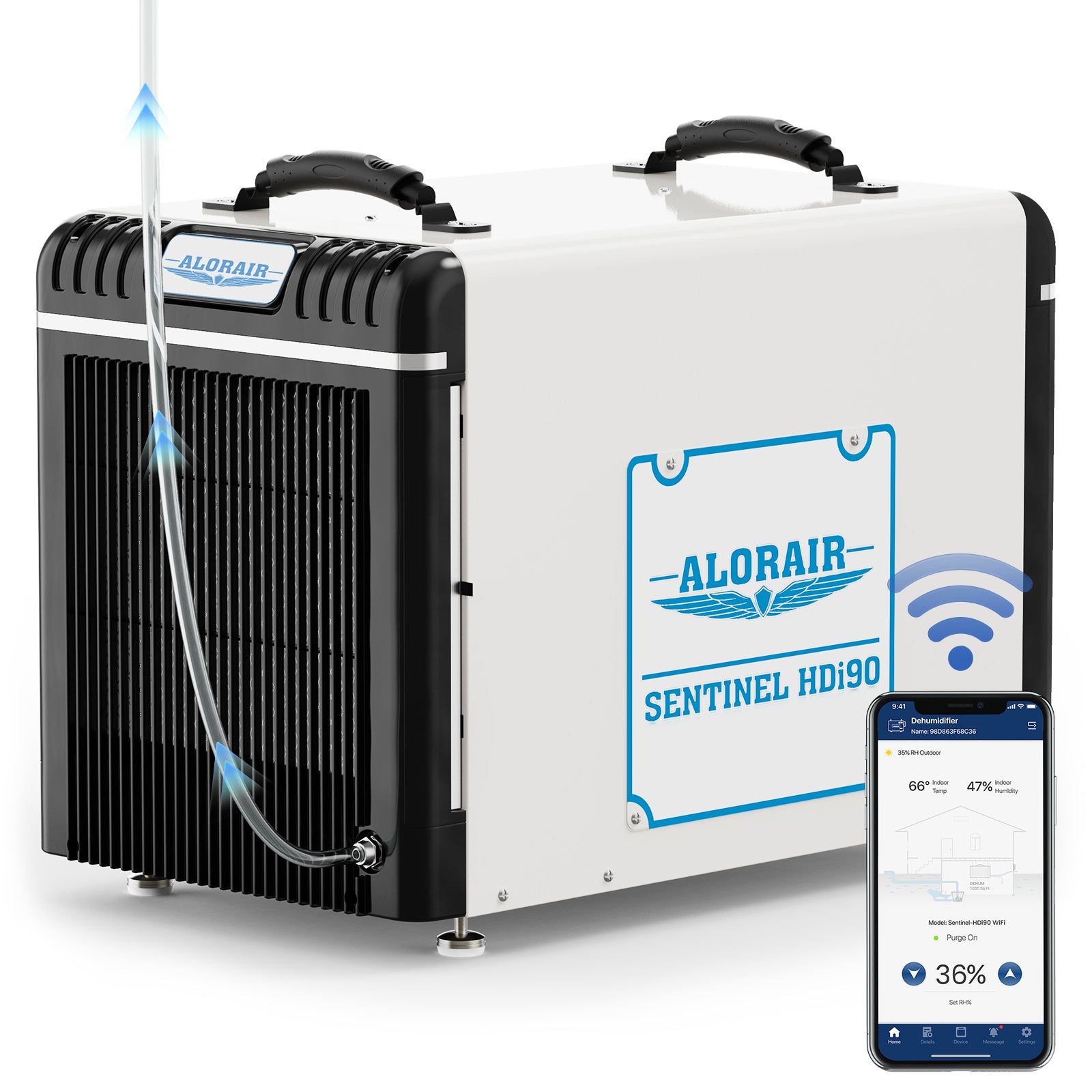
Effective moisture control begins with understanding where the water or humidity originates. Poor exterior drainage is a frequent issue. If gutters become blocked or downspouts release water too close to the foundation, rainwater may collect around the property.
Plumbing leaks can also introduce unwanted moisture into a crawl space. Even a relatively small leak can create persistent dampness when it remains undetected. In other situations, moisture may rise from exposed soil or enter through gaps in the foundation.
Homeowners should inspect these potential sources before deciding which moisture-control products or services are appropriate. Where standing water, significant structural damage, or suspected mold is present, professional assessment may be necessary.
Choosing Suitable Moisture-Control Equipment
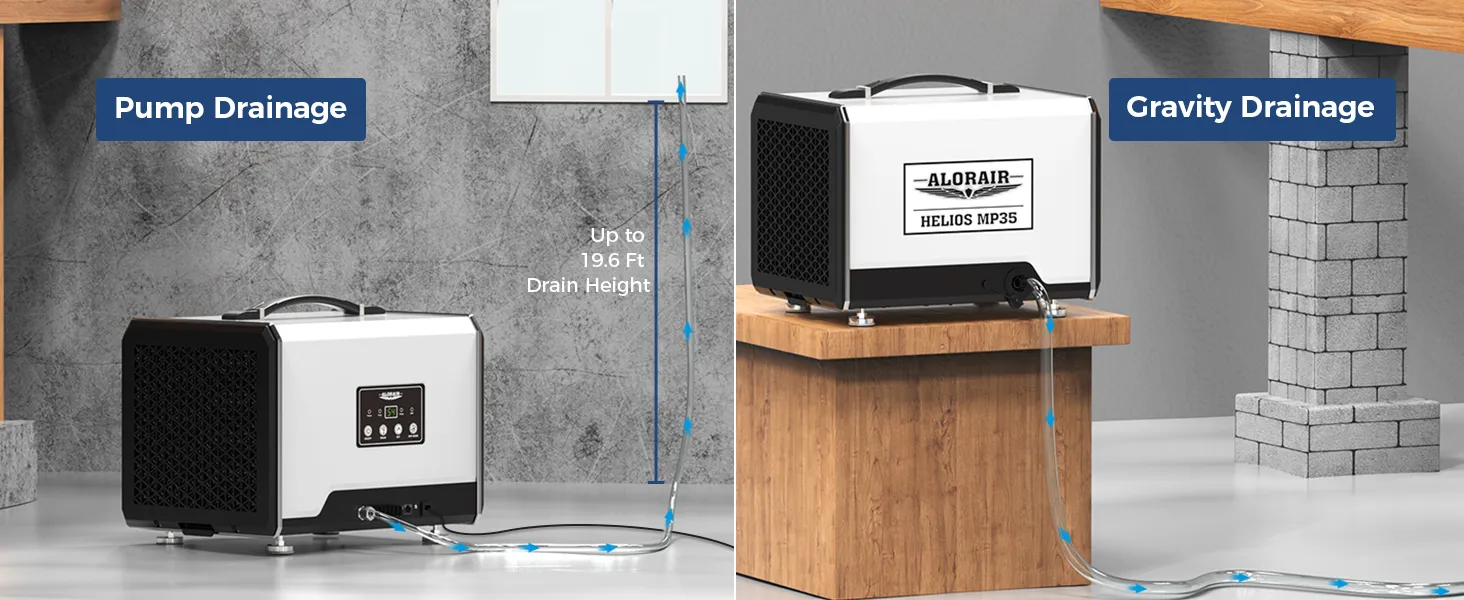
Once the underlying causes have been addressed, appropriate equipment may help maintain more stable humidity conditions. The right solution depends on the crawl space’s dimensions, climate, drainage arrangements, and typical moisture levels.
Homeowners researching specialist equipment can explore Alorair Crawlspace to learn about moisture-management options designed for demanding environments.
Before purchasing a unit, consider its capacity, operating conditions, drainage requirements, maintenance needs, and installation location. Equipment should be selected according to the property’s actual requirements rather than simply choosing the largest available model.
It is also important to follow manufacturer instructions and ensure that electrical connections, drainage arrangements, and installation conditions are suitable for the intended application.
The Importance of Monitoring Humidity
Installing equipment is only one part of a complete moisture-management strategy. Monitoring conditions over time helps homeowners understand whether their efforts are producing the desired results.
A humidity meter can provide useful information about changing conditions in the crawl space. Recording readings at regular intervals makes it easier to identify patterns and notice when humidity begins to rise again.
Homeowners should also inspect the area for new leaks, standing water, condensation, and changes in odor. If humidity remains unusually high despite reasonable corrective measures, further investigation may be needed.
Creating a Practical Maintenance Routine
Regular maintenance can help prevent avoidable problems. Gutters should remain clear, downspouts should direct water away from the foundation, and visible plumbing should be checked for leaks. Equipment filters, drainage lines, and other components should be maintained according to the manufacturer’s recommendations.
For those comparing dedicated moisture-control products, Alorair Crawlspace provides a starting point for researching available solutions.
A seasonal inspection is particularly useful after periods of heavy rain or significant changes in weather. These checks can help identify developing issues before they affect other parts of the property.
A Long-Term Approach to Home Protection
Crawl space moisture control works best when prevention, monitoring, and suitable equipment are combined. Addressing drainage problems, repairing leaks, and maintaining appropriate humidity levels can help protect the building’s materials and reduce recurring dampness.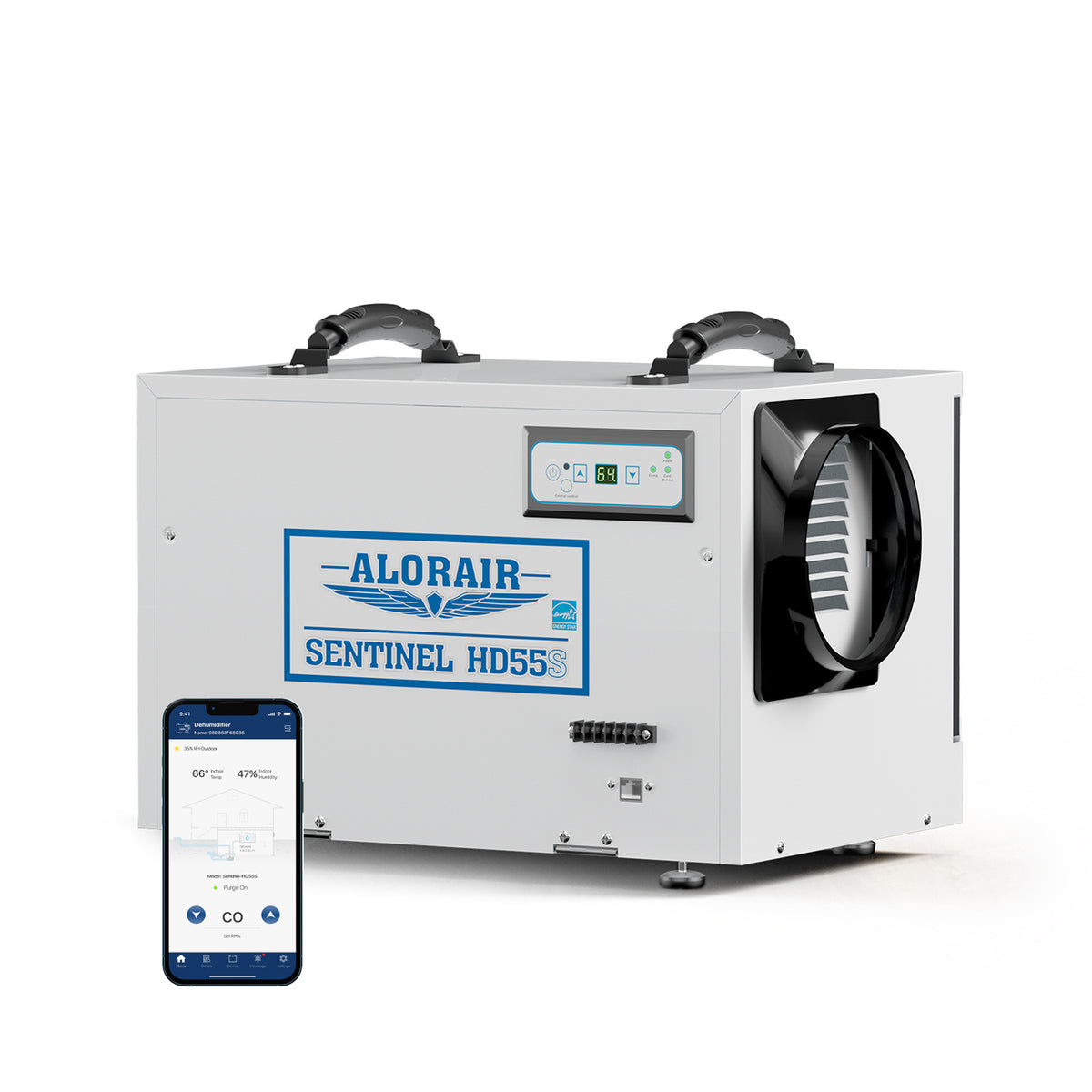
Homeowners who want to compare specialist options can also visit Alorair Crawlspace as part of their research.
Ultimately, a dry and well-maintained crawl space begins with understanding the property’s specific needs. With regular inspections and a sensible moisture-management plan, homeowners can take a more confident and informed approach to maintaining their homes.
For additional product research, Alorair Crawlspace is another resource worth exploring when comparing crawl space moisture-control equipment.

Sorry, the comment form is closed at this time.