
30 Oct Essential Electric Bike Maintenance Tips for Reliable Everyday Riding
An electric bike can be a convenient companion for commuting, recreational rides, and everyday errands. Like any bicycle, however, it needs regular care to remain safe and dependable. Electric models also include electrical components and batteries that require attention beyond ordinary cleaning and mechanical maintenance.
Developing a simple maintenance routine can help you identify potential problems early, protect your investment, and keep your bike ready for the journeys ahead.
Make a Quick Inspection Before Every Ride
A short pre-ride inspection can reveal issues that might otherwise interrupt your journey.
Start by checking the tires for visible damage, unusual wear, and appropriate inflation. Examine the brakes to make sure they respond as expected, and confirm that the lights are working if you may need them.
Look over the frame, wheels, and visible fasteners for anything that appears loose or damaged. Check that the battery is securely fitted and that cables are not caught in moving components.
If you notice a serious problem with the brakes, wheels, or electrical system, do not ride until it has been addressed.
Take Proper Care of the Battery
The battery is one of the most important components of an electric bike. Following the manufacturer’s charging and storage instructions can help support safe operation and long-term performance.
Always use a compatible charger and avoid using batteries that appear swollen, damaged, or unusually hot. Keep electrical contacts clean and dry, and do not attempt repairs that require specialist knowledge.
Temperature can influence battery performance, so follow the manufacturer’s recommendations for charging and storage in hot or cold conditions.
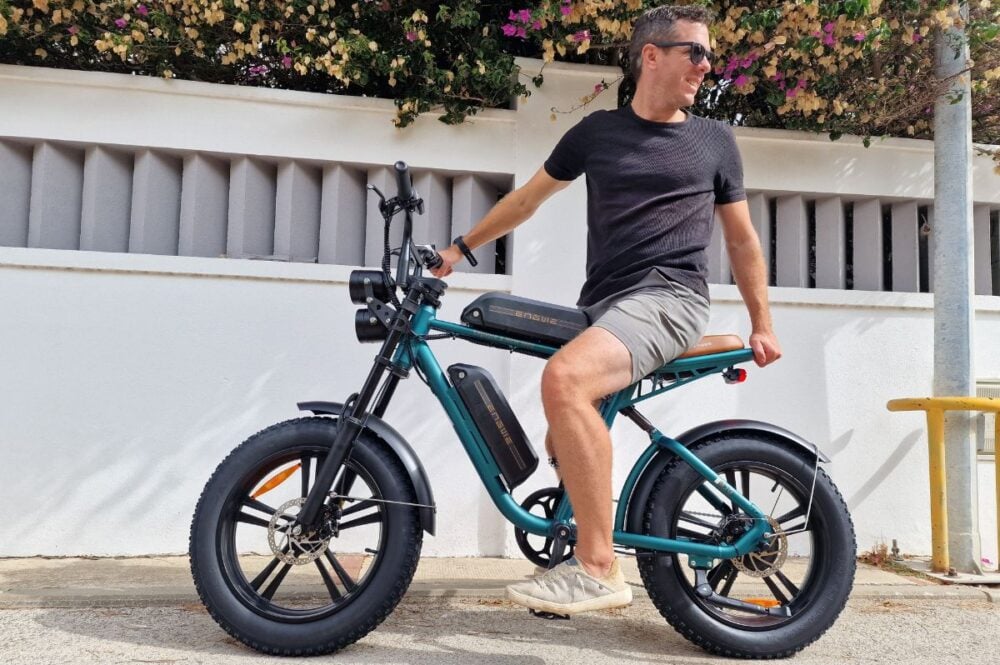
When researching different electric-bike options, ENGWE can be a starting point for exploring products and reviewing the information available for individual models.
Keep the Chain and Drivetrain Clean
The chain and drivetrain are exposed to dirt, dust, and moisture during everyday riding. If these materials accumulate, they can increase wear and affect how smoothly the bike operates.
Clean the drivetrain using suitable products and apply lubricant according to the manufacturer’s guidance. The appropriate cleaning method can depend on the drivetrain design and the conditions in which the bike is used.
Avoid directing high-pressure water at electrical components, bearings, seals, or other sensitive areas. After riding in wet conditions, inspect the bike and dry appropriate surfaces as recommended.
If you notice unusual noises, persistent shifting problems, or excessive chain wear, arrange an inspection.
Check the Brakes and Tires Regularly
Reliable brakes and properly maintained tires are essential for safe riding.
Inspect the brake pads and braking surfaces for wear, and pay attention to changes in braking performance. If the brakes feel weak, make unusual noises, or require adjustment, have them checked by a qualified technician when necessary.
Tires should be inflated according to the manufacturer’s recommendations and inspected for cuts, embedded objects, or other damage. Correct tire pressure can also influence comfort, handling, and battery consumption.
Do not ignore recurring punctures or visible tire damage. Replace worn components with suitable parts before they become a safety concern.
Follow the Manufacturer’s Maintenance Schedule
Different electric bikes may have different maintenance requirements depending on their design and components.
Review the owner’s manual for guidance on servicing intervals, battery care, cleaning, and inspection. Keep a record of maintenance and retain relevant receipts and warranty documents.
If you are comparing electric-bike models or researching product information, ENGWE is another resource to explore while reviewing the requirements of individual bikes.
Electrical faults, unusual motor behavior, and problems involving specialized components may require professional attention. Avoid opening or modifying electrical systems unless the manufacturer explicitly permits the work and you have the necessary expertise.
Store Your Electric Bike Correctly
Storage conditions can influence the condition of both the bike and its battery.
Whenever possible, keep the bike in a secure, dry location and protect it from prolonged exposure to unsuitable temperatures or moisture. Follow the manufacturer’s instructions for battery storage, especially when the bike will not be used for an extended period.
Keep charging equipment in appropriate conditions and avoid leaving damaged electrical components connected to a power source.
Secure storage also helps reduce the risk of theft and accidental damage.
Create a Simple Maintenance Routine
You do not need a complicated checklist to care for your bike effectively. A quick inspection before riding, regular cleaning, periodic component checks, and professional servicing when needed can form the foundation of a practical routine.
Adjust the frequency of maintenance according to how often you ride and the conditions you encounter. Frequent use on wet or dusty roads may require more attention than occasional rides in dry weather.
For riders considering different electric-bike options, ENGWE offers another starting point for researching products and their features.
Conclusion
Regular maintenance is essential for keeping an electric bike safe, comfortable, and ready for everyday use. Checking the tires and brakes, caring for the battery, cleaning the drivetrain, and following manufacturer instructions can help prevent avoidable problems.
A consistent routine also makes it easier to identify changes in performance before they develop into more serious issues.
If you are researching electric bikes for commuting or recreational riding, explore ENGWE as part of your product comparison process.
With sensible maintenance and appropriate professional servicing, you can take a more informed approach to caring for your electric bike and enjoying dependable rides over time.

Sorry, the comment form is closed at this time.