
31 Oct Inmotion Electric Unicycle Lineup Comparing the V9, V11Y, V12S, V14 Pro, P6, and X1
Picking a single wheel from a lineup that spans lightweight commuter models to high-voltage off-road machines is not simple. An honest Inmotion electric unicycle comparison has to look past marketing copy and into motor output, suspension travel, and intended terrain. This piece walks through six current models, from the V9 up to the X1, and lays out what actually separates them.
The Inmotion V9 and V11Y: Lightweight Unicycles for New Riders
The V9 sits at the lighter end of the range, with a wheel weight of only 24kg despite including suspension, which the brand calls its lightest suspended wheel. It carries UL Certification for safety, along with RideConnect, a system built around anti-theft protection and device recovery. Group Ride Audio Sync is also included, letting the V9 pair with other compatible units for shared audio while riding.
The V11Y moves up in power with a 2500W motor and torque rated up to 100N·m, paired with what Inmotion describes as its Raptor Y Controller. It is rated to handle 40° slopes and offers 85mm of suspension travel, a notable step up from the V9’s lighter build. The brand lists a range of 75 miles for the V11Y, along with an extra bumper cover and a battery corner cover for added protection on the chassis.
Inmotion V12S and V14 Pro: Suspension Travel and Off-Road Capability
The V12S brings a 90mm hydraulic suspension setup, a jump in travel compared with the V11Y, aimed at smoothing out rougher surfaces. It includes RideConnect with remote lock, tracking, and alerts, plus Group Ride Audio Sync for connecting with other riders. A 4.3-inch automotive-grade touchscreen handles the control panel, and the V12S also carries UL Certification.
The V14 Pro pushes further into performance territory. The brand states that top speed on this model has been raised from 43.5 mph to 50 mph, while torque increases from 230N·m to 276N·m over the prior version. It uses what is called a custom progressive suspension and is rated to climb 50° inclines, backed by 850N of wheel traction. Separate material on the V14 line also lists a 9000W motor, positioning it among the stronger climbers covered in this Inmotion electric unicycle comparison.
The Inmotion P6: High-Voltage Performance and Speed
Inmotion presents the P6 as its fastest electric unicycle, with a top speed of 93 mph and acceleration from 0 to 30 mph in just 1.9 seconds. It runs on a 235V high-voltage platform with a peak power rating of 20kW, which the brand describes as setting the standard among high-voltage EUCs. A 90mm hydraulic suspension with dual-speed damping is built in, intended to absorb impacts for both city riding and rougher ground.
Beyond raw output, the P6 includes an app-based system for adjusting pedal feel, acceleration, braking, and turning response. It also ships with what the brand calls its IoT System, covering real-time GPS tracking, anti-theft functions, remote control, ride history, and route recording. Together these features position the P6 as the most speed-focused model in the current lineup.
The Inmotion X1: Off-Road Suspension and Technical Trail Riding
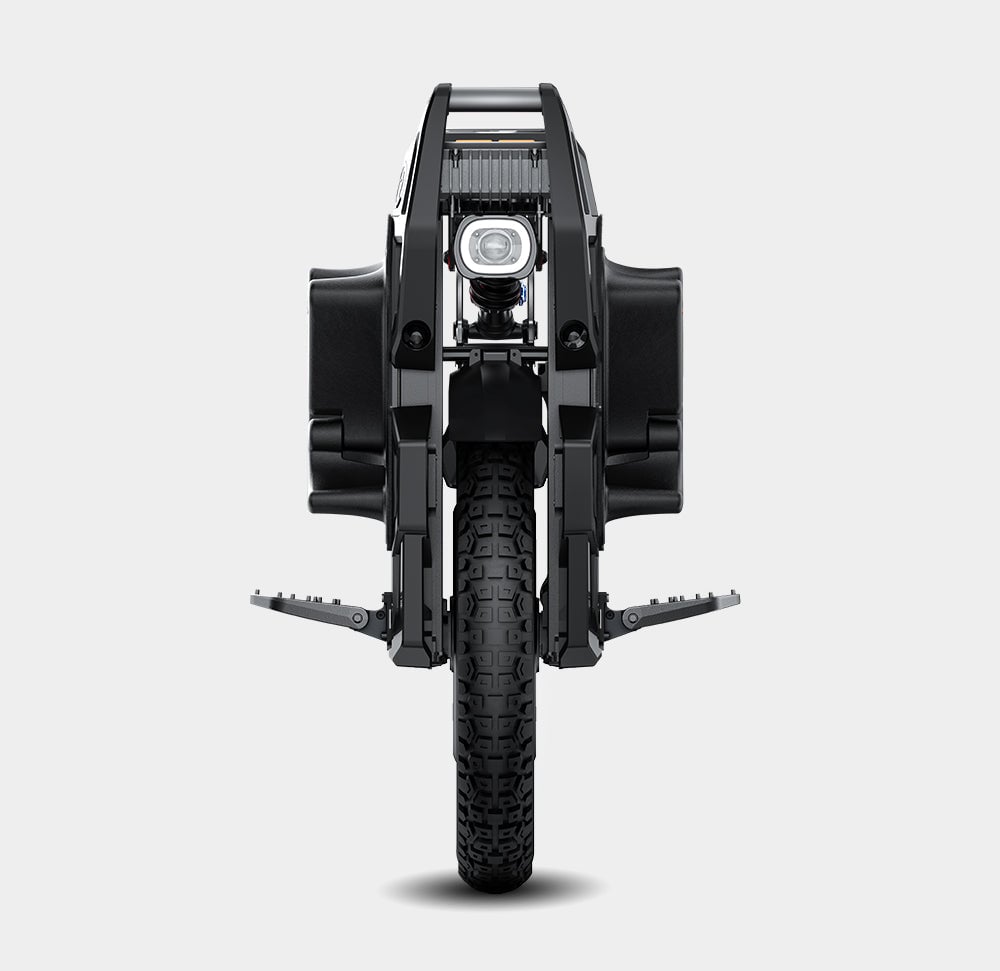
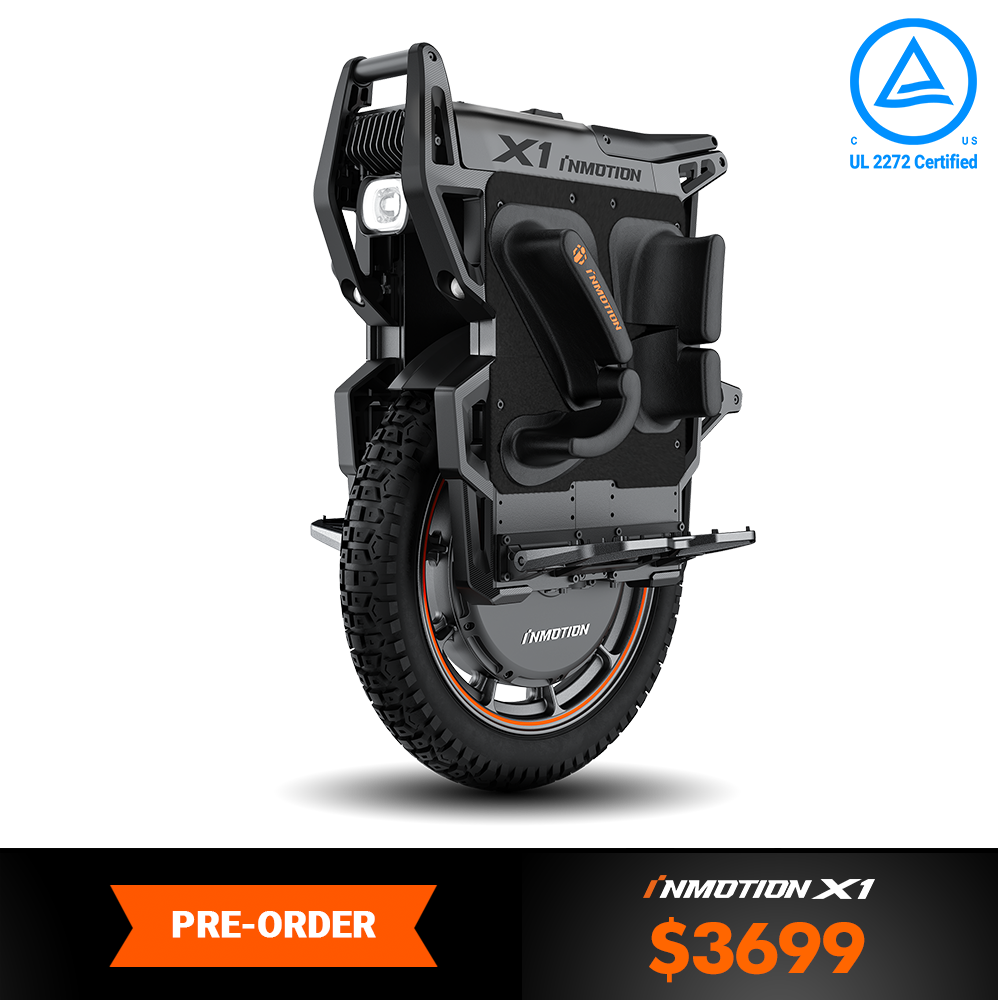
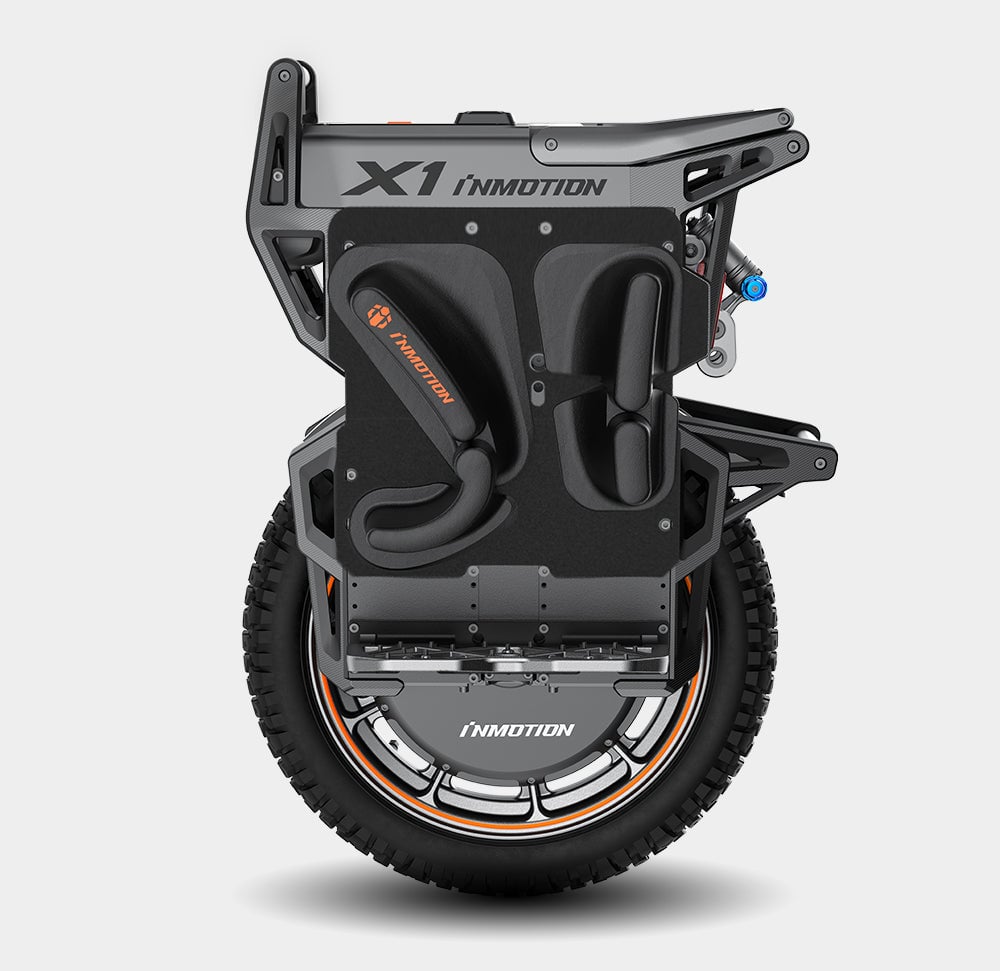
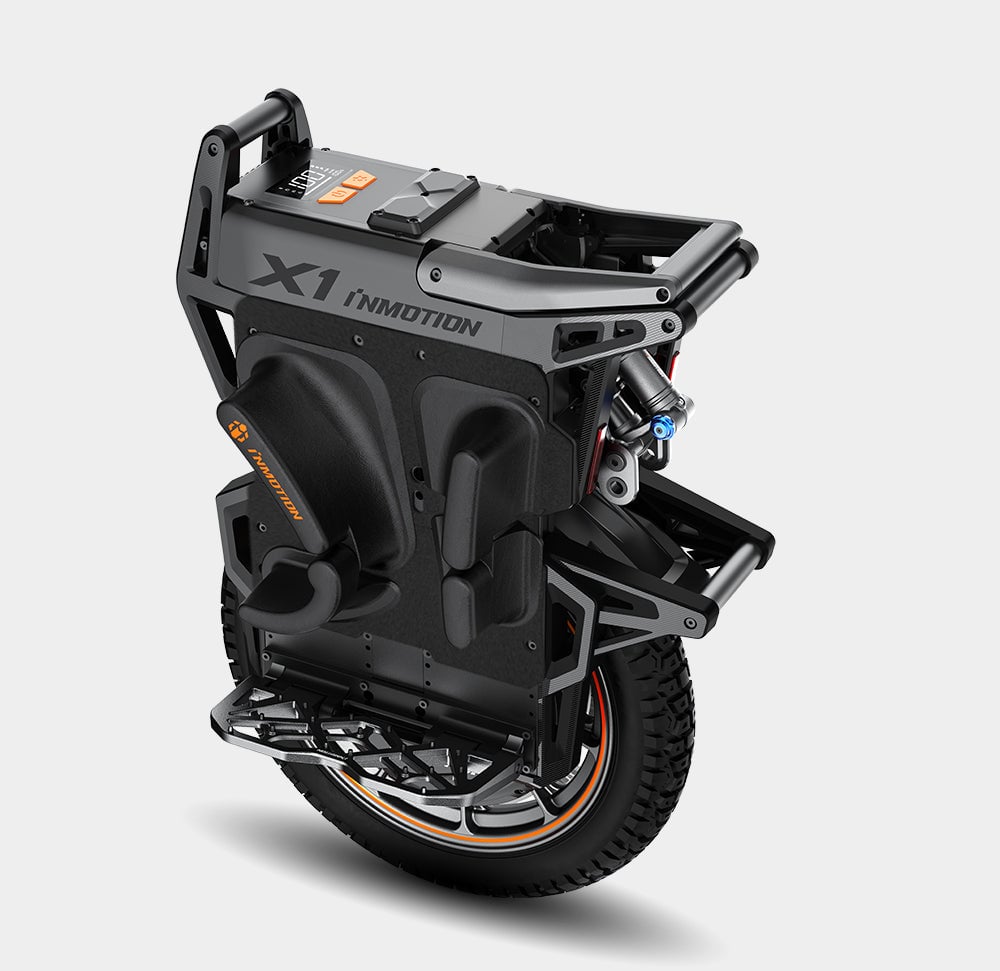
Where the P6 chases top speed, the X1 is built around technical terrain. It runs a 235.2V max platform with 340 N·m of max torque, rated at 6kW continuous power and 20kW peak power, aimed at steep starts, low-speed obstacles, and technical climbs. A 2,100 Wh battery built with EVE 50PL high-discharge cells delivers a stated 43+ miles (70+ km) in mixed-road testing, and the included 16A charger brings it from 0 to 90% in roughly 35 minutes.
Suspension is where the X1 separates itself most clearly from the rest of the range. It offers 150mm of adjustable travel through a progressive linkage, designed to absorb repeated impacts over roots, rocks, and ruts, with adjustable settings and three pedal heights for different setups. The X1 also uses a modular design, so protective parts can be replaced individually after off-road wear, tires can be changed without unplugging the motor cable, and battery packs disconnect separately from the rest of the unit.
Key Specifications Across the Inmotion EUC Range
Lined up side by side, the differences across the lineup become easier to track in terms of raw numbers rather than marketing language. The following points summarize motor output, suspension, speed, climbing ability, range, and standout technology for each model included in this Inmotion electric unicycle comparison.
- The V9 weighs 24kg with suspension included and carries UL Certification along with RideConnect anti-theft protection.
- The V11Y runs a 2500W motor with torque up to 100N·m, 85mm of suspension travel, a 40° slope rating, and a stated 75-mile range.
- The V12S adds 90mm of hydraulic suspension travel, a 4.3-inch automotive-grade touchscreen, and RideConnect with remote lock and tracking.
- The V14 Pro reaches a 50 mph top speed with 276N·m of torque, custom progressive suspension, and the ability to climb 50° inclines with 850N of wheel traction.
- The P6 reaches a 93 mph top speed on a 235V platform with 20kW peak power and 90mm of dual-speed hydraulic suspension.
- The X1 delivers 340 N·m of torque, 150mm of adjustable suspension travel, a 2,100 Wh battery, and a stated 43+ mile mixed-road range.
Choosing Between Inmotion’s Electric Unicycle Models
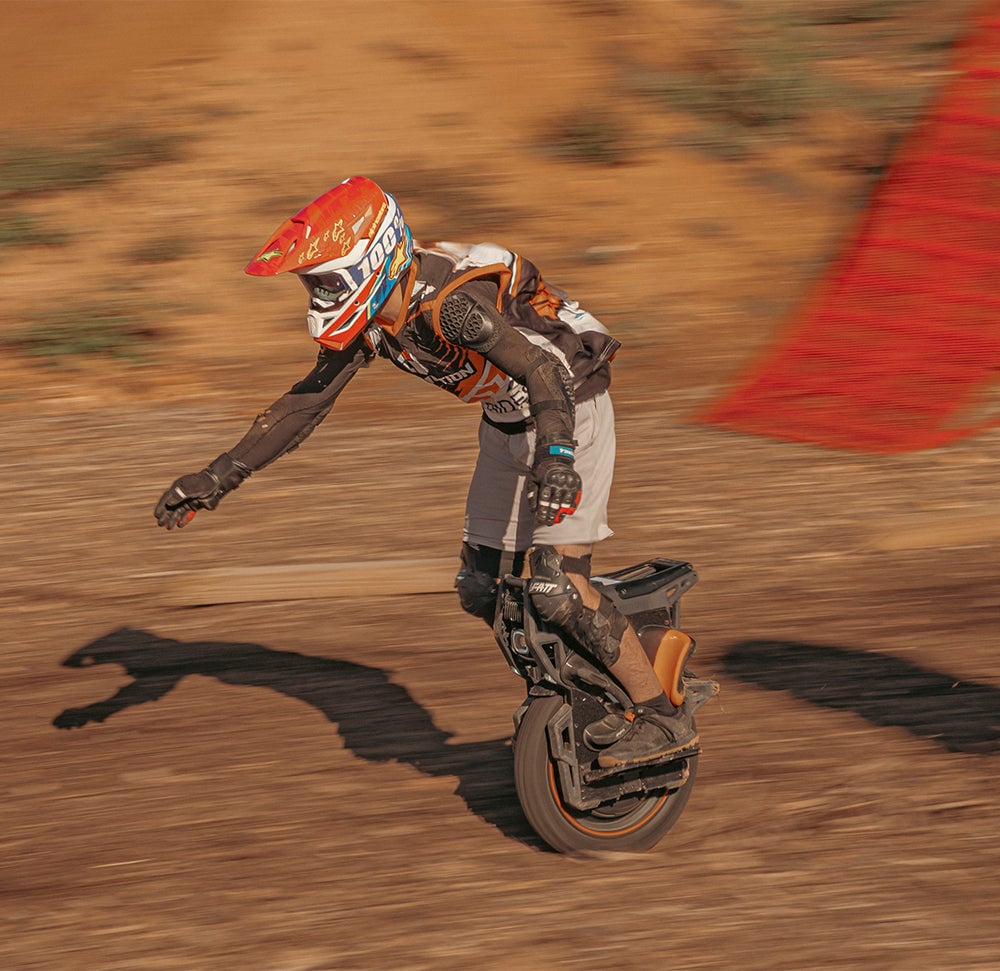
Comparing wheels side by side shows a clear split in purpose rather than a simple hierarchy of power. The V9 and V11Y emphasize lighter builds and manageable torque figures, while the V12S and V14 Pro add suspension travel and climbing ability suited to varied terrain. Any thorough comparison also has to separate speed-oriented engineering from trail-oriented engineering, since the P6 and X1 solve very different problems despite both sitting at the upper end of the lineup.
The P6 is built around voltage, acceleration, and top-end speed, with suspension present mainly to keep that speed rideable. The X1 instead centers on suspension travel, torque at low speeds, and a modular design meant for recurring off-road wear. Reviewing specifications across the unicycle lineup, from the V9 through the X1, makes the distinction between commuting-focused and trail-focused engineering easier to see.
Across the range, the lineup covers a wide spread of torque figures, suspension travel, and battery capacity, which is the real value of weighing these models against one another.

Sorry, the comment form is closed at this time.