
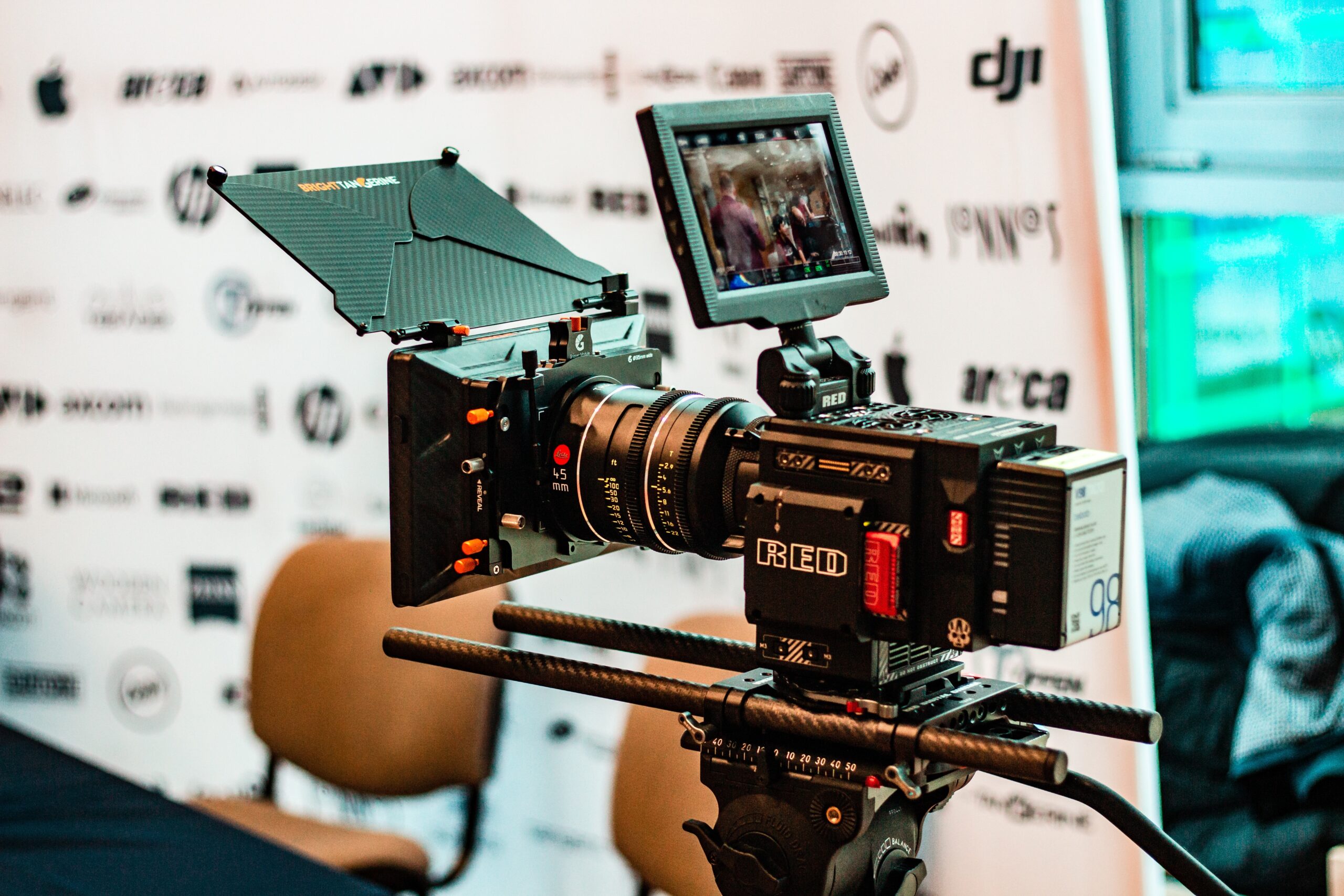
16 Jul Automated Video Production Equipment for Streaming Setup and Content Distribution
Modern content creators and broadcasters face unprecedented demand for continuous content across multiple platforms and formats. Producing high-quality video content at scale requires equipment and workflows that go beyond traditional broadcast systems. Automated video production equipment represents a comprehensive approach to managing the technical complexity of contemporary content creation and streaming while maintaining professional quality standards.
Understanding Automated Production Workflows
Content production workflows historically required specialists for each major role camera operators for framing, lighting technicians for illumination, audio engineers for sound and technical directors for switching and output management. As demand for content has grown exponentially, teams have had to find ways to accomplish more with fewer people. Automated video production equipment handles many of these roles through intelligent systems and mechanical automation. Rather than replacing human creativity and decision-making, automation handles the technical execution, allowing production teams to focus on story, content quality and audience engagement.
Integrated Camera Systems for Multiple Output Formats
Content distribution today requires simultaneous output to multiple platforms and formats. A single production might need to serve traditional streaming platforms like YouTube and Twitch, social media platforms like TikTok and Instagram and direct feeds to websites or broadcast facilities. OBSBOT’s automated production equipment handles this complexity by intelligently adapting output for different platforms. The streaming setup automatically manages aspect ratios, frame rates and encoding parameters appropriate for each target platform. This automation means production teams don’t need to manually adjust settings or create multiple versions of content.
Remote Operation and Distributed Production

Geographic limitations no longer constrain production capabilities. Automated production equipment enables remote operation where a single production team controls multiple camera systems from a central location. This streaming setup capability is particularly valuable for organizations with multiple locations or for situations where deploying a full production team to each location is impractical. Remote operation of automated systems reduces travel costs, allows faster deployment and enables a single experienced production team to serve multiple facilities simultaneously. OBSBOT systems support remote control and monitoring, making distributed production workflows practical.
Reliability for Continuous Streaming Operations
Streaming services require equipment that performs reliably for extended periods without interruption. Unlike traditional broadcast, which operates on scheduled time blocks, streaming often demands continuous or near-continuous operation. Automated production equipment must be engineered with this operational demand in mind. System reliability ensures that stream interruptions due to equipment failure are essentially eliminated. Redundancy in critical components means backup systems activate automatically if primary systems fail. The streaming setup includes monitoring and alerting systems that notify operators of potential issues before they affect the stream.
Integration with Content Management Systems
Professional content distribution involves coordination across many platforms, each with different requirements and technical specifications. Automated video production equipment includes integration with content management and distribution systems that automate the publishing workflow. Rather than manually uploading to each platform and managing metadata for each version, the automation handles distribution to multiple platforms simultaneously. OBSBOT’s integrated production equipment connects with major distribution and streaming platforms, coordinating the movement of content from production through publishing.
Quality Control and Adaptive Bitrate Management
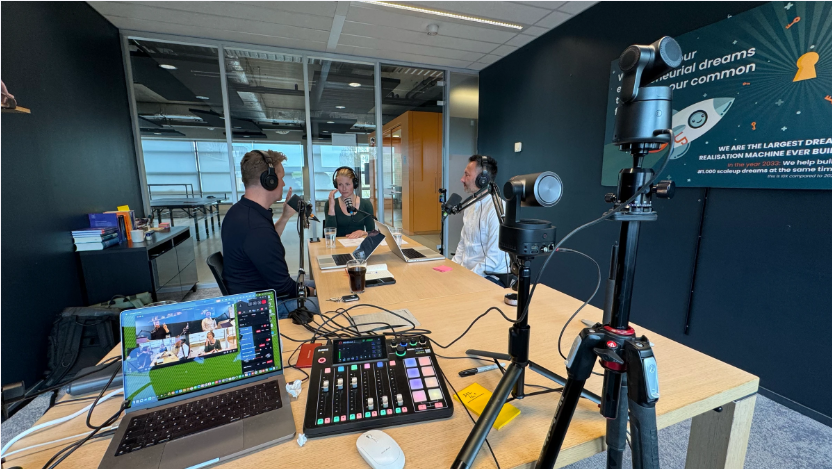
Streaming quality depends heavily on bandwidth availability and connection reliability, which vary based on time, geography and network conditions. Modern streaming setups include adaptive bitrate management that automatically adjusts video quality based on available bandwidth. This automation ensures consistent viewing experience rather than viewers experiencing buffering or quality drops as network conditions change. The equipment continuously monitors output quality metrics and makes adjustments to maintain optimal performance. For automated production workflows, this means quality is maintained without requiring operator adjustment during streaming events.
Scalability for Growing Content Demands
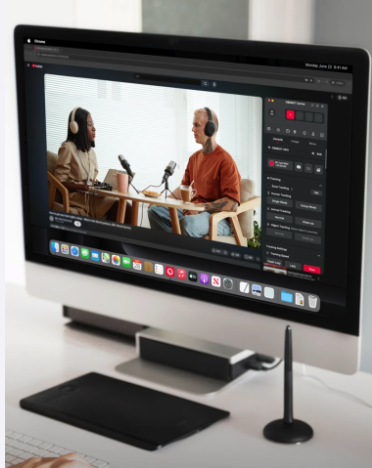
Content requirements evolve as audiences grow and business models develop. Automated video production equipment is designed for scalability, allowing organizations to expand capacity as demand increases. Additional camera systems can be deployed and integrated into existing workflows without requiring fundamental changes to the architecture. Storage, processing and distribution infrastructure can be expanded incrementally. This scalability means initial investment remains relevant as the organization grows. Rather than outgrowing the system, the infrastructure grows with the business, preventing the situation where legacy equipment becomes a bottleneck to growth.
Key capabilities for modern streaming operations
- Simultaneous output to multiple platforms and formats from a single production
- Remote operation capability enabling a single team to manage multiple locations
- Continuous operation with reliability engineering designed for 24/7 streaming requirements
- Automated quality monitoring and adaptive bitrate adjustment based on network conditions
- Integration with content management and distribution systems for coordinated multi-platform publishing
Future-Ready Architecture and Upgradability
Technology in video production evolves rapidly. Streaming platforms regularly update specifications, encoding standards and delivery requirements. OBSBOT Automated production equipment from OBSBOT is designed with upgradability in mind, with software updates that add support for new platforms, encoding standards and automation features without requiring hardware replacement. The modular architecture means that individual components can be updated or replaced as technology evolves. This future-ready design protects your investment by ensuring the system remains current as industry standards and platform requirements change.
Content production at modern scale demands equipment and workflows that handle complexity automatically while maintaining professional quality. Traditional broadcast equipment, designed for scheduled production and limited output, cannot meet the demands of continuous streaming across multiple platforms. OBSBOT Automated video production equipment from OBSBOT provides the technical foundation that modern content operations require. Whether you’re operating a single production facility, managing multiple locations or building a streaming operation from scratch, automated equipment handling composition, quality, distribution and monitoring lets your team focus on content creativity while technology manages technical execution. The result is higher quality content, faster production, lower labor costs and the ability to serve multiple platforms simultaneously.

Sorry, the comment form is closed at this time.