
14 Sep Barking Heads and the Small Food Changes That Can Make Mealtimes Better
Some dogs treat dinner like the highlight of their day. Others sniff the bowl, look at you with mild disappointment, and walk away as though you have personally offended them.
Mealtimes can become surprisingly complicated. A dog that once ate anything may suddenly become picky. Another might eat too quickly, seem hungry soon after dinner, or lose interest in the same food every evening. The temptation is to keep changing everything until something works, but often the better approach is much simpler.
A few small adjustments to what, when and how you feed your dog can make dinner considerably easier.
Stop Turning Every Refused Meal Into a Negotiation
A fussy eater quickly learns how much influence they have over the kitchen.
If ignoring dry food results in chicken from your plate, extra treats or a completely different dinner appearing five minutes later, refusing the first bowl starts to make sense. Dogs are very good at noticing patterns.
A consistent feeding routine can help. Put the meal down at roughly the same times each day and avoid immediately replacing it with something more exciting if your dog loses interest. Too many snacks between meals can also reduce appetite by the time dinner arrives.
Of course, a sudden or persistent loss of appetite is different. If a normally enthusiastic eater stops eating, particularly alongside vomiting, diarrhoea, lethargy or other unusual symptoms, it is sensible to speak with a vet.
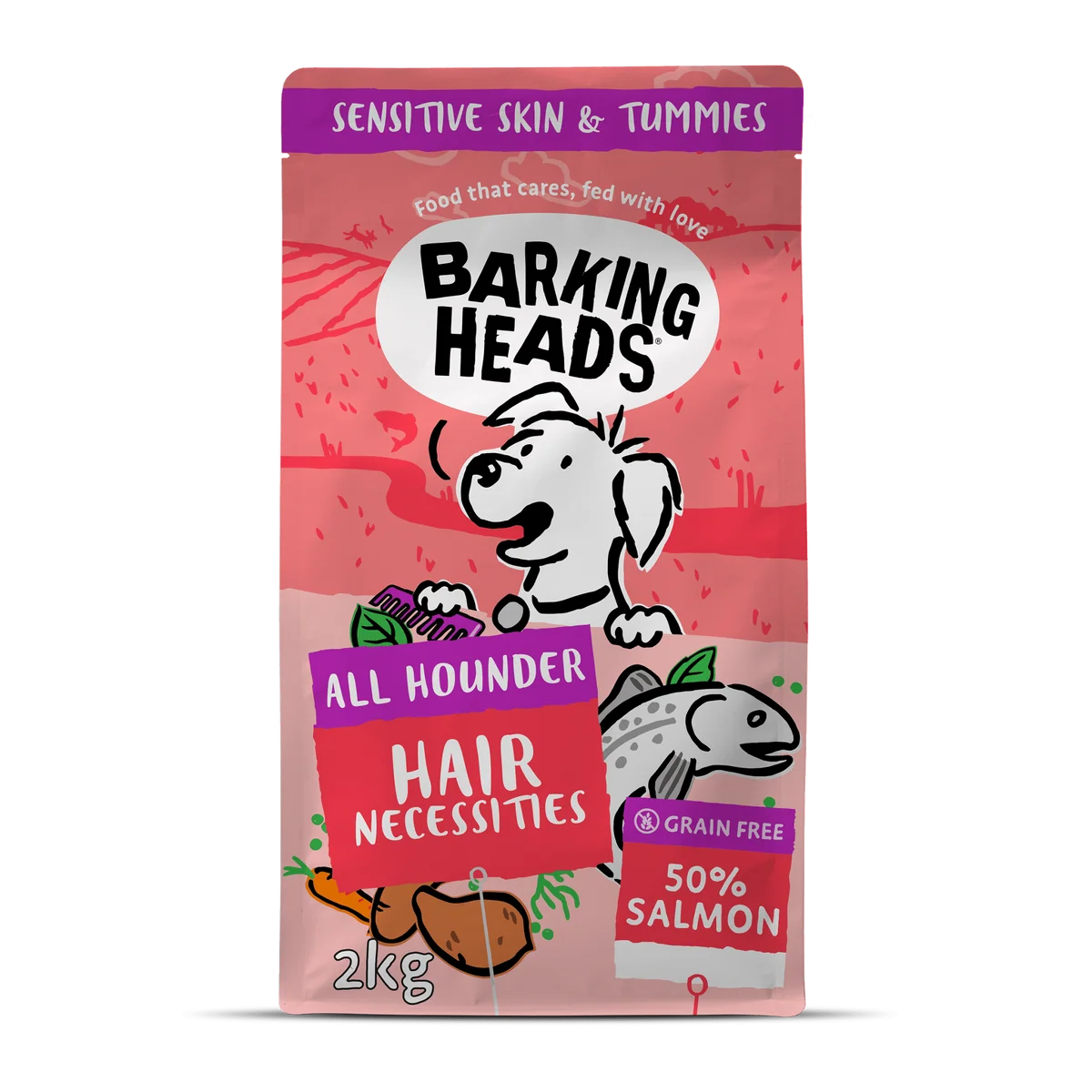
For otherwise healthy picky eaters, Barking Heads offers recipes using different meat and fish options, which can make it easier to find something that genuinely appeals without turning every dinner into an experiment.
Try Changing the Texture Before Changing Everything Else
Sometimes the problem is not necessarily the flavour.
A dog that seems bored with dry dog food might respond differently when a little wet food is mixed through it. Wet food has a stronger aroma and softer texture, while dry kibble is convenient to measure and store. Combining the two can bring some variety to the bowl without requiring an entirely different feeding routine.
This is particularly useful with Barking Heads because its wet recipes are complete foods that can be served alone or used alongside dry food. Its grain-free wet range contains at least 85% freshly prepared meat or fish and includes chicken, beef, lamb and salmon options.
You do need to adjust portions when mixing wet and dry food. Adding half a pouch on top of a normal portion of kibble every evening without reducing the dry food is still adding extra calories.
Give Them Variety Without Creating a Fussy Eater
There is a difference between variety and constantly offering alternatives.
Rotating suitable flavours occasionally can keep meals interesting, especially for dogs that tire of eating exactly the same thing. Barking Heads, for example, has a wet food variety pack containing chicken, lamb and beef recipes. The foods are designed to be complete and balanced, and the variety pack is approved by the brand’s vet for rotational feeding.
That is quite different from opening three different foods during one meal because your dog rejected the first two.
Keeping some consistency matters too. If you are introducing a completely new dog food, changing gradually is generally easier on the digestive system. Barking Heads recommends replacing 25% of the existing food every other day until the dog has fully moved onto the new recipe.
Pay Attention to What Your Dog Actually Needs
It is easy to focus so much on whether a dog enjoys dinner that you forget their nutritional needs can change.
Puppies, adult dogs and senior dogs are at very different stages. Size, activity levels and digestive sensitivities matter as well. A highly active dog tearing around outdoors every day may have different requirements from an older dog whose preferred exercise is moving from the sofa to the sunny patch by the window.
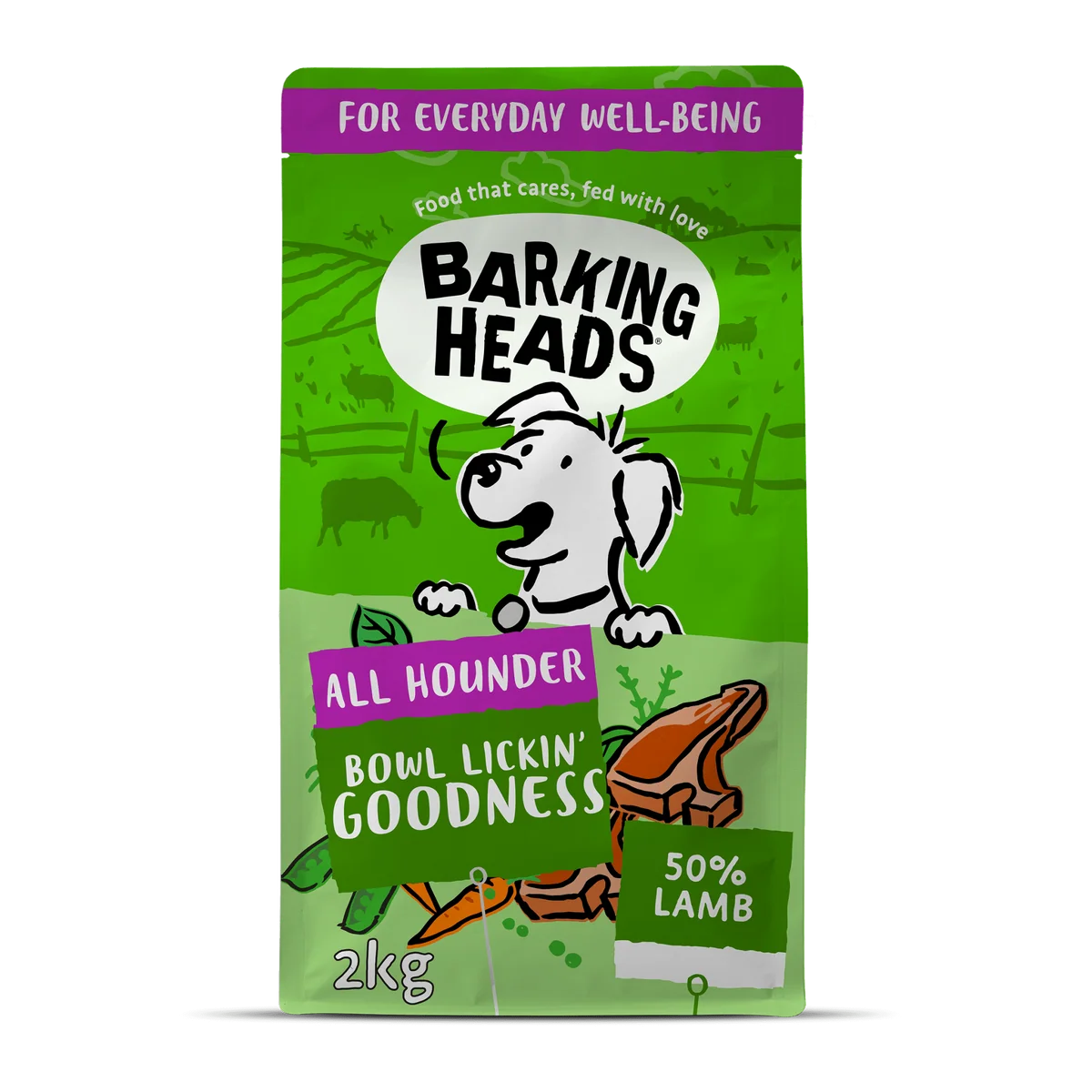
This is one reason Barking Heads does not rely on one general recipe. Its range includes puppy food, senior dog food, options for sensitive stomachs and recipes aimed at fussy eaters. The ingredients vary accordingly, with combinations of meat or fish, vegetables, oils, vitamins and minerals.
The right portion matters just as much. Feeding guides are useful starting points, but your dog’s body condition, activity and individual circumstances should guide adjustments.
Make Dinner a Little Less Boring
Food does not always have to arrive in the same bowl in the same corner of the kitchen.
Some dogs enjoy working for part of their meal. A portion of kibble can be used during training, scattered safely for sniffing games or placed in an appropriate food enrichment toy. These simple changes can make eating more engaging without adding unnecessary treats.
Even something as straightforward as topping kibble with a small amount of wet food can make the familiar meal smell and feel different.
The useful thing about Barking Heads is that there is enough choice to make those adjustments without making feeding unnecessarily complicated.
Better mealtimes rarely require a dramatic overhaul. A sensible routine, suitable portions, good-quality food and a little variety can go a long way. Pay attention to what your dog enjoys, but also to what keeps them healthy.
After all, an empty bowl is satisfying. A dog that is eating well and getting the nutrition they need is what actually matters.

Sorry, the comment form is closed at this time.