

29 Oct Can SPIEZ Work Shoes Make a 12-Hour Shift More Comfortable?
Twelve hours is a long time to spend on your feet. By the time your shift ends, even the walk from your workplace to your car can feel exhausting. Your heels ache, your toes feel cramped, and the first thing you want to do when you get home is take your shoes off.
Anyone who works in healthcare, hospitality, retail, or a warehouse knows this feeling. The physical demands of these jobs are unavoidable, but the discomfort caused by unsuitable footwear doesn’t always have to be.
This raises an interesting question: could choosing the right work shoes make those long shifts noticeably easier?
SPIEZ is one footwear brand worth considering, particularly for workers who want practical protection without sacrificing everyday comfort.
Twelve Hours Can Expose Every Weakness in Your Shoes
A pair of shoes might feel perfectly comfortable during a quick walk around the house. Wear them for twelve hours on a hard hospital floor, however, and you may have a completely different opinion.
Long shifts put repeated pressure on your heels, arches, and the balls of your feet. Standing still can be just as uncomfortable as walking, especially when your shoes don’t fit properly.
Footwear that feels slightly tight in the morning may become uncomfortable later as your feet naturally swell throughout the day.
Then there’s the problem of workplace surfaces. Concrete, tiles, and other hard flooring materials offer little forgiveness when you’re constantly moving.
This is why comfortable work shoes need more than a soft interior. They should provide an appropriate fit, suitable cushioning, reliable traction, and enough support for the tasks you perform.
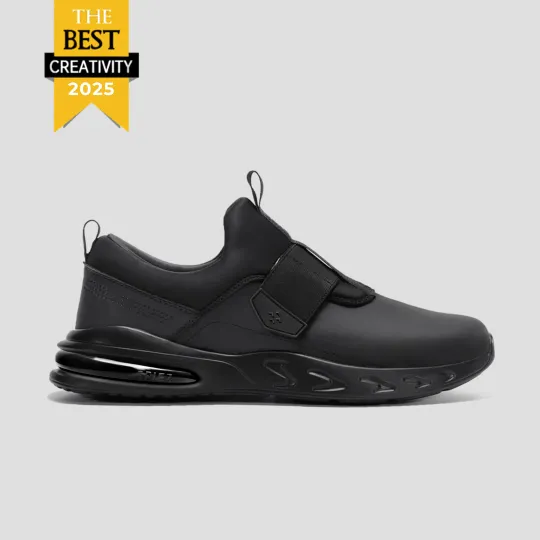
What SPIEZ Brings to the Conversation
Traditional safety footwear has often prioritised durability and protection over appearance. Some workers are perfectly happy with heavy industrial boots, while others would prefer something less bulky.
SPIEZ takes an approach that combines workplace functionality with more contemporary footwear designs.
Its collection includes options intended for different working environments, with features such as slip-resistant outsoles, cushioning, and protective construction available on selected models.
What makes this interesting is that comfort means different things depending on your profession.
For someone working in a restaurant kitchen, grip may be the deciding factor. For a warehouse employee, toe protection could be essential. A healthcare professional walking between departments might prioritise lightweight footwear and cushioning.
Rather than assuming every worker needs the same shoe, it makes more sense to match the footwear to the job.
Would You Notice the Difference by Hour Eight?
Imagine two typical working days.
On the first, you’re wearing shoes that are slightly too narrow, have worn-out cushioning, and feel heavy whenever you walk. By lunchtime, you’re already thinking about sitting down.
On the second, you’re wearing shoes that fit properly, provide adequate room for your toes, and have cushioning suited to the surfaces you work on.
You might still feel tired after twelve hours. That’s completely normal. But your footwear may be contributing less unnecessary discomfort.
This is the practical appeal of exploring SPIEZ work shoes.
Of course, it’s important to keep expectations realistic. No brand can guarantee pain-free shifts, and the most comfortable option for one person might feel unsuitable for another.
The real goal is finding footwear that works with your feet rather than against them.
Don’t Confuse Soft Shoes With Supportive Shoes
One mistake people make when buying work footwear is assuming that softer automatically means better.
Extremely soft shoes can feel pleasant initially, but cushioning alone doesn’t determine whether footwear will remain comfortable throughout a demanding day.
Pay attention to how securely your heel sits, whether your toes have room to spread, and whether the sole feels stable when walking.
If your workplace requires protective footwear, check the relevant safety standards before purchasing. Slip resistance and protective toe construction are not interchangeable features, and specifications vary between models.
The SPIEZ collection provides an opportunity to compare different work shoe designs, but choosing the right pair still requires understanding your individual needs.
The Real Test Happens After Several Shifts
There’s no reliable way to judge twelve-hour comfort from appearance alone.
When trying new work shoes, pay attention to how your feet feel at different points during the day. Are your toes cramped? Does your heel slip? Do you notice pressure around your arches?
A short adjustment period can be normal, but persistent pain or rubbing shouldn’t be ignored.
It’s also worth checking the fit with the socks you normally wear to work. Something as simple as sock thickness can change how a shoe feels.
Before ordering from SPIEZ, compare the available models, read their specifications, and check the sizing and return information.
So, Can Better Work Shoes Really Help?
They certainly can make a difference, particularly if your current footwear is poorly fitted, worn out, or unsuitable for your workplace.
That doesn’t mean buying a new pair will eliminate every ache after a twelve-hour shift. Your workload, physical health, and time spent standing all play a part.
But if you’re spending most of your waking hours in work shoes, choosing them carefully makes sense.
A twelve-hour shift will probably never feel like a relaxing afternoon. Your shoes, however, shouldn’t make it harder than it already is.

Sorry, the comment form is closed at this time.