
14 Sep Choosing a Red Light Therapy Format for a Practical Home Routine
Begin With the Area and the Routine
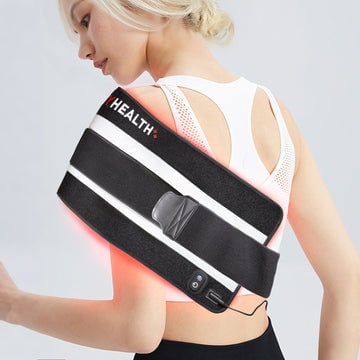
Home red light therapy devices come in very different shapes, and the format often determines whether the equipment is used consistently. A full-body mat or bag requires more space and a longer setup than a small wrap. A face mask may fit into a seated routine while a belt can be positioned around a particular area. The best starting point is therefore not the largest device but the part of the body the user intends to treat and the time available for each session.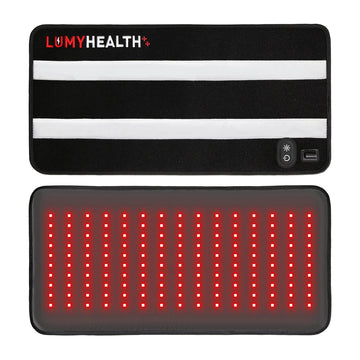
People should also separate general wellness interest from medical treatment. Red and near-infrared light products are widely marketed for recovery, skin appearance and comfort, but they should not be used as a substitute for diagnosis or professional care. Anyone with a medical condition, photosensitivity or medication that affects light sensitivity should ask a qualified clinician whether a device is appropriate before beginning a routine.
Someone comparing home equipment can review LumyHealth for formats that include mats, bags, belts, wraps, boots, face devices and LED panels. The broad range makes it possible to choose between targeted and larger-area coverage, but the user should read the instructions for the specific model rather than assuming that exposure time or positioning is the same across products.
A device should also fit the available space. Full-body equipment needs a clean flat surface and enough room for safe entry and exit. Panels need stable placement and appropriate distance. Wraps should sit comfortably without restricting circulation. Planning the physical setup before ordering prevents a device from becoming difficult to use simply because the room is too small.
Understand Wavelengths Without Treating Numbers as Guarantees
Many home systems combine red light and near-infrared wavelengths. The exact wavelength, intensity and recommended distance affect how a session is used. Consumers should avoid assuming that a larger number of LEDs or a more complicated specification automatically produces a better result. The relevant question is whether the device clearly explains its output, intended distance and session guidance.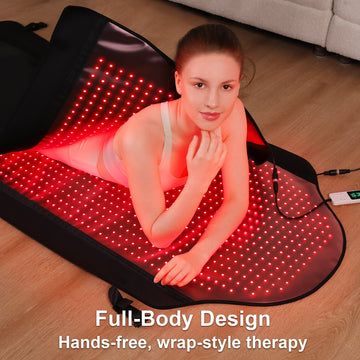
People considering Lumy Health can compare products by coverage area, flexibility and control features rather than choosing only by price or appearance. A belt may suit someone who wants targeted sessions while a mat can cover a broader area. A face or head device serves a different purpose and should not be treated as interchangeable with body equipment.
Eye protection deserves attention. Some devices require protective eyewear while others have model-specific directions for use around the face. Bright LEDs can be uncomfortable even when a device is designed for cosmetic or wellness routines. The user should follow the supplied instructions and never improvise exposure around the eyes.
Practical Checks Before the First Session
A short setup review can make home use more consistent and reduce avoidable problems.
- The device should be used only for the body area and session pattern described by the manufacturer.
- Skin should be checked for irritation, unusual sensitivity or products that may increase light sensitivity.
- A user can review Lumy Health while comparing coverage area, controls and storage requirements.
- Power cables, connectors and fabric surfaces should be inspected before use.
- Any unusual pain, burn-like sensation or persistent reaction should lead to stopping the session and seeking appropriate advice.
Build Consistency Without Overusing the Device
More exposure is not automatically better. A routine should follow the stated session duration and frequency rather than increasing both because results seem gradual. Skin and tissue need time to respond, and excessive use can create discomfort without providing additional benefit. A simple schedule is easier to evaluate than irregular long sessions.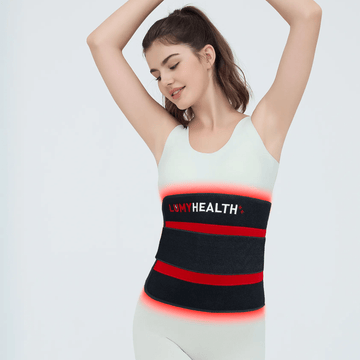
Owners of Lumy Health equipment can keep a brief record of session length, body area and any reaction. The record does not need to become a medical diary. Its purpose is to show whether the routine remains comfortable and whether the user is quietly increasing exposure over time.
Cleaning should follow the product manual. Flexible pads, masks and wraps may come into contact with skin, oils and perspiration, so hygiene matters. Electrical components should not be immersed unless the manufacturer specifically states that they are designed for it. Storage should protect LEDs, cables and control units from bending or crushing.
The user should also consider how the device fits around ordinary routines such as exercise, skin care, work and sleep. A product that requires a complicated setup may be used less often even if its technical specification looks impressive. Timers, simple controls and washable contact surfaces can therefore matter as much as maximum coverage. People sharing a device within a household should follow hygiene guidance carefully and avoid assuming one person’s comfortable exposure level is suitable for another. A consistent routine is easier to evaluate when sessions happen under similar conditions rather than changing distance, duration and body area at the same time.
A home routine works best when it is easy to repeat, clearly understood and kept within safe limits. People who have identified the area they want to address can explore Lumy Health and choose a device format that fits their space, schedule and tolerance without treating wellness equipment as a replacement for professional medical care.

Sorry, the comment form is closed at this time.