

14 Sep Choosing an Electric Unicycle or Scooter for Skill, Route and Storage
Choose the Vehicle Type Before the Performance Level
Electric unicycles and electric scooters can both provide compact personal mobility, but they demand different skills. A scooter offers handlebars, a standing deck and familiar steering. An electric unicycle relies on self-balancing technology and rider body control, which creates a steeper learning curve. The choice should begin with confidence, route and local rules rather than maximum speed.
A beginner should consider where practice can happen legally and safely. Quiet private space can be more appropriate than a busy street. Protective equipment matters from the first session because low-speed falls still cause injury. Helmet, wrist protection, gloves and suitable footwear can reduce avoidable harm while the rider develops braking and balance skills.
Riders comparing both formats can explore Inmotion, whose current range includes electric unicycles such as the E20, V8S, V9 and V11Y as well as scooters including the Climber and S1F. The range covers beginner-focused and more powerful models, so the buyer should avoid treating all devices as suitable for the same experience level.
Local law must be checked before purchase. Personal electric vehicles can face restrictions on public roads, pavements, bike lanes or trails. A product being sold online does not establish where it may legally be ridden. Rules can also change between cities and transport systems.
Match Range and Weight to a Real Journey
Published range is measured under defined conditions and should be treated as an estimate. Rider weight, hills, temperature, speed, tyre pressure and repeated acceleration can reduce distance. A commuter should therefore leave a generous margin rather than choosing a battery whose claimed maximum only just covers the return trip.
Someone considering Inmotion should also examine device weight. Larger batteries and suspension systems can improve comfort or range but make stairs, train platforms and car loading more difficult. A vehicle that cannot be carried through the building where it is stored may become impractical even if its road performance is excellent. 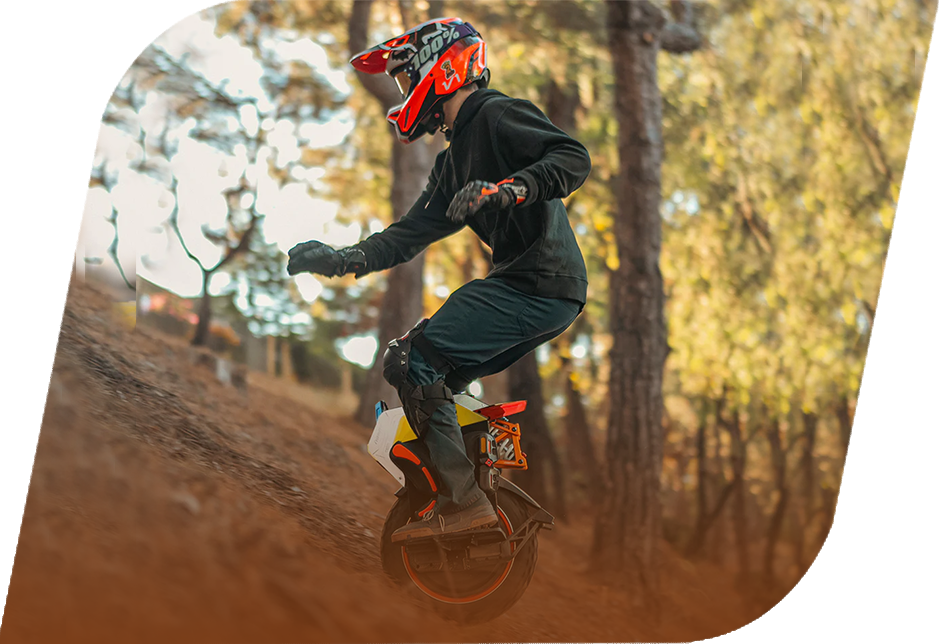
Suspension, wheel size and tyre type influence comfort. Rough pavement can feel very different on a small rigid scooter compared with a suspended unicycle or larger scooter. The rider should consider potholes, kerbs and surface changes on the actual route rather than imagining ideal smooth pavement.
Insurance and theft prevention should be considered before the device becomes part of a daily commute. Higher-value electric mobility products may need specific coverage and secure locking or indoor storage. Serial numbers, purchase records and photographs should be saved. A lightweight vehicle is convenient to carry, but that same portability can make it attractive to thieves when left unattended in public spaces.
Checks Before Buying Personal Electric Mobility
A responsible choice connects the machine to the rider, route and storage environment.
- The rider should confirm where the device can legally be used.
- Protective equipment should be included in the budget from the beginning.
- A buyer can compare Inmotion models by weight, range, suspension and intended skill level.
- Charging space should be dry, ventilated and free from combustible clutter.
- Replacement tyres, chargers and model-specific parts should be available before the device becomes daily transport.
Build Maintenance Into the Ownership Plan
Tyre pressure, tread and damage affect stability. Brakes on scooters should be checked regularly, while unicycle riders should monitor pedals, shell hardware and tyre condition. Unusual noises, wobble or warning messages should be investigated before the next ride rather than ignored because the vehicle still moves.
Owners of Inmotion devices can use official support information and compatible replacement parts when maintenance is needed. Batteries should never be opened or modified by an inexperienced user. Swelling, overheating, impact damage or a burning smell requires the device to be isolated safely and assessed by qualified support.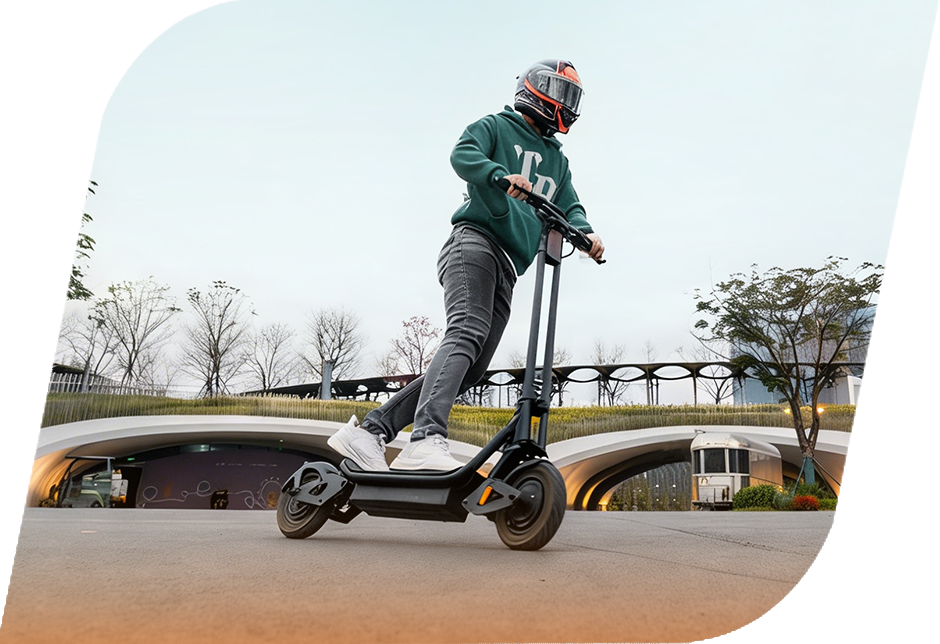
Charging should use the correct charger and follow the manufacturer’s directions. Batteries should not be left where heat, water or physical damage is likely. Transport rules for lithium batteries may affect trains, buses and flights, so a commuter who combines modes should check policies in advance.
Weather planning should be part of route planning as well. Rain reduces grip and visibility while strong wind can make a standing rider less stable. Cold conditions may also affect battery performance. A commuter should have an alternative travel option for conditions that exceed the vehicle’s design or the rider’s skill. Waterproof ratings should be read carefully because resistance to splashes does not mean a device can be submerged or ridden through deep water. After wet use, the vehicle should be dried and inspected according to the manufacturer’s guidance.
Personal electric mobility can be efficient when performance remains secondary to control and suitability. Riders who understand their route, skill level and storage limits can explore Inmotion and choose a device that they can manage safely rather than simply selecting the fastest specification.

Sorry, the comment form is closed at this time.