

18 Sep Choosing Composite Toe Work Shoes for Warehouse Shifts
Warehouse footwear has to handle concrete floors, repeated walking, pallet areas and long periods of standing while still meeting the site safety requirement. A shoe that feels light in a store can become unstable after hours of movement, while a highly protective model can be unnecessarily bulky for a role with different hazards. The starting point is the workplace risk assessment, not the appearance of the shoe. The role of SPIEZ in this article begins only after match toe protection to the actual warehouse role has clarified what the user actually needs.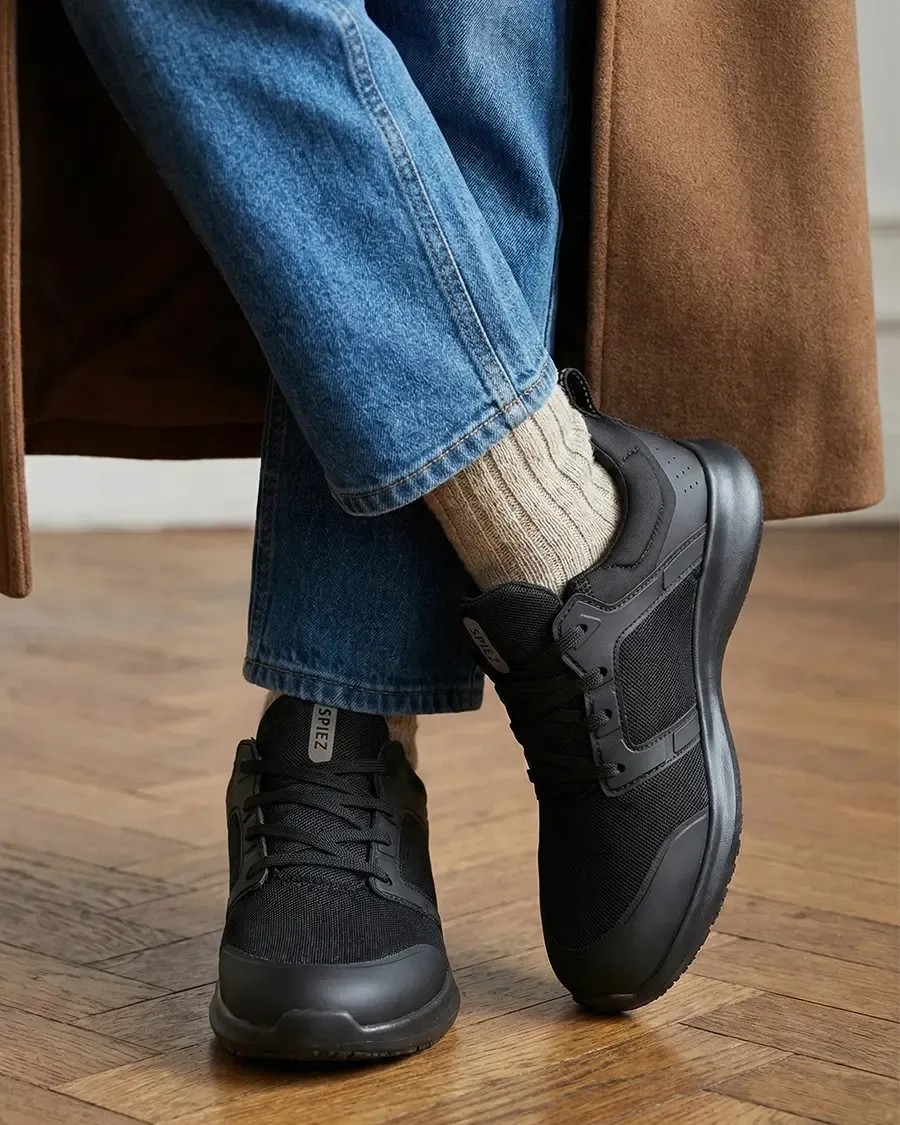
Match Toe Protection to the Actual Warehouse Role
Loading docks, picking aisles and maintenance areas do not always have the same exposure. The required toe standard, puncture protection and outsole specification should be confirmed with the employer before fit is considered. That prevents comfort preferences from overriding mandatory protection.
After the required protection level is clear, SPIEZ can be compared by weight, upper construction and outsole design. Composite toe options may reduce metal content and overall weight, but the documented safety specification still matters more than the material label by itself.
Judge Fit After Walking Not Just Standing Still
A warehouse shift includes braking, turning and pushing as well as straight-line walking. The heel should remain secure during direction changes, and the toe box should leave enough room for normal swelling later in the day. Work socks of the usual thickness should be worn during fitting because they change both volume and friction.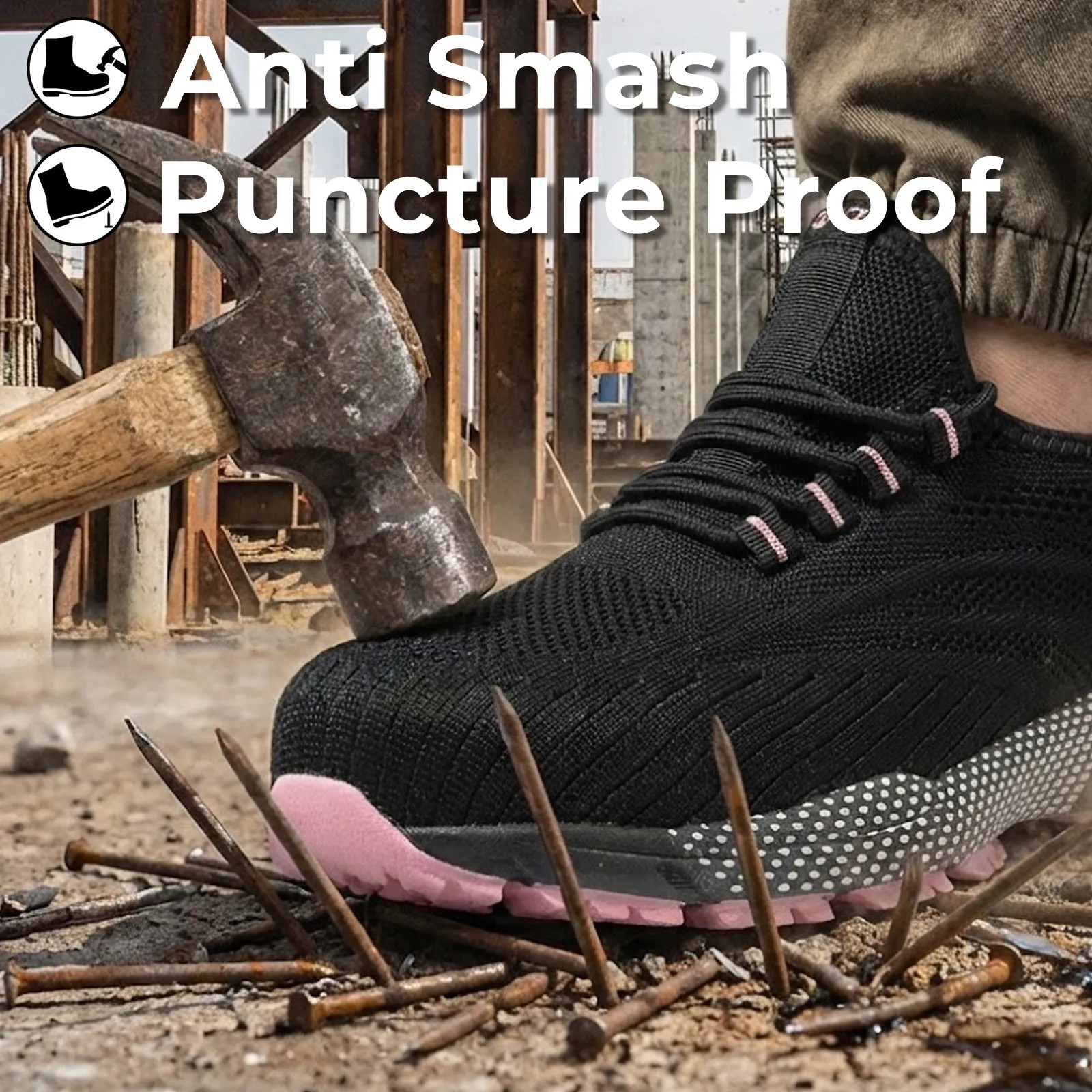
Cushioning should feel supportive without making the foot unstable on fast turns. The midfoot should not slide inside the shoe, and the outsole should remain predictable on the surfaces common to the building. One short try-on cannot reproduce a full shift, so return terms and indoor wear testing can be important.
Warehouse Footwear Checks Before the First Shift
- Confirm the employer-required safety standard before ordering.
- Try the shoes with the socks normally worn at work.
- Compare SPIEZ models by toe protection, outsole and weight together.
- Walk stairs and change direction to check heel security.
- Inspect the outsole regularly for uneven wear or embedded debris.
Replace Work Shoes When Protection or Traction Changes
Work footwear should be inspected rather than worn until it visibly falls apart. Separation at the sole edge, compressed cushioning, damaged uppers and worn tread can all change performance. A shoe that still looks acceptable from above may already have lost the outsole pattern that mattered on smooth floors.
When replacement is due, SPIEZ gives the wearer a reference point for comparing another occupational model with the same required features. Keeping the size and model notes from a successful pair saves time, while any change in job role should trigger a fresh check of the required protection.
Warehouse workers may also need to consider anti-static or metal-free requirements depending on the site. Those needs should be confirmed before purchase because they cannot be inferred from a composite toe alone. Locker storage and drying between shifts matter too. Shoes that remain damp overnight can become uncomfortable and harder to maintain, especially when the same pair is worn on consecutive long shifts.
Outside the assumptions behind Match Toe Protection to the Actual Warehouse Role, real conditions can expose a different side of choosing composite toe work shoes for warehouse shifts. Weather, workload, travel, limited space or a change in the number of users may alter how judgment fit after walking, not just standing still fits the routine even when the product itself has not changed. Revisiting match toe protection to the actual warehouse role under those conditions helps separate a temporary inconvenience from a persistent mismatch. That distinction makes replacing work shoes when protection or traction changes more precise and keeps warehouse footwear checks before the first shift connected to actual use rather than to an imagined perfect scenario.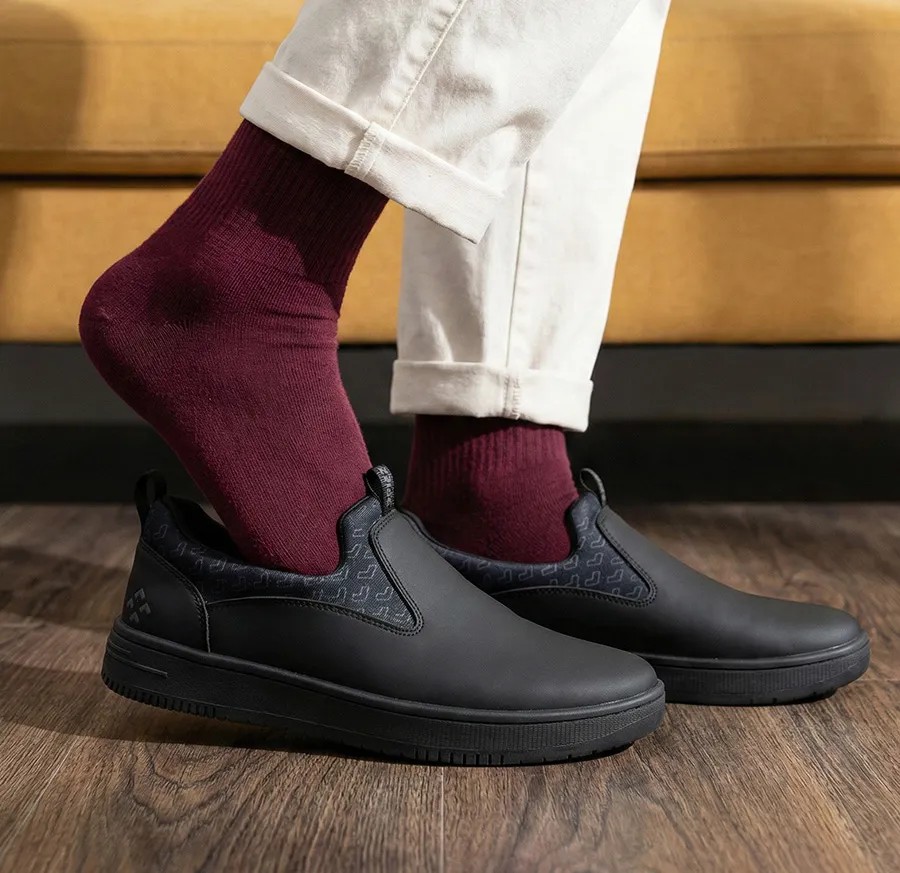
After Match Toe Protection to the Actual Warehouse Role, one later-stage test for choosing composite toe work shoes for warehouse shifts is to repeat the process on an ordinary day rather than under ideal conditions. After match toe protection to the actual warehouse role has been established, the user can watch whether they judge fit after walking, not just standing still works when time, storage or shared use becomes less convenient. Only details that could affect replacing work shoes when protection or traction changes need to be recorded, such as a measurement, model reference, cleaning step or timing issue. That small record turns warehouse footwear checks before the first shift into a practical reference instead of a one-time checklist.
A useful trial period focuses on pressure points that appear after movement rather than only on initial softness. The little toe area, heel collar and arch can become noticeable after repeated walking. If the employer permits indoor testing before full use, that period can reveal whether the shoe stays secure without creating hot spots or numbness.
The most practical warehouse shoe is one that satisfies the site requirement and remains secure after hours of standing, walking and turning. SPIEZ can be part of that comparison, but fit, documented protection and floor conditions should remain the deciding factors. That approach produces a work shoe choice based on the shift itself rather than on a single comfort impression.

Sorry, the comment form is closed at this time.