
29 Oct Commercial Dehumidifiers and Air Movers for Water Damage Restoration
Water damage restoration jobs demand equipment that pulls moisture fast and keeps it from returning. Choosing commercial dehumidifiers water damage crews can rely on means balancing pint-per-day capacity, airflow, and coverage area against the size and severity of a flooded structure. Alorair the dry air builds restoration equipment around that exact workflow, pairing dehumidifiers with air movers and air scrubbers to cover the full drying process from first response to final dry-out.
Understanding Water Damage Restoration Equipment Needs
A flooded basement, a burst pipe, or a storm-soaked commercial building all create the same core problem. Standing water gets removed quickly, but moisture trapped in walls, flooring, and framing lingers far longer. Restoration crews typically need dehumidification, forced airflow, and air filtration working together to dry a structure without leaving conditions for mold growth. Matching dehumidifier capacity to square footage, and pairing it with enough air movers, determines how fast a site actually dries out.
Storm Series Commercial Dehumidifiers for Rapid Moisture Removal
Alorair the dry air centers its commercial dehumidifier lineup on the Storm series for restoration work. Models such as the Storm 80X, Storm LGR Extreme, Storm LGR 850X, and Storm Ultra come with continuous pump drainage, automatic humidity control, and housings meant for repeated jobsite use. These units address commercial dehumidifiers water damage scenarios directly, where speed and sustained output matter more than quiet residential operation. Several models also include Wi-Fi smart app control, which lets crews check humidity readings on connected units from a phone.
- The Storm 80X removes up to 170 PPD of moisture under saturation conditions, with an AHAM rating of 80 pints and coverage sized for areas up to 2,100 sq. ft at 200 CFM airflow.
- The Storm LGR Extreme and its WiFi variant remove up to 180 PPD of moisture under saturation conditions, with an AHAM rating of 85 PPD.
- The Storm LGR 850X and Storm SLGR 850X also carry a 180 PPD saturation rating along with smart Wi-Fi app control and pump drainage.
- The Storm Ultra Wi-Fi Commercial Dehumidifier removes up to 190 PPD of moisture under saturation conditions, with an AHAM rating of 90 PPD.
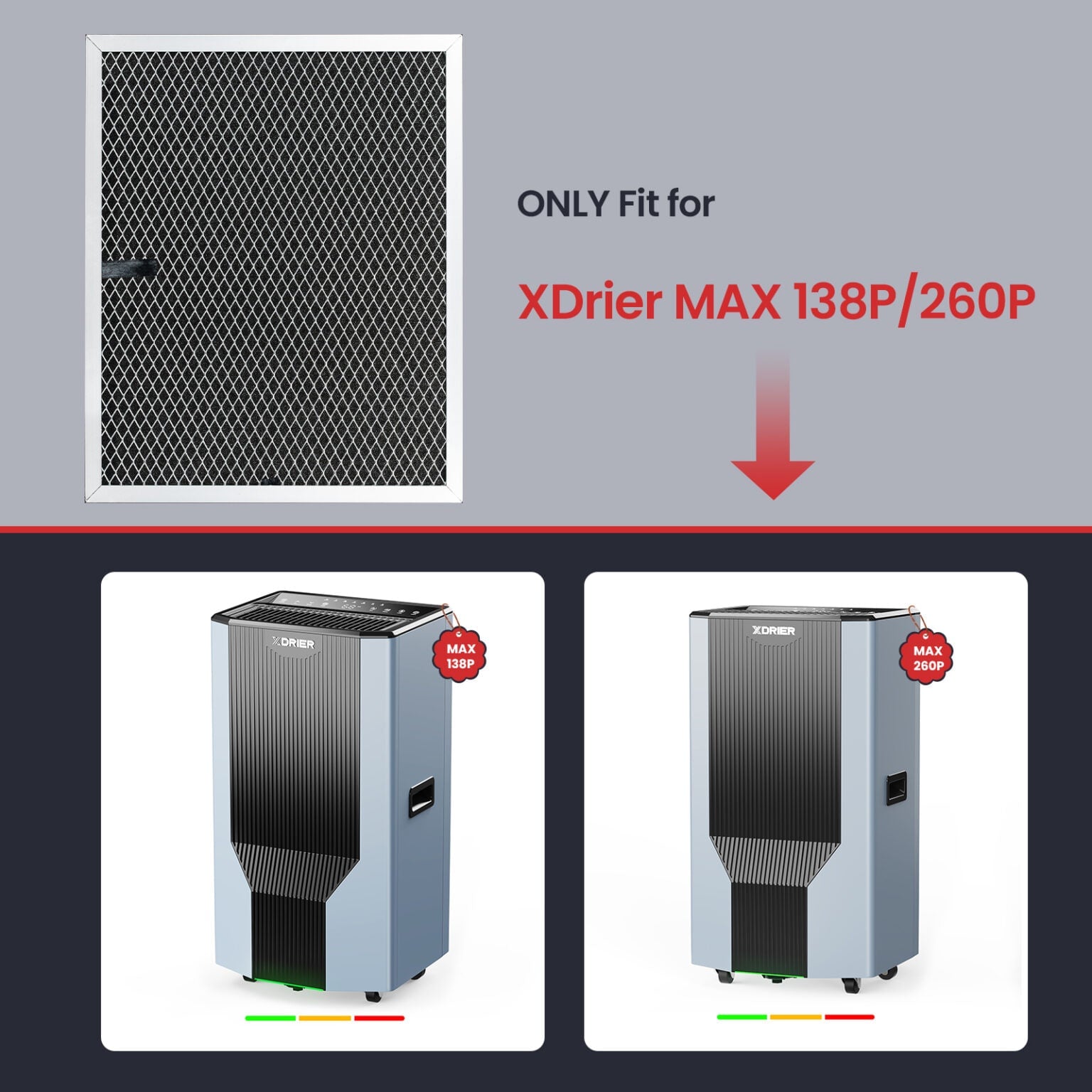
- XDRIER MAX models extend the lineup further, with the 138P rated at 55 PPD AHAM removal capacity for 1,500 sq. ft and the 260P rated at 90 PPD AHAM removal capacity for 2,600 sq. ft.
Air Movers: Alorair’s CFM Range for Drying Surfaces
Dehumidifiers pull moisture from the air, but air movers push that same moisture off wet surfaces so it can be captured. The lineup spans a wide CFM range, including the GE1000T at 1,000 CFM, the GE2000T and GE2000TF at 2,000 CFM, the GE3000T at 3,000 CFM, and the GE4000T at 4,000 CFM. Each of these models includes three speed settings, five adjustable angles, and a built-in timer for flexible positioning around carpets, floors, and walls. The GE2000TF variant adds a MERV-1 filter for additional airflow filtration during drying.
These air movers are commonly bundled into restoration packages rather than sold strictly on their own, since drying a flooded room usually calls for several units positioned around the affected area. Their compact, ergonomic design supports repositioning as crews move between rooms on a jobsite. Combined with a Storm series dehumidifier, the added airflow from these units speeds surface drying across floors and walls, which matters in any commercial dehumidifiers water damage workflow.
HEPA Air Scrubbers and Mold Prevention in Restoration
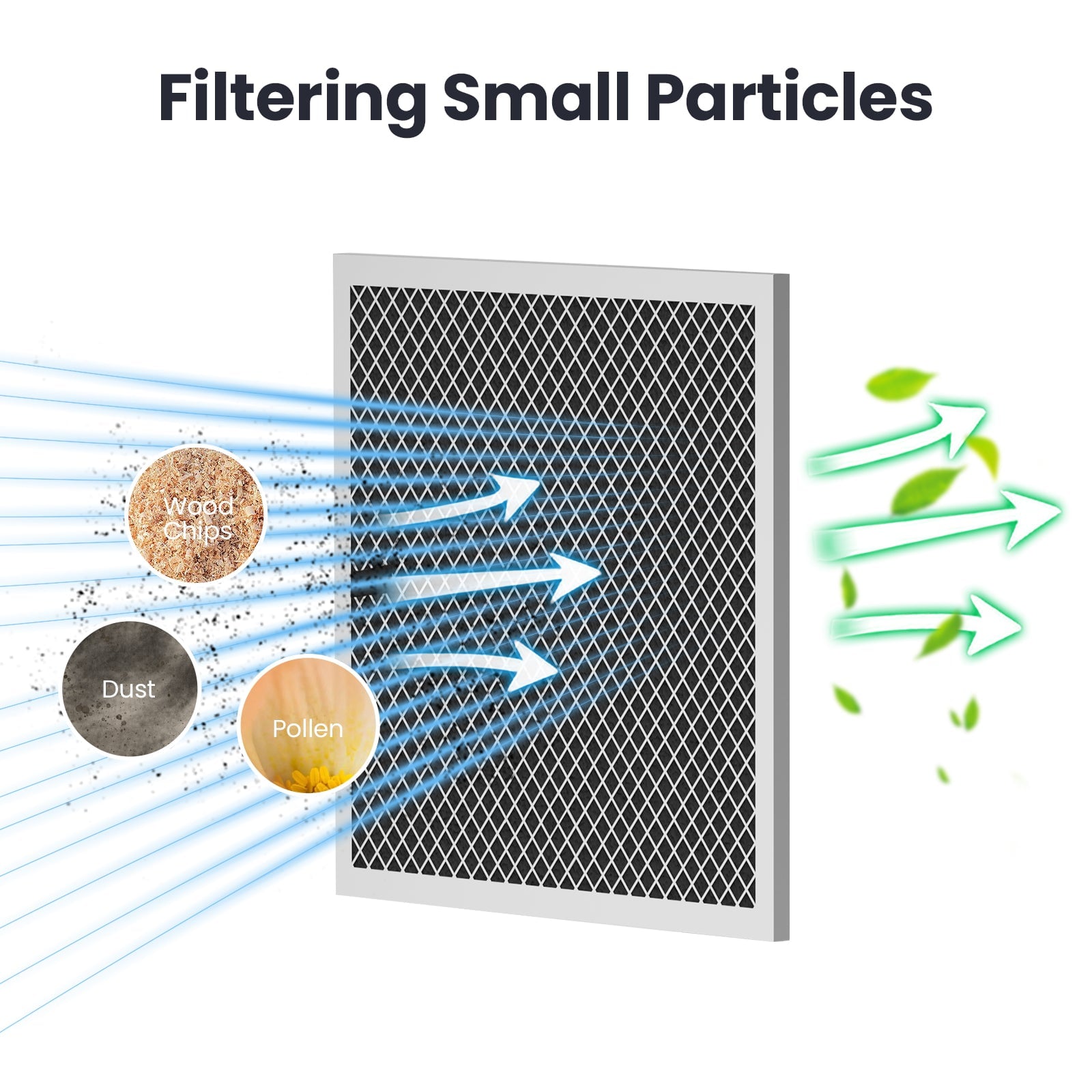
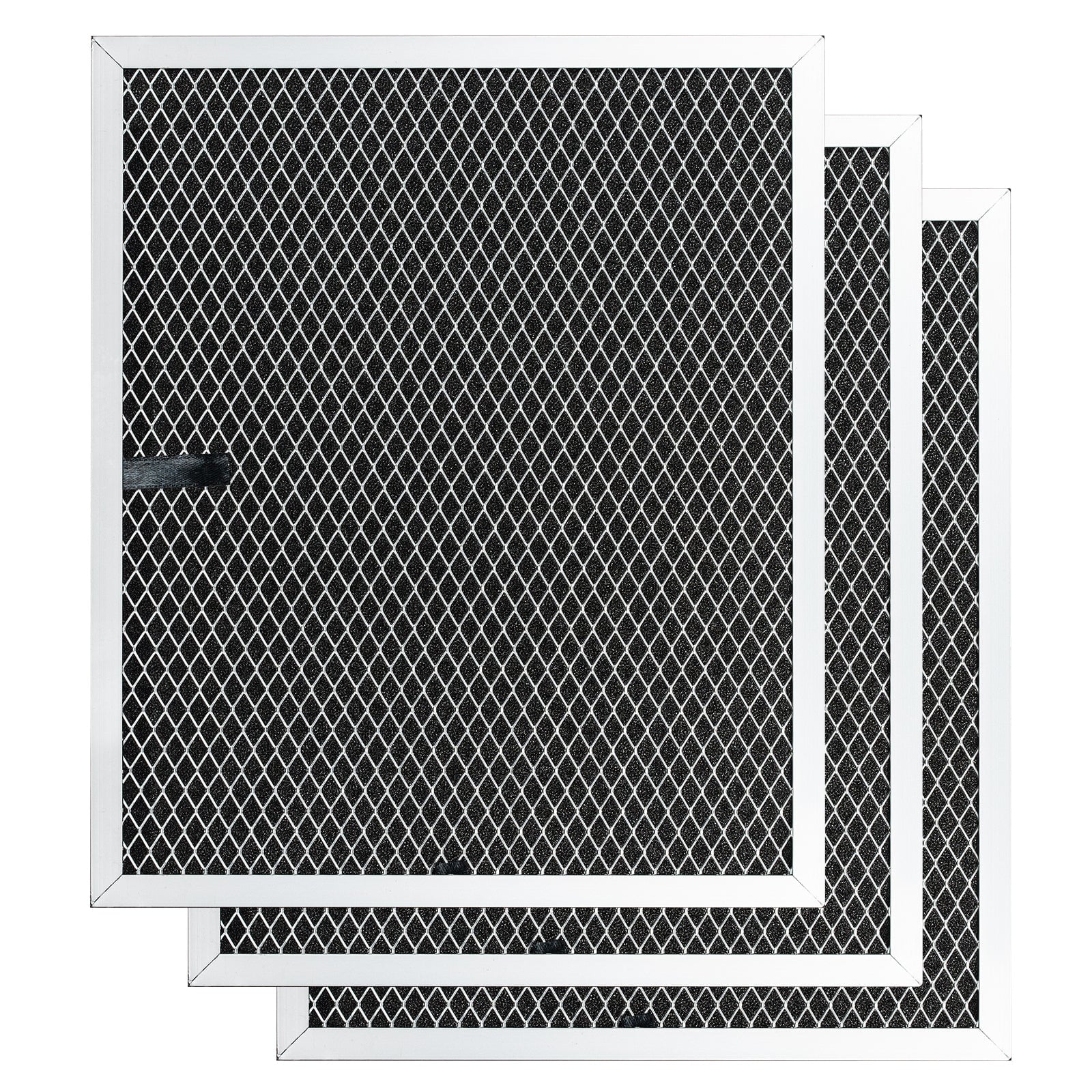
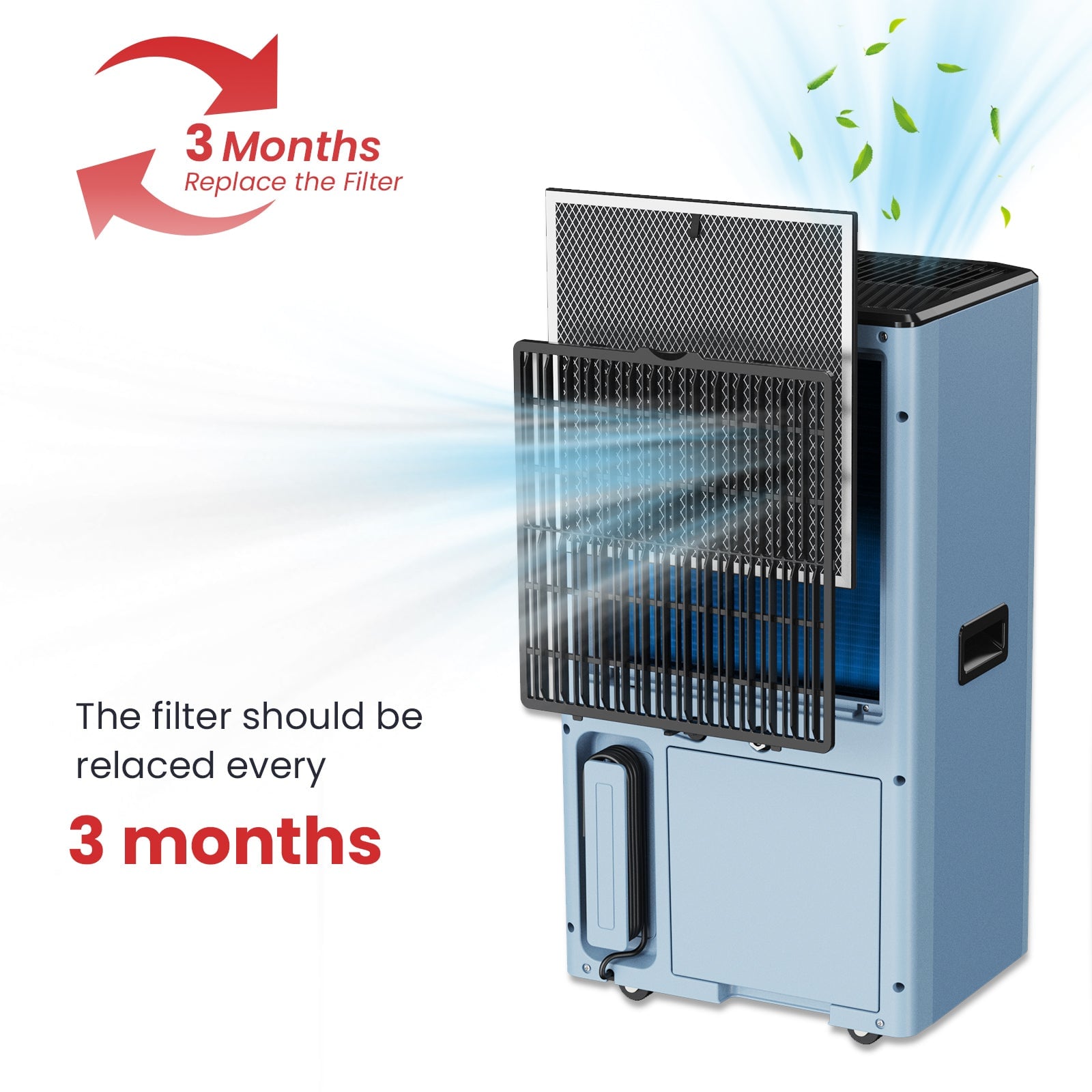
Beyond moisture removal, restoration jobs often call for filtering airborne particulates released during drying and demolition work. Alorair the dry air places its HEPA 550 Air Scrubber in both the Mold Prevention Combo and the Water Damage Restoration Combo lineups, bundling it with Storm series dehumidifiers and air movers instead of selling the dehumidifier, movers, and scrubber as separate items. On top of that, the Filters & Accessories category lists replacement parts such as a 3-piece MERV-1 filter pack built for the XDRIER MAX 138P and 260P units, pointing to ongoing filter maintenance support across the equipment line. That structure reflects how restoration crews actually plan jobs, since dehumidification and air scrubbing frequently run at the same time on an active site.
Crawl Space and Basement Dehumidifiers for Persistent Moisture
Not every moisture problem follows a single flood event. Crawl spaces and basements often hold ongoing humidity that standard commercial units are not built to reach or sit within. Alorair the dry air addresses this with its Sentinel line, including the Sentinel HDi55 rated at 120 PPD with a built-in pump and auto defrost, and the Sentinel HD35PS WiFi, a 70-pint Energy Star unit sized for 1,000 sq. ft with app-based monitoring. These units are built compact enough for crawl space installation while still offering pump drainage and humidity control comparable to the larger Storm models.
Water Damage Restoration Combo Packages and Integrated Solutions
Restoration packs combine a dehumidifier, air movers, and a scrubber in different counts depending on job scale, and Alorair the dry air groups these combinations under its Water Damage Restoration Combo and Commercial Packages categories. One pairs a Storm 80X dehumidifier with a HEPA 550 air scrubber and two GF600A air movers, while a larger option combines two Storm Ultra dehumidifiers with six GE2000HCW air movers and two HEPA 550 scrubbers for bigger jobs. A third pairs a Storm LGR Extreme WiFi dehumidifier with four GE4000HTC air movers, showing how equipment counts scale with job size rather than following a single fixed bundle.
This combo structure is built around the practical reality of commercial dehumidifiers water damage response, where a single device rarely solves the whole job. Crews handling flood damage repair or emergency moisture removal typically need dehumidification, airflow, and filtration running together rather than one after another. Grouping these three equipment types into packages sized for different job scales mirrors how restoration work is actually staged on site.
Equipment choices ultimately come down to matching capacity and count to the scale of water damage at hand, and the range covered here gives restoration crews a full set of building blocks to draw from.

Sorry, the comment form is closed at this time.