
29 Oct Common E-Bike Myths Debunked What Engwe’s Range Reveals About Modern Riding
Plenty of riders assume electric bikes are heavy, short on range, or only good for one type of terrain. Checking those assumptions against real product specifications is a better way to get e-bike myths debunked than relying on general chatter. Engwe‘s lineup, spanning compact folders, full-suspension commuters, and all-terrain fat-tire models, offers a useful case study for separating fact from repeated claims about range, weight, and capability.
The Myth of Limited Range
A common assumption holds that electric bikes cannot cover meaningful daily distances. The M20 challenges that directly, with a dual suspension setup and a stated range figure of 75 km plus 75 km when paired with an optional second battery. The P275 SE pairs a 36V 13Ah battery with a stated range of up to 100 km on a single charge, using a detachable battery pack for charging convenience. These figures show that range concerns, often treated as settled fact, do not apply evenly across every model in a single Engwe product line.
Foldable Frames and Full Suspension
Foldable frames carry a reputation for compromise, as if folding mechanisms automatically mean less capability. The L20 3.0 Pro pairs a step-through compact frame with a full suspension system and a 250W mid-drive motor rated at 100Nm, and the same model lists 8A fast charging for quicker turnarounds between rides. The Zip, described as part of a newer urban mobility line from Engwe, carries a 120 kg maximum load capacity alongside three pedal-assist levels and real-world range figures of 120 km on PAS 1, 85 km on PAS 2, and 60 km on PAS 3. Those figures sit well outside the usual script about folding bikes being underpowered.
Fat Tires Across Different Terrain Types
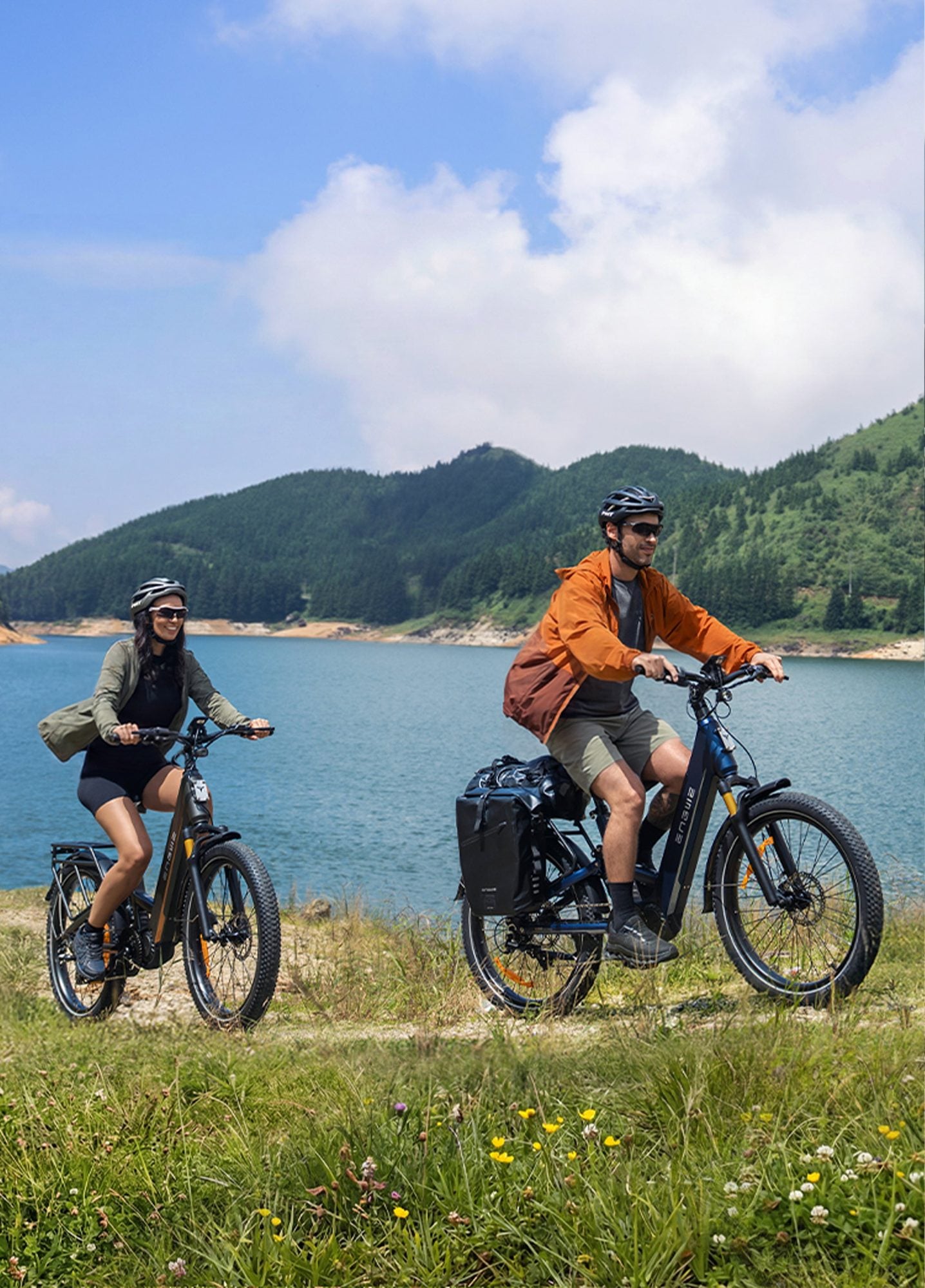
Fat tires are often assumed to be strictly for trails and rough ground. The M20 uses 20×4.0 fat tires and is described as handling city streets as well as rugged trails, with its removable 48V 13Ah battery supporting that versatility. The EP-2 Boost, an EU-legal all-terrain e-bike, pairs its 20×4.0 tires with a torque sensor, a 55Nm power-boost button, and 180 mm disc brakes, a brake rotor size that generally gives more consistent stopping power when a wider tire adds rolling momentum. That combination of tire width and braking hardware points to a broader pattern once specific models are checked against their own spec sheets.
Motor Torque and Hill-Climbing Capability
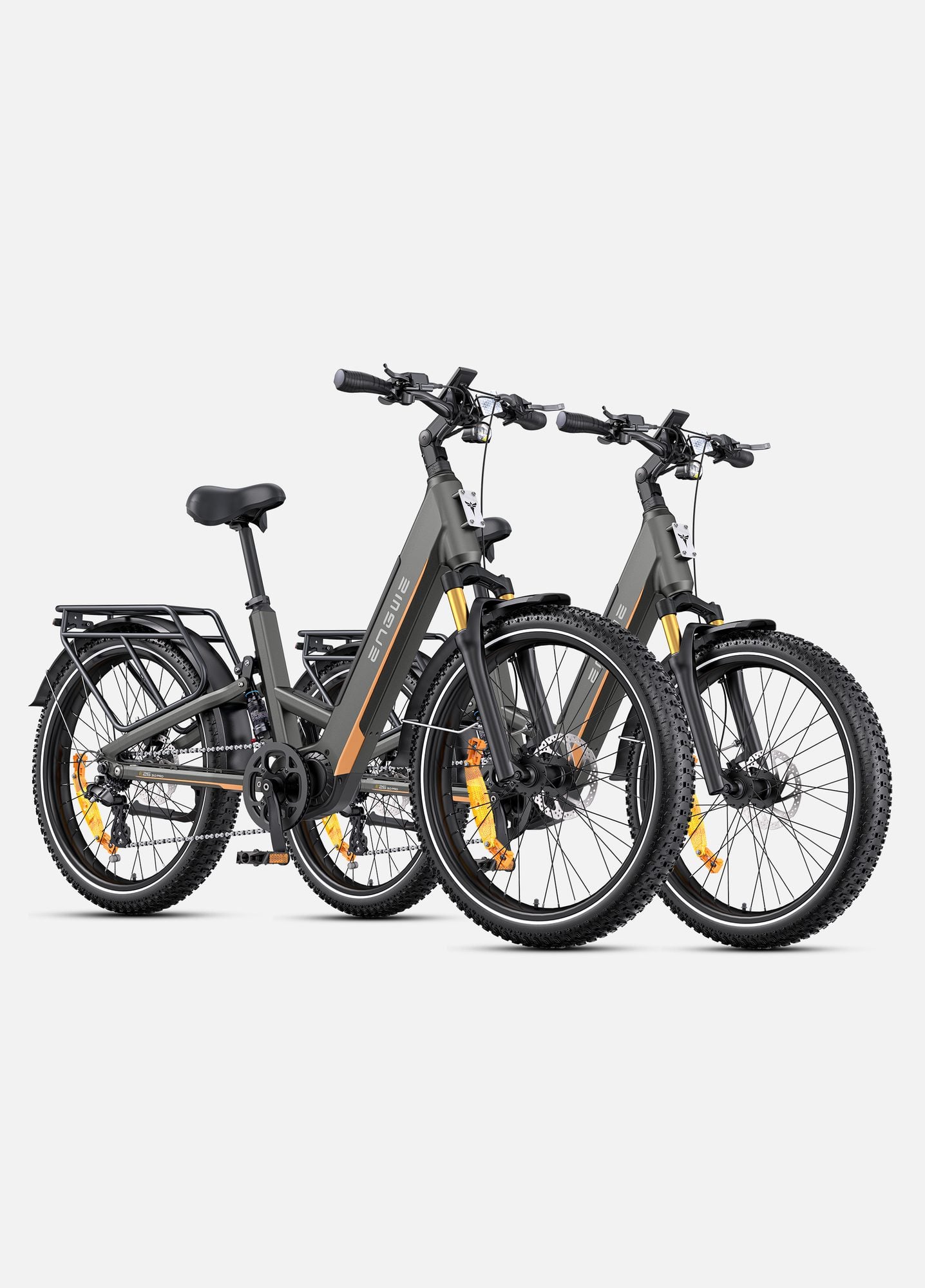
Hill climbing is frequently where skepticism about electric bikes gets loudest, with claims that only expensive mid-drive systems handle inclines well. The L20 3.0 Boost relies on a 75Nm boost mode alongside a torque sensor and an EN15194 certification, reaching a stated range of up to 135 km in PAS mode. The N1 Pro, a carbon fiber city e-bike from Engwe, uses a mid-drive motor rated at 80Nm, giving it a torque figure distinct from the boost-mode systems found elsewhere in the range. These differing torque figures across mid-drive and boost-mode systems show why hill-climbing capability remains one of the more persistent e-bike myths to address with model-specific numbers.
Compact Frame Design and Weight Distribution
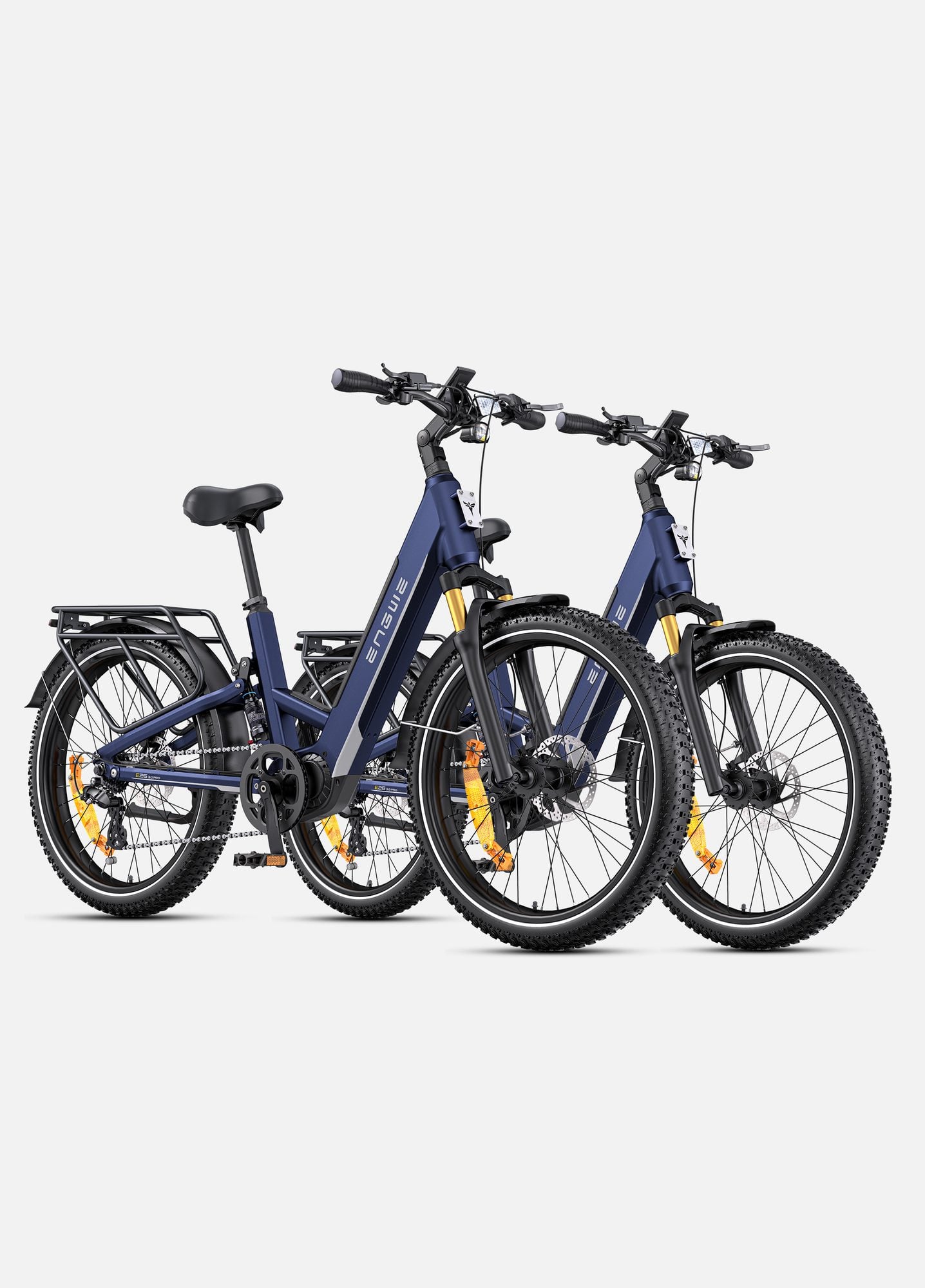
Weight concerns arise especially for riders imagining a bulky frame that is hard to maneuver or store. The T14 is built as a foldable electric mini bike with a 48V 10Ah battery, paired with a 250W motor and aimed at urban commuting with a stated maximum load of 100 kg. Its compact folding design points toward a lighter handling experience compared to larger all-terrain frames, which matters when a bike needs to be carried up stairs or tucked into a hallway. The Engine Pro 3.0 Boost lists a bike weight of 34.7 kg, giving a concrete reference point for how heavier all-terrain models compare to Engwe‘s folding commuter options.
Suspension, Braking, and Weather Resistance
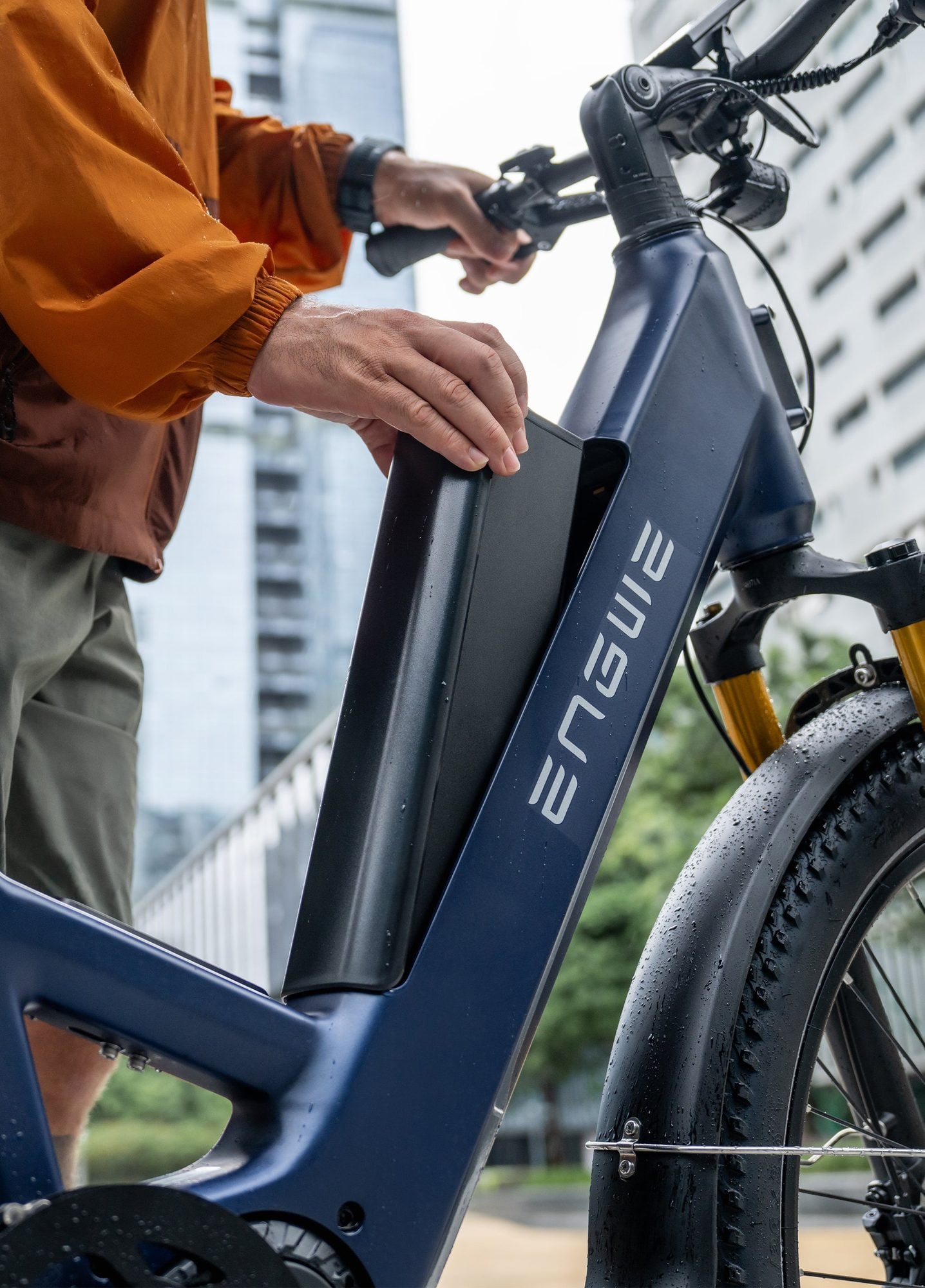
Suspension and braking hardware often get overlooked in general e-bike discussions, yet they shape how a bike handles mixed terrain. The EP-2 3.0 Boost lists a maximum load capacity of 150 kg and waterproof ratings covering wiring, display, lights, motor, controller, and battery box, a spread of ratings that matters because each component sits in a different spot on the bike and faces different exposure to rain or splashback. The Engine X, a foldable e-bike with 20×4.0 all-terrain fat tires, combines a three-step folding frame with full suspension and a stated top speed of 25 km/h.
- The M20’s stated 75 km range on a single battery and 75 km on an optional second battery demonstrates distance capability across Engwe’s product line.
- The L20 3.0 Pro combines a folding frame with full suspension and a 100Nm mid-drive motor, showing that compact bikes can deliver power.
- The EP-2 Boost pairs 20×4.0 fat tires with 180 mm disc brakes and a torque sensor, combining wider tires with braking hardware suited to mixed terrain.
- The L20 3.0 Boost’s 75Nm boost-mode system with torque sensor reaches up to 135 km range, separate from mid-drive motor designs elsewhere in the range.
- The T14 foldable frame with a 48V 10Ah battery and 100 kg maximum load capacity addresses storage and transport concerns for urban commuting.
- The EP-2 3.0 Boost includes multi-point waterproof ratings for wiring, display, lights, motor, controller, and battery box across different bike locations.
Specific model details across Engwe‘s range show that electric bike capabilities vary by design, not by category.

Sorry, the comment form is closed at this time.