
30 Oct Common Misconceptions About Leather Apple Device Cases What Burton Goods Users Get Wrong
Shoppers researching protective covers for iPhone, iPad, or MacBook often run into a wall of conflicting opinions. Leather device cases myths circulate widely, warning that leather cracks easily, demands constant upkeep, or clashes with modern magnetic accessories. Separating those assumptions from what handcrafted leather goods actually deliver matters, especially for buyers weighing a case meant to last.
Myth: Leather Cases Lack Durability Compared to Synthetic Materials
A common assumption holds that silicone or polycarbonate shells automatically outlast leather. That idea ignores how differently the two materials age. Synthetic covers often discolor, stretch, or crack under stress, while properly constructed leather responds to daily handling in a different way entirely.
Much of the skepticism behind leather device cases myths traces back to inexpensive, bonded leather products that were never built for longevity in the first place. Full-grain leather, stitched with reinforced seams, behaves nothing like those budget alternatives. Burton Goods builds several of its iPad Pro cases with French hemmed seam construction and secure drop protection edging, details aimed at structural resilience rather than appearance alone.
The Full-Grain Leather Advantage in Burton Goods Cases
Full-grain leather retains the natural surface of the hide instead of being sanded and refinished like lower grades. The brand uses this material across its iPad Pro, iPhone, and MacBook lines, often pairing it with a soft microfiber interior to protect the device itself. The Limited Edition Magnetic Leather Case for the M5/M4 iPad Pro 11 inch keeps that full-grain exterior while emphasizing a featherlight feel alongside the leather build.
Sourcing also plays a role in how these cases are described. Burton Goods has referenced premium leather sourced with the same standards associated with Red Wing Shoes for its Limited Run Magic Keyboard Cases, emphasizing richness and consistency in the hide itself. That kind of material choice is a large part of why full-grain leather is treated differently from synthetic competitors in any serious comparison, and it is one reason some myths about fragile materials do not hold up under scrutiny.
Misunderstanding Magnetic and Magic Keyboard Compatibility
Another recurring misconception is that leather cases cannot work with MagSafe charging or Magic Keyboard attachments. In practice, several products are engineered specifically around these systems. The Heritage Leather Case for iPhone Duo is MagSafe compatible, working directly with MagSafe chargers and accessories rather than blocking them.
On the iPad side, the Magic Keyboard Leather Case for the M5/M4 iPad Pro 13 inch is built with soft book corners designed to secure the keyboard and allow the tablet to be removed easily. The Limited Edition Magnetic Leather Case for the M5/M4 iPad Pro 13 inch includes a magnetic flap that tucks away when idle, a feature meant to keep an Apple Pencil accessible without extra bulk. These design choices suggest compatibility was planned into the case rather than treated as an afterthought.
Why Leather Cases Require Constant, Intensive Maintenance
The idea that leather demands daily polishing or special handling discourages plenty of potential buyers. In reality, maintenance for a well-made case is closer to occasional care than a routine chore. Burton Goods sells a Leather Cream and Balm made with filtered beeswax and a seed oil blend, intended to hydrate and restore full-grain leather accessories without petroleum ingredients.
That kind of product points to maintenance measured in occasional applications, not constant attention. A case does not need treatment every week to stay functional. This single detail undercuts one of the more persistent leather device cases myths, since the implication of an all-natural balm is infrequent conditioning rather than a demanding schedule.
How Leather Develops Patina: Damage or Desirable Aging?
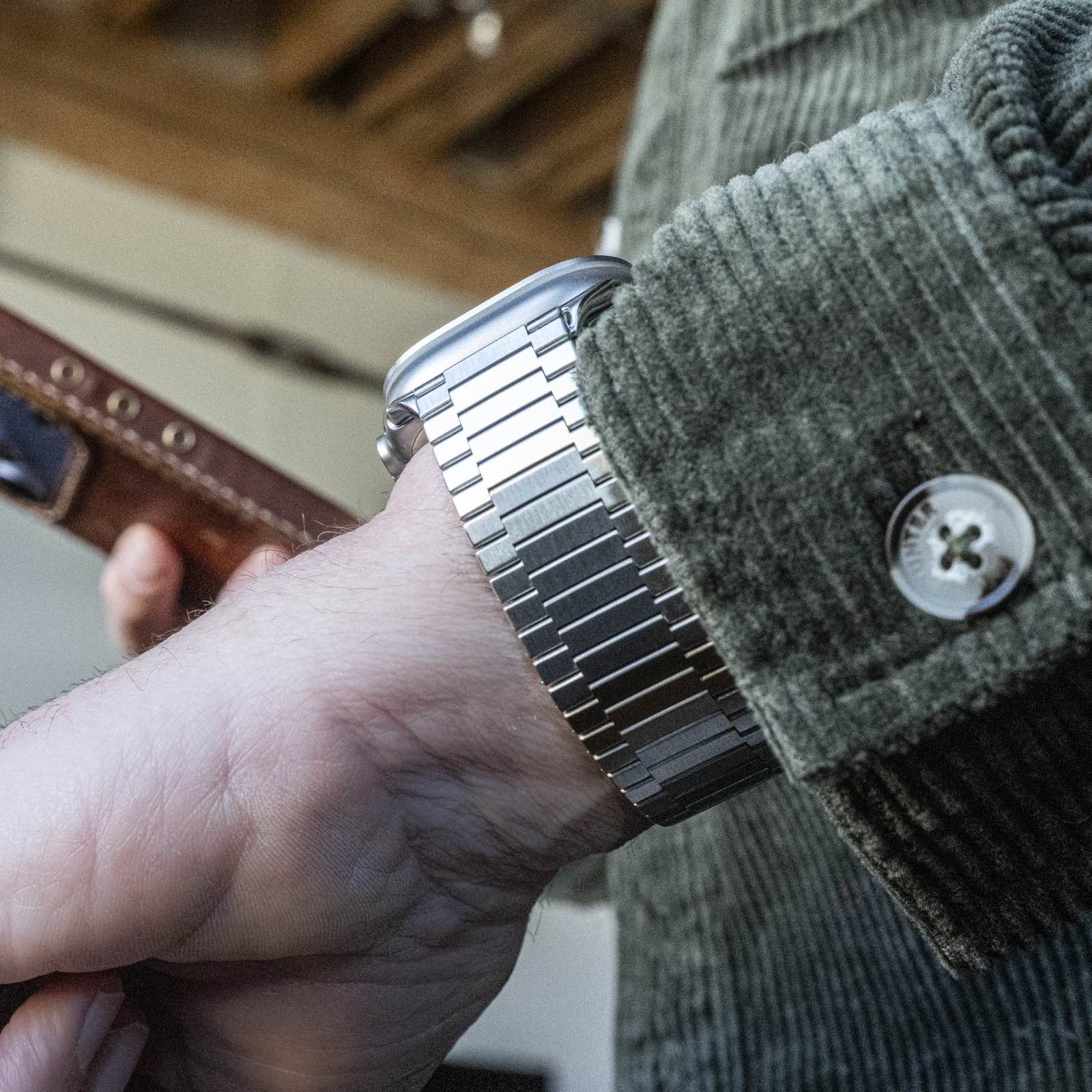
Scuffs and color shifts on a leather case are sometimes mistaken for damage. Burton Goods notes that its Heritage Leather Case for iPhone Duo develops a patina with use, a point echoed in outside coverage of the product. That description frames the visual change as part of how the leather ages rather than a flaw to correct.
This distinction matters for anyone comparing leather against synthetic shells that simply degrade over time. A scratched silicone case looks worn in a way that cannot be reversed or reframed. A leather case that darkens or softens with handling is doing something structurally different, according to the way the material is described by the brand.
Choosing a Burton Goods Leather Case by Device and Need
Selecting a case involves more than picking a favorite color or finish. Device model, keyboard use, and MagSafe needs all narrow the options considerably. Burton Goods organizes its range by device, including All iPad Pro Cases, All iPhone Cases, All Apple Watch Bands, Leather Laptop Bags, and All MacBook Cases, which makes it straightforward to match a case to the right product line.
Size and generation details also matter within a single line. The M5 and M4 iPad Pro cases are split between 11 inch and 13 inch listings, each with its own magnetic or Magic Keyboard variant. Recognizing that distinction avoids one of the more basic leather device cases myths, the assumption that any case in a collection fits any device of similar size.
- Assuming every leather case needs the same care routine, when balm-based conditioning is typically occasional rather than constant.
- Buying a case sized for the wrong iPad Pro generation instead of checking the 11 inch versus 13 inch listing.
- Overlooking whether a case is built for Magic Keyboard use or for a simpler magnetic attachment.
- Treating early scuffing as damage instead of recognizing it as the leather aging through patina.
- Ignoring MagSafe compatibility details and assuming a leather case automatically blocks wireless charging.
- Choosing a case without comparing the French hemmed seam and drop protection edging details across listings.
None of this means every leather case performs identically, and differences in stitching, leather grade, or hardware still matter. However, the broader pattern is clear once the common leather device cases myths are tested against actual product details. Durability, maintenance, and compatibility concerns each have a specific, checkable answer rather than a vague assumption attached to the material itself.

Sorry, the comment form is closed at this time.