
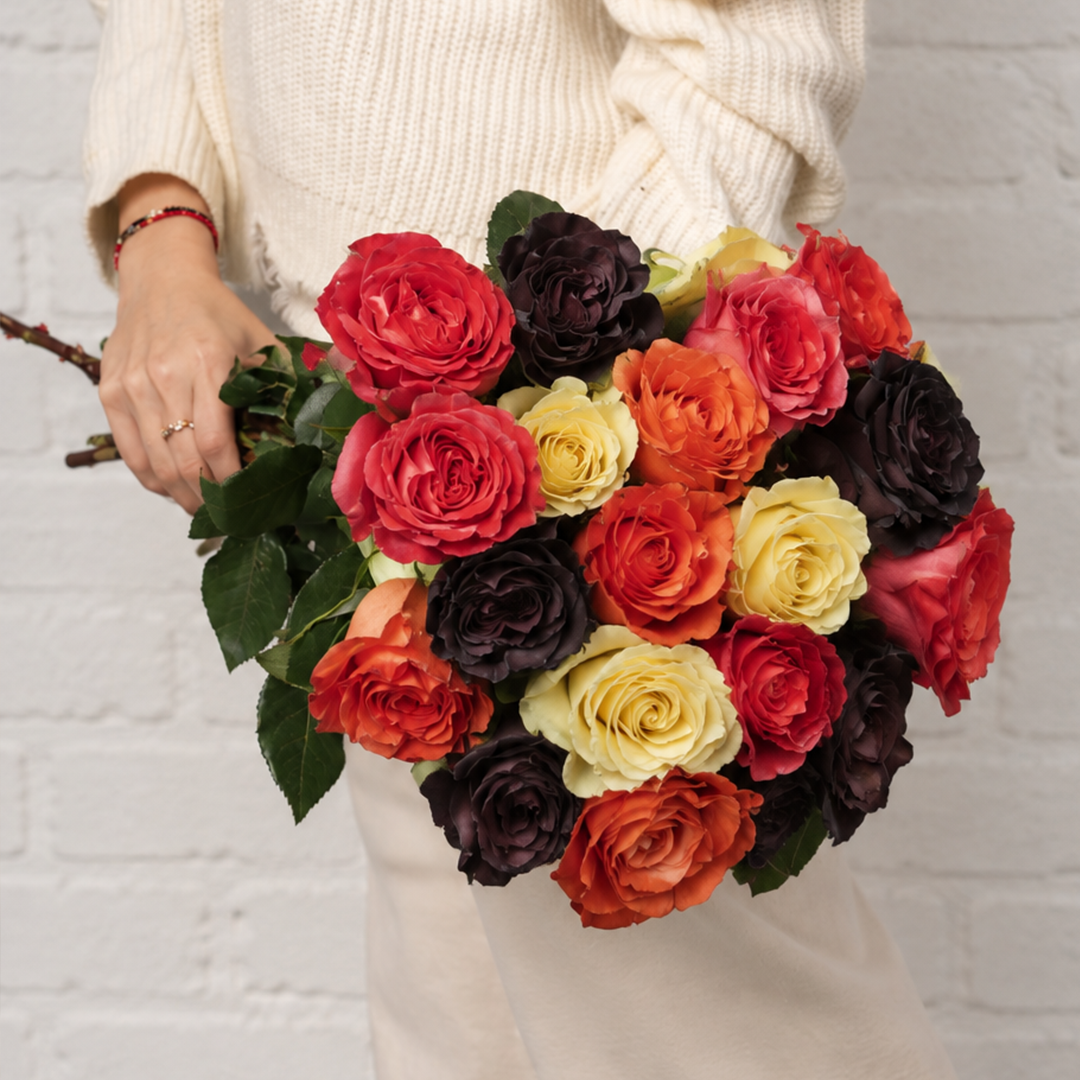
30 Oct Common Mistakes When Displaying Fresh Cut Roses at Home
A vase of roses can look stunning on day one and limp by day three, and the gap between those two moments usually comes down to a handful of avoidable habits. Many of the fresh rose care mistakes behind that decline trace back to the first few minutes after unboxing, long before anyone notices a problem. This piece walks through where the damage happens, from the first trim to the final days of display, and what changes the outcome.
Why Fresh Roses Wilt Prematurely: The Root Causes
Roses wilt early for reasons that rarely involve the flower itself. Air exposure, bacterial buildup, and poor stem contact with water all work against a bloom at the same time. Once air enters a cut stem, it blocks the uptake path, and no amount of fresh water afterward fully reverses that damage, which is why the very first cut matters more than any step that follows.
Temperature swings compound the problem. Roses placed near a heat vent, a sunny window, or a drafty door lose moisture faster than the stem can replace it. That mismatch between water intake and water loss is behind most premature wilting, regardless of where the roses came from.
Water Quality and Temperature Mistakes That Damage Rose Stems
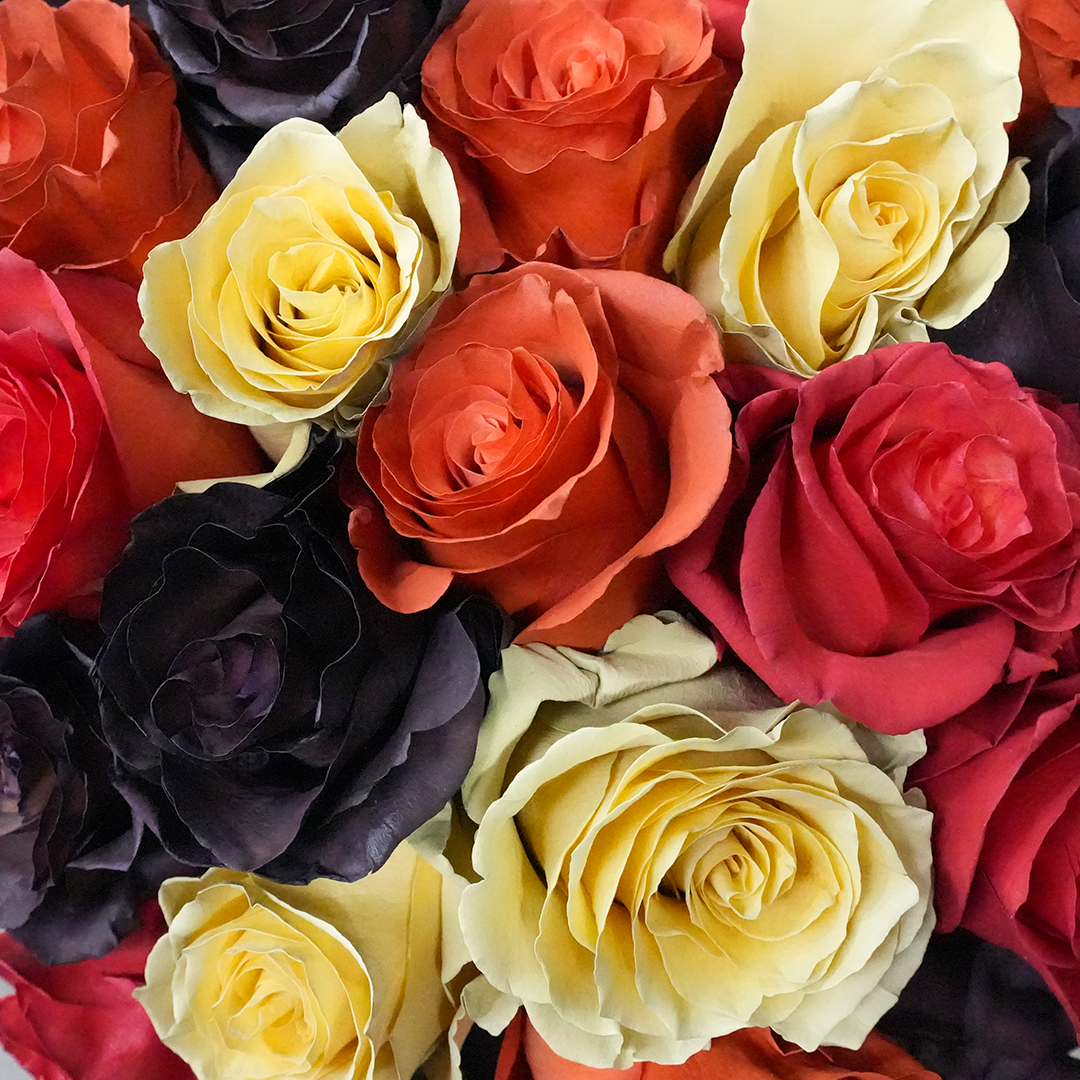
Tap water straight from a hot faucet is a common culprit. Hot water encourages bacterial growth inside the vase, and bacteria clog the tiny channels roses use to draw moisture upward. Cool, clean water supports that uptake instead of fighting it.
Letting the water sit too long without changing it is another frequent error. Cloudy water signals bacterial buildup, and roses left in it will show drooping necks within a day or two. Fresh, cool water keeps the stems doing their job, which is one of the simplest fresh rose care mistakes to avoid once the pattern is recognized.
Overcrowding and Arrangement Errors in the Vase
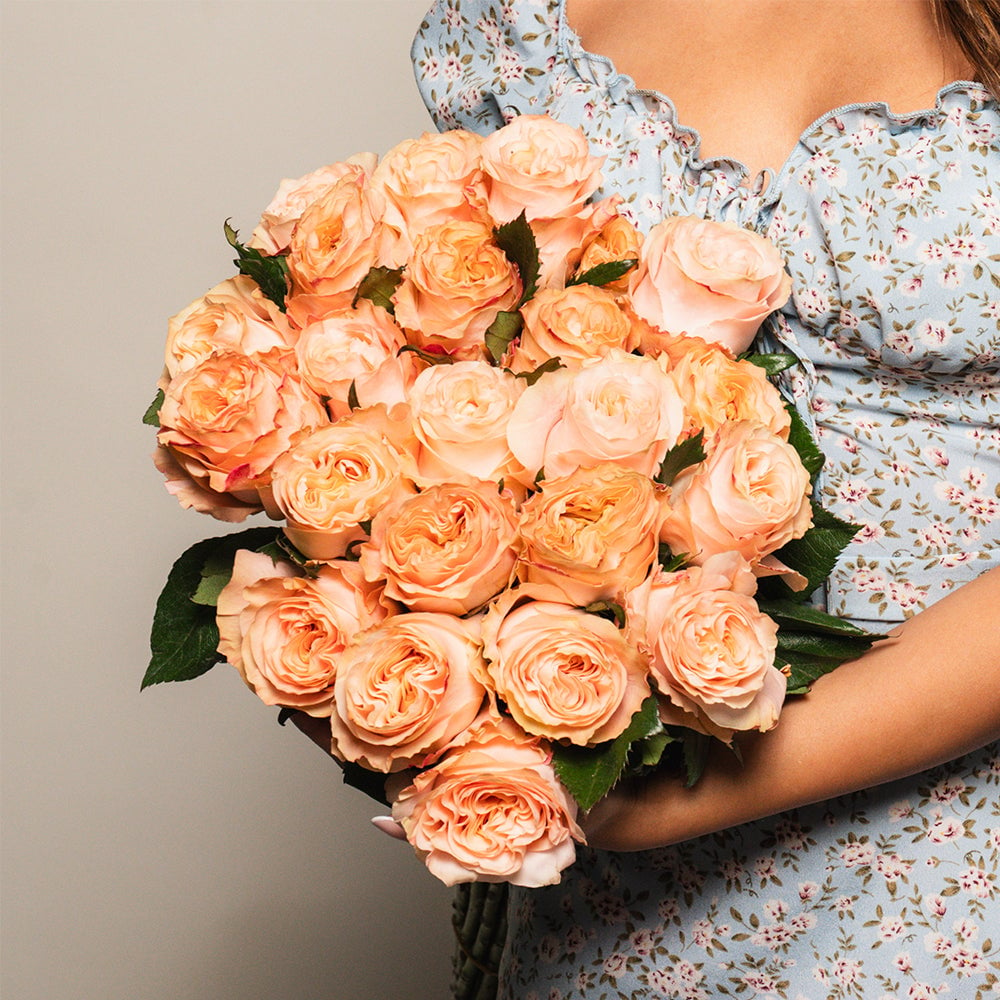
Packing too many stems into a narrow vase restricts airflow and forces blooms to compete for the same water supply. Overcrowded arrangements also bruise petals against each other, which speeds up browning at the edges. A looser arrangement, with stems angled rather than bunched, gives each bloom room to open properly.
Vase shape matters too. A container that is too narrow at the neck pinches stems together near the waterline, trapping bacteria against the cuts. A wider opening allows water to circulate and makes it easier to spot debris or fallen petals before they foul the water.
Neglecting Leaf Removal and Stem Preparation
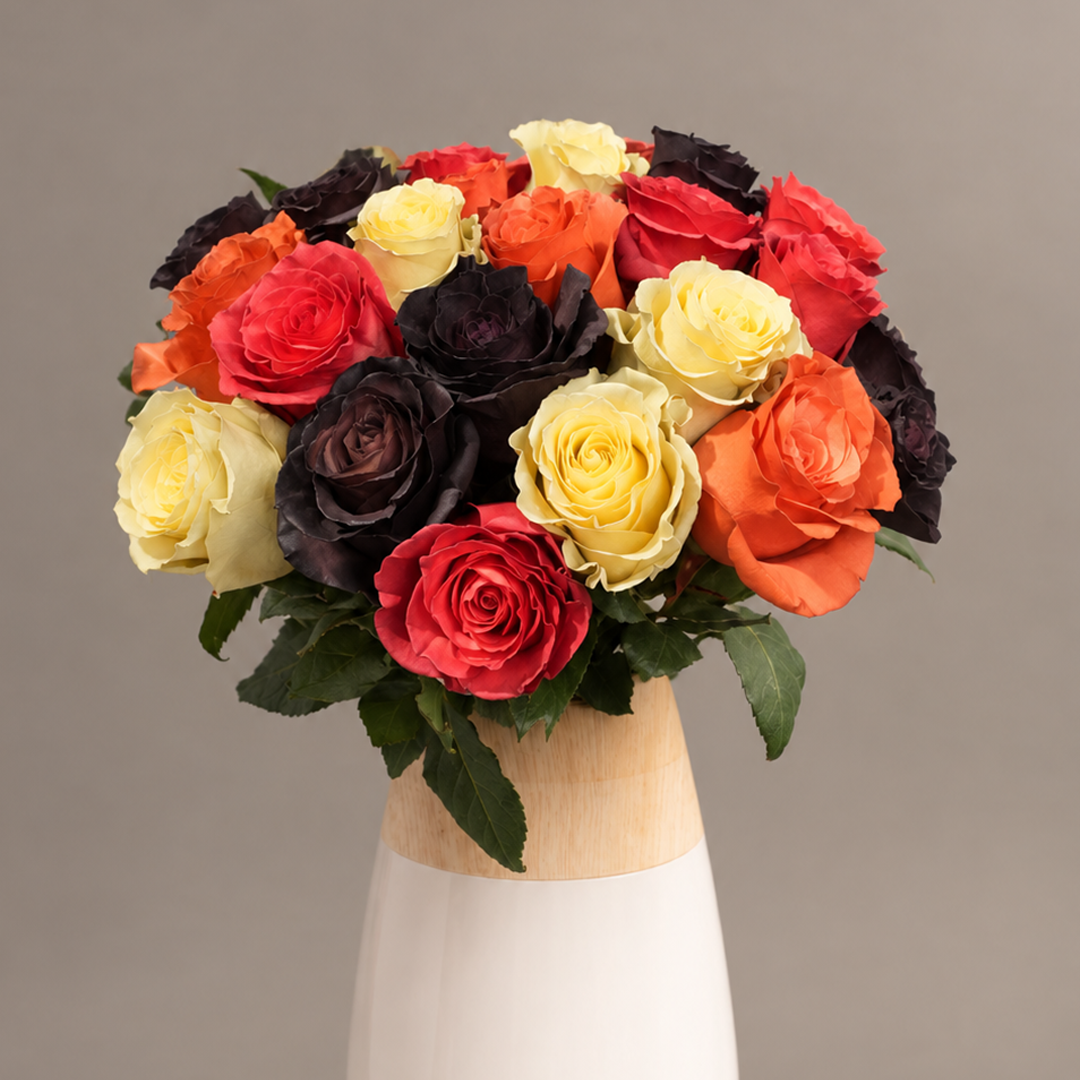
Leaves left below the waterline are one of the most overlooked fresh rose care mistakes, since submerged foliage decomposes quickly and clouds the water within a day. Stripping foliage that would otherwise sit below the vase line keeps the water cleaner for longer. That single habit prevents much of the bacterial buildup described in earlier sections.
Stem cuts matter just as much as leaf removal. A flat, blunt cut reduces the surface area available for water absorption, while a fresh angled cut, made under running water, opens more channels for uptake. Dull scissors that crush the fibers represent another small habit with an outsized effect on how long roses last.
The Farm-to-Door Advantage: What Rosaholics (US) Offers
Rosaholics (US) positions its roses around a farm-to-door model, meaning stems travel from the growing fields toward the recipient without the usual detours through wholesale warehouses. The catalog spans Garden Roses, Peony-Style Blooms, David Austin varieties, Baby Roses, and a dedicated Long Stems collection, alongside color-based groupings such as Classic & Romantic and Unique & Trendy shades. Bouquets such as Echoes of Earth, Autumn Ritual, and Casablanca each draw on a distinct color story, from terracotta and lavender blends to traditional white roses.
Beyond single bouquets, the program also runs a Flower Club subscription, which delivers bouquets on a recurring schedule chosen by the recipient. Each delivery is described as similar in style to previously selected favorites, though no two bouquets are identical.
Extended Display: Why Long Stem Roses Demand Different Care
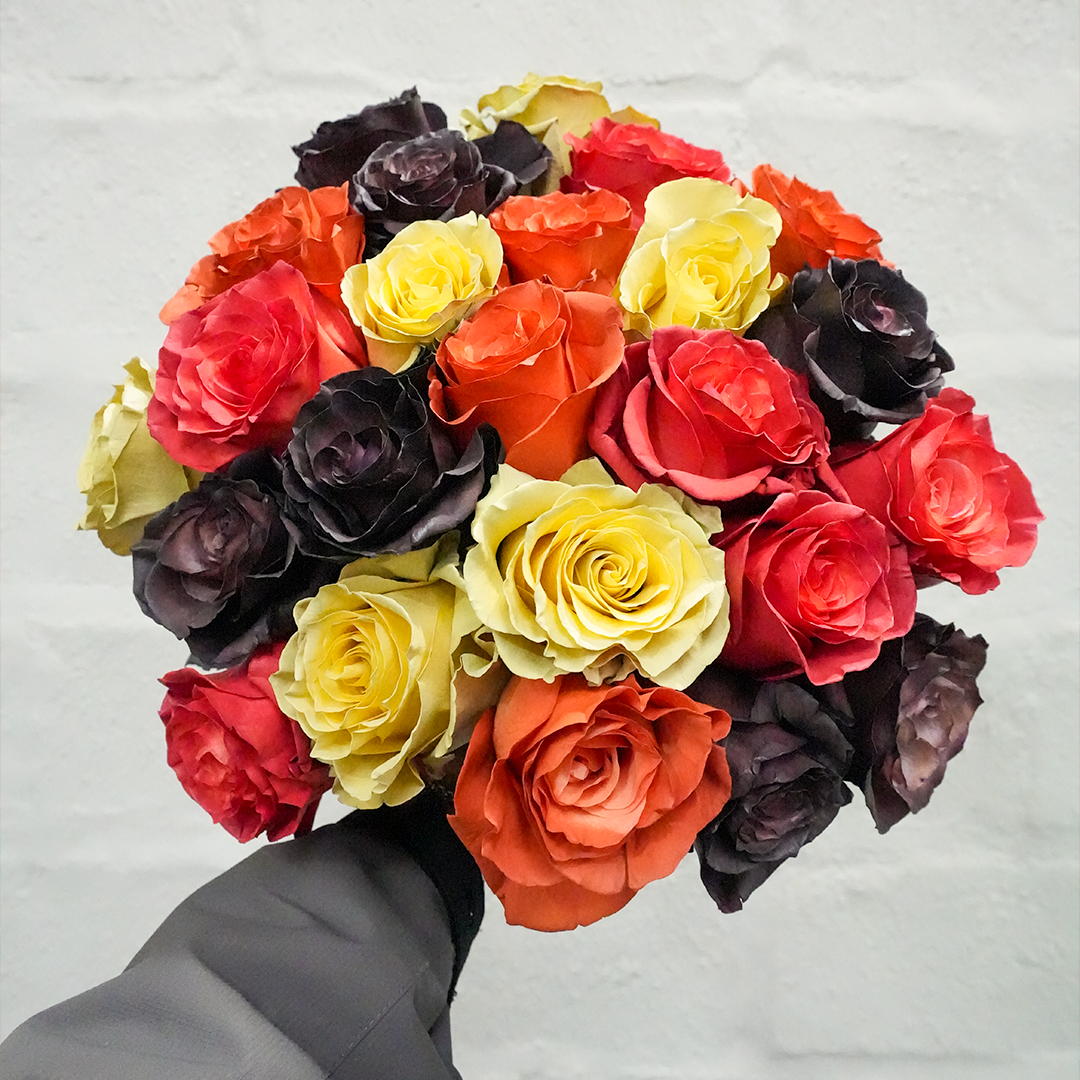
Long stem roses, including the Long Roses and Extra Long Stem Roses lines offered by Rosaholics (US), carry more stem length between the cut and the bloom. That extra distance means water has farther to travel before it reaches the petals, so a sharp, fresh cut becomes even more important for these varieties. Periodic recutting helps maintain the same uptake that shorter stems achieve more easily.
Taller arrangements also need taller, more stable vases, since a narrow or shallow container can tip under the weight of longer stems. A wider base of support, along with room to display the full stem length without bending, helps preserve the shape of the arrangement over time. For these reasons, long-stemmed varieties often reveal fresh rose care mistakes faster than a compact, short-stemmed bunch would.
- Vase water generally needs replacing every two to three days to prevent bacterial clouding.
- Each stem benefits from a fresh angled recut whenever the water is refreshed.
- Leaves that would sit below the waterline are typically removed before stems go into the vase.
- Arrangements tend to hold up longer when kept away from direct sunlight, heating vents, and drafty windows.
- A quick wipe of the vase interior during each water change clears residue that feeds bacteria.
- A daily glance at the blooms helps catch fading or drooping petals before they affect neighboring stems.
Consistent water changes, clean cuts, and a cooler spot in the room do more for bloom longevity than any single trick. Avoiding the most common fresh rose care mistakes is less about effort and more about consistency across the days a bouquet stays on display. The farm-to-door approach addresses the earlier part of that timeline, the condition roses arrive in, while home maintenance determines how long that condition holds.
A fresher starting point paired with steady upkeep extends display life.

Sorry, the comment form is closed at this time.