
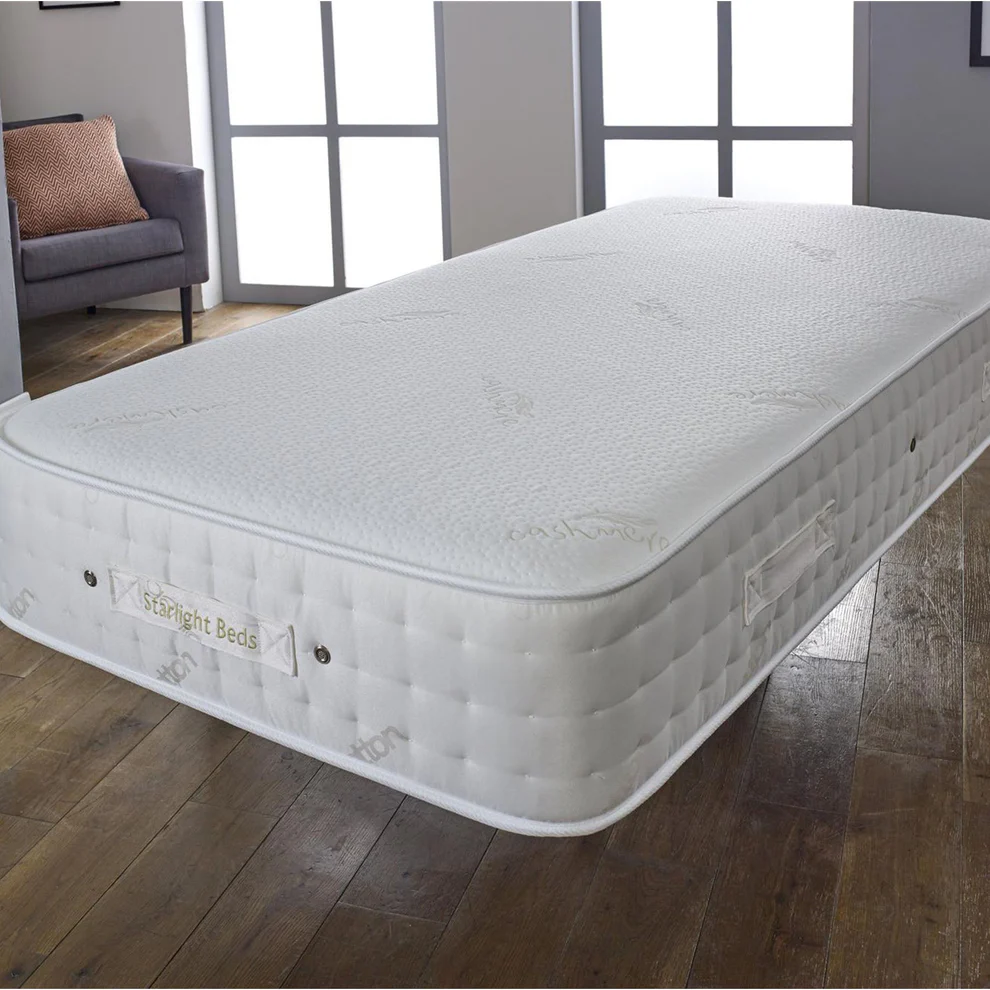
18 Jul The Complete Mattress Selection Guide Finding Your Perfect Sleep Foundation
Choosing a mattress should be straightforward you want something comfortable that supports your body properly. Yet mattress shopping has become bewilderingly complex. Marketing departments throw unfamiliar terms, hybrid systems, memory foam, coils, gel-infused foam, pocket springs, at consumers who just want to sleep well. The internet offers conflicting advice, friends swear by different products and review sites seem biased toward whichever brand paid them. It’s no wonder people often make hasty decisions based on a 10-minute in-store test and then regret their purchase for the next decade.
The good news you don’t need a degree in materials science to find a quality mattress. What you do need is a framework for understanding your actual sleep needs, then matching those to appropriate products. This systematic approach removes emotion and marketing noise from the decision process, helping you invest in a mattress that genuinely improves your sleep rather than simply feeling good during a sales pitch.
Step One Understanding Your Sleep Position
Sleep position fundamentally determines what mattress support profile works for you. Your body weight distribution changes based on whether you sleep on your side, back or stomach and this affects which support layers are most important. The Sleep People categorizes mattresses partly around sleep position because this is the most objective factor in mattress selection.
Back sleepers benefit from support that prevents excessive lower back sag while relieving pressure at the neck and head. Side sleepers need pronounced shoulder and hip pressure relief to prevent side-body discomfort. Stomach sleepers require firm support to prevent the spine from sagging in the middle. These aren’t preferences, they’re biomechanical requirements. A side sleeper on a mattress designed for back sleepers will experience shoulder and hip pain, no matter how expensive the mattress is. Conversely, a back sleeper on an overly soft side-sleeper mattress will experience lower back strain.
Step Two Body Weight and Support Calculations
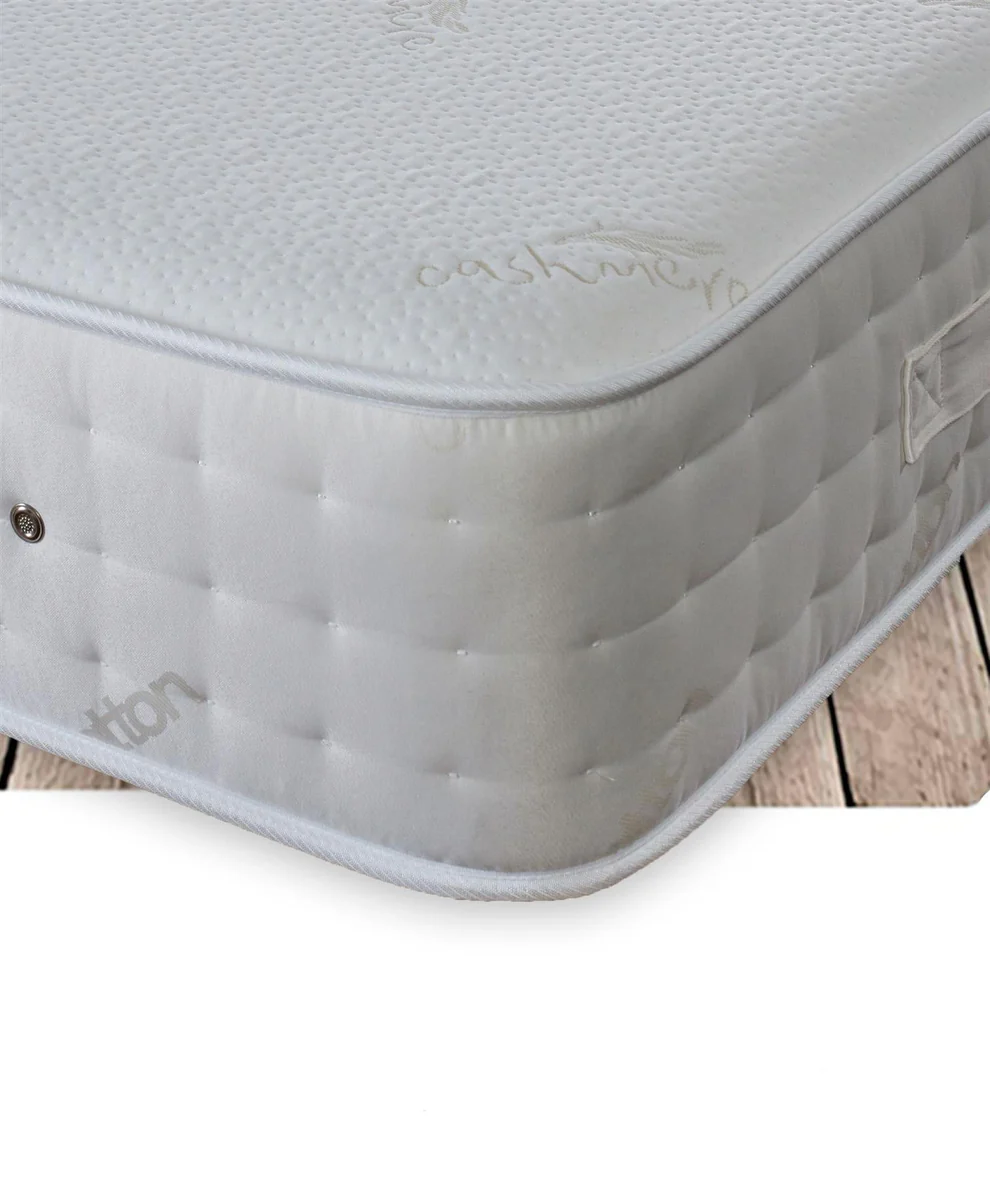
Body weight dramatically influences mattress performance. A 250-pound person and a 130-pound person experience the same mattress completely differently, the heavier person sinks deeper, compresses support layers more and experiences different pressure distribution. Mattresses designed for lighter body weights don’t provide enough support for heavier bodies, leading to sagging and poor spinal alignment. Conversely, mattresses designed for heavier weights feel too firm and uncomfortable for lighter people, providing excess support that prevents proper pressure relief.
This is why The Sleep People offers multiple construction options rather than claiming universal suitability. Proper mattress selection acknowledges that a 165-pound person will have different needs than a 220-pound person and trying to serve both with identical construction fails both.
Key Selection Criteria
- Firmness (soft, medium, firm) should match your sleep position and body weight, not personal preference alone.
- Material composition (foam vs. coils vs. hybrid) affects responsiveness, durability and temperature regulation distinctly.
- Edge support influences how much usable surface area you actually have, important for couples and larger bodies.
- Temperature regulation features matter more than marketing suggests if you have any tendency toward night sweats.
- Trial periods and return policies protect you more than any review site claims, demand at least 30 days, preferably 90 or 100.
Smart mattress selection means prioritizing objective factors over subjective feelings during sales showroom time. That perfect-feeling test on a mattress lasts ten minutes; you’ll actually spend 3,000 hours on this purchase. The 10-minute feel is less relevant than whether the construction genuinely supports your body weight and sleep position for decades.
Mattress longevity depends partly on this proper selection. The Sleep People construction approaches recognize that a properly selected mattress maintains support for 7-10 years, while poorly selected mattresses degrade quickly because they’re constantly fighting your body’s actual requirements rather than supporting them.
Understanding Material Performance Differences
Foam-based mattresses conform closely to your body, providing excellent pressure relief but potentially retaining heat. Memory foam specifically creates conforming comfort but older formulations were notorious for heat retention (modern gel-infused versions mitigate this). Coil-based mattresses bounce more and breathe better but provide less contouring. Hybrid systems combine foams and coils to theoretically maximize both benefits, though quality varies enormously.
Natural materials offer advantages latex provides bounce and durability, wool regulates temperature, cotton breathes. But natural doesn’t automatically mean better; synthetic materials can outperform natural ones in specific applications. The material name matters far less than how it performs in your actual body configuration on your specific sleep position.
The Trial Period Is Your Safety Net
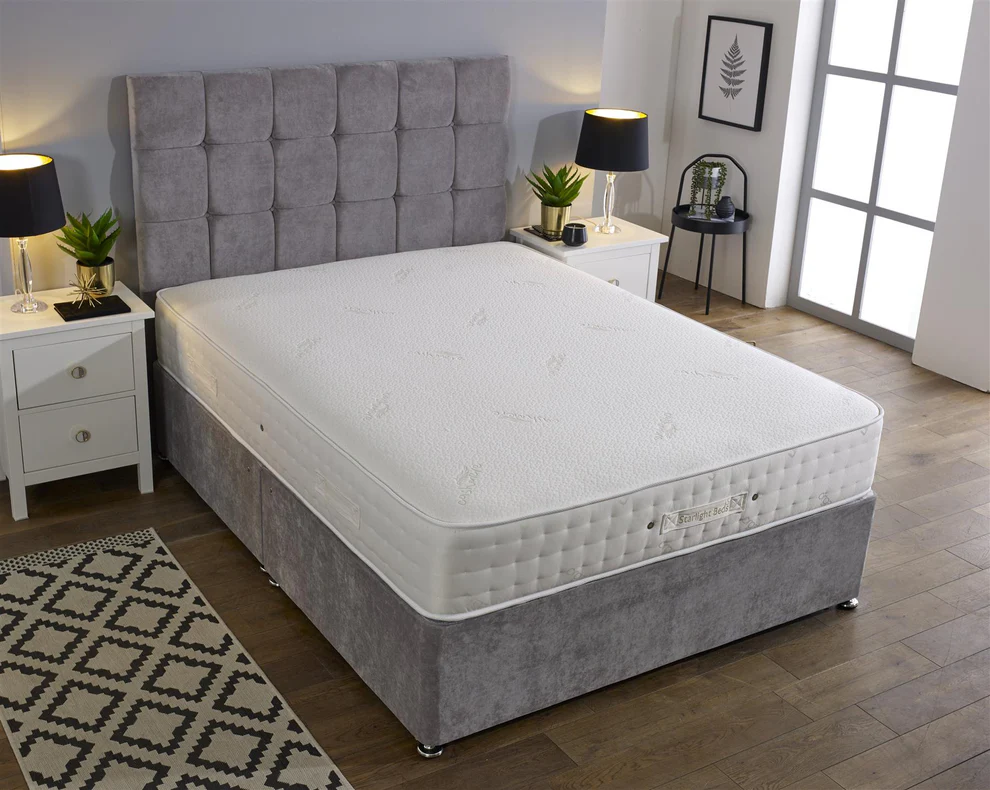
The first two weeks with a new mattress are deceptive. You’re adjusting to newness; anything different feels strange. By week three, you’re acclimated and can actually evaluate whether the mattress truly supports your sleep. This is why legitimate mattress retailers (like The Sleep People) offer extended trial periods. A 30-day trial is minimum; 100-day trials give you real data across seasons and sleep states.
During trial periods, don’t judge mattresses on initial comfort feeling. Judge them on whether you wake unrefreshed, whether you experience aches, whether you sleep through the night without repositioning constantly. These are the metrics that matter. If your trial period reveals the mattress doesn’t actually support your sleep, return it. A trial period honored is worth more than a lower price from a retailer that makes returns difficult.
Investment Thinking for Long-Term Sleep
A quality mattress costs -2500 depending on size and specifications. This seems expensive until you calculate the nightly cost. Over a ten-year lifespan, you’re looking at -0.68 per night. That’s cheaper than a single coffee per week. Yet quality sleep from a proper mattress influences your health, mood, productivity and longevity, benefits worth far more than per night.
Cheap mattresses cost less upfront but require replacement every 5-6 years, often leaving you miserable in the final years as support degrades. Quality mattresses maintain support for 7-10 years. The total lifetime cost of cheap mattresses often exceeds quality options; you also endure years of degraded sleep. When The Sleep People emphasizes construction quality, they’re acknowledging this long-term math. A mattress is one of the few purchases where quality durability saves money while improving life quality.

Sorry, the comment form is closed at this time.