

18 Sep Diagnosing Small Metal Roof Leaks Before Ordering Repair Parts
A damp ceiling does not reveal whether the problem is a failed washer, a cracked pipe boot, an open seam or water travelling from a higher point on the roof. Repair planning therefore begins with diagnosis rather than with sealant. The repair area should be photographed, measured and inspected for a pattern before any old component is removed. For buyers working through diagnosing small metal roof leaks before ordering repair parts, Supply Maverick serves as one product source after the practical requirements have been defined.
Trace the Water Path Before Disturbing the Roof
Water can enter around a penetration and appear indoors several feet away, so the visible stain is only a clue. The inspection should move upslope from the interior symptom and look for loose fasteners, split boots, lifted laps, damaged closures and debris that may be holding water against a detail.
Once the likely entry point is identified, the existing component can be measured. Supply Maverick becomes relevant only after pipe diameter, panel profile, fastener size or sealant application is known. Ordering from dimensions avoids replacing a failed part with another part that merely looks close enough.
Treat Fasteners Boots and Seams as Different Repairs
A deteriorated washer calls for compatible fastening hardware, while a failed pipe penetration may need a retrofit boot or new flashing. A seam problem has a different preparation requirement again. Combining all three into a single layer of sealant can hide the symptom temporarily without correcting the weak component.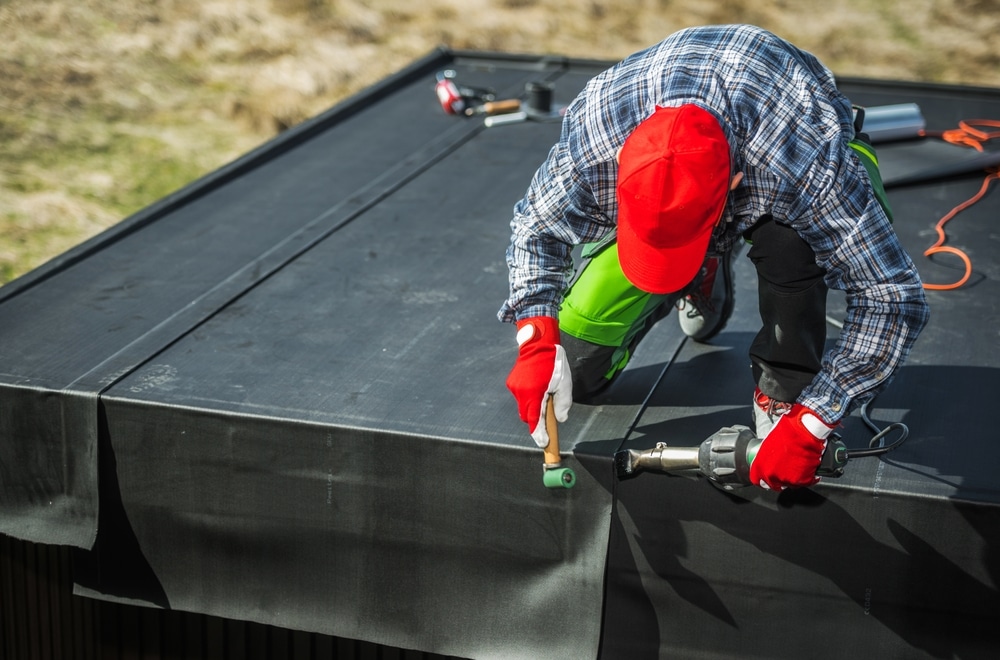
Surface preparation also changes by material. Old residue, oxidation, moisture and loose coating can interfere with adhesion. The repair product instructions should determine cleaning and cure conditions, and work should be postponed when rain or temperature makes those conditions unrealistic.
Information Worth Recording During a Roof Repair
- Photograph the details before and after the repair.
- Write down panel profile and measured penetration size.
- Check Supply Maverick for a repair component that matches the measured detail.
- Record fastener length and washer type used at the repaired area.
- Note weather conditions and cure time for sealants or coatings.
Inspect the Repair After the Next Weather Event
A repair should be reviewed after rain rather than assumed successful because the surface looks neat. The interior area can be checked for new moisture, while the exterior detail is inspected for movement, lifting or incomplete sealant contact. That follow-up distinguishes a durable repair from a cosmetic one.
If another component is needed later, Supply Maverick can be compared with the repair notes rather than relying on memory. Repeated failures in the same area may indicate a broader design or installation problem that deserves professional assessment instead of another isolated patch.
Leak diagnosis benefits from separating active water entry from old staining. Dry weather, moisture meters or careful observation after rain can help determine whether an interior mark is current. On the roof, fasteners around the suspected area should be compared with unaffected sections. A pattern of backed-out screws or degraded washers may point to movement or installation issues that deserve wider inspection rather than a single isolated repair.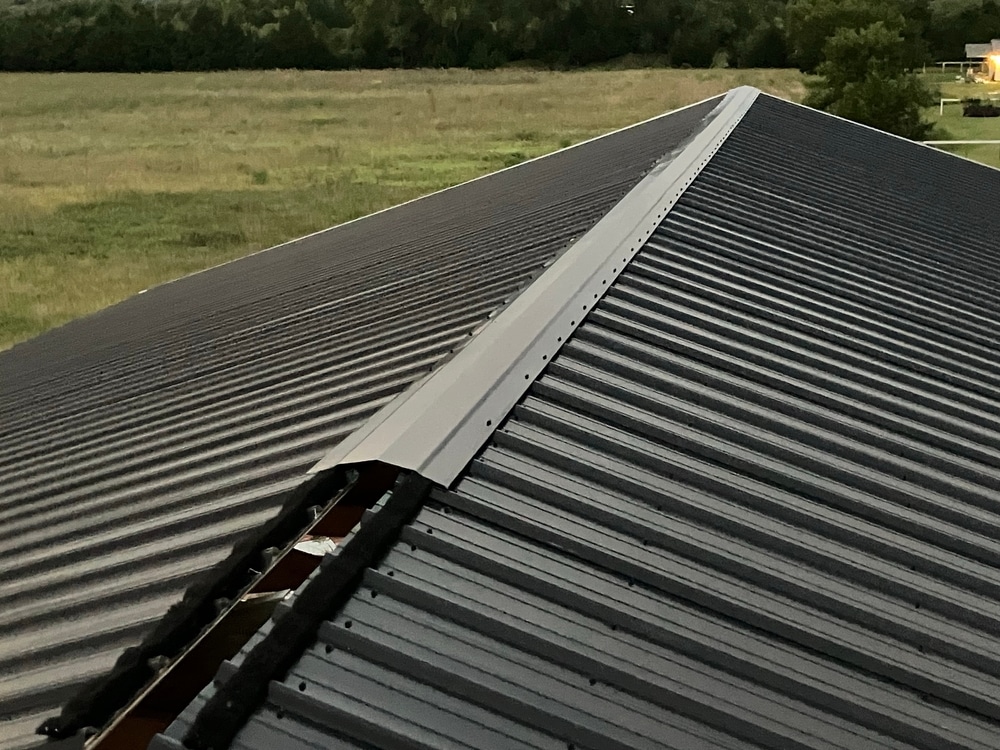
Looking beyond Information Worth Recording During a Roof Repair, another way to test diagnosing small metal roof leaks before ordering repair parts is to imagine a second person following the plan without the original buyer standing beside them. Clear labels, saved measurements and a fixed storage location make trace the water path before disturbing the roof understandable to someone who did not research the product. That shared-use perspective also sharpens and treats fasteners, boots and seams as different repairs, because confusing steps become obvious quickly. By the time inspection of the repair after the next weather event is needed, the household or team has a record that explains what was chosen and why.
When Inspecting the Repair After the Next Weather Event is considered, cost in time can change the value of diagnosing small metal roof leaks before ordering repair parts just as much as purchase price. A technically capable option may become inconvenient if treating fasteners, boots and seams as different repairs adds frequent preparation or cleanup that the user did not expect. Comparing that burden with trace the water path before disturbing the roof keeps the decision tied to the real routine. The notes created during information worth recording during a roof repair can then support inspecting the repair after the next weather event later without repeating research that has already been done once.
Penetration repairs should also consider movement between the pipe and roof panel. A boot that fits when the roof is cool may experience repeated thermal movement through the year. Repair materials therefore need to match the detail and installation instructions, not just the visible hole. This is another reason to photograph the original condition and save the exact replacement information for later inspections.
Good metal-roof repair work is specific. It identifies the path of water, replaces the failed component with a compatible part and confirms the result after weather tests the repair. Supply Maverick can support that process with specialized roofing accessories, but the useful purchase is the one tied to a measured defect rather than to a general idea of what a roof leak needs.

Sorry, the comment form is closed at this time.