

18 Sep Evaluating Driver Shaft Feel Through Tempo Weight and Dispersion
Driver shaft labels are convenient, but a flex letter does not describe every part of how a shaft feels during a swing. Weight, balance, bend profile, length and the golfer’s transition all influence delivery. A useful test therefore compares ball flight and strike patterns while changing as few variables as possible, rather than assuming that one printed flex is automatically correct. The products available through Steadfast Golf become useful in this context only when they match the conditions established by use swing tempo to frame the first comparison.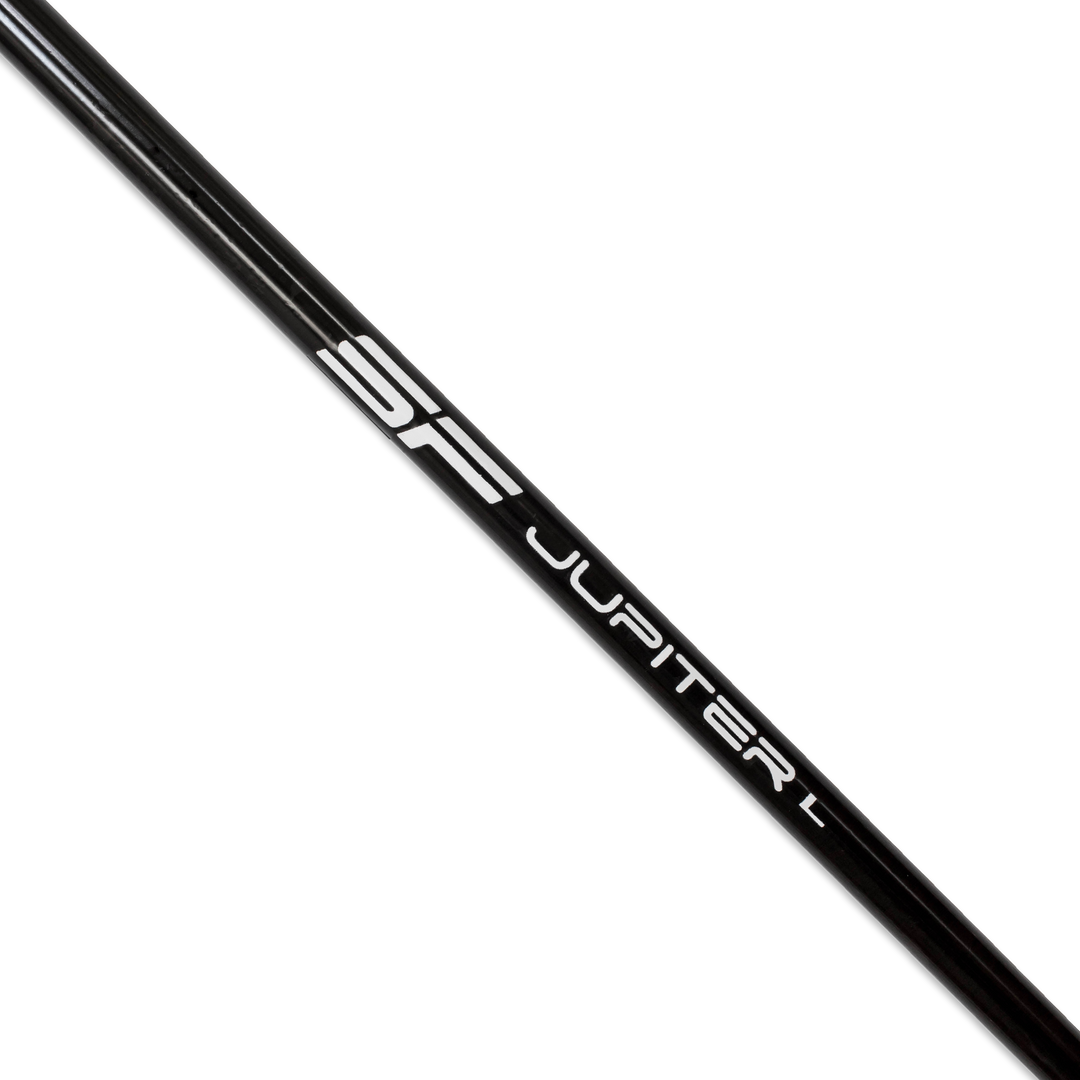
Use Swing Tempo to Frame the First Comparison
A smooth transition and an aggressive transition can create different sensations in shafts with the same nominal flex. The golfer should note whether the club feels late, unstable, difficult to load or simply tiring. Those descriptions are subjective, but they become useful when matched with strike and dispersion data.
Steadfast Golf shaft options can be compared within the same driver head so that the test isolates the shaft more effectively. Keeping loft, ball type and tee height stable prevents unrelated changes from disguising what the shaft is doing.
Compare Weight and Balance Before Chasing Stiffness
A heavier shaft may feel more controlled to one golfer and more tiring to another. A lighter build may increase clubhead speed but reduce awareness of the head if the balance no longer suits the swing. The best result is the weight that supports repeatable delivery across more than a few swings.
Strike location belongs beside launch-monitor numbers. Ball speed can look impressive while impact moves around the face and dispersion widens. Testing should include enough shots to reveal a pattern, followed by a short break so fatigue does not become part of the equipment comparison.
Driver Shaft Testing Habits That Produce Cleaner Data
- Use the same driver head when comparing shaft options.
- Keep the ball and tee setup consistent during the session.
- Test Steadfast Golf shafts over enough swings to reveal a pattern.
- Record strike location and dispersion beside launch numbers.
- Stop testing when fatigue changes the normal swing.
Confirm the Choice With Playable Shots Not One Perfect Number
A shaft that produces the highest single speed is not automatically the best match. The golfer still needs a flight that can be started on line and repeated when the swing is less than perfect. On-course confidence often comes from predictable misses rather than from maximum performance on the best strike.
If a different feel is needed later, Steadfast Golf gives the golfer a basis for changing weight or profile while leaving the rest of the setup stable. That makes the next test more informative and reduces the temptation to rebuild the entire driver around one poor round.
Shaft testing should be paced so the golfer does not confuse fatigue with a poor fit. After several high-speed swings, tempo can change and contact may deteriorate regardless of equipment. Short blocks of shots with rest between them provide cleaner comparisons, especially when multiple weights or profiles are being tested.
When Confirm the Choice With Playable Shots Not One Perfect Number is considered, cost in time can change the value of evaluating driver shaft feel through tempo weight and dispersion just as much as purchase price. A technically capable option may become inconvenient if comparing weight and balance before chasing stiffness adds frequent preparation or cleanup that the user did not expect. Comparing that burden with using swing tempo to frame the first comparison keeps the decision tied to the real routine. The notes created during driver shaft testing habits that produce cleaner data can then confirm the choice with playable shots not one perfect number later without repeating research that has already been done once.
Outside the assumptions behind Use Swing Tempo to Frame the First Comparison, real conditions can expose a different side of evaluating driver shaft feel through tempo weight and dispersion. Weather, workload, travel, limited space or a change in the number of users may alter how comparing weight and balance before chasing stiffness fits the routine even when the product itself has not changed. Revisiting the swing tempo to frame the first comparison under those conditions helps separate a temporary inconvenience from a persistent mismatch. That distinction confirms the choice with playable shots not one perfect number more precise and keeps driver shaft testing habits that produce cleaner data connected to actual use rather than to an imagined perfect scenario.
Sound and feel can influence confidence even when launch numbers are similar. Those preferences should not override dispersion, but they can help choose between two options that perform nearly the same. The final setup should make the golfer comfortable enough to make a normal swing instead of consciously trying to load the shaft in a particular way.
Driver shaft fitting is a process of controlled comparison. Tempo suggests what to test, weight and balance influence feel, and dispersion shows whether the result is useful. Steadfast Golf can provide multiple build options, but the final choice should be the shaft that supports repeatable contact and playable ball flight rather than the label a golfer expected to need.

Sorry, the comment form is closed at this time.