
19 Jun Gaming Handhelds, Consoles, and Accessories: The Biggest Gaming Tech Trends to Watch in 2026
Gaming technology has never stayed still for long, but 2026 feels different. Instead of one category dominating the conversation, players now have more ways than ever to experience games—on handheld devices during travel, on powerful home consoles for immersive sessions, and through accessories designed to make every interaction feel sharper and more personalized. The definition of gaming hardware has expanded beyond a single screen and controller setup. Today, gaming products are competing to offer flexibility, performance, comfort, and experiences that fit naturally into different lifestyles.
What makes this shift exciting is that players are no longer choosing between convenience and quality. Gaming handhelds are becoming more capable, consoles continue evolving into entertainment hubs, and accessories are transforming from optional extras into products that actively improve gameplay. Whether someone enjoys fast-paced competitive matches, story-driven adventures, social gaming sessions, or portable entertainment, the gaming ecosystem in 2026 is becoming more connected and adaptable. Understanding these trends helps buyers make smarter decisions and discover which products truly add value to their setup.
Gaming Handhelds Are Becoming Serious Performance Devices
For years, handheld gaming was often associated with smaller experiences and simplified graphics. That idea has changed dramatically. Modern gaming handhelds are increasingly designed to deliver richer gameplay experiences while maintaining portability. Players want devices that fit into busy routines without sacrificing responsiveness, visual quality, or access to larger game libraries. As a result, handheld products are becoming more attractive to people who want flexibility without giving up immersive gaming sessions.
The appeal goes beyond portability. Gaming handhelds increasingly support lifestyles where entertainment happens across multiple environments rather than in one dedicated room. Whether commuting, traveling, relaxing at home, or switching between activities throughout the day, these products are redefining where and how gaming fits into everyday life.
Consoles Continue to Evolve Beyond Traditional Gaming
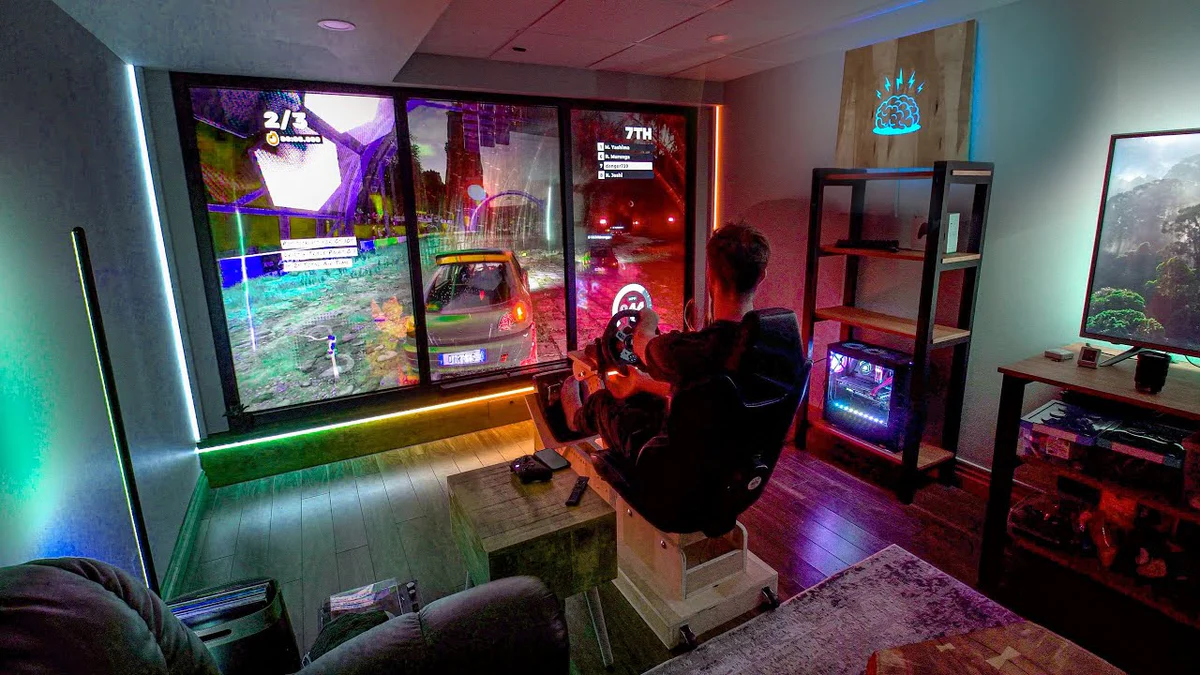
Home consoles remain central to gaming culture, but their role continues expanding. Modern console products are no longer viewed only as gaming machines—they increasingly function as complete entertainment centers that support social experiences, digital libraries, media consumption, and connected ecosystems. Players expect smooth transitions between activities and products that remain useful beyond gaming alone.
The competition among consoles is also pushing innovation in user experience rather than focusing exclusively on hardware specifications. Faster access, smarter interfaces, improved responsiveness, and greater integration with digital services are becoming part of what makes gaming feel more seamless and enjoyable. The experience surrounding gameplay is becoming just as important as performance itself.
Accessories Are Becoming Essential Instead of Optional
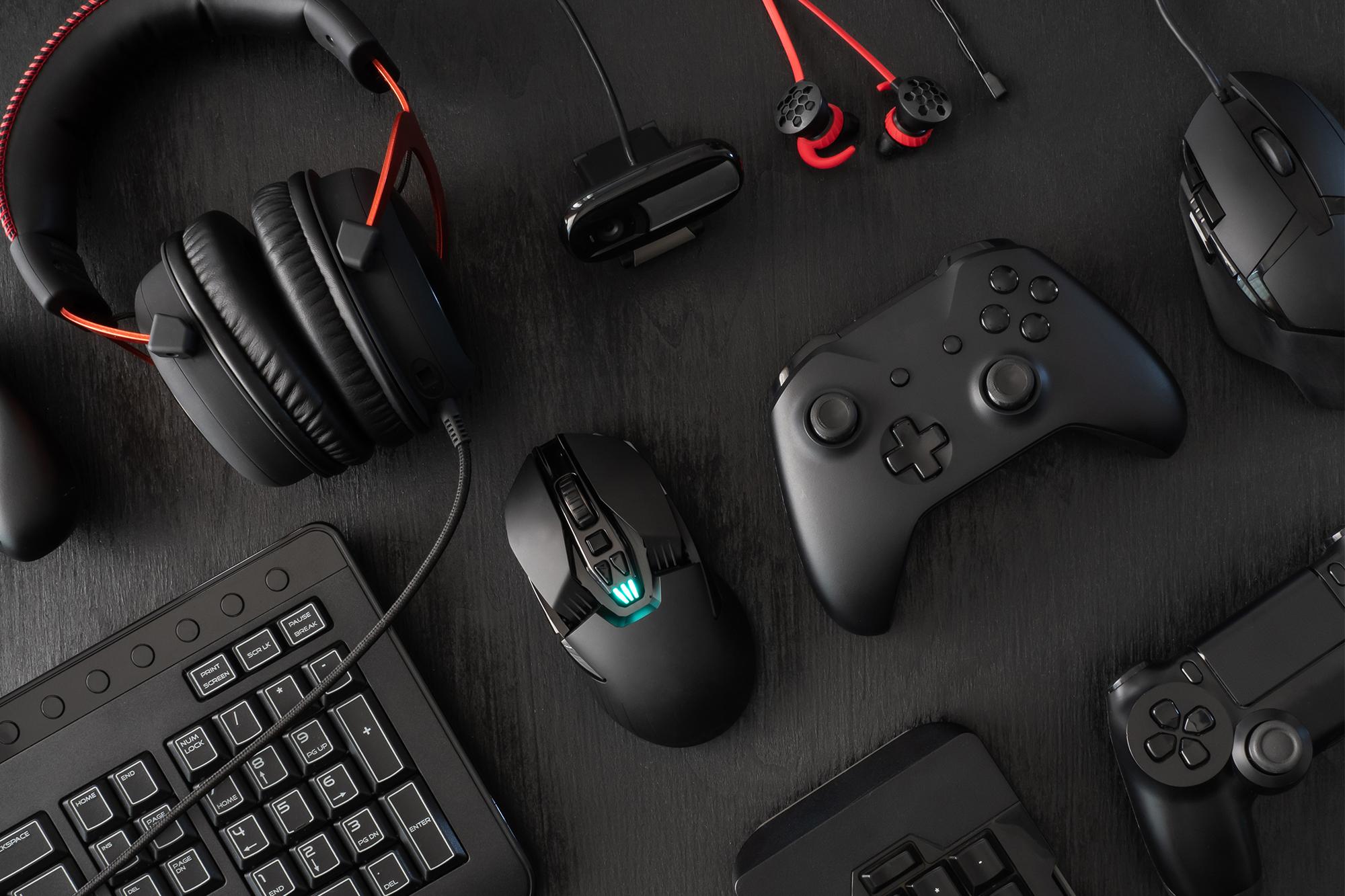
Gaming accessories have moved far beyond decorative additions. Players now pay close attention to products that improve comfort, precision, customization, and immersion. Controllers, headsets, charging systems, ergonomic setups, audio equipment, and storage solutions increasingly influence how enjoyable gaming feels over time.
Accessories also allow players to personalize their setups and create environments that reflect how they play. Competitive players may focus on responsiveness and control, while casual users often prioritize comfort and convenience. This shift has turned gaming accessories into a major part of the overall gaming experience rather than an afterthought.
Portability and Flexibility Are Shaping Buying Decisions
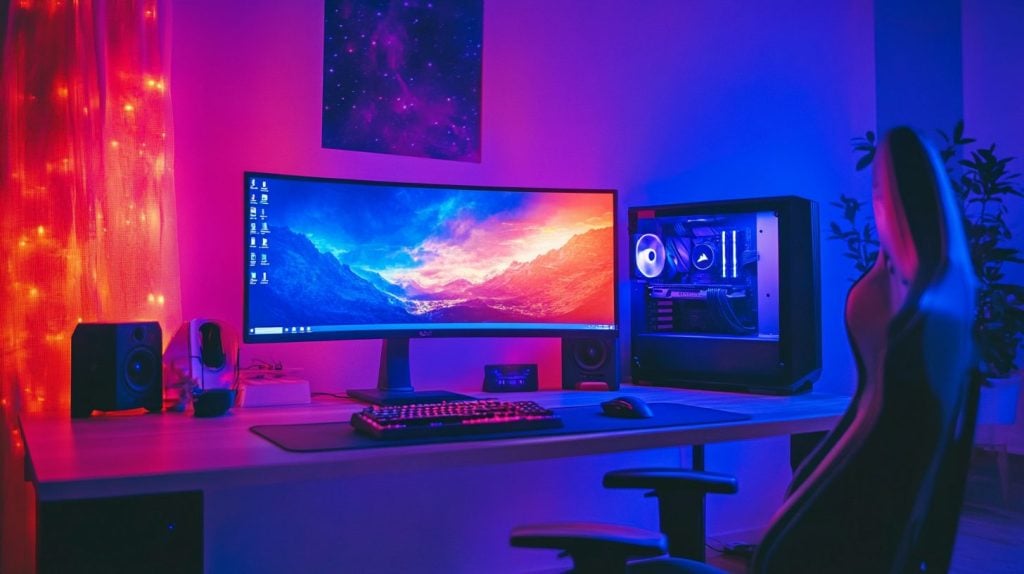
One of the biggest trends influencing gaming technology in 2026 is flexibility. Players want products that support different play styles without creating unnecessary limitations. Some users move between rooms, some alternate between travel and home setups, and others prefer gaming that fits around busy schedules. Products that adapt to these habits are attracting increasing attention.
Gaming companies are responding by creating ecosystems that feel more connected and easier to move between. Buyers are becoming more interested in how products work together instead of evaluating devices in isolation. Flexibility is quickly becoming one of the strongest selling points across gaming categories.
Gaming Tech Trends Worth Watching in 2026
- More powerful gaming handheld devices
- Console ecosystems built around convenience
- Smarter gaming accessories and customization
- Improved portable gaming experiences
- Comfortable setups for longer sessions
- Enhanced audio and immersion tools
- Connected gaming environments
- Cross-device flexibility and usability
- Faster access to entertainment features
- Products designed around changing lifestyles
Gaming Products Are Becoming More Personal
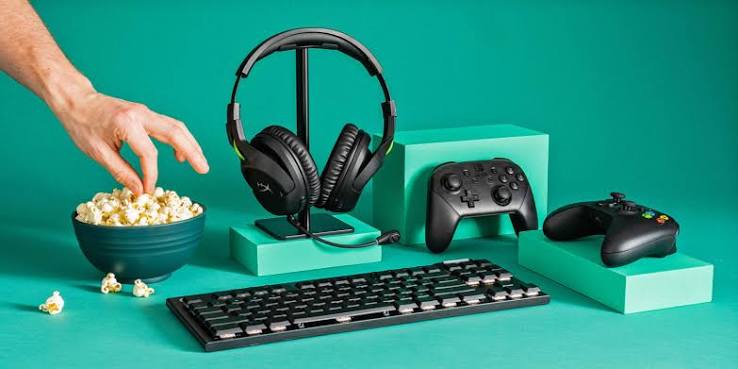
Gaming used to revolve around shared expectations—everyone bought similar hardware and played in similar ways. That model is changing. Players now build gaming environments based on personal preferences, available time, favorite genres, and daily routines. Hardware products increasingly reflect that shift by offering more options and customization opportunities.
This personalization creates a more enjoyable experience because gaming setups begin to feel less standardized and more individual. Whether someone prefers handheld sessions, large-screen console gaming, or carefully selected accessories, the focus is moving toward creating experiences that feel tailored rather than universal.
The Future of Gaming Looks More Flexible Than Ever
The most interesting change in gaming technology may not be one revolutionary product but the growing variety of choices available to players. Gaming handhelds continue becoming more capable, consoles remain central entertainment devices, and accessories are evolving into products that shape the overall experience in meaningful ways.
For shoppers exploring gaming products in 2026, the smartest approach may not be chasing the newest release—it may be understanding which devices fit the way they actually play. As gaming becomes more adaptable, connected, and personalized, the next great upgrade could be less about power and more about finding products that make every gaming session feel exactly right.

Sorry, the comment form is closed at this time.