
17 Jul Growing Thriving Gardens Essential Supplies and Expert Techniques for Year-Round Success
A thriving garden transforms any outdoor space into a sanctuary of beauty and productivity. Whether you’re cultivating vegetables, ornamental flowers or a mixed landscape, success depends on understanding the right tools, supplies and seasonal techniques. Year-round gardening requires planning, proper equipment and knowledge of what each season demands from your plants and from you. The difference between a struggling garden and one that flourishes lies partly in genetics and climate, but mostly in consistent care and smart resource management throughout the seasons.
Essential Hand Tools for Every Gardener
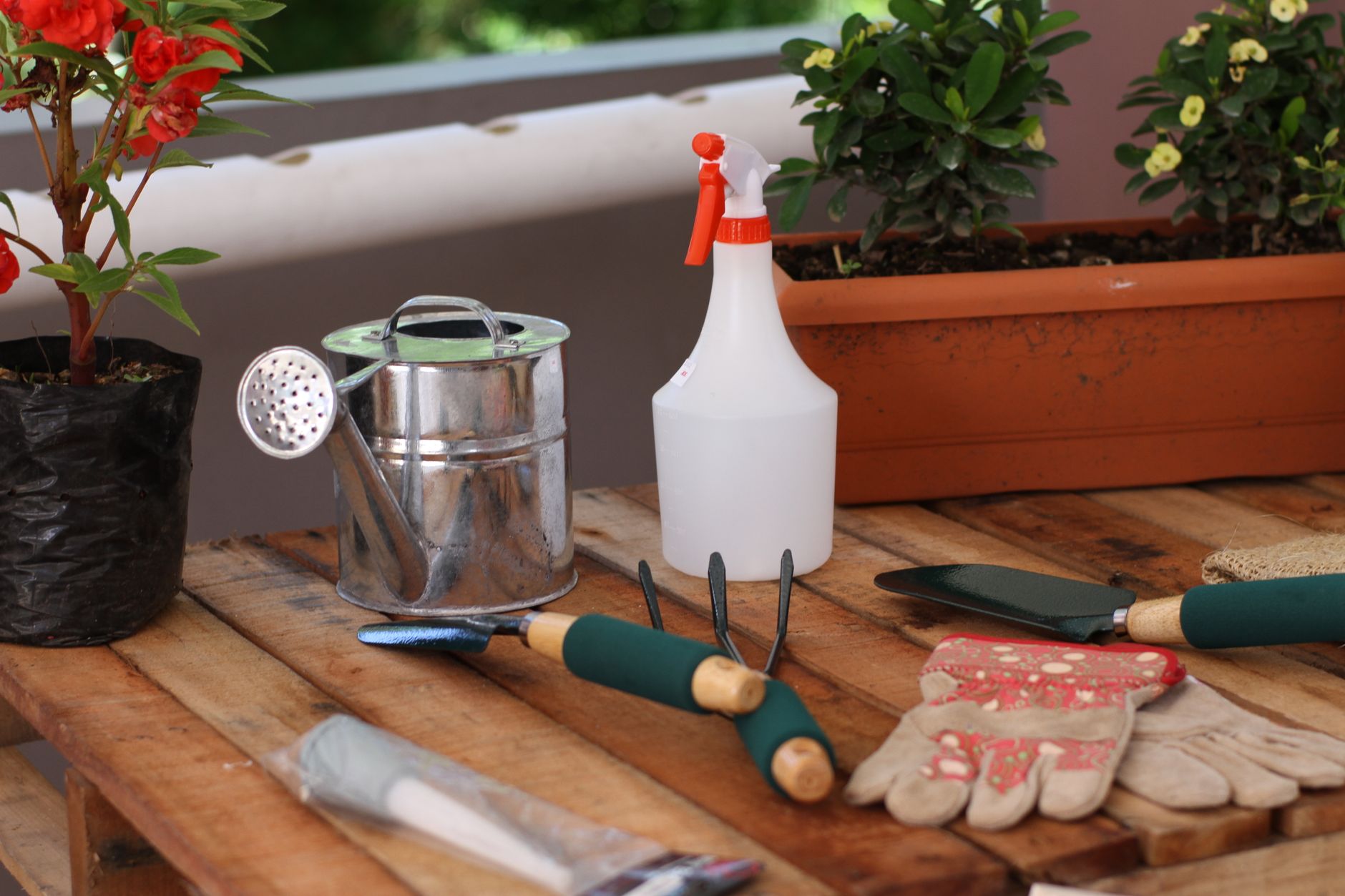
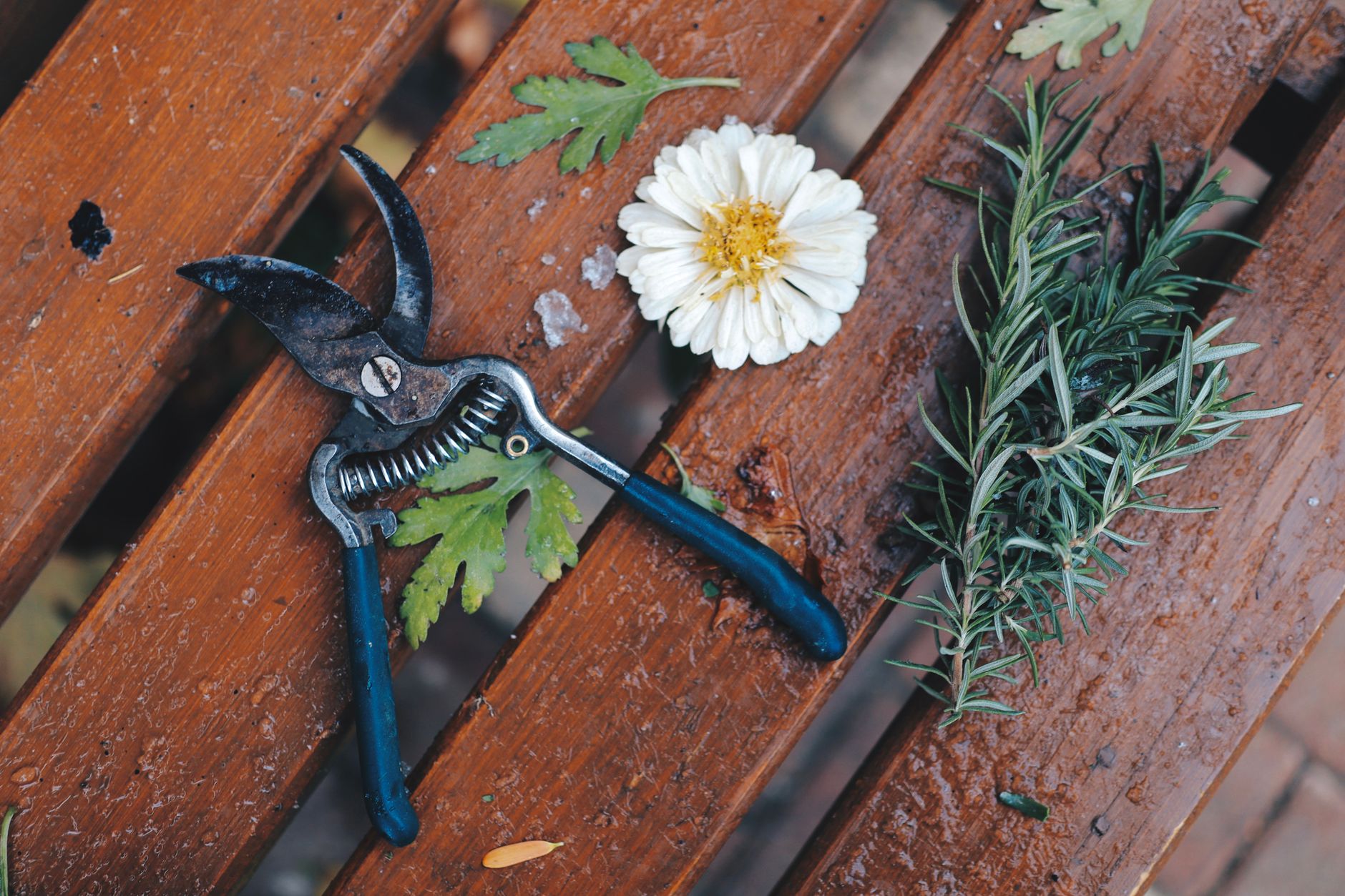
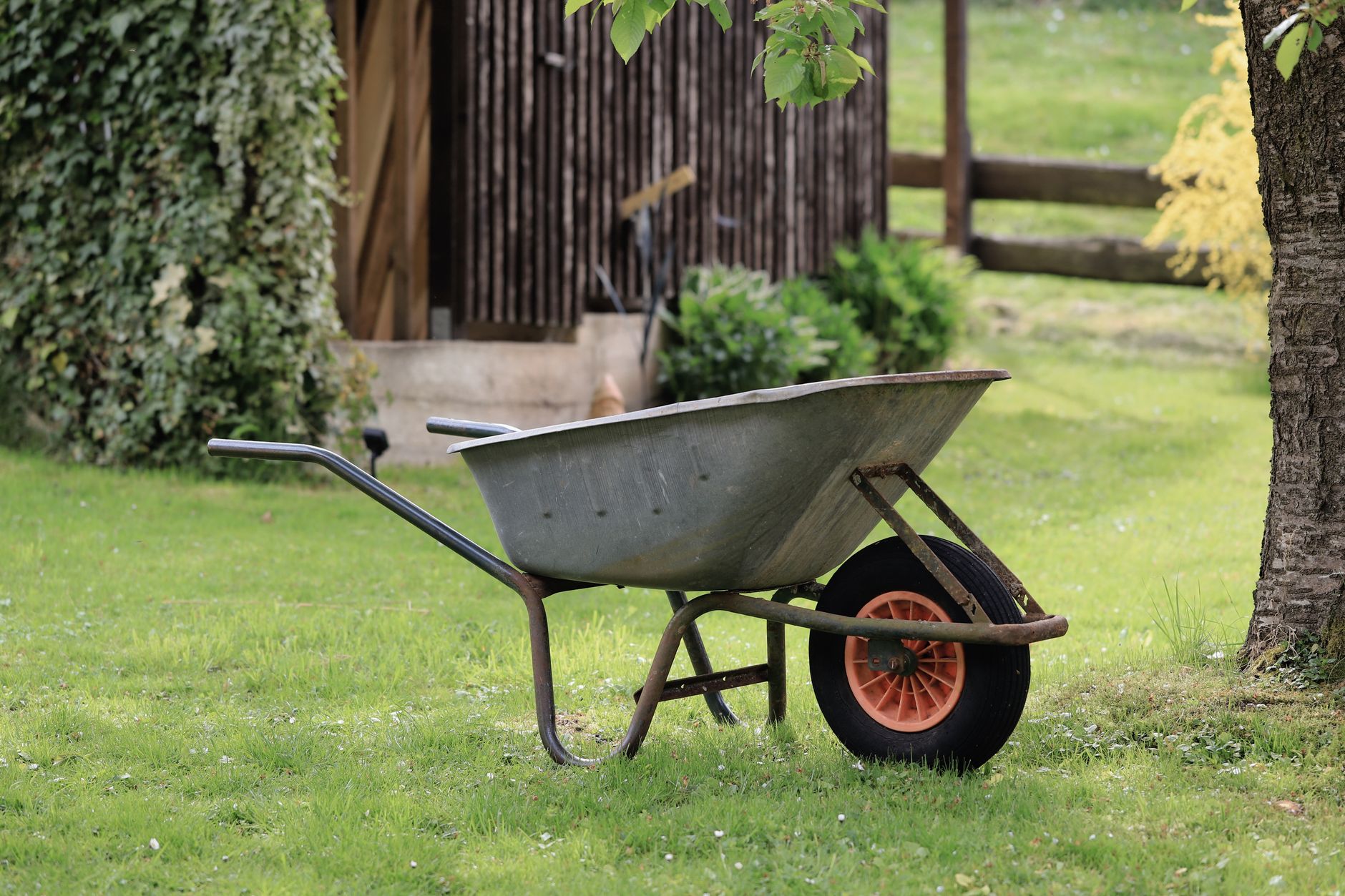
The foundation of any garden lies in quality hand tools that make work efficient and enjoyable. A well-maintained spade, shovel and cultivator handle routine soil work without strain and last decades with proper care. Pruning shears keep plants shaped and healthy, removing dead wood before disease spreads deeper into the plant structure. A sturdy garden rake levels beds and removes debris efficiently, while a hoe controls weeds before they compete for nutrients and moisture. Invest in tools with comfortable grips and stainless steel blades, they resist rust and last through seasons of use. Many experienced gardeners keep duplicates in different garden zones to avoid the endless hunt for a misplaced tool. A quality wheelbarrow saves your back when moving soil, compost or harvest baskets, making garden work sustainable over the years.

Soil Health and Amendment Strategies
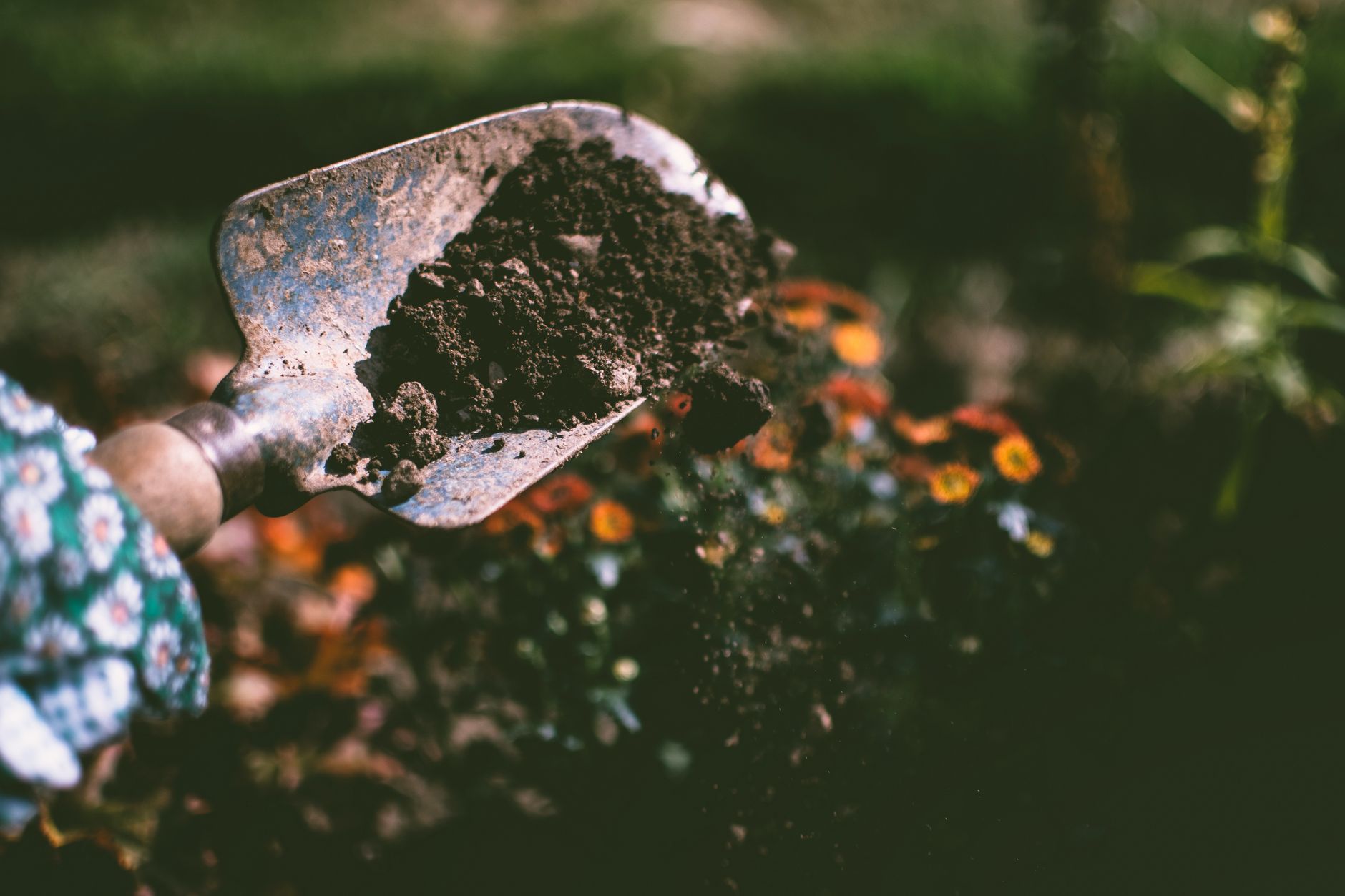
Healthy soil is the garden’s backbone and foundation for all plant growth and vitality. Test your soil annually to understand its pH, nutrient content and texture, most universities offer inexpensive soil testing through extension programs. Sandy soil drains too quickly and lacks nutrients; clay holds water but suffocates roots. Most plants thrive in loamy soil rich in organic matter. Build fertility by adding compost, aged manure or leaf mulch each season. Spring amendments boost growth as plants emerge; fall additions feed the soil as it rests. Mulching conserves moisture, suppresses weeds and breaks down into humus that feeds microorganisms and earthworms. Healthy soil requires no heavy fertilizers, the ecosystem handles most nutrient cycling naturally when organic matter is abundant.
Seasonal Watering and Irrigation
Water needs shift dramatically with the seasons and weather patterns in your area. Spring and fall rains often reduce watering; summer heat demands consistent moisture. Drip irrigation delivers water directly to roots, reducing waste and disease pressure compared to overhead sprinklers that wet foliage. Soaker hoses work well for vegetable beds and borders. Water deeply but less frequently to encourage deep root growth, shallow daily watering creates weak, thirsty plants dependent on constant moisture. Morning watering reduces fungal issues by allowing foliage to dry quickly. In winter, dormant plants need far less water, though evergreens benefit from occasional deep soaking during dry spells. Container plants dry faster and need checking every day during heat waves.

Pest and Disease Management Without Chemicals
Prevention beats treatment every time in the garden ecosystem. Choose disease-resistant varieties from the start, space plants for air circulation and remove fallen leaves that harbor fungi and pest eggs. Healthy plants resist pests naturally by producing compounds that deter insects. Hand-pick larger pests like caterpillars and beetles; strong water spray dislodges aphids and spider mites. Encourage beneficial insects, ladybugs, parasitic wasps and lacewings patrol for pests. Let native plants flower nearby to attract them. Insecticidal soap and neem oil handle tough infestations without harming pollinators. Row covers protect young vegetables from flying insects. Rotate crops yearly to break pest cycles. Vigilance in spring catches problems early before populations explode.
Year-Round Planting Calendar
Spring demands speed, vegetables and warm-season flowers go in after frost danger passes. Feed early bloomers and start seeds indoors six weeks before transplanting. Summer focuses on deadheading faded flowers, consistent watering and successive plantings of lettuce and beans for continuous harvest throughout the growing season. Fall is the gardener’s second spring; plant cool-season crops and spring bulbs for next year’s color. Winter offers planning time, tool maintenance and pruning of dormant trees and shrubs. Cold frames extend the harvest into winter for hardy greens. Understanding your zone’s frost dates, first planting date and final frost ensures timely sowing. Local extension offices provide detailed calendars tailored to your region.

Building Long-Term Garden Success
Great gardens grow better with time and experience. Each season teaches lessons about light, soil and plant behavior on your specific site. Keep simple notes, what thrived, what struggled, when things peaked. A garden journal becomes invaluable reference. Invest gradually in infrastructure raised beds, compost bins, trellises and storage sheds save time and frustration. Join local garden clubs to share knowledge and rare plants. Visit public gardens for inspiration and to see how professionals solve common challenges. Year-round success comes from respecting seasonal rhythms, tending soil with care and choosing the right tools and plants for your climate. Gardens reward patience, observation and consistent effort with beauty, food and peace.
Key practices every gardener should master
- Water deeply but less frequently to build strong root systems.
- Add compost and mulch annually to maintain soil fertility.
- Prune dead wood and shape plants for health and form.
- Scout for pests and diseases early before problems spread.
- Keep detailed notes about what works in your specific garden.

Sorry, the comment form is closed at this time.