
15 Sep How to Build a First Aid Kit That Can Be Found Quickly in an Emergency
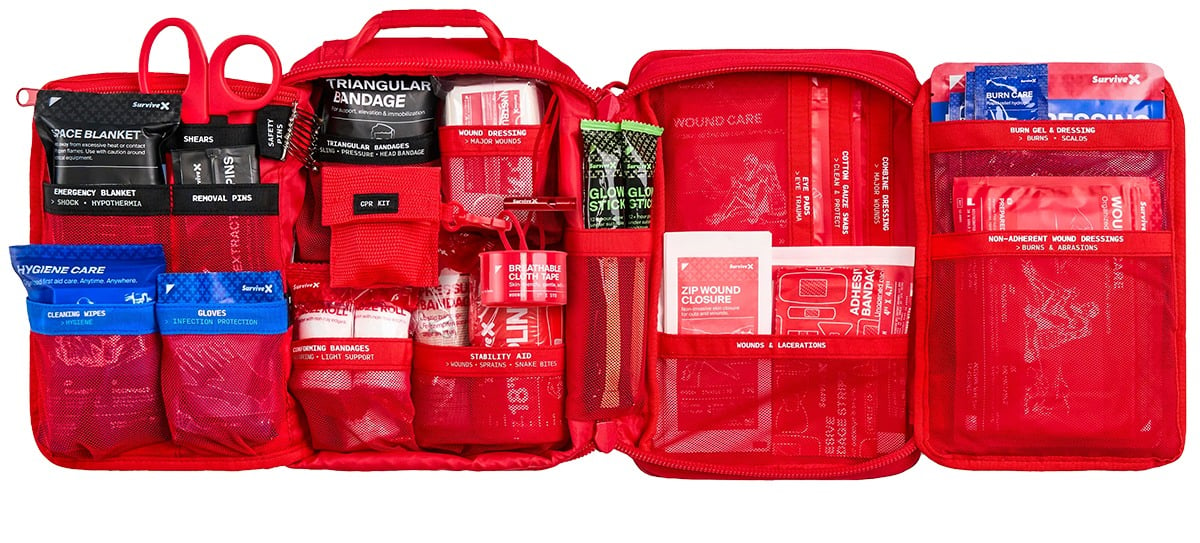
A first aid kit is useful only when people can locate the right supplies quickly and understand their limits. Organization, placement and routine checks matter as much as the number of items inside the bag. Survive X US offers kits with labeled compartments for wound care, burns, hygiene, tools and other categories, which illustrates why a clear internal system can be more valuable than simply collecting a large quantity of supplies.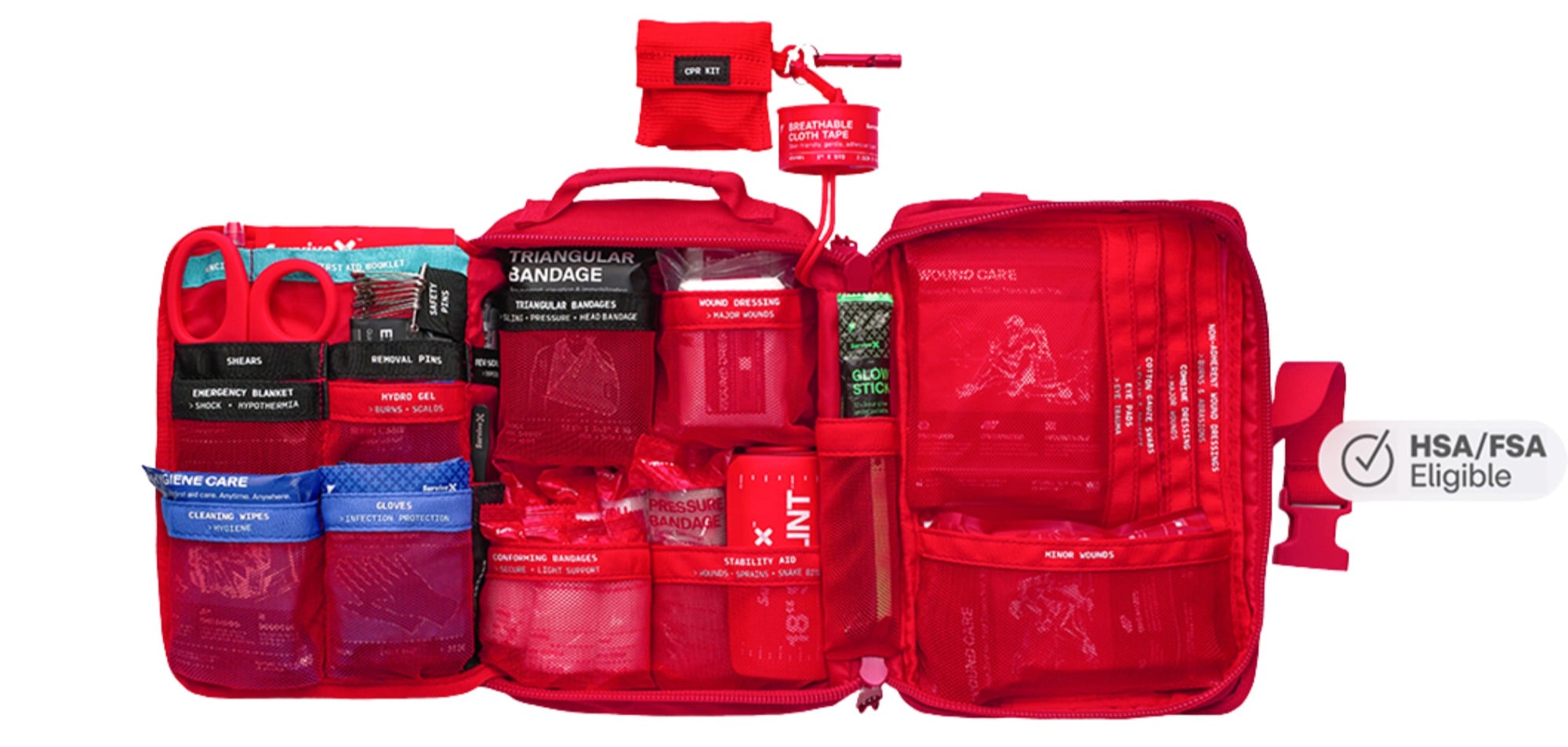
Choose the Kit Location Before Filling Every Pocket
The household should decide where the kit is most likely to be needed. A home kit should be accessible to responsible adults but protected from small children. A vehicle kit needs protection from unnecessary heat and moisture. Camping equipment should be packed where it can be reached without emptying the entire car or backpack.
One kit cannot always cover every setting. Someone may keep a larger home bag and a smaller travel kit rather than moving the same supplies constantly. The product range from Survive X US includes larger first aid options and travel-oriented supplies, so the buyer can think in terms of location and group size rather than choosing the biggest bag by default.
Everyone who may use the kit should know where it is. A beautifully stocked bag hidden behind storage boxes is less useful than a clearly identified kit in a predictable location. Emergency phone numbers and relevant personal information can also be stored nearby when appropriate.
Organize by Task and Know What Requires Professional Care
Color coding and labels can reduce searching when a person is stressed. Wound dressings, gloves, burn supplies, shears and emergency blankets should each have a defined place. The user should return items to the same compartment after checking the kit so the layout remains familiar. Loose packets scattered through one large pocket make even a well-stocked kit harder to use.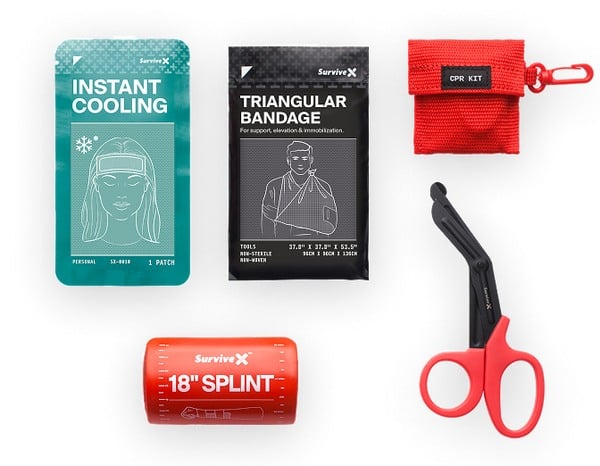
A first aid kit does not turn a bystander into a clinician. Serious bleeding, breathing difficulty, loss of consciousness, major burns, suspected fractures or other severe conditions require emergency services and appropriate first aid training. Someone using Survive X US supplies should follow recognized first aid guidance rather than improvising a procedure simply because a tool is present.
Personal medicines require special care. Allergies, dosing and storage conditions differ between people, so medicines should not be casually added for group use. Any personal medication should remain clearly labeled and within its safe storage conditions.
Checks That Keep a First Aid Kit Ready
- Compartments should remain labeled and supplies should return to the same location after inspection.
- A household can review Survive X US kit organization while deciding which categories it genuinely needs.
- Expired, opened, damaged or contaminated items should be replaced promptly.
- Gloves, dressings and other frequently used items should be replenished before the kit returns to storage.
- People responsible for the kit should know when an emergency requires professional medical help.
Inspect Supplies on a Simple Repeating Schedule
A regular review prevents the kit from slowly becoming incomplete. The owner can check seals, expiration dates, packaging condition and battery-powered accessories if any are included. Items used for minor injuries should be replaced immediately rather than waiting for the next scheduled inspection. A written inventory can be useful for larger kits.
Training is another form of preparedness. A first aid course can teach someone how to assess a scene, protect themselves, call for help and use basic supplies correctly. Instructions inside a kit are useful references, but they are not a substitute for practice. Household members with specific medical needs may require additional guidance from qualified professionals.
The best kit is not the one with the most dramatic equipment. It is the one that is stored sensibly, organized clearly and maintained often enough to be dependable. A buyer considering Survive X US can use its compartment-based design as a model for readiness, then build a kit plan around the actual people, locations and activities that need support.
The kit should also be understandable to someone who did not assemble it. Clear labels, a visible inventory and consistent placement make it easier for another household member to help. Preparedness improves when knowledge is shared rather than kept with one person.
The household can improve readiness further by assigning responsibility for restocking. Without a named person, everyone may assume someone else replaced the gauze or gloves used after a minor injury. A simple checklist inside the bag can show the last inspection date and the items that need attention. Families can also review whether the kit still matches changing needs, such as new children, older relatives, sports activities or more frequent road trips. Supplies that were sensible for one stage of life may not be enough for another. The kit should remain practical rather than crowded, with space for the items most likely to be needed quickly. Periodic review also gives household members a reason to refresh basic first aid knowledge and confirm emergency contact information before an actual stressful situation tests the system.

Sorry, the comment form is closed at this time.