
15 Sep How to Build a Refined Casual Wardrobe Around Texture and Proportion
A refined casual wardrobe depends less on visible branding than on fabric, proportion and repeatable combinations. Neutral T-shirts, terry pieces, simple sweatshirts and understated accessories can cover a surprising number of settings when each item works with several others. Cacio Pepe (US) offers organic cotton essentials, terry styles, hemp blends, deadstock pieces and minimalist footwear, making it useful for shoppers who want casual clothing with a more considered material story.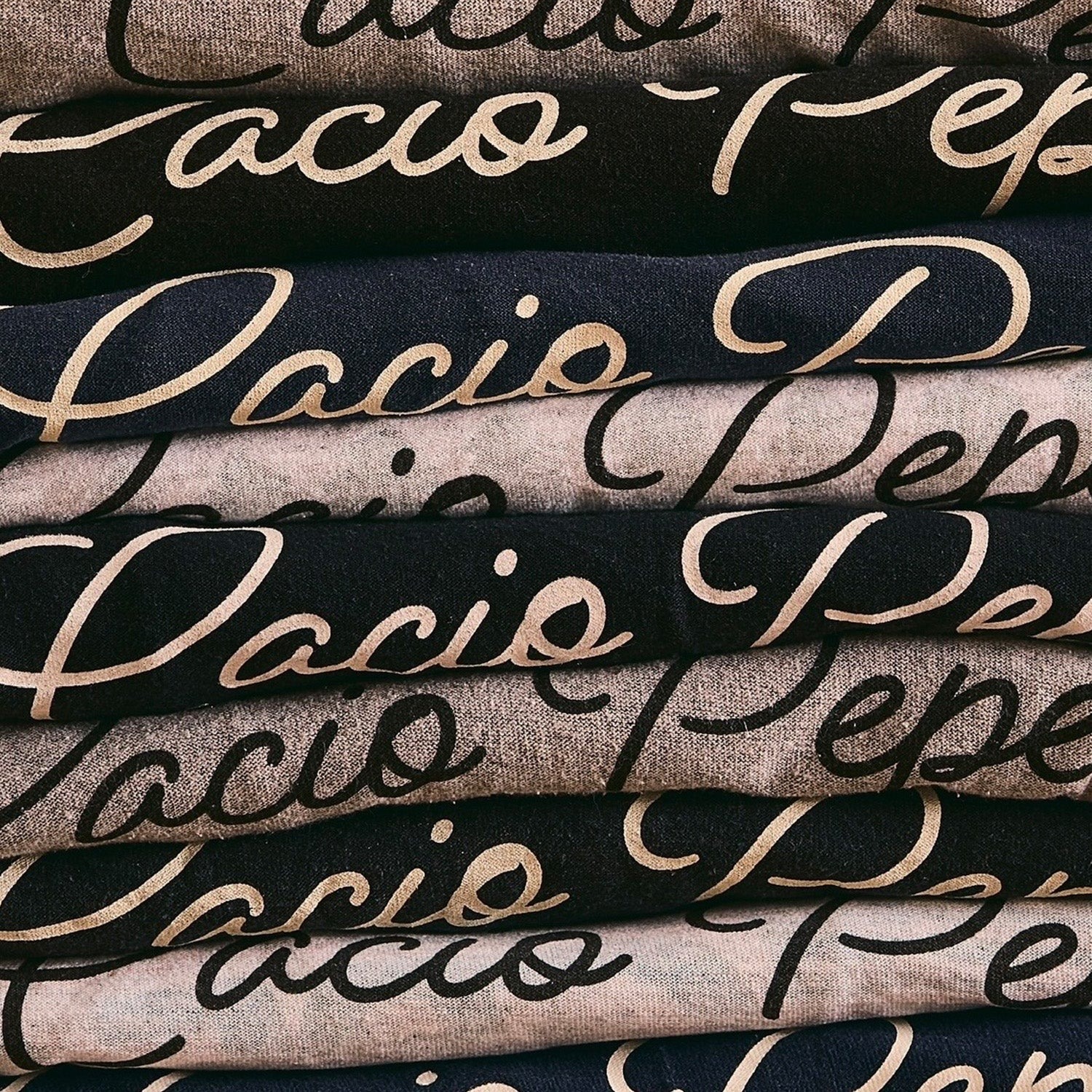
Begin With the Shapes That Get Worn Most
The shopper should look at the clothes already used every week. A person who repeatedly reaches for straight trousers and relaxed denim may need tops with enough structure to balance those shapes. Someone who prefers wider shorts may get more use from a clean, regular-fit T-shirt than another oversized layer. Proportion is easier to manage when new pieces answer an existing need.
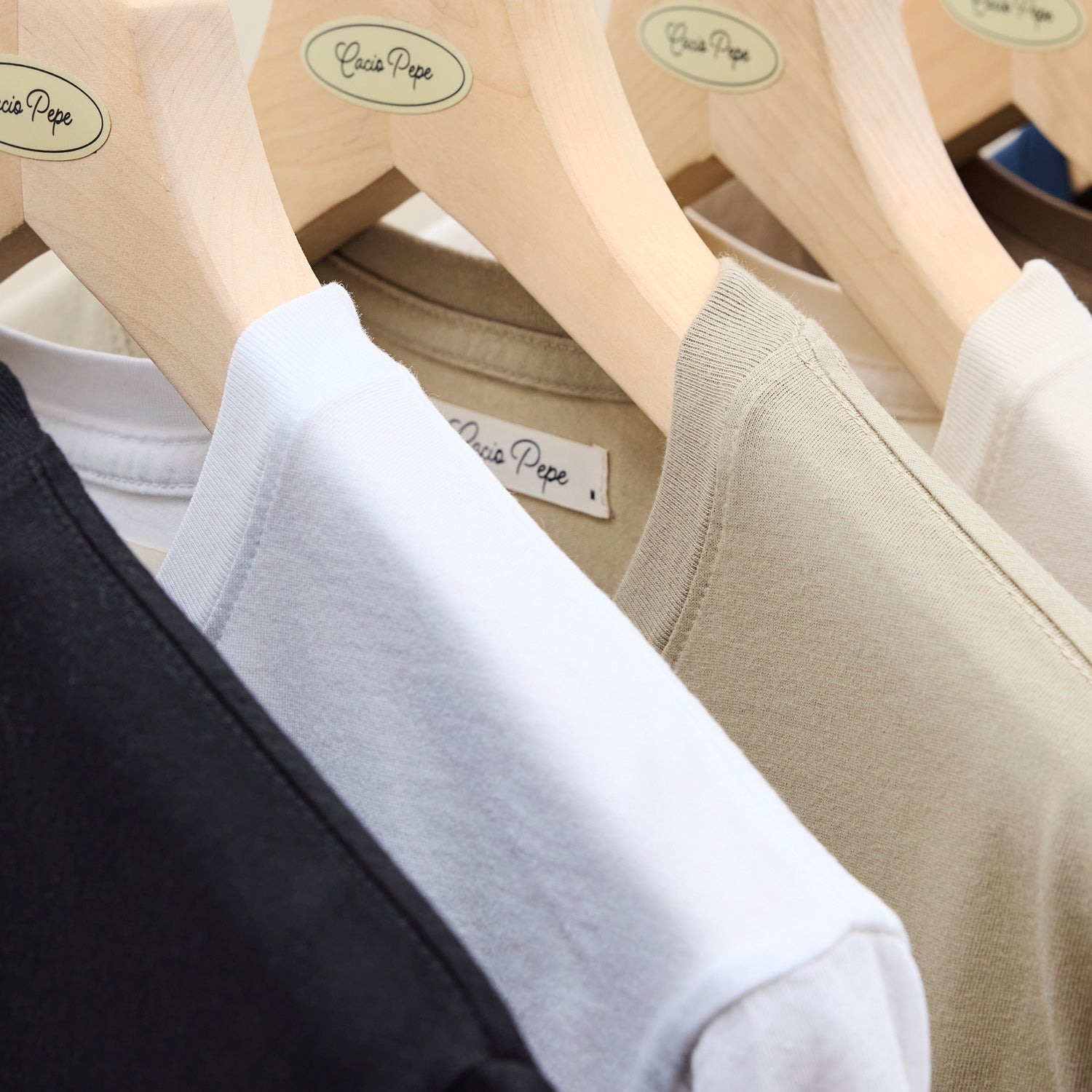
Neutral colors can make that process simpler. Black, white, navy, stone and muted earth tones tend to combine easily, but a wardrobe should still avoid becoming a row of nearly identical garments. The range at Cacio Pepe (US) includes signature crews and other essentials in several subdued shades, so the buyer can add contrast through tone rather than relying on large graphics.
Length is especially important with casual tops. A premium T-shirt that is too long may bunch beneath jackets, while a sweatshirt that is too short can feel awkward with lower-rise trousers. Measurements from a favorite garment at home are often more useful than relying on the letter size alone.
Let Material Change the Role of a Simple Garment
Two plain shirts can feel completely different when the fabric changes. Organic cotton can provide familiar softness and structure, while hemp blends may feel drier or more textured. Terry can give shorts or tops more depth than standard jersey, and recycled synthetics may create a different drape or performance feel. The buyer should read composition before deciding that two similar-looking pieces are interchangeable.
Cacio Pepe describes part of its range as premium understated knitwear and also offers Second Chance pieces made from selected vintage or deadstock materials. Someone shopping Cacio Pepe (US) can use those categories to introduce texture without making the wardrobe louder. A deadstock terry polo, for example, can add visual interest while remaining easy to pair with plain trousers or shorts.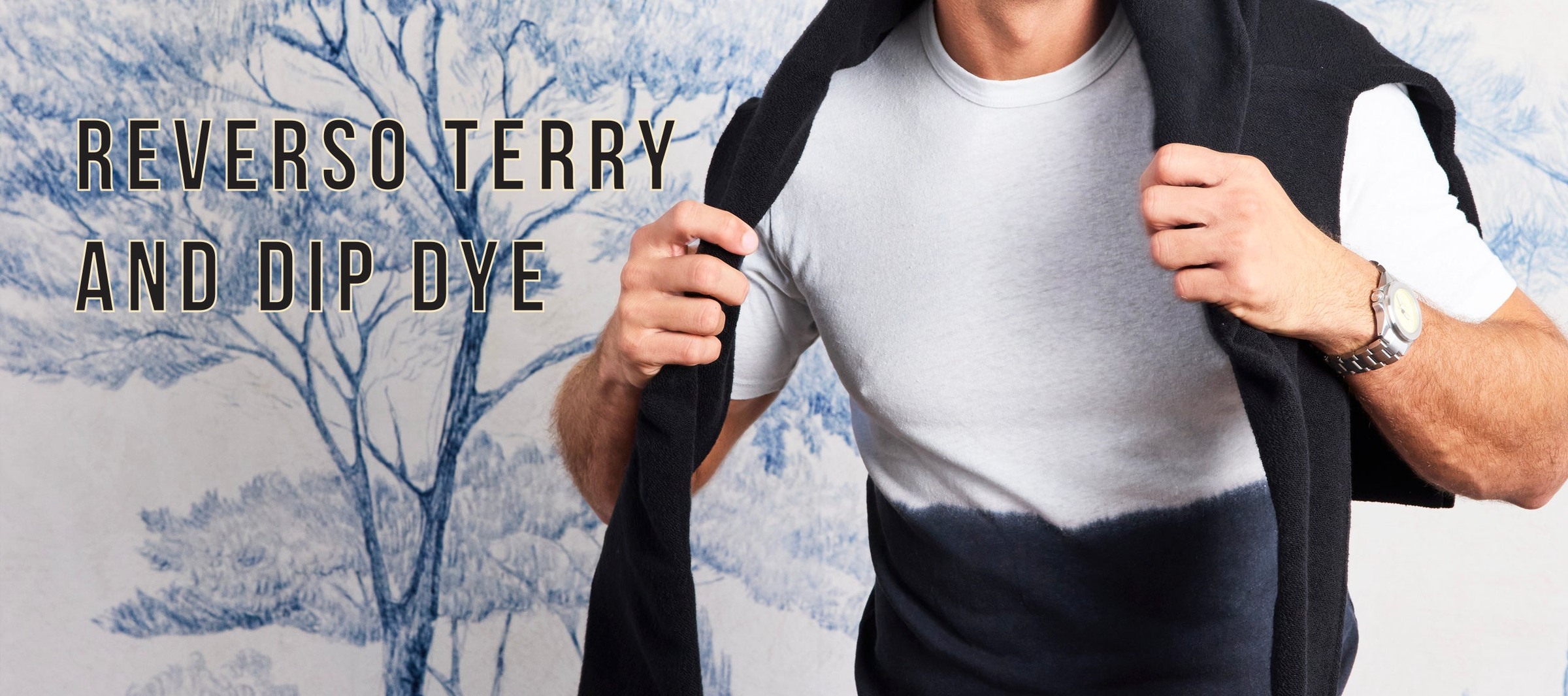
Material also determines care. Heat, aggressive drying and rough washing can shorten the life of natural fibers or distort knitted details. The label should guide each garment, even when several items look similar enough to be washed together.
Checks Before Adding Another Casual Piece
- The garment should create at least three realistic outfits with clothing already owned.
- A shopper can review Cacio Pepe (US) by fabric and silhouette instead of choosing only by logo or collaboration.
- Garment measurements should be compared with a familiar piece that already fits well.
- Care requirements should match the amount of maintenance the wearer is willing to provide.
- Color should expand the wardrobe rather than duplicate several nearly identical items.
Use Rotation and Layering to Make Fewer Pieces Work Harder
A casual wardrobe becomes more flexible when layers are planned together. A crew T-shirt can sit beneath a sweatshirt, light jacket or overshirt, while terry shorts can be balanced with a cleaner top. Sneakers and hats can shift the mood without requiring another full outfit. The wearer should test combinations in advance instead of discovering incompatibilities while getting dressed.
Rotation matters for durability. Repeatedly wearing the same favorite shirt gives fabric less time to recover and leads to faster visible wear. A small group of compatible alternatives allows each item to rest between uses. Proper folding or hanging also protects shape, particularly for heavier knitwear that can stretch on narrow hangers.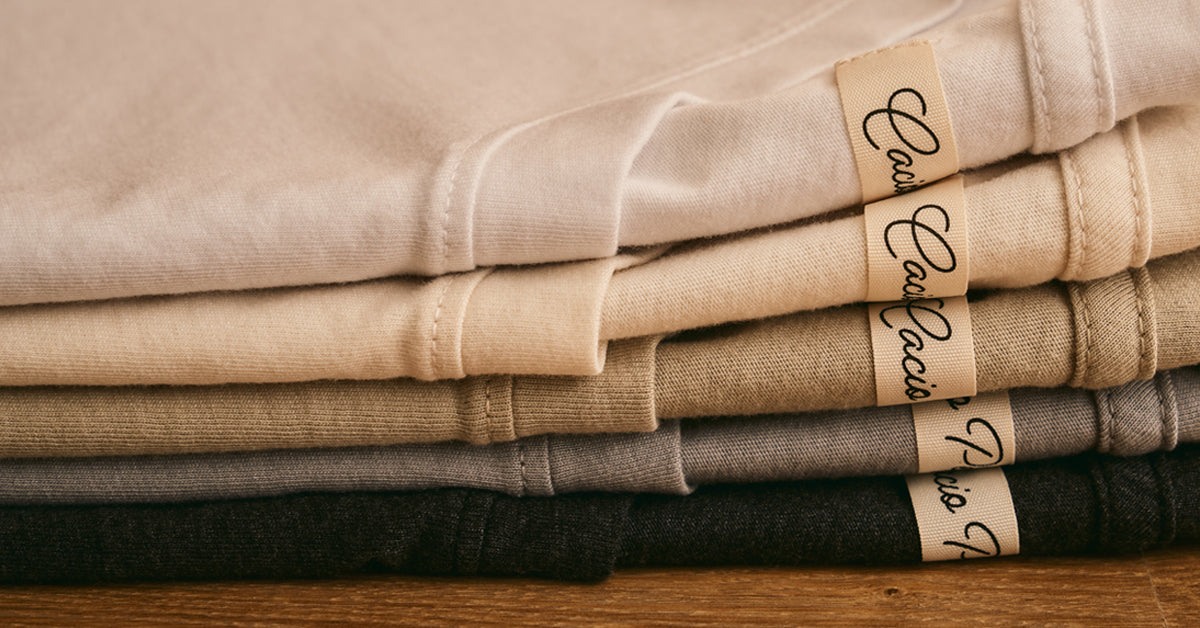
The strongest casual wardrobe usually looks simple because the decisions happened before the outfit was assembled. Fabrics complement one another, proportions feel balanced and colors connect naturally. By treating Cacio Pepe (US) as a source of materials and silhouettes rather than isolated statement pieces, a shopper can create a relaxed wardrobe that still looks deliberate and remains useful across many ordinary days.
Accessories should remain selective. A hat or sneaker can connect the palette without turning every outfit into a complete matching set. The wearer can repeat one accessory across several looks and allow fabric texture to provide most of the variation.
The shopper can make the wardrobe more coherent by photographing complete outfits rather than judging each garment in isolation. A simple phone album can show which T-shirts, terry pieces, shorts and outer layers already work together, making gaps much easier to see. This is particularly useful when neutral colors appear similar on a product page but differ noticeably in tone once placed side by side. Footwear can then be chosen to support the dominant palette instead of introducing another competing direction. The same approach helps with seasonal storage because pieces that combine well can remain grouped when part of the wardrobe is packed away. A refined casual collection does not need constant expansion. It needs enough variation in weight, texture and silhouette to handle different temperatures while preserving a consistent visual language across repeated wear.

Sorry, the comment form is closed at this time.