
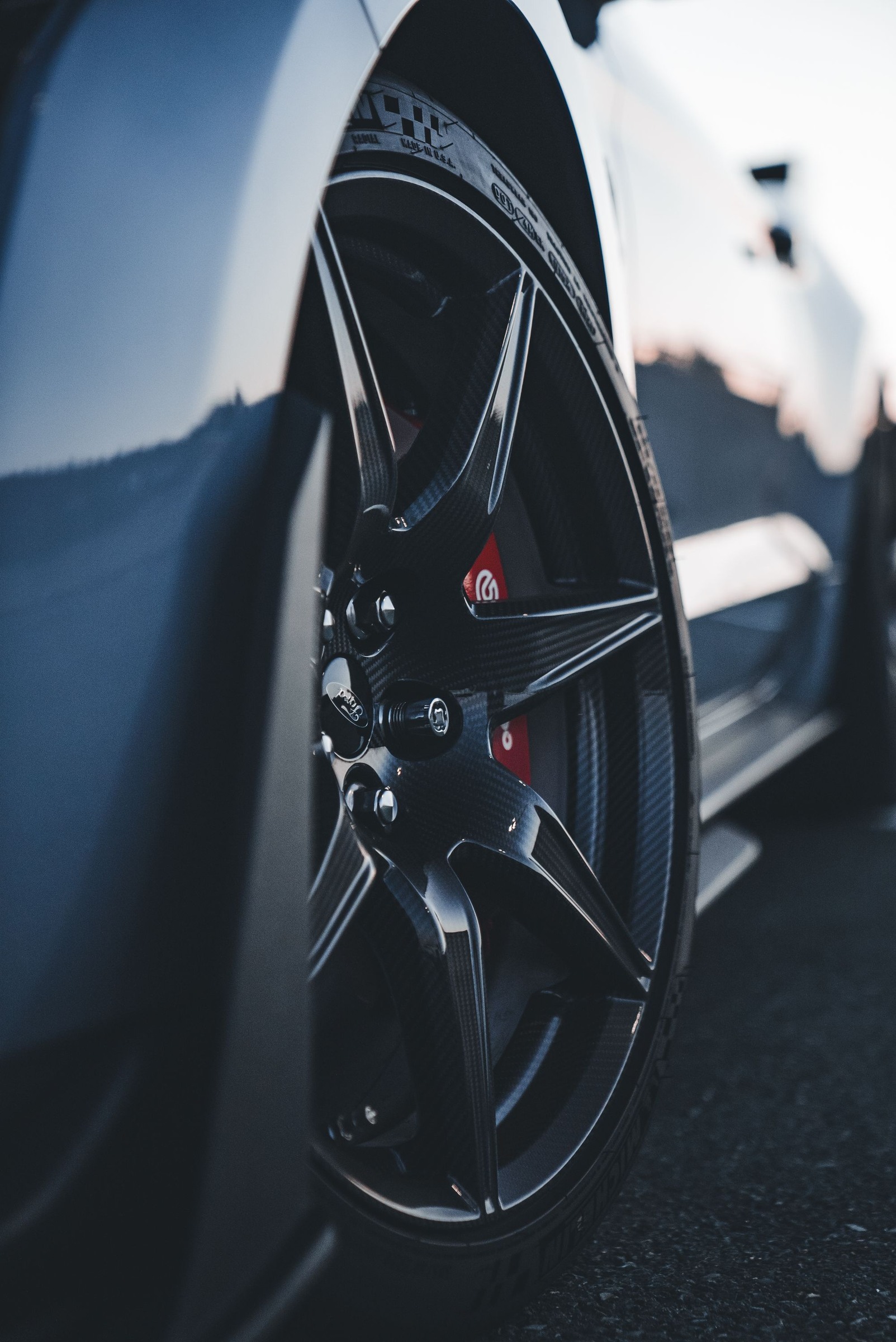
15 Sep How to Check Wheel and Tire Fitment Before Changing a Vehicle Setup
Changing wheels and tires affects more than appearance. Diameter, width, offset, tire profile, bolt pattern and load requirements all influence whether a package fits correctly and behaves safely. Dunford, Inc. is associated with an online wheel and tire catalogue that supports vehicle-based searching, so the most useful approach is to begin with the exact vehicle configuration before considering finish or style.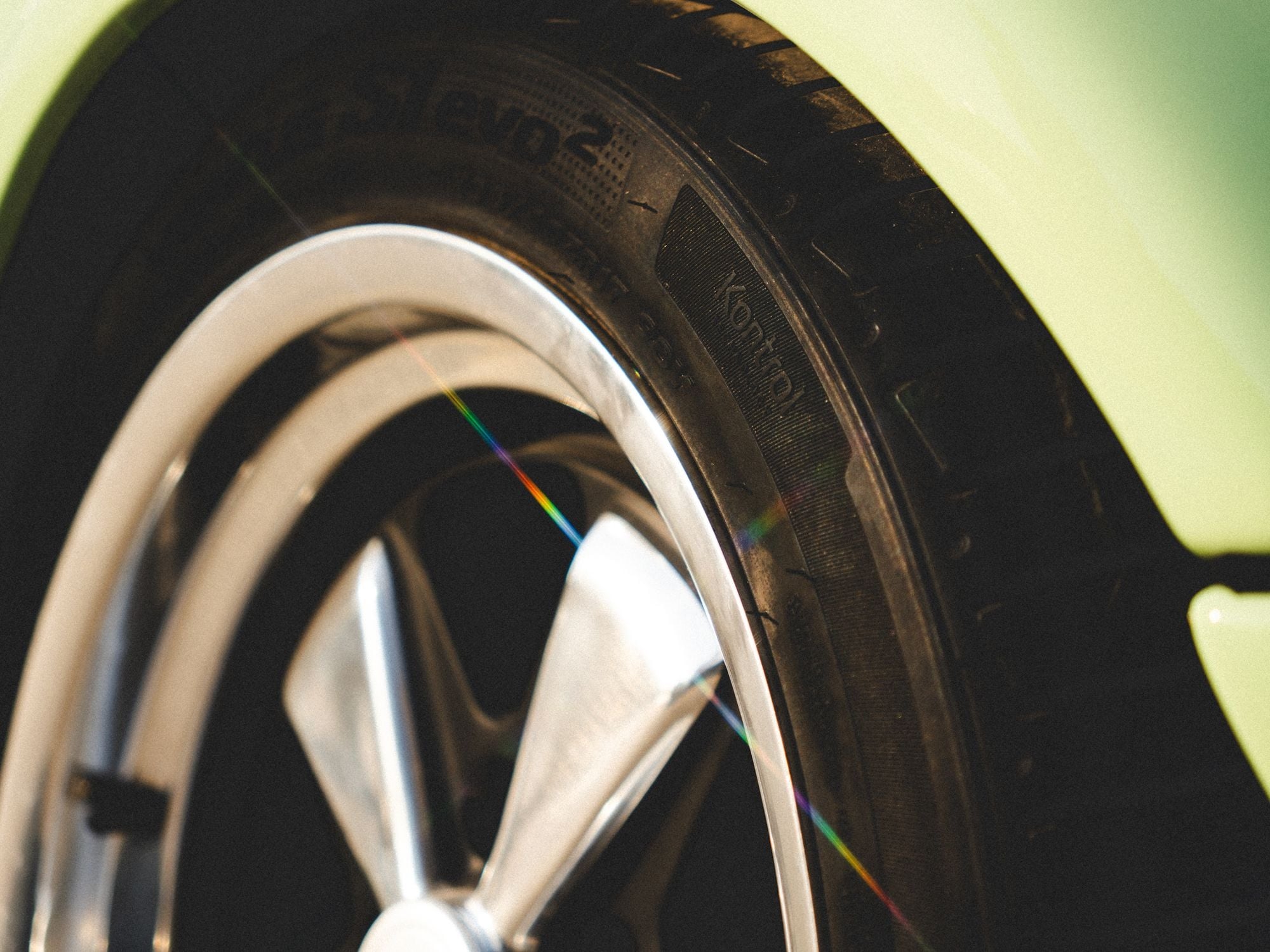
Start With Vehicle Data Rather Than Wheel Appearance
Year, make and model are the obvious starting details, but trim and drivetrain can matter as well. Brake size, suspension package and factory wheel dimensions may differ within the same model line. The buyer should confirm the exact vehicle before using a fitment tool and should not assume that a setup shown on a visually similar car will clear the same components.
Bolt pattern must match, and wheel diameter alone does not establish compatibility. Width and offset change where the wheel sits relative to suspension, fenders and brakes. A wheel that moves too far inward may contact suspension components, while excessive outward position can create fender interference or change how the vehicle handles. Shoppers reviewing options through Dunford, Inc. should use vehicle-specific results as the first filter rather than manually forcing an attractive wheel into the calculation.
Load rating also matters, particularly for trucks, SUVs and vehicles that carry equipment. The wheel and tire combination needs to support the loads required by the vehicle manufacturer.
Treat the Tire as Part of the Fitment Calculation
A larger wheel usually requires a different tire profile if the overall rolling diameter is to remain close to the original. A package that changes overall diameter significantly can affect speedometer readings, gearing feel, clearance and driver-assistance systems. Sidewall height also changes ride comfort and vulnerability to pothole damage.
WheelHero package listings associated with Dunford, Inc. show wheel and tire combinations together, which can simplify the process when the dimensions have already been matched. Even so, the buyer should verify tire size, load index and intended use. An all-terrain tire and a highway tire may fit the same wheel while behaving very differently in noise, wet grip, tread life and off-road conditions.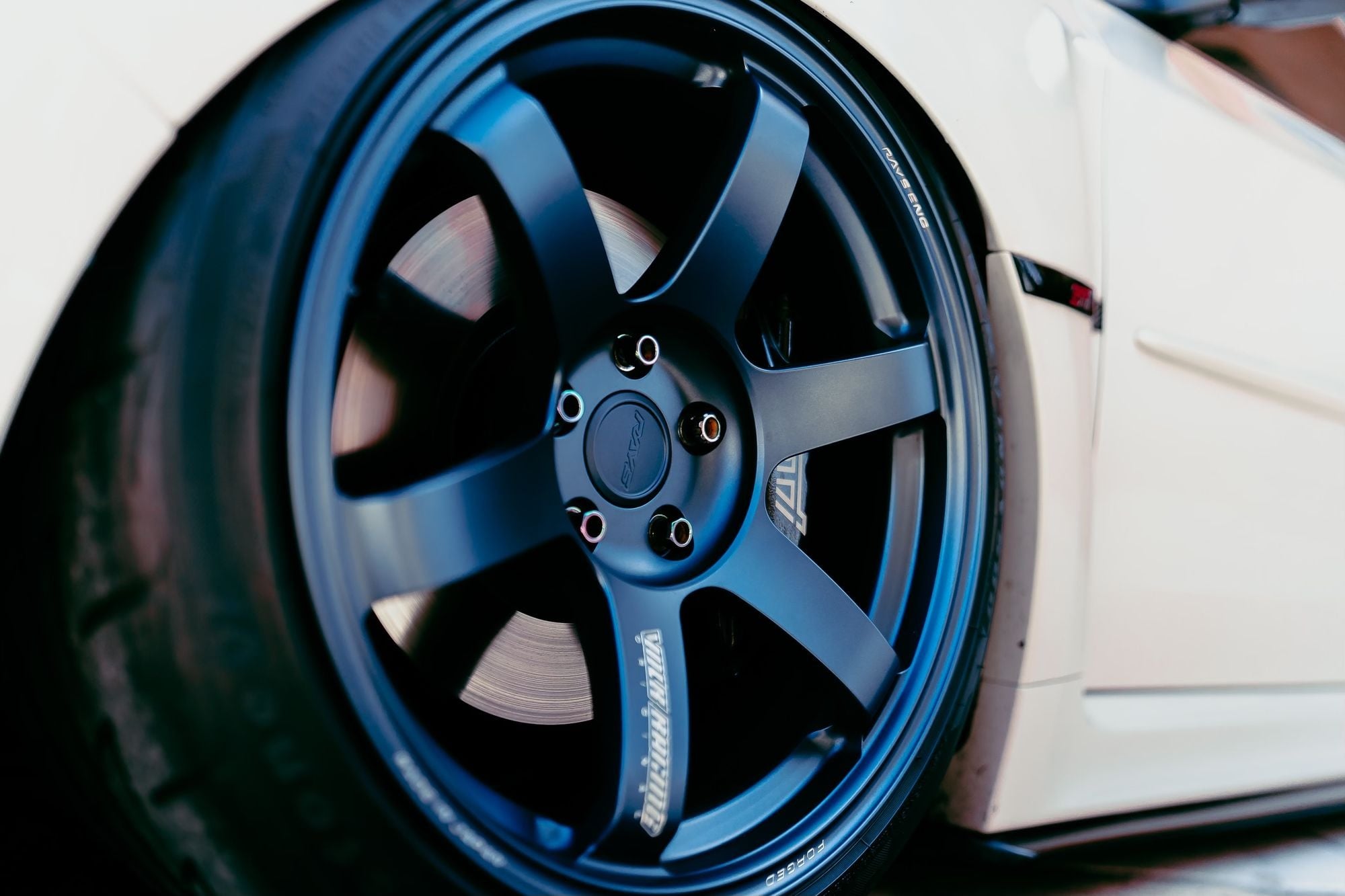
Season and climate should influence tire choice. Appearance should not outweigh braking and traction needs. A tire suited to dry warm conditions may not be appropriate where cold temperatures, heavy rain or snow are routine.
Checks Before Ordering a Wheel and Tire Package
- The exact year, make, model, trim and relevant factory options should be confirmed first.
- A buyer can use Dunford, Inc. vehicle-based fitment tools before comparing finishes and wheel styles.
- Wheel width, offset, bolt pattern and brake clearance should all be compatible with the vehicle.
- Tire size and load index should support the vehicle and intended driving conditions.
- The buyer should confirm how tire pressure monitoring sensors and installation hardware will be handled.
Plan Installation and Recheck the Setup After Fitting
Pre-mounted packages can reduce workshop time, but correct installation still matters. Lug hardware must be appropriate for the wheel, tightening should follow the specified torque procedure and tire pressures should be set correctly. A professional installer can also check for clearance through steering movement and suspension travel when the setup differs from factory specifications.
After installation, the driver should pay attention to vibration, rubbing, warning lights or unusual steering behavior. A problem that appears only during a tight turn or with passengers in the vehicle still deserves investigation. Lug torque may need to be rechecked after an initial driving period according to wheel or installer guidance.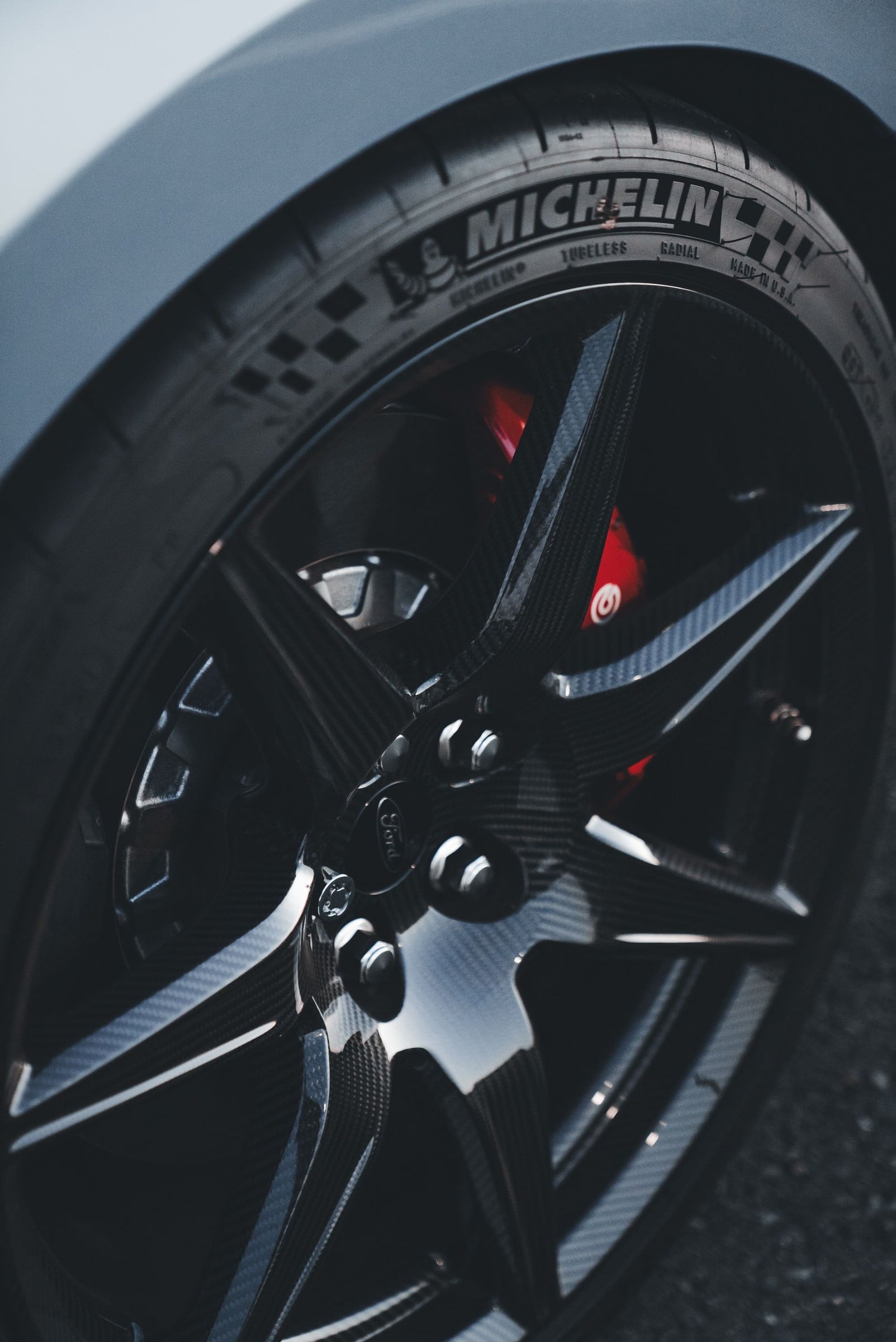
A wheel and tire change should improve the vehicle without creating hidden compromises. Style can be part of the decision, but fitment, load capability and tire suitability come first. By using Dunford, Inc. as a structured starting point and verifying the complete package before installation, a buyer can make a visual upgrade while preserving the practical requirements that keep the vehicle predictable on the road.
Alignment and suspension condition can affect how a new tire package wears. If the vehicle already pulls, vibrates or shows uneven tire wear, those issues should be investigated before new wheels and tires are expected to solve them. New components work best on a vehicle that is mechanically ready for them.
The buyer should also think about how the new setup will be used throughout the year. A wheel that looks appropriate for a show-oriented summer vehicle may not be the best choice for rough winter roads, heavy towing or frequent long-distance driving. Tire sidewall, tread design and replacement availability can matter more over time than the initial finish. Before ordering, the driver can compare the proposed package with the factory setup and write down what is changing in diameter, width and tire type. That makes trade-offs easier to understand and gives an installer a clearer starting point. Insurance or warranty implications may also need to be checked when the vehicle is modified from original specification. Fitment is therefore both a physical measurement problem and an ownership decision that should be considered before the package is installed.

Sorry, the comment form is closed at this time.