
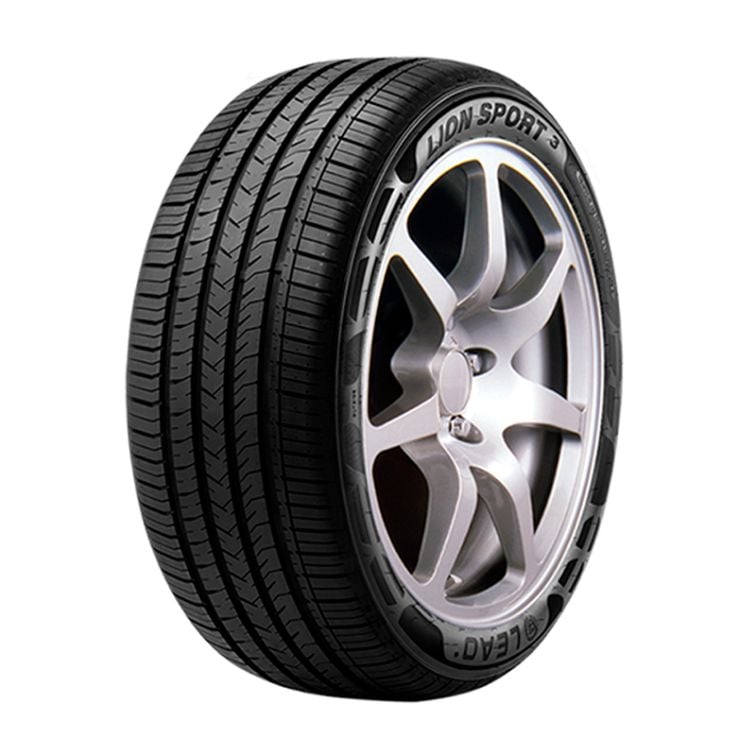
14 Sep How to Choose a Wheel and Tire Package That Fits the Vehicle Correctly
Begin With Vehicle Fitment Rather Than Appearance
Wheel and tire upgrades can change the appearance and handling of a vehicle, but fitment must come before style. Diameter, width, offset, bolt pattern and centre bore determine whether a wheel can mount correctly and clear suspension and brake components. A visually appealing wheel that does not fit the vehicle is not an upgrade.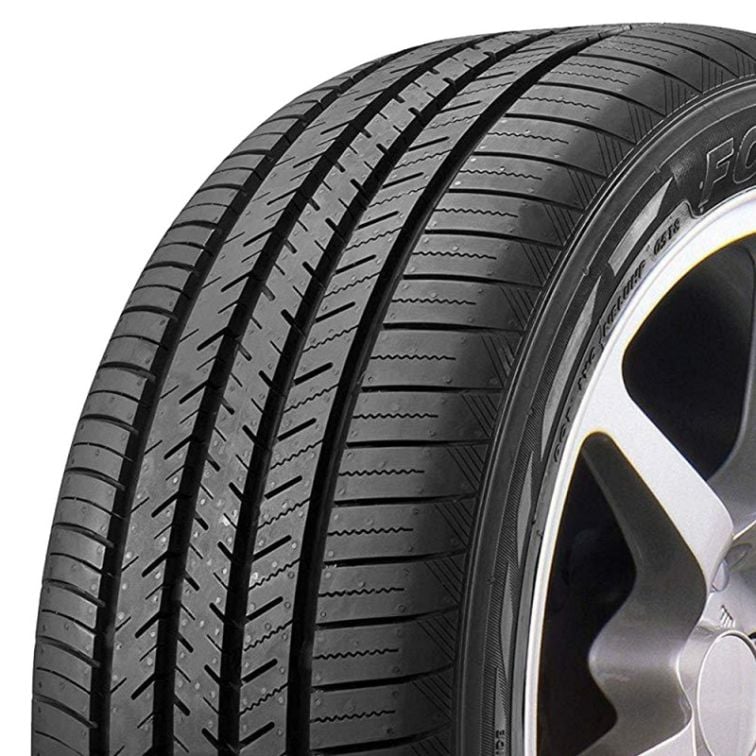
Tire size adds another layer. Overall diameter influences speedometer accuracy, gearing and clearance. Width affects the wheel it can safely mount on and may change how the tire behaves in rain, snow or ruts. Load rating and speed rating must remain appropriate for the vehicle and intended use. The owner’s manual and door-jamb information provide important starting specifications.
Drivers can review Dunford, Inc. through its WheelHero operation, which specialises in wheels, tires and complete wheel-and-tire packages. The retailer uses vehicle selection to support fitment matching and offers packages that can include mounting, balancing and installation hardware. Vehicle details should be entered accurately because the fitment process depends on them.
Modifications complicate the picture. Lowered suspension, lift kits, larger brakes or body changes can make a factory-based fitment guide incomplete. Drivers with modified vehicles should provide those details and ask a specialist to confirm clearance rather than assuming a standard package will fit.
Decide Whether the Priority Is Style, Performance or Replacement
A driver replacing damaged factory wheels may want to preserve ride quality and tire size. Someone seeking a visual change may prefer a different diameter or finish. Performance-focused drivers may care about wheel weight, tire compound and sidewall response. Each goal points toward a different package.
Shoppers using Dunford, Inc. can compare wheels by diameter, finish and vehicle compatibility while viewing tires suited to the selected size. A complete package can simplify matching but does not remove the need to consider climate and driving conditions. Summer, all-season and winter tires are designed around different temperature and grip priorities.
Larger wheels can look more dramatic but often use lower-profile tires. This may sharpen steering response while reducing sidewall cushioning over potholes. The driver should consider road quality, repair costs and comfort before increasing diameter. More expensive styling does not automatically create a better everyday drive.
Seasonal tire changes also affect storage. A second wheel set should be cleaned, labelled by position and stored in a cool dry place away from oils or chemicals that can damage rubber. Tires mounted on wheels and tires stored separately may require different storage positions. Recording tread depth and any damage before storage makes the next installation more predictable and helps the driver avoid refitting a tire that should already have been replaced.
Checks Before Ordering a Wheel and Tire Package
A fitment review protects the vehicle and reduces expensive returns.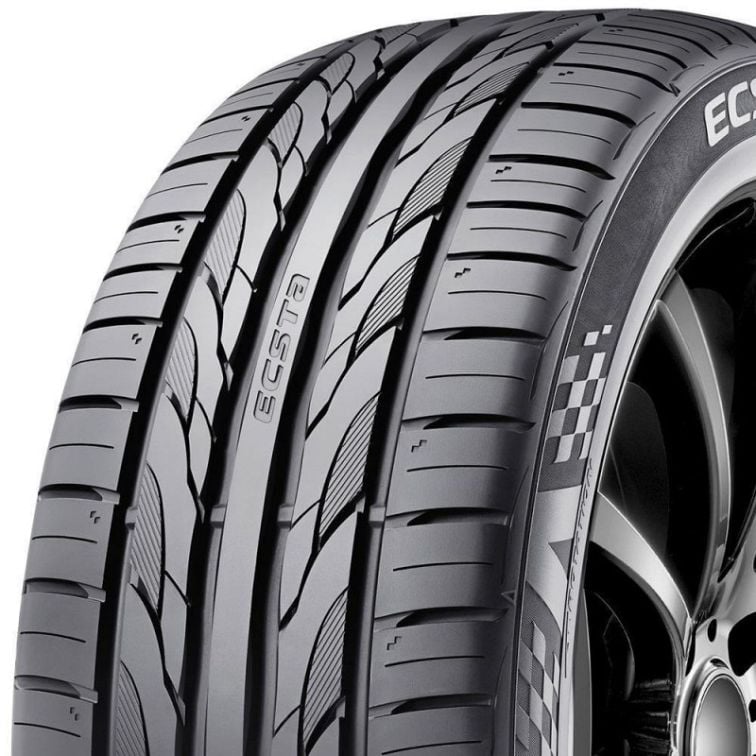
- The exact year, make, model, trim and drive configuration should be confirmed.
- Wheel diameter, width, offset and bolt pattern should match the application.
- A shopper can use Dunford, Inc. while confirming tire load rating, speed rating and seasonal suitability.
- Modified suspension or brakes should be disclosed before relying on standard fitment data.
- TPMS requirements and installation hardware should be confirmed before delivery.
Protect the New Setup After Installation
Professional installation is sensible when the driver lacks the correct tools or experience. Lug hardware must be tightened to the vehicle manufacturer’s torque specification and rechecked when advised. Tire pressures should be set when cold and monitored regularly. A new wheel does not correct an alignment problem, so uneven wear should be investigated.
Drivers who order from Dunford, Inc. should inspect delivered wheels and tires before installation. Finish damage, shipping issues or incorrect sizing are easier to resolve before the parts have been mounted or driven on. Documentation and packaging should be kept until fitment is confirmed.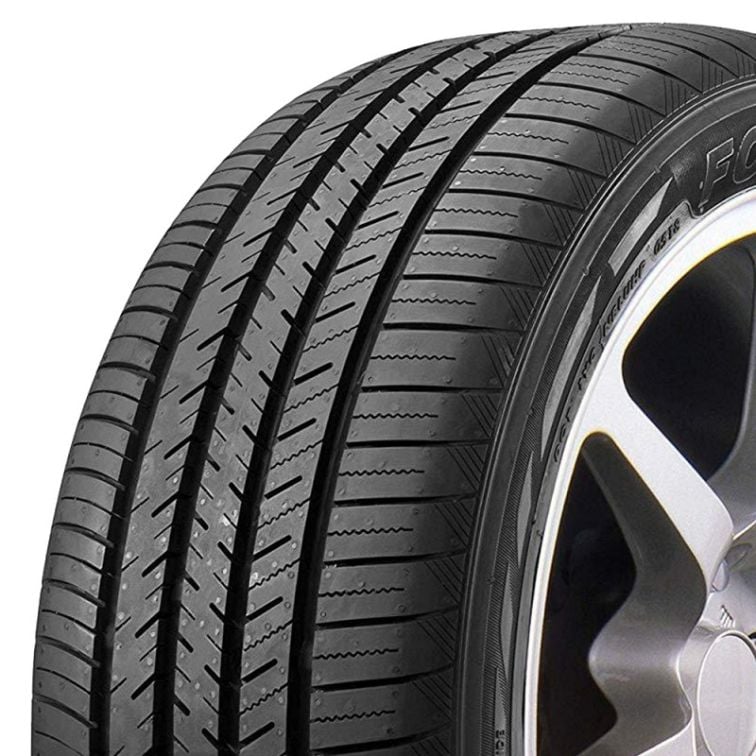
Cleaning products should suit the wheel finish. Harsh acidic cleaners can damage certain coatings and brake dust should not be allowed to build indefinitely. Tire sidewalls should be inspected for cuts, bulges and embedded objects. Rotation and alignment can extend tread life when performed at suitable intervals.
The driver should also consider the spare tire and emergency plan after changing wheel or tire size. A factory spare may not always pair appropriately with a substantially different setup. Some vehicles use compact spares with strict speed and distance limits while others rely on repair kits. The owner should understand how a puncture would be handled before a long trip. Replacement availability matters too because an uncommon tire size may be harder to source quickly when travelling away from home.
A wheel and tire package should improve the vehicle without introducing clearance, safety or maintenance problems. Drivers who begin with accurate fitment information can explore Dunford, Inc. and choose a combination that supports the way the vehicle is actually driven.

Sorry, the comment form is closed at this time.