
15 Sep How to Create a Travel Sleep Kit Without Carrying Too Many Products
Travel can disrupt sleep through unfamiliar light, noise, dry air and changing routines. Packing more products does not automatically solve those problems, especially when luggage space is limited. Longevity offers items such as sleep masks, nasal strips, mouth tape, mists and topical products, so a useful travel kit should focus on the few tools that address the traveler’s most predictable sources of discomfort.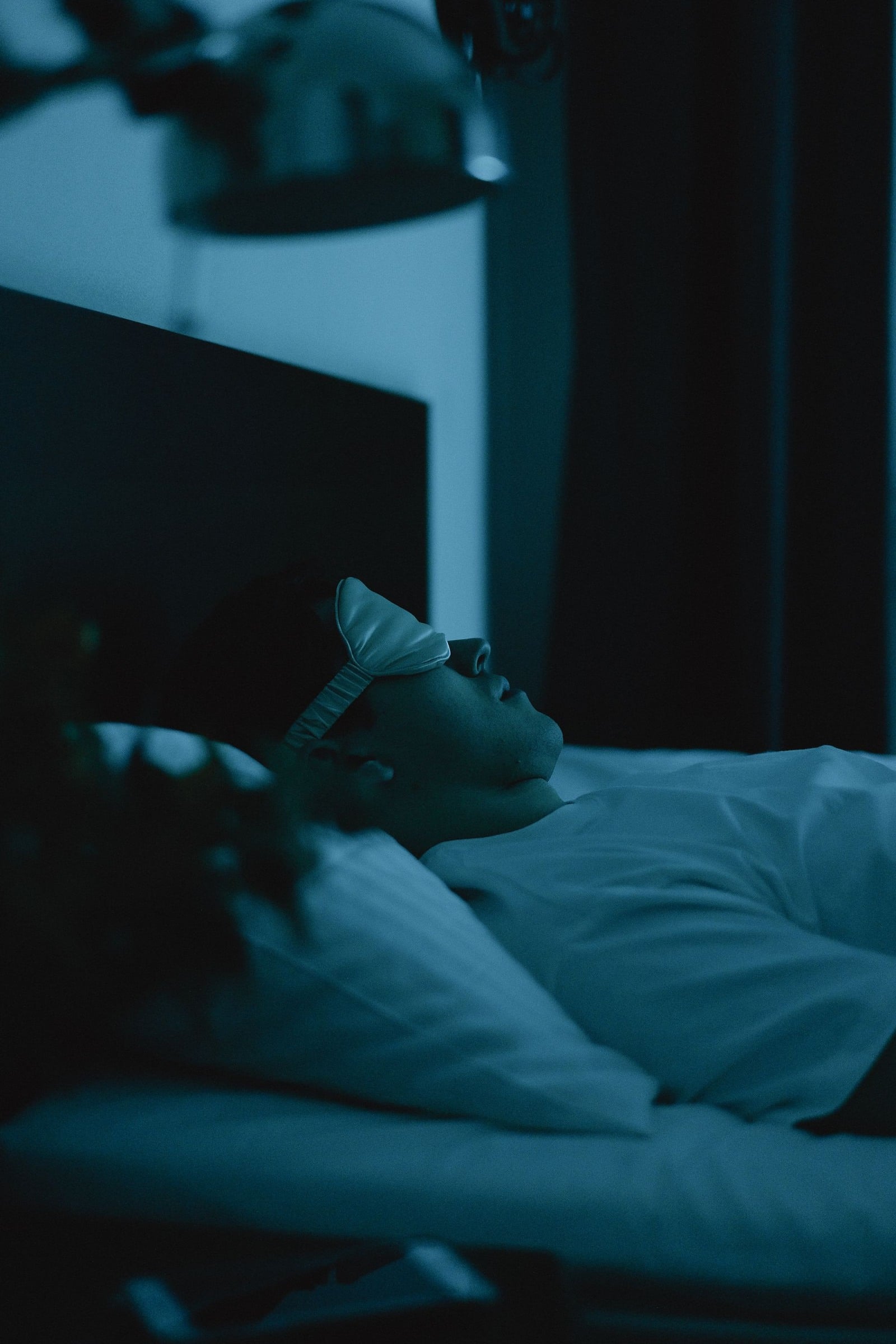
Identify the Travel Problems That Happen Repeatedly
A person who struggles mainly with hotel lighting may get more value from a comfortable sleep mask than from several scented products. Someone who feels congested in dry rooms may want to focus on nasal comfort instead. The traveler should look at previous trips and identify what consistently interfered with rest before choosing what to pack.
Size and simplicity matter. A travel routine should be easy to repeat after a late arrival or early departure. Small products, reusable accessories and items that do not require complicated setup are more likely to be used. Someone comparing Longevity can choose one environmental aid and one comfort product rather than recreating an entire home routine in a suitcase.
Breathing-related products require caution. Mouth tape is not appropriate for everyone, particularly when nasal breathing is impaired or a relevant medical condition is present. The user should follow product instructions and seek professional advice when there are breathing concerns. Travel fatigue is not a reason to ignore normal safety checks.
Pack for Cleanliness and Predictable Use
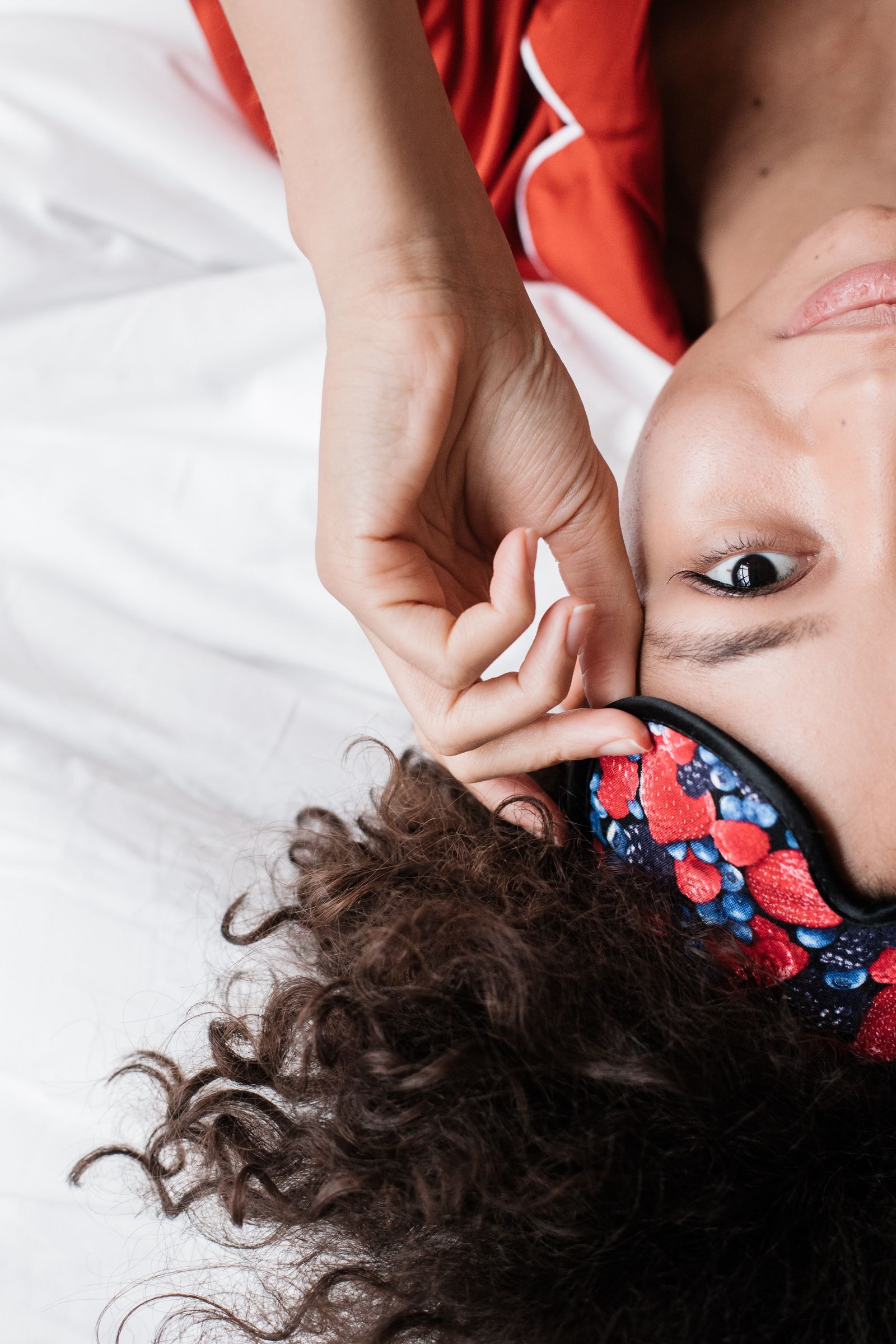
A sleep mask sits close to the face for hours and should be stored in a clean pouch. It should be washed according to its material guidance, particularly after long flights or repeated hotel use. Nasal strips need clean, dry skin, so they should be kept in their packaging until the user is ready to apply them.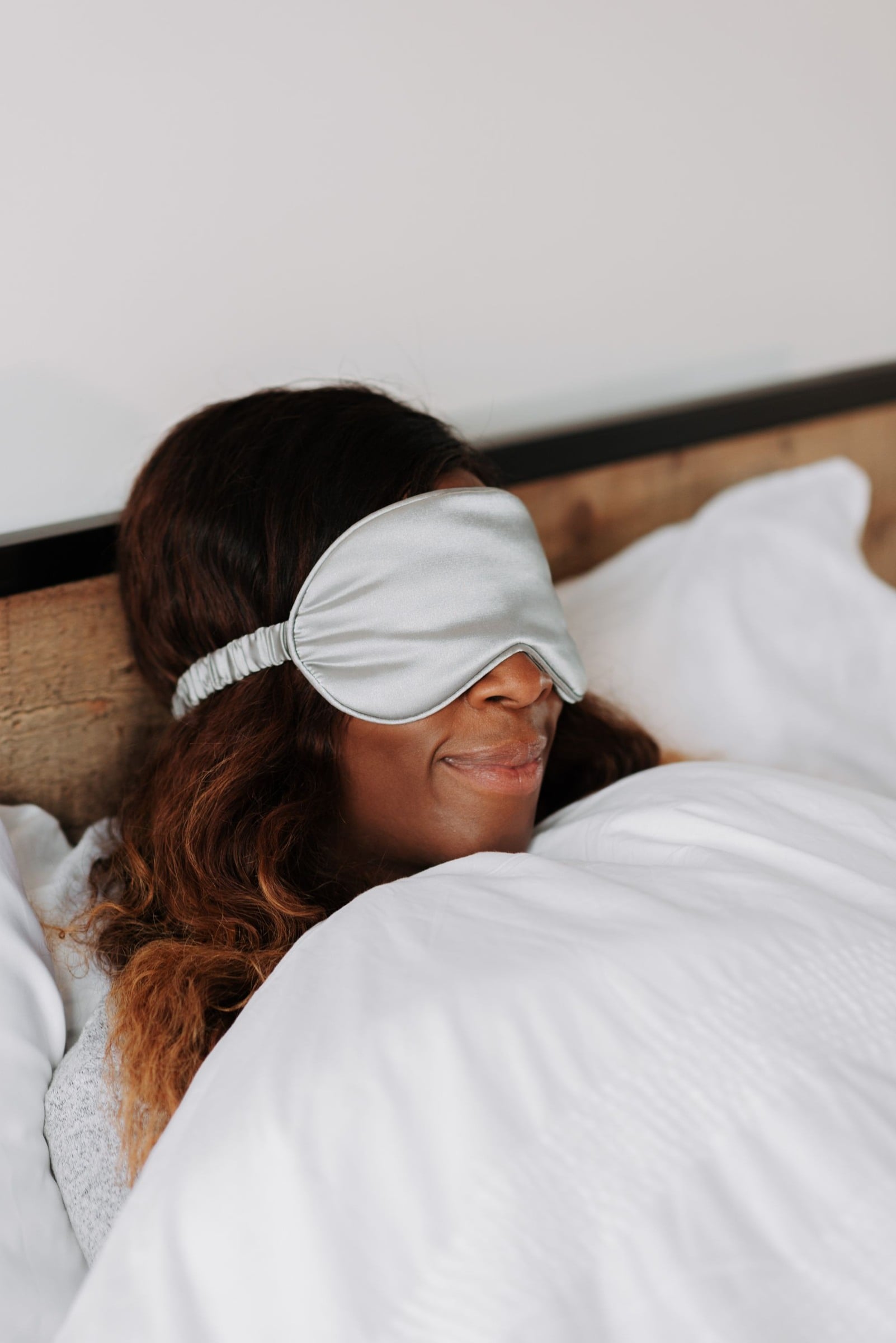
Mists and topical products need leak protection. A small sealed bag can prevent one loose cap from affecting clothing or electronics. Air travel rules for liquids should be checked before packing. A traveler using Longevity products should also consider whether strongly scented items are appropriate in shared rooms or other close environments.
The kit should be accessible during the journey. Items intended for the first night should not be buried in checked luggage if a delay would leave the traveler without them. Keeping the core sleep kit with toiletries or other evening essentials makes the routine easier to begin.
Checks for a Compact Travel Sleep Kit
- Every packed item should solve a problem that has actually occurred on previous trips.
- A traveler can choose from Longevity while keeping the routine short enough to follow when tired.
- Reusable masks and pouches should be cleaned before they are repacked.
- Breathing aids should be used only when the instructions and the user’s health circumstances support them.
- Liquids and fragranced products should be sealed securely and packed according to transport rules.
Recreate Familiar Cues Without Trying to Control Sleep
A travel sleep kit works best when it supports a basic routine rather than promising perfect rest. The traveler can dim lights, put away work, prepare the room and use one or two familiar products in the same order each night. Repetition can make an unfamiliar environment feel more predictable even when the schedule is different from home.
Temperature, caffeine, alcohol, meal timing and screen use can still affect sleep. A mask cannot compensate fully for bright phone use until the moment the traveler tries to rest. A calming scent cannot override an uncomfortable room temperature. Products should support the routine, not distract from the habits that shape it.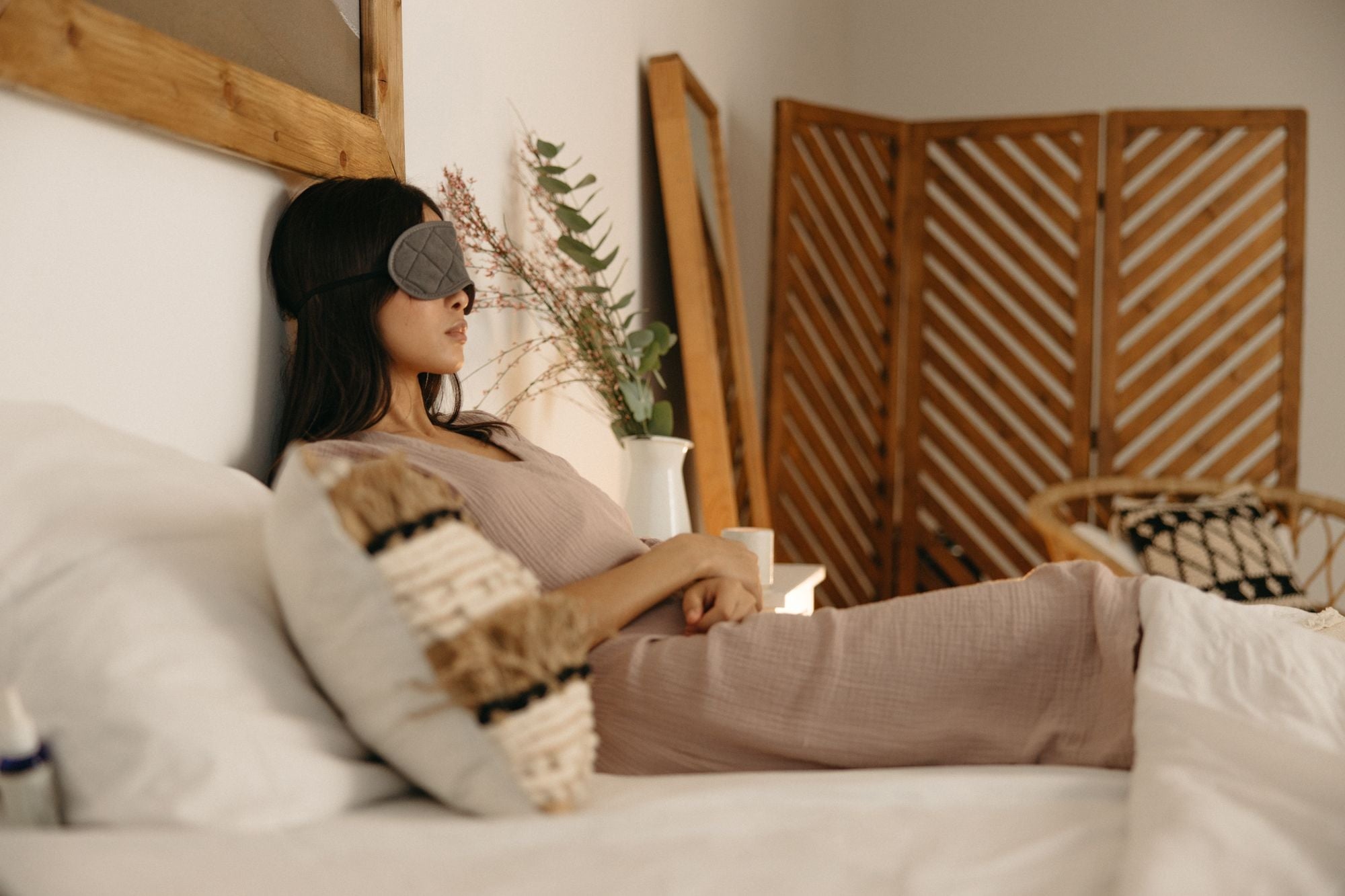
After the trip, the kit should be reviewed. Items that were never used can be removed, while genuinely useful products can be replaced or cleaned. Over time, the kit should become smaller and more specific. By using Longevity as a source of targeted sleep tools rather than packing every available option, the traveler can create a compact routine that is easier to carry and more realistic to repeat.
Time-zone changes may still affect rest even when the room is comfortable. The traveler can use daylight exposure, meal timing and a consistent wake routine as part of adjustment. Products should support those practical cues rather than becoming the only strategy for dealing with jet lag.
The traveler can also separate items needed during transit from those used only at the destination. A sleep mask or nasal comfort product may be useful on a flight, while a larger topical product can stay with checked toiletries when travel rules allow. This prevents the small personal item from becoming cluttered with products that will not be used until much later. Shared accommodation requires another layer of consideration because fragrance, alarms and lighting choices can affect other people. A travel routine should remain quiet, compact and easy to put away. The person can also pack a small cleaning cloth or pouch so reusable items do not mix directly with shoes, cables or other heavily handled objects. These simple decisions protect hygiene and make the routine easier to repeat across several stops without increasing luggage unnecessarily.

Sorry, the comment form is closed at this time.