
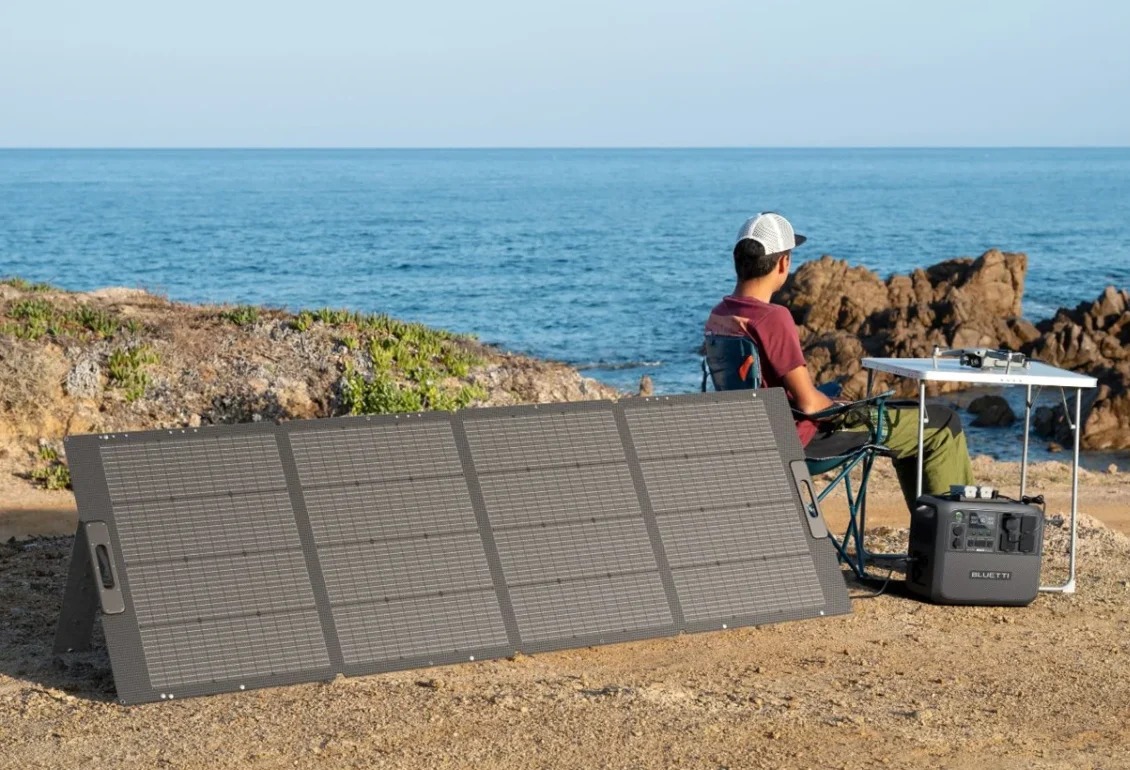
16 Sep How to Plan Solar Charging Around a Portable Power Station
Start With Daily Energy Use Rather Than Panel Size
Solar charging works best when the owner understands how much energy is actually being used each day. A portable power station may run phones, laptops, a refrigerator or selected household equipment, but every device adds to the daily energy budget. BLUETTI US sells portable power stations, solar generator kits, expansion batteries and solar panels, so solar planning should begin with load estimates before the number or wattage of panels is chosen.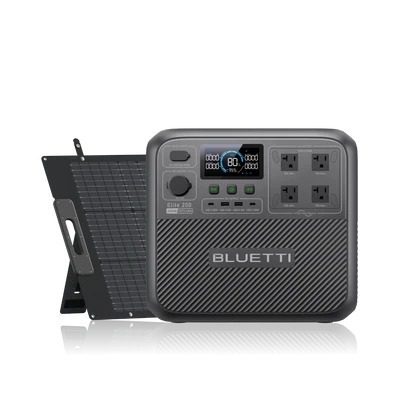
The owner can list essential devices, note their power draw and estimate how long each one will run. A refrigerator cycles rather than drawing its rated power continuously, while a laptop may vary by workload. These estimates do not need to be perfect, but they reveal whether the system is supporting occasional charging, daily off-grid use or emergency backup.
Battery capacity and inverter output answer different questions. Capacity describes stored energy, while output determines what equipment can run at the same time. Solar input adds a third limit because the battery can recharge only as quickly as the station and panels allow under current conditions.
Match Solar Input to Real Conditions
Solar generator kits from BLUETTI US combine power stations with panels at different capacities. Published solar wattage is a useful reference, but actual output changes with sun angle, cloud cover, temperature, shading and panel orientation. A system that performs well in an open summer campsite may recharge more slowly beside a shaded house or during winter.
Panels should be placed where they receive direct light without creating trip hazards or blocking ventilation. Folding panels need stable support so wind does not repeatedly change their angle. Cable length also matters because excessive distance or unsuitable extension methods can create losses or unsafe improvisation.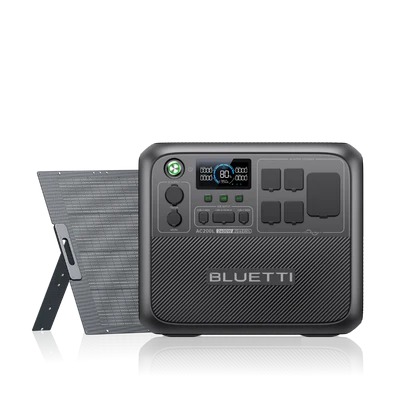
The owner should know the maximum solar input accepted by the power station and the permitted voltage range before combining panels. More panel wattage is not automatically useful if the charging input cannot accept it. Connectors, series or parallel arrangements and adapters should follow the manufacturer guidance for the exact model.
Charging strategy can be improved by separating essential and optional loads. Phones, lights and communication equipment may receive priority during an outage, while high-draw cooking or heating appliances may be reserved for periods when battery state is strong. The owner can test the system before an emergency by running a normal evening load and observing how quickly capacity changes. This practical trial often reveals more than a theoretical estimate because it includes real device behavior, inverter losses and standby consumption. It also gives the household time to correct missing adapters or unrealistic expectations while grid power is still available.
Checks for a More Reliable Solar Charging Setup
- The daily energy load should be estimated before panel capacity is selected.
- A BLUETTI US power station should be paired only with solar input that falls within the model specifications.
- Panels should be positioned in direct sunlight with secure support and no persistent shading.
- Cables and connectors should be inspected before use and kept away from standing water or sharp edges.
- Critical backup loads should have a non-solar contingency for periods of prolonged poor weather.
Use Solar as Part of a Wider Backup Plan
A solar setup becomes more resilient when it is not expected to solve every power problem alone. BLUETTI US offers expansion batteries and home backup products as well as portable solar kits, which allows different levels of reserve capacity. A household can decide which loads are truly essential and preserve battery energy for those devices when charging conditions are weak.
Weather forecasts and battery state can guide daily decisions. If several cloudy days are expected, nonessential loads can be reduced early rather than waiting until the battery is nearly empty. During strong sun, the owner can schedule higher-energy tasks while charging is available. This type of load shifting makes the same hardware more effective without adding equipment.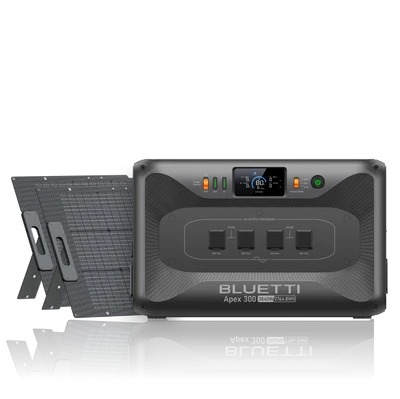
Solar charging is most practical when storage, output and generation are planned together. BLUETTI US provides systems across several capacity ranges, but a successful setup depends on realistic energy use and environmental conditions. When the owner understands daily loads, panel placement and input limits, solar becomes a useful charging source rather than an optimistic specification on a product page.
Panel storage should be planned too. Folding solar panels should be dry before they are packed and should not be compressed beneath heavy equipment that can damage cells or connectors. Permanent or semi-permanent outdoor panels need mounting and weather protection suited to their design. A clean panel surface and unobstructed sunlight can improve performance without changing any electrical component, making basic physical care part of the charging strategy.
Solar performance should be reviewed over several days rather than judged from one unusually clear afternoon. Tracking approximate input and battery recovery can show whether the panel arrangement is realistic for the season and location.

Sorry, the comment form is closed at this time.