
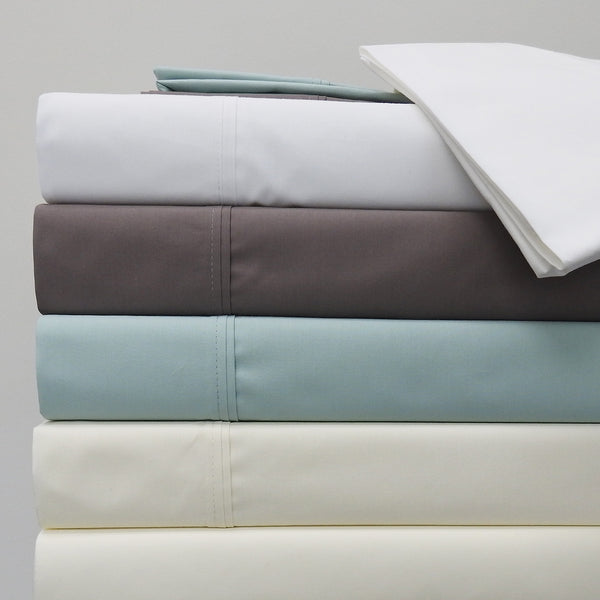
18 Sep Measuring Deep Pocket Low Profile and RV Mattresses for Better Sheet Fit
Fitted sheets fail for two different reasons. Some are too shallow to stay under a tall mattress, while others are so deep that excess fabric shifts across a low-profile bed. RV mattresses add another complication because width or length may not match a standard household size. Accurate sheet selection therefore starts with measurements taken from the bed that will actually be used. For this article, Egyptian Linens matters chiefly as a place to compare options once measure height with every permanent layer in place has already defined the job to be solved.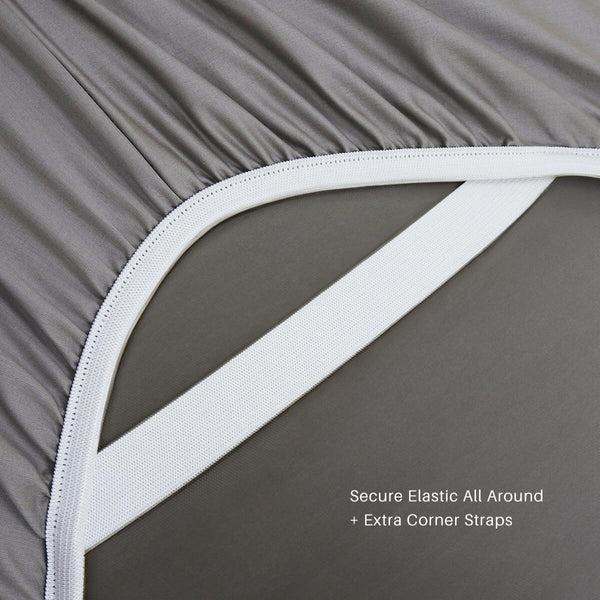
Measure Height With Every Permanent Layer in Place
Mattress height should include any topper or pad that remains under the fitted sheet. The measurement is taken from the bottom edge of the mattress to the highest sleep surface, not from the bed frame. Recording width and length at the same time creates a complete reference rather than relying on a size label alone.
EgyptianLinens offers standard, deep-pocket and specialty bedding, so those measurements can be checked directly against the product dimensions. Pocket depth should have enough room to wrap the corners securely without leaving so much unused fabric that the sheet loses tension.
Treat RV Beds and Low Profile Mattresses as Specialty Fits
Recreational vehicles often use compact bed dimensions designed around floorplans rather than household standards. A label such as queen may not guarantee the same length found at home. Low-profile mattresses create the opposite problem because a very deep fitted pocket can look untidy and shift during sleep.
Corner shape matters too. Rounded foam mattresses, split beds and toppers that extend beyond the base can change how elastic sits. A quick sketch with width, length and total height is often more useful than remembering a general mattress category.
Measurements to Save Before Ordering Replacement Bedding
- Write down mattress width at the widest usable point.
- Measure total height with toppers and protectors in position.
- Compare Egyptian Linens pocket and specialty sizes with the recorded dimensions.
- Check RV length carefully because compact beds can differ from household sizes.
- Keep the measurements with the linen inventory for future replacements.
Reassess Fit After Washing and Drying
A fitted sheet that seems slightly loose before laundering may settle after washing, while excessive dryer heat can change dimensions in an unwanted way. The care label should be followed before deciding that the chosen depth is wrong. Repeated corner release after proper care is a clearer sign of poor fit.
For another bed in the household, Egyptian Linens should be compared with a separate measurement set rather than assuming the same sheet depth will work. Guest rooms, RVs and platform beds can differ enough that keeping measurements by bed prevents accidental swaps.
Deep-pocket sizing should leave enough fabric to reach under the mattress without requiring excessive stretching at the corners. Pulling a shallow sheet too tightly can strain elastic and seams, while an oversized pocket can move during sleep. The fit can be judged by whether the corners stay secure after several nights, not by how tight the sheet looks immediately after the bed is made.
Outside the assumptions behind Measure Height With Every Permanent Layer in Place, real conditions can expose a different side of measuring deep pocket low profile and rv mattresses for better sheet fit. Weather, workload, travel, limited space or a change in the number of users may alter how to treat rv beds and low profile mattresses as specialty fits the routine even when the product itself has not changed. Revisiting measure height with every permanent layer in place under those conditions helps separate a temporary inconvenience from a persistent mismatch. That distinction makes reassessing fit after washing and drying more precise and keeps measurements to save before ordering replacement bedding connected to actual use rather than to an imagined perfect scenario.
After Measure Height With Every Permanent Layer in Place, one later-stage test for measuring deep pocket low profile and rv mattresses for better sheet fit is to repeat the process on an ordinary day rather than under ideal conditions. After measuring height with every permanent layer in place has been established, the user can watch whether treating rv beds and low profile mattresses as specialty fits still works when time, storage or shared use becomes less convenient. Only details that could affect reassess fit after washing and drying need to be recorded, such as a measurement, model reference, cleaning step or timing issue. That small record turns measurements to save before ordering replacement bedding into a practical reference instead of a one-time checklist.
RV beds may also sit against walls or cabinetry that make sheet changes awkward. In that situation, ease of installation matters alongside dimensions. A fitted sheet that technically fits but requires lifting a heavy mattress at every corner may be less practical than a better-matched specialty size with manageable elastic tension.
Sheet fit is a geometry problem before it is a fabric problem. Width, length, total height and corner shape determine whether elastic can do its job. Egyptian Linens can then be used to compare standard and specialty options against those dimensions, giving the household a repeatable method for future bedding purchases instead of relying on size names alone.

Sorry, the comment form is closed at this time.