
30 Oct Preparing a Reliable Portable Lighting Kit for Outdoor Adventures
Spending time outdoors can be rewarding, whether you are camping for a weekend, hiking in the evening, or exploring a destination after sunset. However, changing light conditions can make even familiar surroundings more difficult to navigate. A well-planned portable lighting kit helps you prepare for these situations without carrying unnecessary equipment.
The key is to select lights that suit your activities, understand their power requirements, and prepare for unexpected changes in weather or schedule.
Choose Lighting According to Your Activities
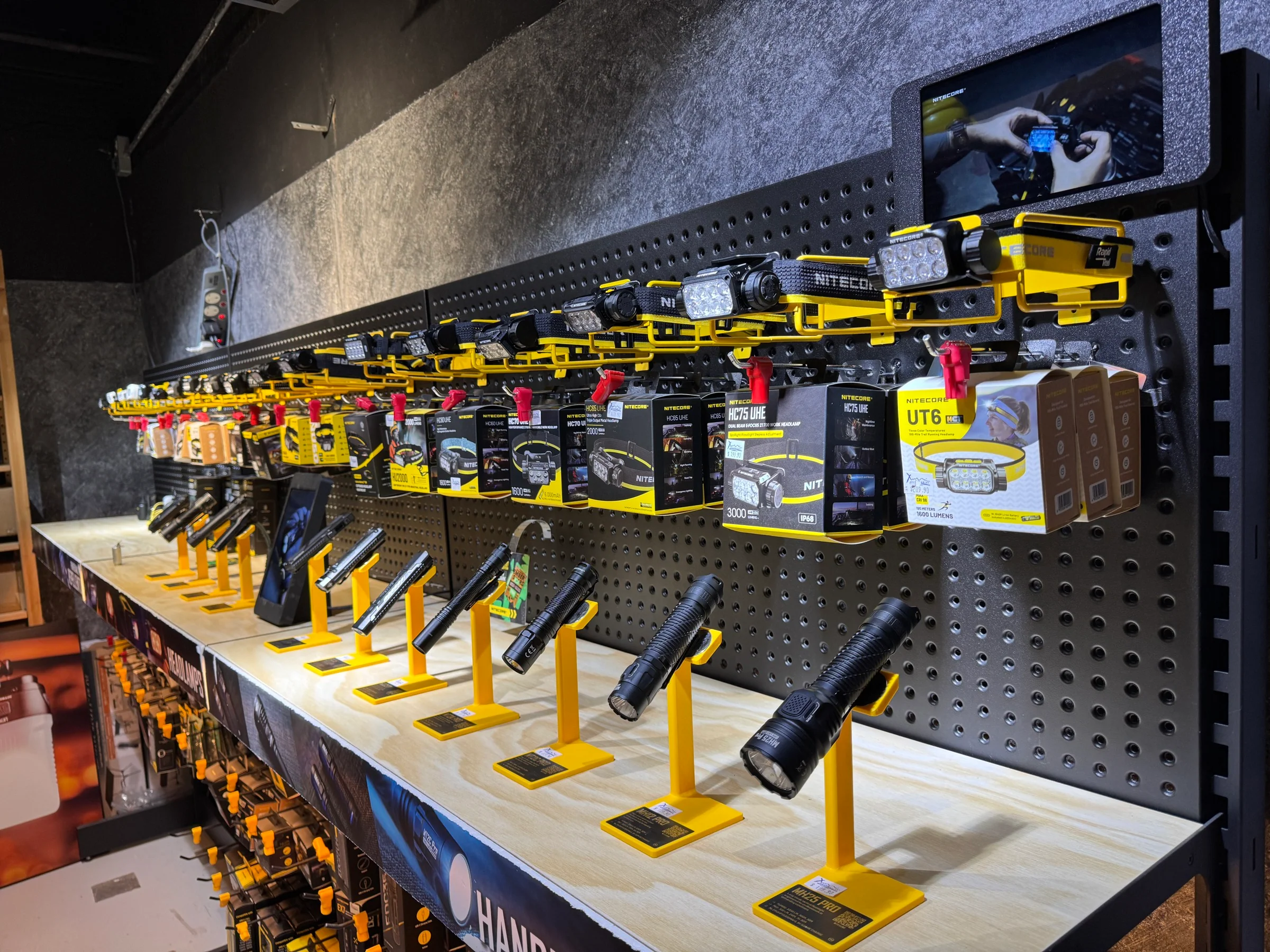
Different outdoor activities require different types of illumination. A headlamp is useful when you need both hands free to prepare food, arrange camping equipment, or walk along a trail.
A handheld flashlight offers more control over where the beam is directed. Meanwhile, a lantern or area light can illuminate a shared campsite or outdoor table.
You do not necessarily need every type of light. Start by considering the length of your trip, the number of people travelling with you, and the tasks you expect to perform after dark.
For portable lighting research, NITECORE Store can be a starting point for exploring different flashlight and lighting formats.
Compare Brightness with Battery Life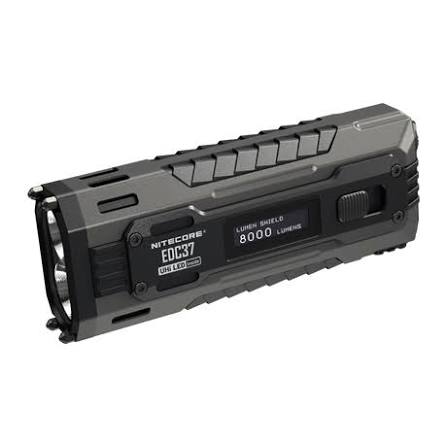
When selecting a light, it is important to understand the relationship between brightness and runtime. The highest brightness setting may be useful when you need to illuminate an area or identify something at a distance, but it may also use considerably more battery power.
For routine tasks around a campsite, a lower setting may provide sufficient illumination while preserving energy.
Check the manufacturer’s runtime information and consider how long the light will need to operate between charging opportunities. Cold temperatures can also affect battery performance, so follow the manufacturer’s recommendations for outdoor use.
Plan Your Charging Options
Before leaving home, identify how your lights will be powered throughout the trip.
Rechargeable models may be convenient when you have access to a compatible power source. Other models use replaceable batteries, which can be useful when charging opportunities are limited.
Check that you have the correct cables, compatible spare batteries where applicable, and a safe way to store your equipment. Avoid exposing charging equipment to moisture or conditions that conflict with the manufacturer’s instructions.
When comparing portable lighting solutions, NITECORE Store is another resource to consider as you evaluate available options.
Pack Lights Where They Are Easy to Reach
A flashlight is less useful when it is buried at the bottom of a packed bag. Keep essential lighting equipment in an accessible pocket or compartment so you can find it quickly when daylight fades.
Protect lights from unnecessary impacts and moisture, particularly when travelling through challenging outdoor environments. A small storage pouch can help keep accessories together.
It is also sensible to carry a backup light when the activity or environment makes dependable illumination especially important.
Follow Safe Lighting Practices
Use your lights responsibly around other people. Avoid directing powerful beams into someone’s eyes, and choose a suitable brightness level for close-up activities.
When walking outdoors after dark, remain aware of your surroundings and use appropriate lighting to help other people see you. Follow local guidance for trails, campsites, and other outdoor locations.
If your lighting equipment uses rechargeable batteries, inspect it for damage and follow the manufacturer’s charging and storage instructions.
Check Your Equipment Before Departure
Test every light before leaving home. Confirm that switches work, batteries are sufficiently charged, and charging accessories are compatible.
Inspect lenses and housings for visible damage, and make sure your backup light is also operational. These simple steps can prevent avoidable frustration when replacement equipment is not readily available.
You can research additional lighting options through NITECORE Store when planning a portable setup for your next outdoor trip.
Conclusion
A reliable outdoor lighting kit is built around your activities, expected conditions, and access to power. Combining suitable lighting formats with realistic battery planning and basic safety precautions can make evenings outdoors more manageable.
Rather than focusing only on maximum brightness, consider runtime, portability, durability, and ease of use.
By comparing available products through NITECORE Store, you can research different options and build a lighting kit that fits your particular outdoor needs.

Sorry, the comment form is closed at this time.