
19 Jun Printers, Scanners, and Office Tech: How AI and Wireless Features Are Changing the Modern Workspace
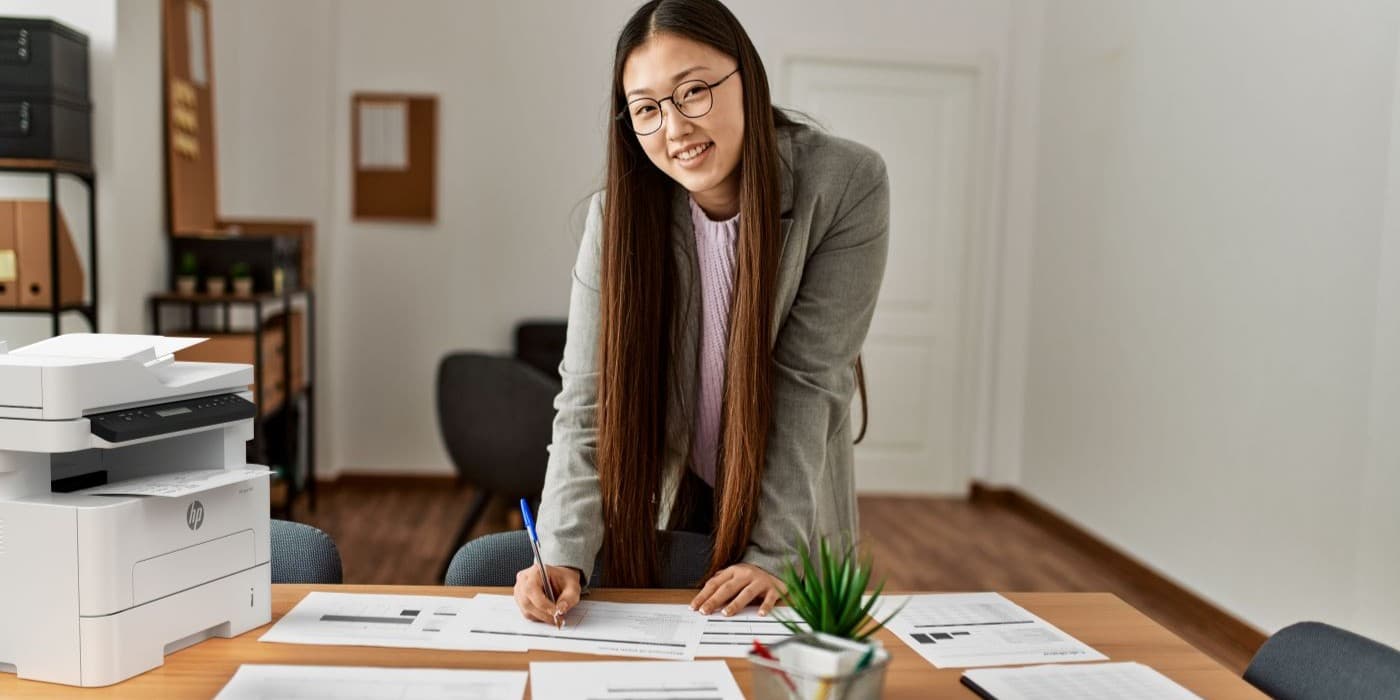
The modern workspace has changed more in the last few years than in the previous two decades combined. Offices are no longer defined by rows of desktop computers, tangled cables, and noisy machines tucked into corners. Instead, they are becoming smarter, more connected, and far more flexible environments where technology quietly supports productivity rather than interrupting it. Printers, scanners, and traditional office devices—once considered basic utilities—are now evolving into intelligent systems powered by AI and wireless connectivity.
In 2026, office technology is no longer just about printing documents or scanning files. It is about speed, automation, cloud integration, and seamless communication between devices. AI-powered features are reducing manual steps, wireless systems are removing physical limitations, and modern office tools are being designed to support hybrid work environments where people switch between home, office, and remote locations effortlessly. This transformation is reshaping how professionals think about productivity, making everyday office tasks faster, simpler, and more efficient.
Printers Are Becoming Intelligent Workflow Machines
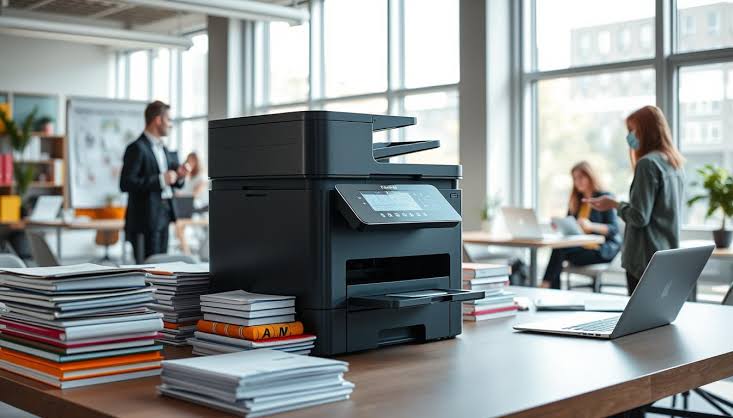
Printers are no longer passive devices that simply receive commands and produce paper outputs. Today’s smart printers are evolving into workflow assistants that can automatically detect document types, optimize print quality, and even integrate with cloud storage systems. Instead of manually configuring settings, users can rely on intelligent automation that adjusts output based on content and usage patterns.
This shift is especially useful in fast-paced work environments where efficiency matters. Modern printers can now handle wireless printing from multiple devices, support mobile connectivity, and reduce delays caused by traditional setup processes. The result is a smoother workflow where printing becomes an integrated part of digital productivity rather than a separate task.
Scanners Are Moving Into the Cloud-Connected Era
Scanners have also undergone a significant transformation. Instead of simply digitizing documents, they now play an important role in document management systems powered by AI and cloud technology. Modern scanners can automatically categorize files, enhance image clarity, and send documents directly to cloud storage or shared platforms.
This evolution is particularly valuable for businesses handling large volumes of paperwork. By removing manual sorting and storage steps, scanners help teams focus more on actual work rather than administrative organization. The integration of AI ensures that scanned documents are more accurate, searchable, and instantly accessible across devices.
Wireless Office Technology Is Eliminating Cable Complexity
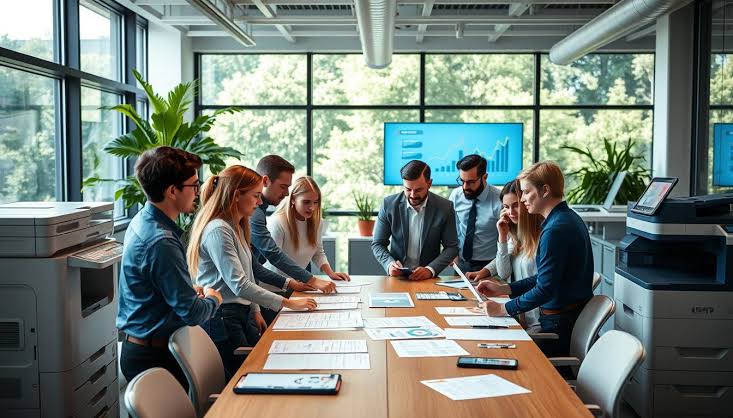
One of the biggest changes in modern office setups is the shift toward wireless ecosystems. Printers, scanners, and other office devices no longer require physical connections to function efficiently. Instead, Wi-Fi and cloud-based systems allow multiple users to connect simultaneously from different devices and locations.
This flexibility is especially important in hybrid work environments where employees move between offices, homes, and shared workspaces. Wireless technology reduces setup time, eliminates clutter, and creates more adaptable office environments. The ability to print, scan, or share documents without physical restrictions is becoming a standard expectation rather than a premium feature.
AI Is Making Office Tasks Faster and More Accurate
Artificial intelligence is quietly transforming how office devices operate behind the scenes. From optimizing print quality to recognizing document types and improving scan accuracy, AI is reducing the need for manual adjustments. It is also helping detect errors, improve efficiency, and streamline repetitive tasks.
In many cases, AI-driven office devices are learning from user behavior to predict needs and adjust performance automatically. This means less time spent on configuration and more time focused on actual work. The result is a more intuitive and responsive office environment where technology adapts to people, not the other way around.
Hybrid Work Is Driving Smarter Office Solutions
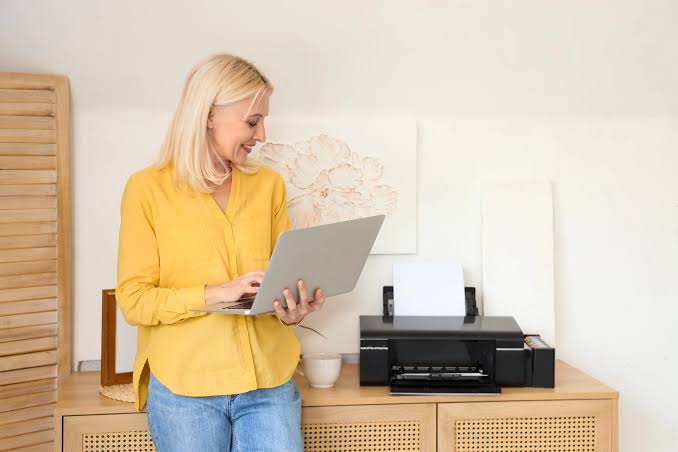
The rise of hybrid work has become one of the strongest forces behind office technology innovation. Employees now expect devices that function seamlessly across different environments without complicated setups or compatibility issues. Printers and scanners that support remote access, cloud printing, and mobile integration are becoming essential tools for modern professionals.
This shift is pushing manufacturers to design products that prioritize flexibility and mobility. The focus is no longer just on performance but on how easily devices integrate into different work styles and locations. Office technology is evolving to support a workforce that is no longer tied to a single physical space.
Key Office Tech Trends in 2026
- AI-powered printing and scanning systems
- Wireless and cloud-connected office devices
- Mobile printing from multiple devices
- Smart document categorization and storage
- Faster workflow automation features
- Hybrid work compatibility
- Reduced cable dependency in offices
- Improved scanning accuracy with AI
- Seamless device synchronization
- Smarter energy-efficient office equipment
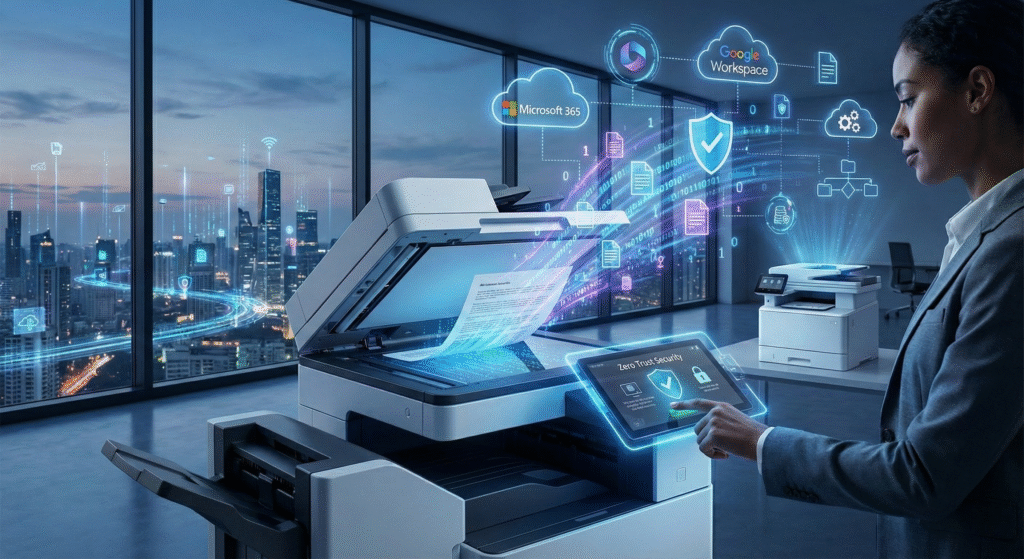
Office Devices Are Becoming Part of a Connected Ecosystem
Modern office technology is no longer made up of separate tools working independently. Instead, printers, scanners, computers, and cloud systems are becoming part of a unified ecosystem where data flows smoothly between devices. This connectivity allows teams to collaborate more efficiently and reduces delays caused by manual transfers or incompatible systems.
As this ecosystem continues to grow, office productivity becomes less about managing devices and more about managing workflows. Technology is increasingly handling coordination tasks in the background, allowing employees to focus on creativity, decision-making, and execution.
Productivity Is Now Defined by Simplicity, Not Complexity
One of the most important changes in modern office technology is the shift toward simplicity. Instead of adding more complicated features, manufacturers are focusing on making devices easier to use, faster to operate, and more intuitive to understand. AI and wireless systems are reducing friction and helping users complete tasks with fewer steps.
This emphasis on simplicity is reshaping expectations across workplaces. Productivity is no longer measured by how many tools are used, but by how smoothly those tools work together.
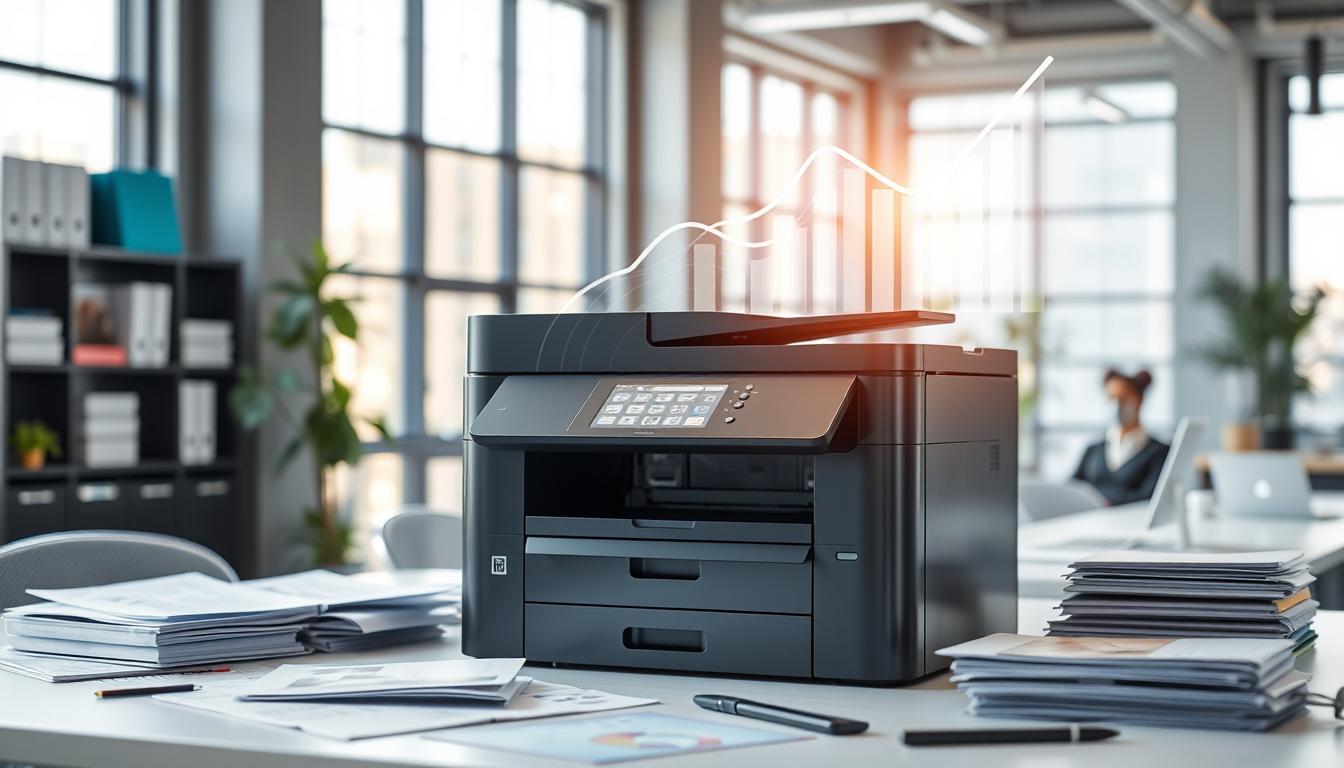
A Smarter, More Flexible Workspace Is Taking Shape
Printers, scanners, and office technology are no longer just support tools—they are becoming intelligent systems that actively enhance how people work. With AI-driven automation, wireless connectivity, and cloud integration, the modern workspace is evolving into a more efficient and flexible environment.
For professionals and businesses adapting to this shift, the key advantage lies in choosing tools that simplify workflows and support changing work styles. As office technology continues to evolve, the future of work is becoming less about managing devices and more about creating seamless, connected, and productive experiences every day.

Sorry, the comment form is closed at this time.