
30 Oct Pulsetto Lite vs. Pulsetto FIT Vagus Nerve Stimulation on a Realistic Budget
Interest in affordable vagus nerve stimulation has grown as wellness buyers look for non-invasive ways to manage stress without committing to clinical-grade equipment. Pulsetto builds its range around two core wearable devices, the Lite and the FIT, each aimed at a different kind of daily routine. This article compares those two core models directly, since they represent the clearest contrast in what a buyer actually gets for the investment.
What Vagus Nerve Stimulation Costs in the Wellness Market Today
Vagus nerve stimulation devices sit in a growing corner of the wellness market, somewhere between relaxation gadgets and more serious recovery tools. Many shoppers compare options based on what each device actually does rather than on brand names alone. Affordable vagus nerve stimulation has become a selling point in itself, since not everyone wants a device loaded with features they will never use.
The category includes ear-based stimulators, neck-worn wearables, and TENS-style units, each targeting the vagus nerve through different placements. Pulsetto falls into the wearable neck-device category, and its product listing describes the experience as something that helps someone relax in under 10 minutes. That baseline claim applies to both core models, which makes the differences between them more about features than about the core sensation.
Pulsetto Lite: Core Stimulation Without Extra Features
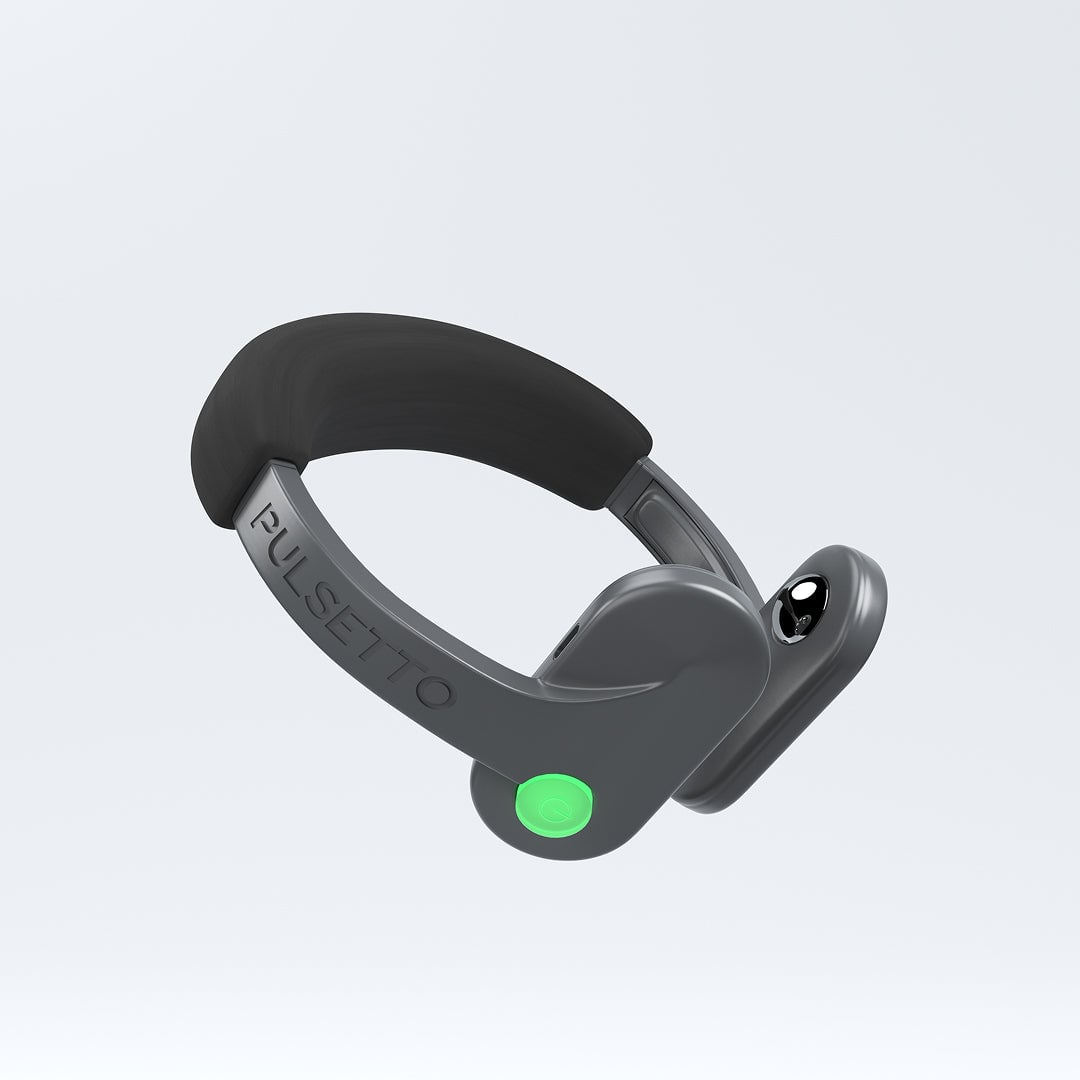
The Pulsetto Lite represents the simplest of the two core devices. It is described on the brand’s own product listing as a vagus nerve stimulation device meant to help someone relax in under 10 minutes, with no added claims about tracking or extended features. This makes it a stripped-down option for anyone seeking the core stimulation experience without additional functionality layered on top.
Because the Lite focuses on that single function, it suits routines built around a short relaxation session rather than ongoing tracking. There is no mention in the brand’s materials of ear-specific electrodes or performance tracking tied to this particular model. It reads as a more direct route into affordable vagus nerve stimulation within the lineup, built for a single clear use case rather than layered functionality.
Pulsetto FIT: Additional Capabilities for Serious Users
The Pulsetto FIT shares the same stated core description as the Lite, helping someone relax in under 10 minutes, but its product listing adds physical details not mentioned for the Lite. That listing describes two removable magnetic paddings included with the FIT, intended for different neck sizes. The brand’s materials do not say whether this feature also appears on the Lite, so it is stated here only as a feature of the FIT itself.
Pulsetto also frames the FIT as a companion for athletes on its dedicated athlete page, describing it as a tool meant to support focus, recovery, and training rhythm. A month-long pilot tied to a HOKA Hackney Half race followed five runners using wearables and self-reported data alongside their routines. That pilot reported changes in self-rated recovery scores for some participants, though results varied individually, with one runner’s composite score moving from 4.8 to 8.0 and another’s moving in the opposite direction.
Pulsetto FIT X: When Advanced Tracking Justifies the Step Up
Outside the two core models under comparison here, the brand’s catalog also lists a Pulsetto FIT X as a separate product. The available facts do not describe specific tracking features unique to this model beyond its listing as a distinct device in the range. Because so little detail is published about it, it falls outside the direct Lite-versus-FIT comparison this article focuses on.
What is clear is that the FIT X occupies its own position in the catalog, separate from the Lite and the FIT in how the site organizes its product pages. The comparison between the two core models does not need to factor this third device into account. It is worth noting mainly as context for how the broader lineup is structured.
Matching Routine Needs to the Right Pulsetto Model
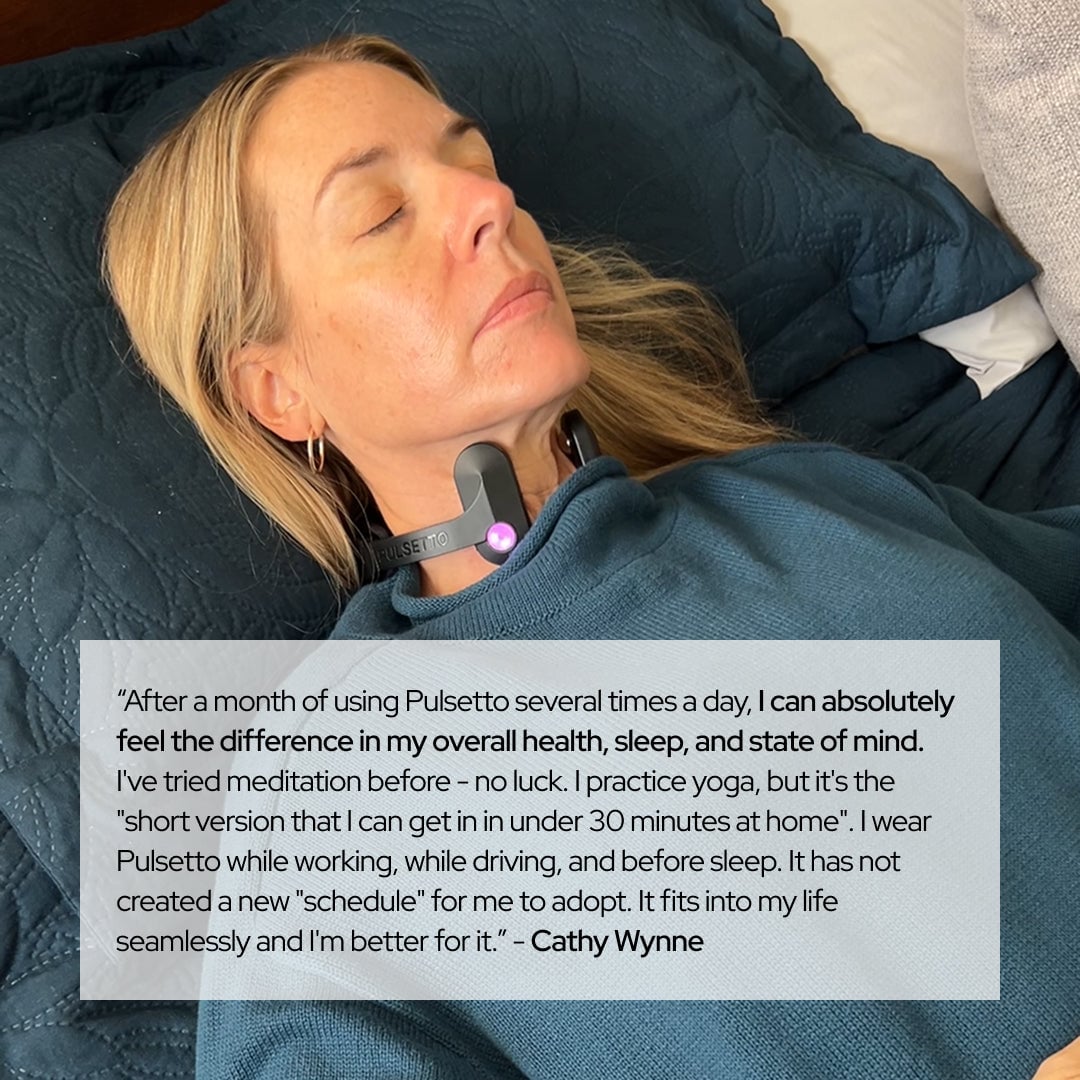
Matching either core model to a use case starts with identifying the primary goal, whether that is general stress relief, sleep support, or an athletic recovery routine. The brand’s own site organizes its messaging around goals like sleeping better, lowering stress, recovering faster, and sharpening focus, which gives a rough map between the two devices. A goal centered purely on winding down aligns with the core function the Lite already covers.
Training regularly or paying close attention to recovery patterns tends to align with the FIT, given its link to the athlete-focused pilot and its described fit features. The lineup also includes accessories across the range, including a travel case for the FIT, a separate travel case for the Lite, a gel product, and wipes, which extend the daily usability of either device. Considering those add-ons alongside the device itself gives a fuller picture of what ongoing use actually involves.
- The Pulsetto Lite is described as a vagus nerve stimulation device with a relaxation session timed at under 10 minutes and no additional listed features.
- The Pulsetto FIT includes two removable magnetic paddings intended for different neck sizes.
- The Pulsetto FIT is positioned on the brand’s athlete page as a tool tied to training and recovery routines, supported by a month-long runner pilot.
- Accessories across the range include separate travel cases for the FIT and the Lite, along with a gel product and wipes sold individually.
- Both core devices share the same stated core function, which is helping someone relax in a short session rather than offering different relaxation goals.
- The Pulsetto FIT X exists as a separate catalog listing outside the Lite-and-FIT comparison, with little additional detail published about it.
What Real Stress Relief Looks Like Across the Range

Across the Lite and the FIT, the two core models repeat the same baseline promise of a short relaxation session built around vagus nerve stimulation. The differences show up in physical fit and how each model is framed for particular routines like athletic recovery. That consistency means buyers are not choosing between different relaxation experiences so much as different levels of physical adaptability.
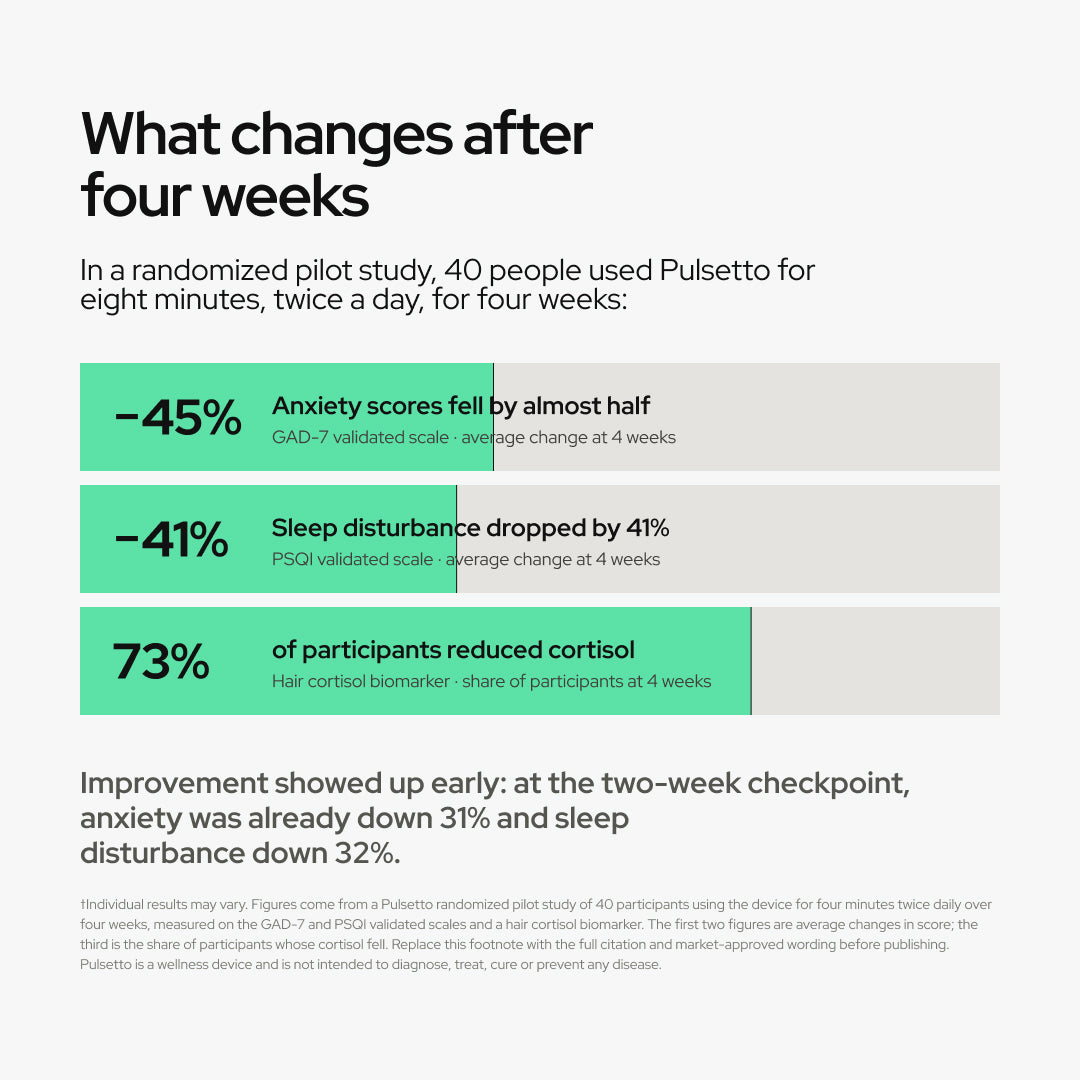
The runner pilot data shows that real-world results varied by individual, with some participants reporting stronger improvements than others. This is a reminder that affordable vagus nerve stimulation devices function as tools within a broader routine rather than guaranteed fixes on their own. A clearer sense of what each specific model includes, rather than a general impression of the category, tends to set expectations that hold up against the pilot’s mixed results.
The gap between the Lite and the FIT ultimately comes down to physical features matched against an actual routine.

Sorry, the comment form is closed at this time.