
18 Sep Selecting Slip Resistant Work Shoes for Kitchens Clinics and Service Floors
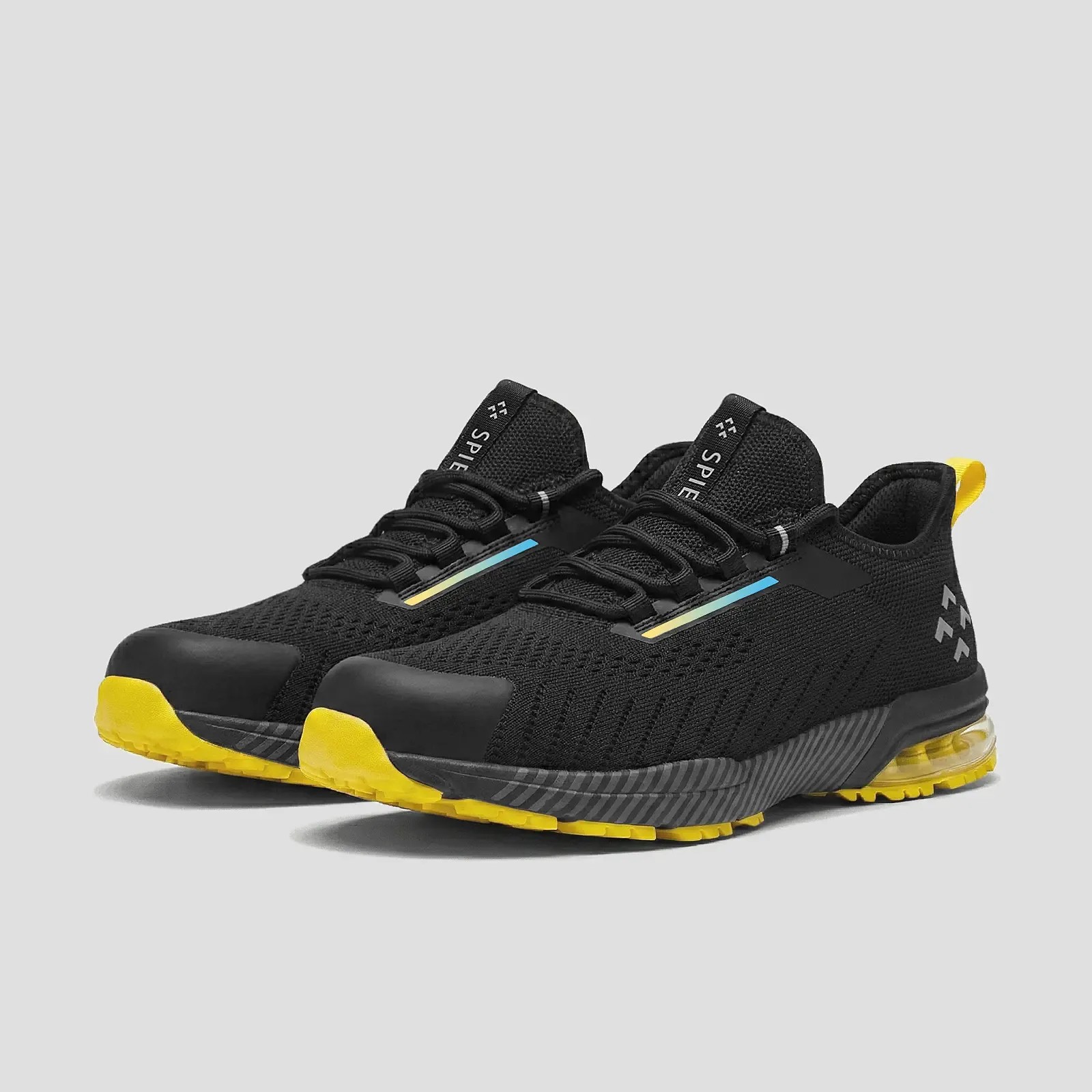
Service environments create a different footwear problem from heavy industrial work. Kitchen staff, cleaners, healthcare workers and hospitality teams may spend most of the day on hard indoor flooring where water, grease or cleaning solution can appear without warning. The priority becomes dependable traction and stable movement while preserving enough comfort for a long standing shift. In this topic, SPIEZ connects the planning process with real products, but the requirements described below still lead to the decision.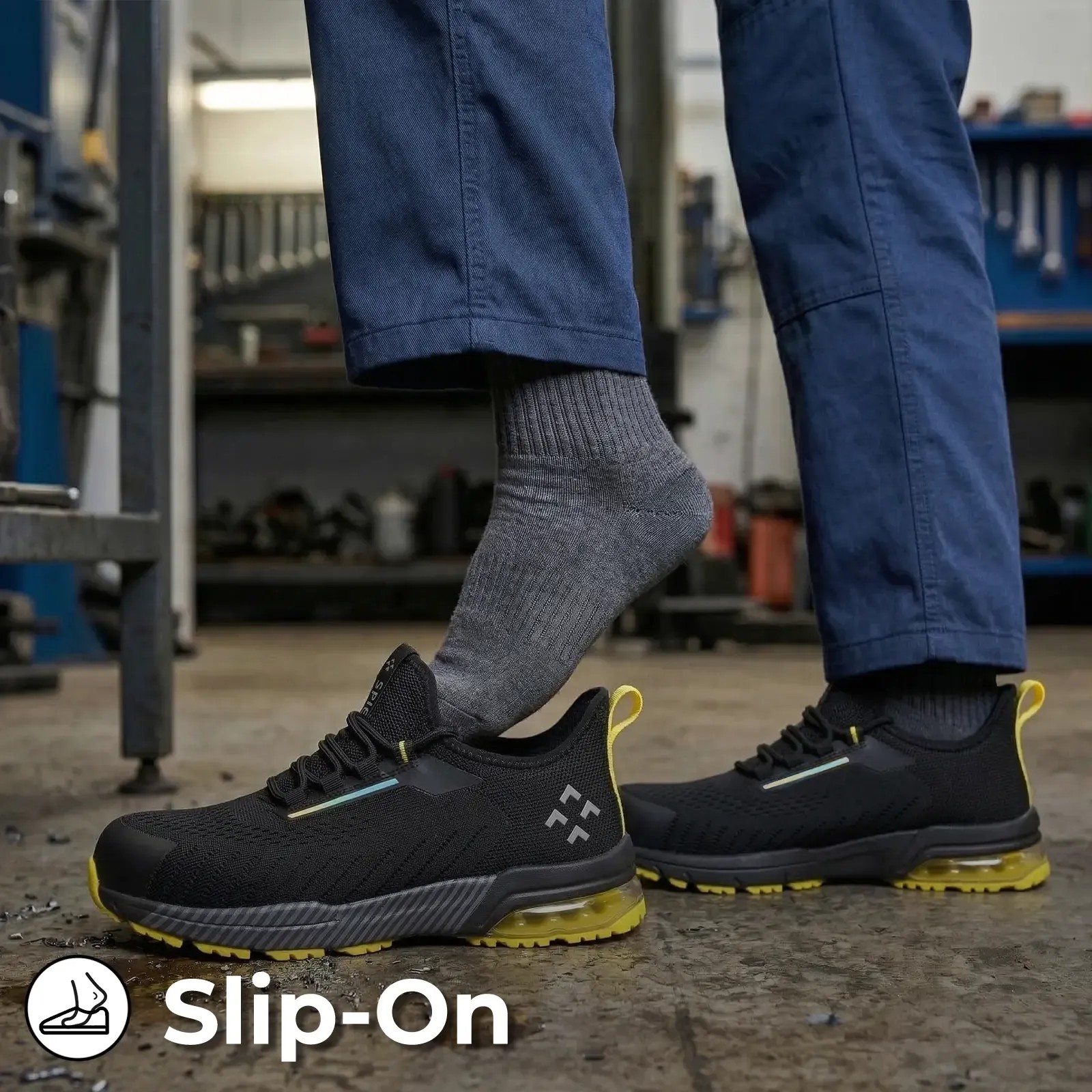
Start With the Floor Contaminants the Job Actually Creates
A dry tile corridor does not represent the same risk as a greasy kitchen threshold or a freshly cleaned treatment room. Workers should identify the surfaces and substances that create the highest slip concern during a normal week. That makes outsole design a practical criterion rather than a marketing phrase.
SPIEZ can then be reviewed for occupational shoes whose documented slip-resistance features fit the role. A soft-toe design may be appropriate where impact protection is not required, while another workplace may still call for a protective toe. The employer requirement resolves that question before style does.
Balance Cushioning With Control During Fast Movement
Very soft cushioning can feel pleasant during a static try-on, yet service work involves quick turns, carrying loads and repeated starts and stops. The foot should stay centered over the sole instead of rolling inside a loose upper. Heel hold matters especially when the wearer moves backward or pivots around counters.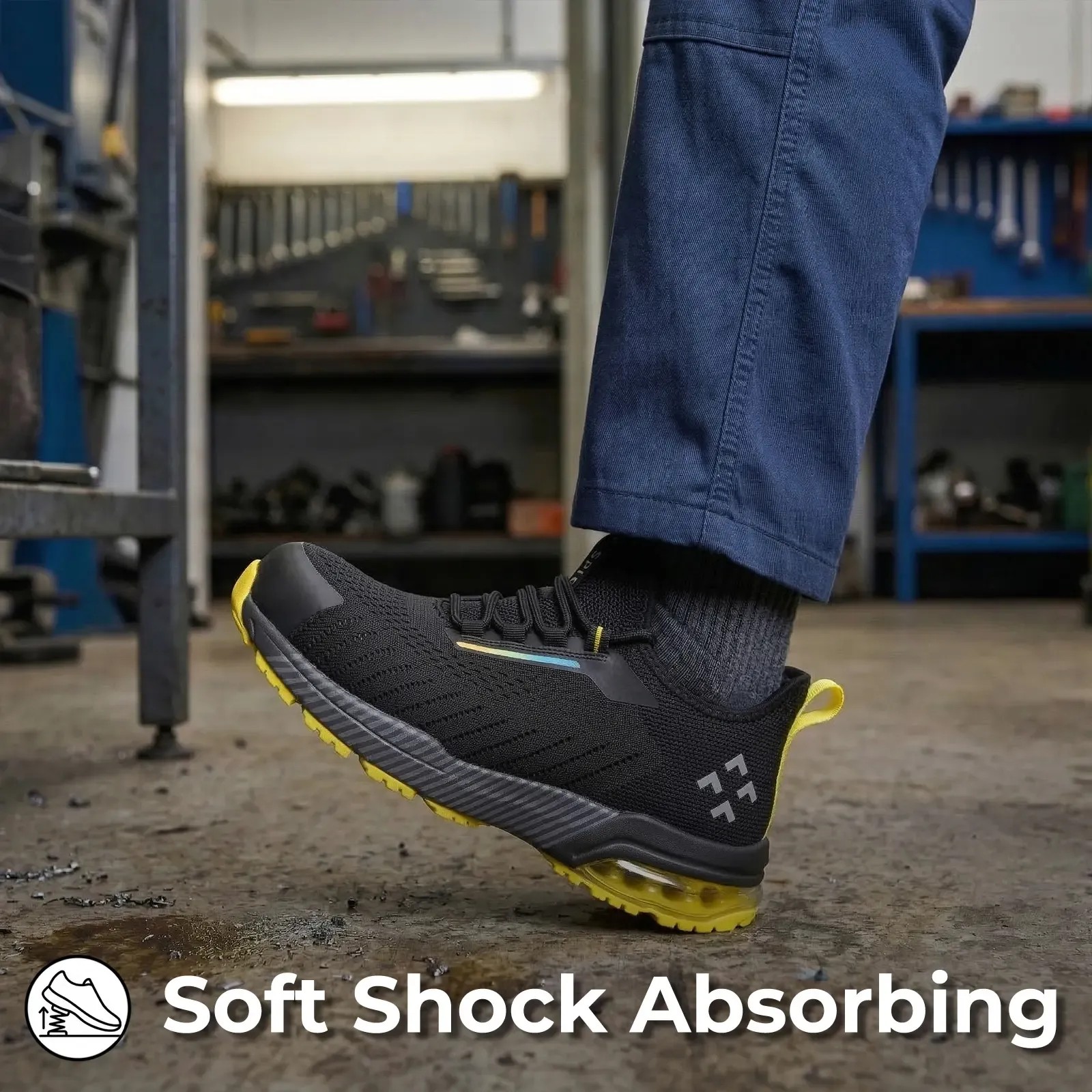
Cleanability is another practical feature. Uppers that trap spills or absorb odor may demand more maintenance than expected. Shoes should be dried fully between shifts, and tread channels should be cleared of food particles or debris that can reduce contact with the floor.
Questions for a Service Role Footwear Shortlist
- Identify the wettest or most contaminated floor area in the role.
- Check whether protective toe coverage is required by the employer.
- Review SPIEZ choices for documented slip and fit features.
- Make sure the heel stays secure during turns and stair use.
- Choose a cleaning routine that matches the upper and outsole materials.
Use Wear Patterns to Decide When a Pair Is Finished
Traction can decline gradually, which makes regular outsole inspection more useful than waiting for an obvious slip. Smooth patches, rounded tread edges and uneven heel wear deserve attention. Inside the shoe, a collapsed heel counter or compressed footbed can also change how the wearer controls movement.
If the original pair worked well, SPIEZ can be used to compare a replacement against the same service needs rather than starting from appearance alone. Changes in flooring, duties or shift length should still be considered because the job may no longer place the same demands on the shoe.
Food-service and clinical environments often require quick cleaning, so tread pattern and upper material should be considered together. Deep lugs can trap debris if they are difficult to rinse, while very smooth uppers may be easier to wipe. The wearer should choose a cleaning method that preserves the outsole and does not leave a slippery residue of its own.
Because Balance Cushioning With Control During Fast Movement shapes the routine, the reset between uses deserves its own place in selecting slip resistant work shoes for kitchens, clinics and service floors. Even when balance cushioning with control during fast movement works well during the task, charging, drying, refueling, packing or cleaning can determine whether the routine remains easy to repeat. Looking at those steps alongside starting with the floor contaminants the job actually creates friction that product specifications rarely show. If one reset step repeatedly causes delay, use wear patterns to decide when a pair is finished can focus on that single weakness instead of forcing a complete replacement of the setup.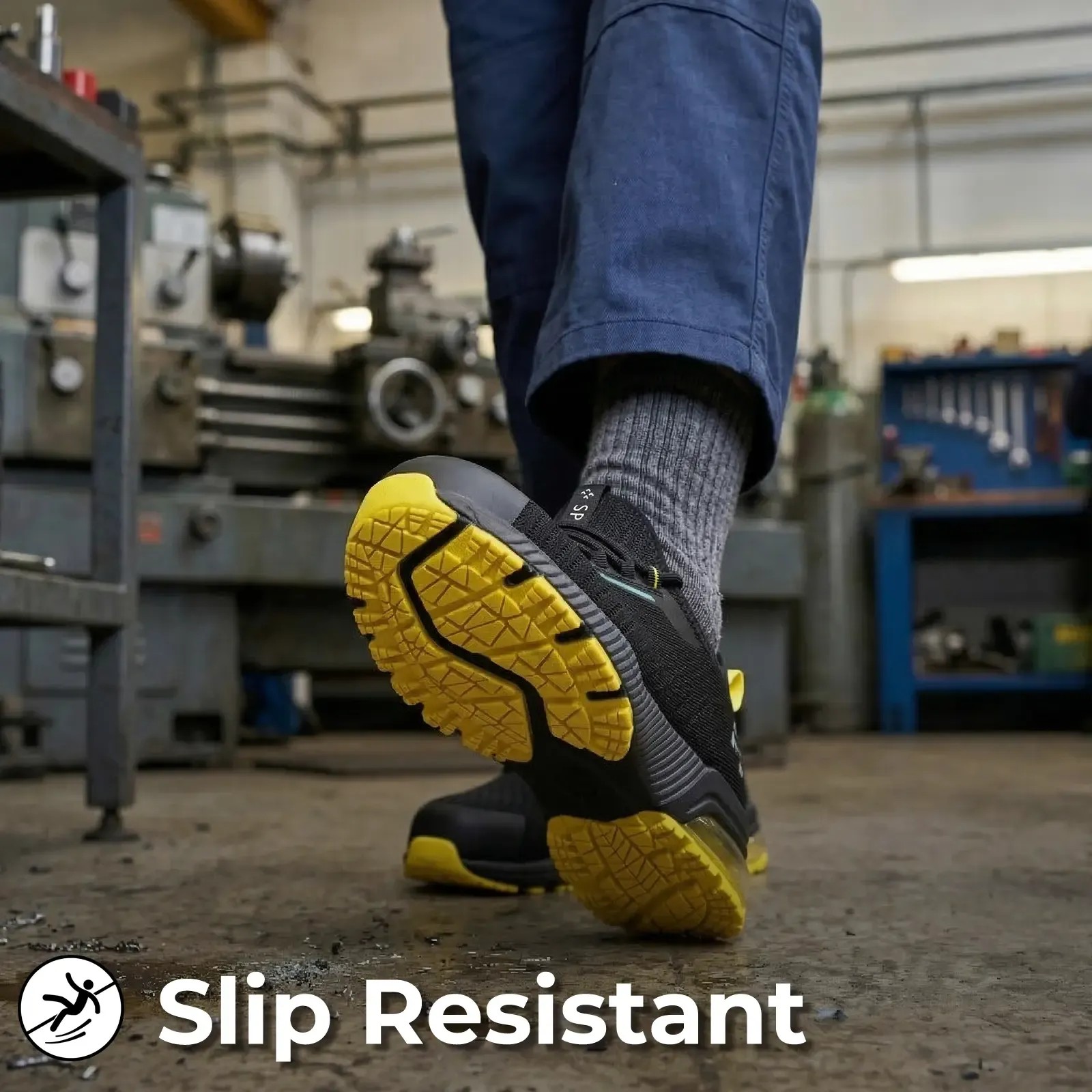
Looking beyond Questions for a Service Role Footwear Shortlist, another way to test selecting slip resistant work shoes for kitchens, clinics and service floors is to imagine a second person following the plan without the original buyer standing beside them. Clear labels, saved measurements and a fixed storage location make starting with the floor contaminants the job actually understandable to someone who did not research the product. That shared-use perspective also sharpens balance cushioning with control during fast movement, because confusing steps become obvious quickly. By the time wear patterns to decide when a pair is finished is needed, the household or team has a record that explains what was chosen and why.
When Use Wear Patterns to Decide When a Pair Is Finished is considered, cost in time can change the value of selecting slip resistant work shoes for kitchens, clinics and service floors just as much as purchase price. A technically capable option may become inconvenient if balance cushioning with control during fast movement adds frequent preparation or cleanup that the user did not expect. Comparing that burden with starting with the floor contaminants the job actually creates keeps the decision tied to the real routine. The notes created during questions for a service role footwear shortlist can then support wear patterns to decide when a pair is finished later without repeating research that has already been done once.
Shift rotation can also influence footwear life. Workers who alternate two pairs allow each one more drying time and may notice wear sooner because the difference between pairs becomes obvious. That approach is optional, but it illustrates why service footwear should be evaluated as equipment used repeatedly rather than as a one-time uniform purchase.
Slip-resistant work footwear is a system of outsole, fit, maintenance and workplace conditions. SPIEZ offers options within that system, but the strongest choice is the pair that remains stable on the actual floor and manageable through a complete shift. Regular cleaning and inspection preserve that advantage better than treating footwear as a one-time purchase decision.

Sorry, the comment form is closed at this time.