
19 Jun Smart Home Technology in 2026: From Home Automation to Robot Vacuums and Solar-Powered Devices
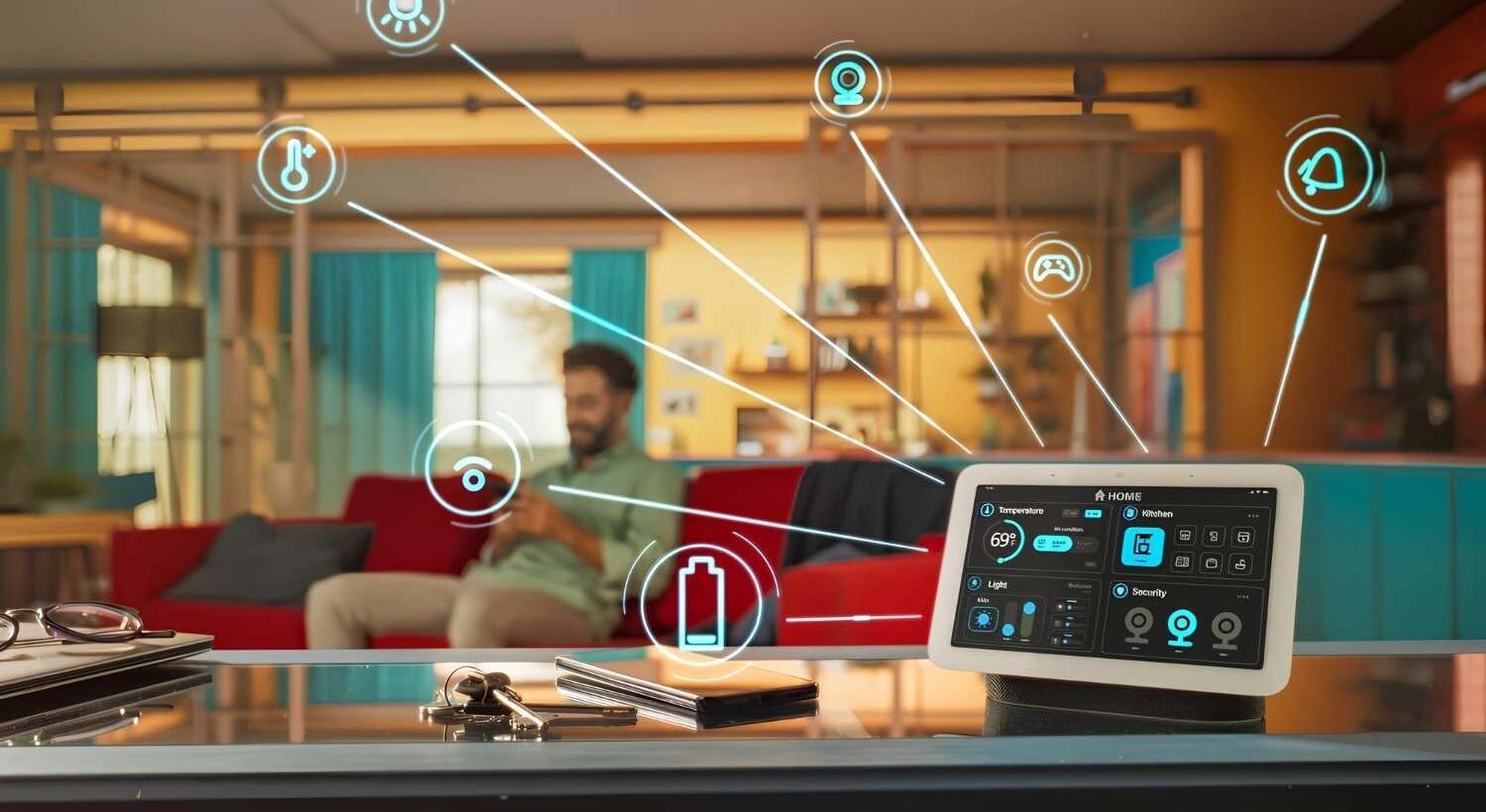
Smart homes used to feel like something from science fiction—voice-controlled lights, automated cleaning devices, and energy systems that seem to manage themselves. In 2026, that vision is no longer futuristic; it is becoming part of everyday living. Homes are turning into connected ecosystems where devices communicate with each other, respond to user habits, and help reduce manual effort in almost every corner of daily life. From automated lighting and climate control to robot vacuums and solar-powered smart devices, technology is reshaping what comfort and convenience look like inside modern households.
What makes this shift especially interesting is how natural it now feels. Smart home devices are no longer complicated systems reserved for tech enthusiasts. Instead, they are becoming mainstream products designed for simplicity, energy efficiency, and lifestyle improvement. People are increasingly choosing automation not just for luxury, but for time-saving convenience, improved energy management, and smoother day-to-day routines. The smart home of 2026 is not about replacing human control—it is about enhancing it.
Home Automation Is Becoming the Invisible Assistant in Daily Life
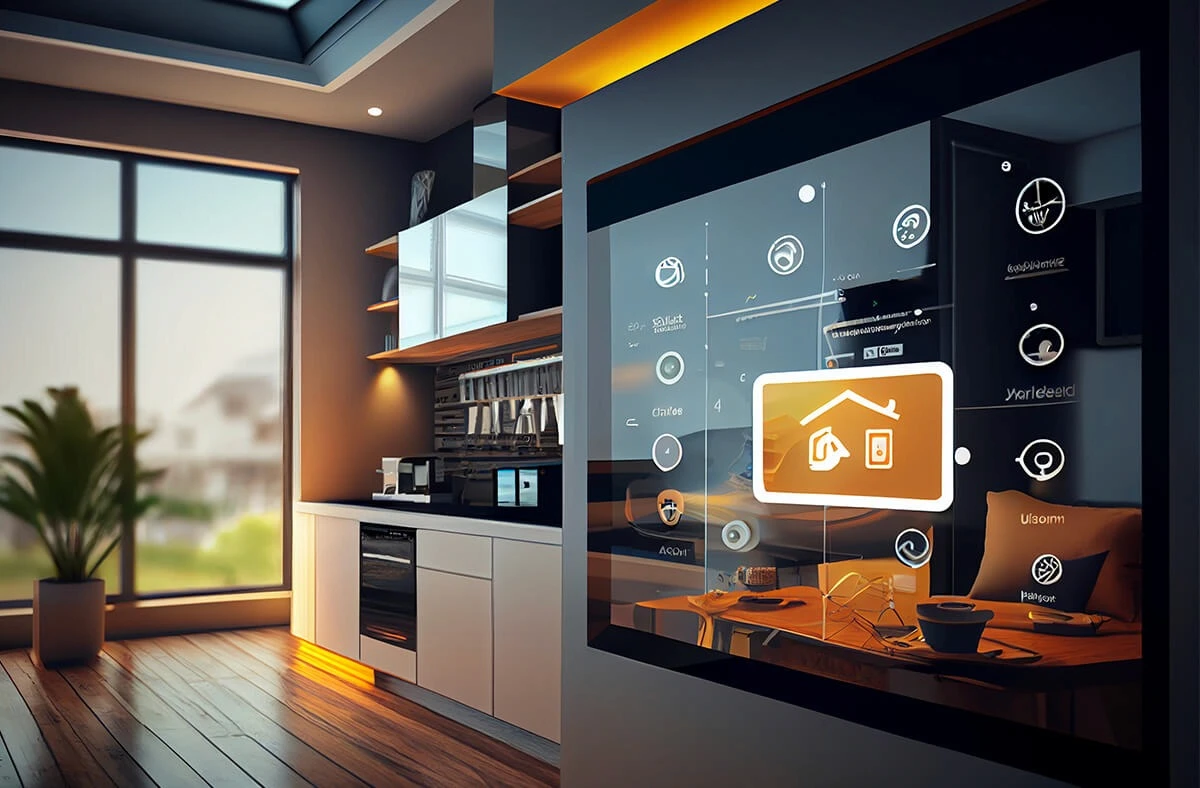
Home automation has evolved into something far more seamless than ever before. Instead of manually adjusting settings throughout the day, smart systems now learn patterns and respond automatically. Lighting adjusts based on time and activity, temperature systems adapt to comfort preferences, and security features operate quietly in the background.
This invisible layer of automation is what makes modern smart homes feel so natural. The goal is no longer to interact constantly with devices but to let them operate intelligently on their own. As a result, homeowners are experiencing a lifestyle where technology works quietly behind the scenes, creating comfort without demanding attention.
Robot Vacuums Are Turning Cleaning Into a Hands-Free Experience
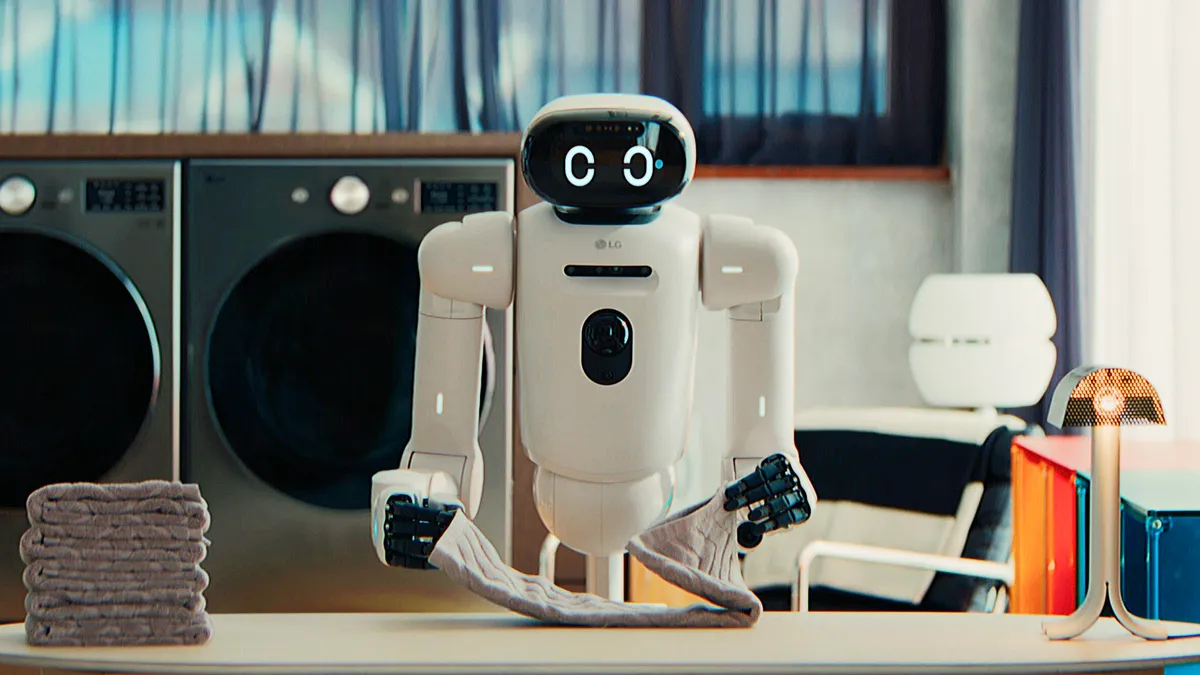
One of the most recognizable smart home innovations is the robot vacuum, and in 2026 these devices are more advanced than ever. Modern models can map entire homes, avoid obstacles with precision, and adapt cleaning patterns based on usage. Instead of being simple cleaning tools, they have become autonomous home assistants designed to maintain cleanliness with minimal human involvement.
What makes them especially appealing is convenience. Busy households no longer need to schedule cleaning around their routines. Instead, cleaning happens automatically in the background, allowing people to focus on more important tasks. This shift reflects a broader trend in smart home technology—removing repetitive effort from everyday life.
Solar-Powered Smart Devices Are Driving Energy Efficiency
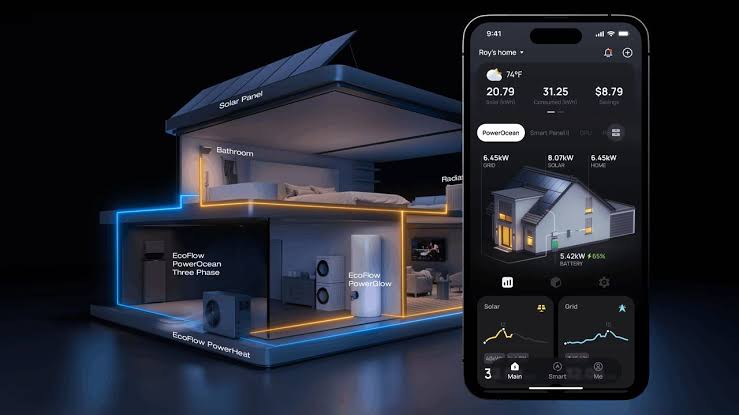
Energy efficiency has become one of the most important aspects of smart home technology. Solar-powered devices are gaining popularity as households look for ways to reduce electricity costs and embrace more sustainable living. From outdoor lighting systems to smart sensors and charging devices, solar integration is becoming more practical and widely available.
These innovations not only reduce environmental impact but also support long-term energy independence. Smart homes are increasingly being designed with efficiency in mind, allowing users to monitor and optimize energy usage through connected systems. This combination of sustainability and automation is shaping the next generation of home technology.
Smart Ecosystems Are Connecting Every Device in the Home
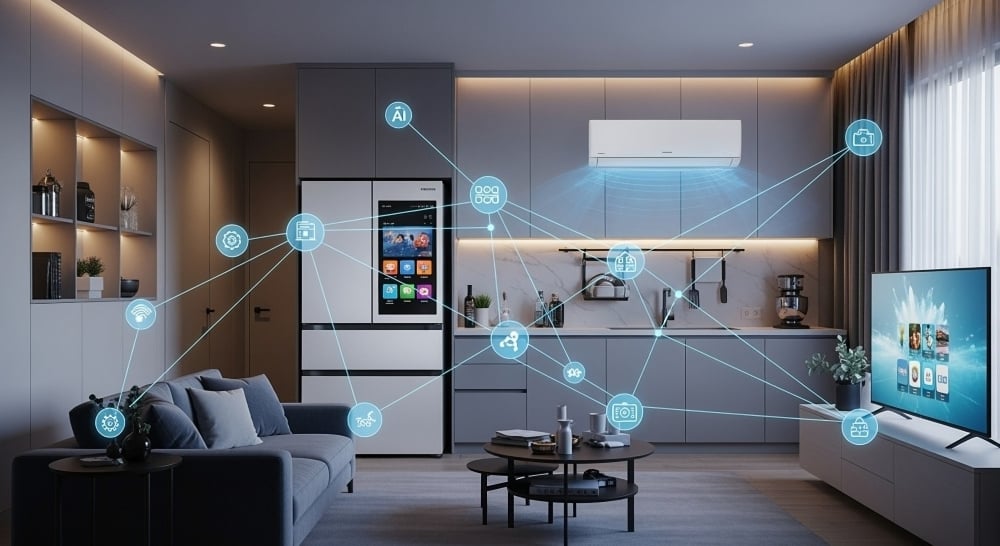
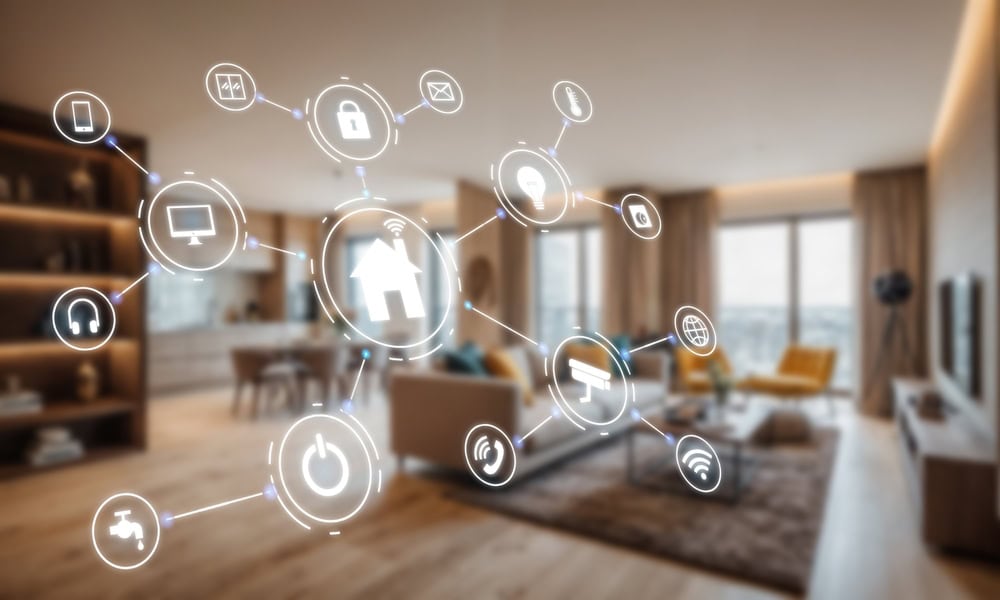
The real strength of smart home technology lies in connectivity. Devices are no longer functioning individually—they are becoming part of a larger ecosystem. Lighting systems, appliances, security devices, entertainment systems, and cleaning tools now work together to create unified experiences.
This level of integration allows homeowners to control multiple systems from a single interface or even through automated routines. For example, a “morning mode” can adjust lighting, temperature, and coffee machines simultaneously. This interconnected structure is turning homes into coordinated digital environments that respond intelligently to user needs.
Key Smart Home Trends in 2026
- Advanced home automation systems
- AI-powered robot vacuum cleaners
- Solar-powered smart home devices
- Energy-efficient connected ecosystems
- Voice-controlled household management
- Automated lighting and climate control
- Smart security and monitoring systems
- Integrated home entertainment devices
- Remote access and mobile control
- Sustainable and eco-friendly technology adoption
Convenience Is Becoming the Main Reason People Upgrade
While smart home technology often highlights innovation, the biggest driver of adoption is simplicity. People want devices that reduce effort rather than increase complexity. The ability to automate repetitive tasks, manage energy use, and control multiple systems from one place is making smart homes more appealing to a wider audience.
This focus on convenience is shaping product design across the industry. Devices are becoming easier to install, easier to use, and more adaptable to different household needs. The result is a technology landscape where smart home products feel less like upgrades and more like natural extensions of everyday living.
The Home Is Becoming a Responsive Living Space
In the past, homes were static environments. Today, they are becoming responsive spaces that adjust based on behavior, preferences, and time of day. Smart home technology is enabling environments that react intelligently rather than remaining fixed.
This transformation is changing how people interact with their living spaces. Instead of manually controlling everything, users are beginning to trust systems that anticipate needs and respond automatically. The home is no longer just a physical structure—it is becoming an interactive ecosystem designed around human comfort.
A New Era of Effortless Living Is Taking Shape
Smart home technology in 2026 represents more than just convenience—it reflects a shift toward effortless living. Automation, robotics, and energy-efficient systems are combining to create homes that support daily life in subtle but meaningful ways. From cleaning floors to managing energy use and coordinating entire environments, smart devices are quietly reshaping how households function.
For those exploring the future of home technology, the most important question is no longer what individual device to buy, but how different systems can work together. Because the smartest homes are not just filled with technology—they are shaped by it, working quietly in the background to make everyday life smoother, simpler, and more comfortable.

Sorry, the comment form is closed at this time.