
17 Sep The Best Portable Power Stations for Off-Grid Living
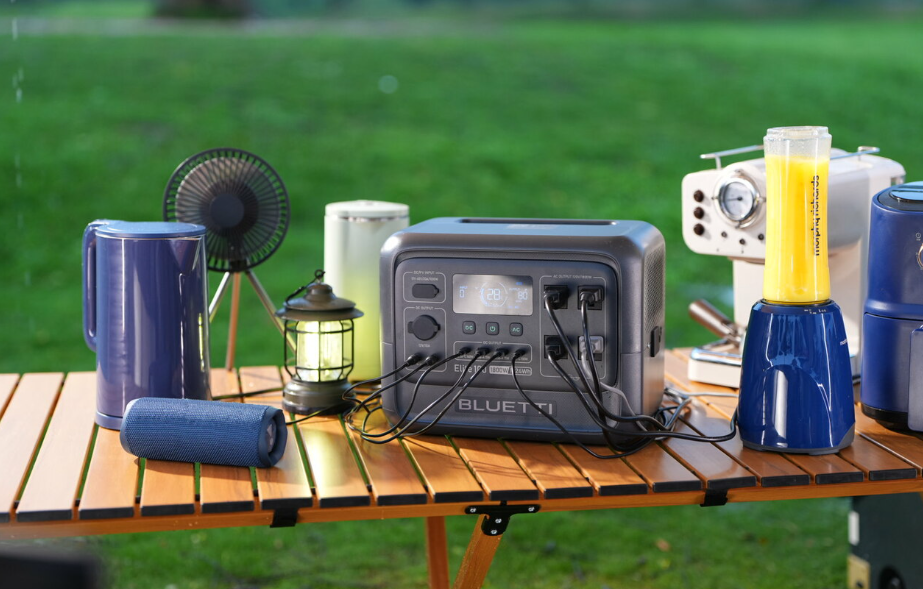
Off-grid living has transformed from a niche lifestyle choice into a mainstream movement, driven by advances in renewable energy technology and growing concerns about energy independence. Whether you’re building a remote cabin, planning an extended camping trip or simply want backup power during emergencies, a reliable portable power station has become essential. The key to successful off-grid power management lies in choosing a system that balances capacity, portability and efficiency. Modern portable power systems provide the foundation for truly independent living. BLUETTI US
Why Portable Power Stations Matter for Off-Grid Living
Traditional generators powered by fossil fuels produce noise, emissions and ongoing fuel costs that make them impractical for sustainable off-grid setups. Portable power stations with lithium battery technology offer a cleaner, quieter alternative that integrates seamlessly with solar panels and other renewable sources. These systems store energy efficiently and provide stable power output for sensitive electronics, making them far superior to older diesel or gasoline models for modern off-grid applications. The environmental benefits extend beyond your property, avoiding fossil fuel consumption contributes to broader environmental protection. Battery-based systems eliminate toxic emissions and reduce air pollution in your immediate surroundings, benefiting both your family and neighboring properties.
Key Specifications to Compare

When evaluating portable power stations, capacity measured in watt-hours (Wh) determines how long your devices can run. A 5000Wh system, for instance, can power a refrigerator for several hours or charge smartphones dozens of times. Beyond raw capacity, look at the number and types of outlets available, USB, AC and DC connections serve different purposes. Charging speed matters too; faster recharge times from solar panels or wall outlets mean you’re never caught without power. Weight and size become critical factors if you plan to transport the unit frequently, while expandability through additional battery modules provides long-term flexibility as your power needs grow. The combination of these factors determines whether a system suits your particular situation.
Integration with Solar Arrays
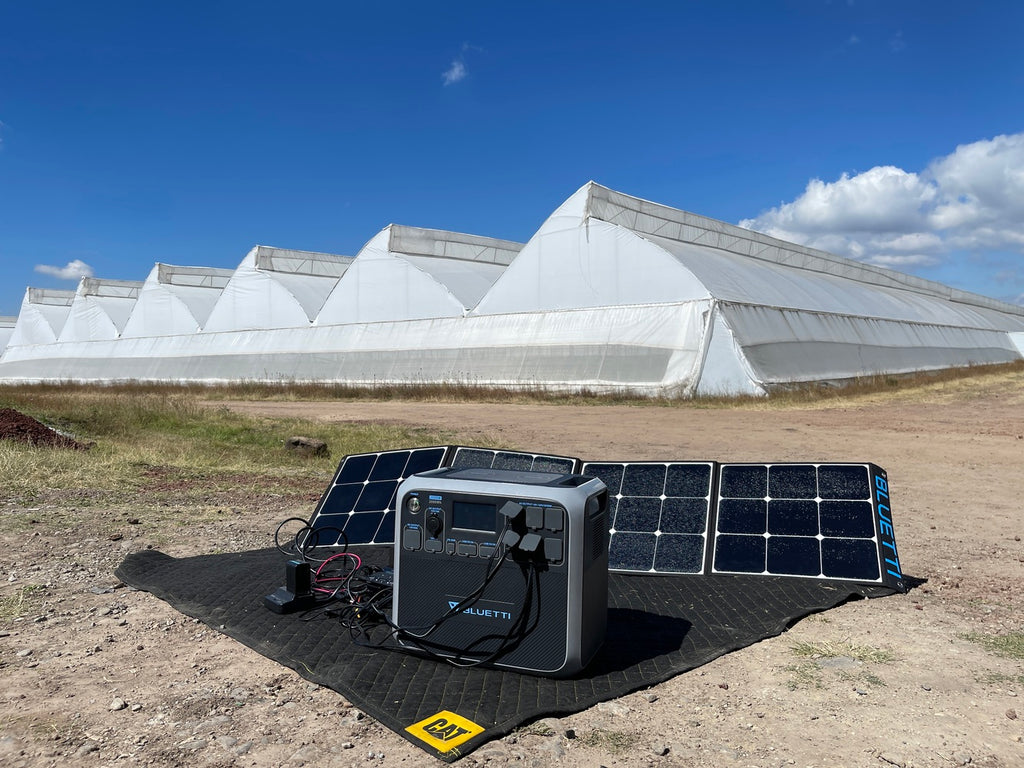
The real power of portable stations emerges when paired with solar panels. A mid-range 5000Wh station can fully recharge from a 400W solar array in 12-15 hours of good sunlight, creating a genuinely sustainable system. This combination eliminates dependence on grid power entirely while remaining environmentally responsible. The best systems support multiple charging methods simultaneously, solar input, wall AC and vehicle power, ensuring you can recharge whenever opportunities arise. For off-grid properties, this redundancy provides genuine energy security that pure grid connection never offers. During extended cloudy periods, multiple charging options ensure your system remains functional. BLUETTI US
Real-World Performance Scenarios
A typical off-grid household draws 10-15 kWh daily depending on usage patterns. Scaling portable power stations to meet this need typically requires 2-3 units working in parallel or a larger expandable system. Summer months with abundant sunlight and modest heating needs mean smaller systems suffice, while winter demands either larger capacity or backup generation. The advantage of modular portable systems is their flexibility, start with one unit and expand as your lifestyle or circumstances evolve. Many users find they move their power station between multiple locations, making the portability genuinely valuable rather than merely a marketing feature. Thoughtful system design adapts to changing seasons and evolving household needs. BLUETTI US
Durability and Long-Term Reliability
Quality portable power stations from established manufacturers include multi-year warranties and proven track records in extreme conditions. These systems use lithium iron phosphate (LiFePO4) chemistry, which offers 3000+ charge cycles, roughly ten years of daily use. Build quality matters; sealed connections protect against moisture and dust in remote locations. Professional installers often specify the same models for both consumer off-grid homes and commercial applications, indicating genuine reliability beyond marketing claims. A well-maintained system easily outlasts the property it powers. Regular testing and basic maintenance ensure your system performs when actually needed, unlike neglected generators that frequently fail when critical. BLUETTI US
Essential System Components and Setup
- Determine your daily power consumption in watt-hours by totaling device wattages and usage hours.
- Select a battery capacity providing 2-3 days of autonomy without solar input for genuine reliability.
- Choose a matching solar array capacity enabling full recharge within 12-18 hours under typical conditions.
- Include multiple charging inputs for flexibility during transportation or limited solar availability.
- Plan for system expansion as your needs evolve and your energy consumption patterns clarify.

Making the Investment
Portable power stations represent a significant but justifiable investment for serious off-grid living. Expect to spend between 3000-8000 USD for a primary system suitable for household power needs, with expandable batteries adding 1500-3000 USD each. This cost amortizes over a decade of use while eliminating monthly utility bills in many regions. When combined with solar panels and good energy management practices, the total system pays for itself through energy savings alone. For remote property owners, the expense pales compared to the reliability and peace of mind that genuine energy independence provides. Consider the investment as insurance against utility disruptions and a contribution toward genuine sustainability. BLUETTI US

Sorry, the comment form is closed at this time.